


Use denture adhesive only when needed, usually once daily, and never as a fix for poor fit.
We see this situation most of the time at the clinic. The patients seem so fed up and exhausted when they come to the clinic. Denture paste is applied in the morning by some patients. After lunch, they apply it once again. Most of the time, they even ask for a third time before dinner. Perhaps you are caught in this very cycle today.
Generally, denture paste is considered a major bother; however, it can be a serious health hazard without the user realizing it. Besides, it only disguises the mouth problems and silently threatens one’s health. As your clinical partner, I will be earnest and upfront with you. That way, not only will we identify the appropriate times for using such products, but we will also explore the concealed risks associated with their excessive use and, above all, figure out how to tackle the underlying cause.
The Rule of Thumb: Just Once a Day
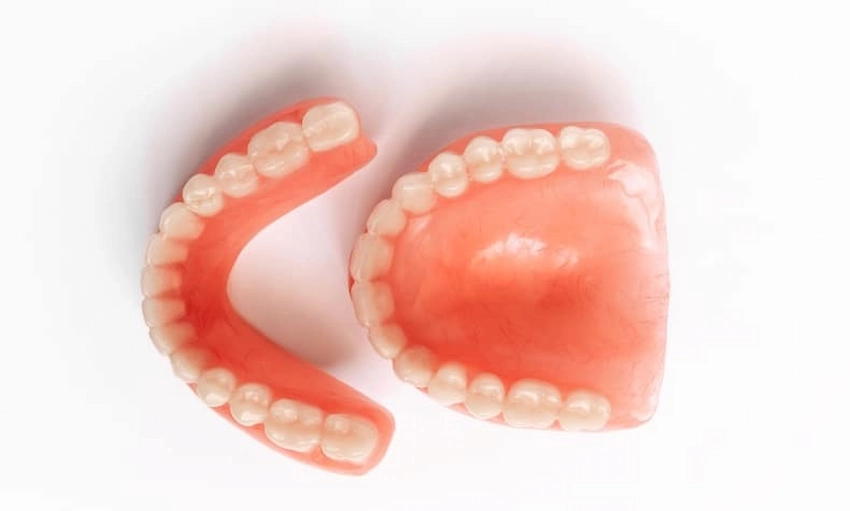
Generally, you should limit yourself to only one use of denture adhesive per day.
Initially, a well-done, single application in the morning will keep your denture stable all day, until bedtime. There is no requirement for large tubes of paste to be laid out in thick continuous lines. Although a few tiny, pea-sized drops are sufficient.
However, doing it right is not just about how much you use. Let’s break this down. When your teeth are engaged in biting an apple, your jaws exert a huge amount of force. If your dentures are loose, that force will be distributed unevenly. Throwing a large amount of adhesive at a poorly-fitting denture is like putting bonded glue on a crumbling foundation. It might hold up your house for one day. But it’s not going to stop the ground from shifting under your feet.
The Hidden Danger: Zinc Toxicity
What is the secret behind this scenario: what will it actually mean if you use too much paste?
To ensure a stronger hold, many adhesives sold in stores contain the element zinc. A little bit of zinc is safe and even healthy for you. But there are some people who apply heavy layers of paste not just once but several times throughout the day. Eventually, they end up swallowing too much zinc.
Prof. Dr. Coşkun Yıldız is quite explicit about his views on this matter. He points out that excessive use of denture adhesive might lead to zinc poisoning. This condition affects the brain and nervous system, may cause numbness in the extremities, and muscle weakness. Buying and “eating the whole tube of a dental cement within three weeks shows excessive use of it. So, the doctor is the one to spot the problem and treat it.
Why Your Dentures Stop Fitting
Jawbone is actually mainly supported by the roots of the teeth. Once a tooth is removed, the bone will gradually disappear or get thinner with each passing year. In fact, if you think about the jawbone, it is quite similar to a muscle. If a muscle is not used, it will shrink and weaken. So, the same happens with a jawbone that has no teeth.
That’s why, among other things, your old denture gradually becomes loose. Dentist Polen Akkılıç and her team often encounter patients who think that they only need a “stronger” paste. However, things are completely different and much harder to accept. The adhesive did not let you down. It’s only your jawbone that has altered its form.
Beyond the Paste: Permanent Solutions in Turkey
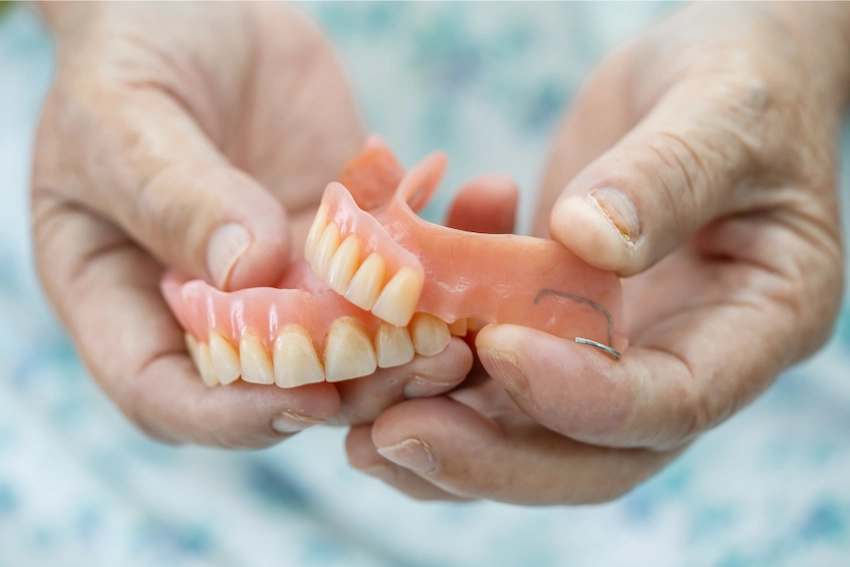
From our clinical experience in Lema Dental Clinic, based in Turkey, we understand that by no means should patients use chemical pastes only. We focus on helping patients who no longer want to wear removable plastic dentures their whole life. Instead, give them a permanent and fixed teeth solution.
For instance, we offer the latest technologies such as a full mouth implant restoration by All-on-4 type or All-on-6 type implant support. Both of these techniques use extremely strong titanium posts. They serve as a support for a beautiful zirconium permanent bridge fixed directly to your jaw.
On the other hand, some patients do not have enough bone due to years of wearing loose dentures. For such patients, we offer Zygomatic implants. Those select implants bypass the weak jawbone. They are perfectly anchored in the bony region of the cheek. Similar to the way one drives a huge steel pillar deeply through soft mud until it hits solid rock, right?
Comparing Your Dental Options
| Feature | Removable Dentures + Adhesive | All-on-4 / All-on-6 Implants |
| Stability | Based on paste and suction; may shift during meals. | Directly attached to the bone; do not wobble or move. |
| Bone Health | Leads to more bone loss (resorption) as time goes on. | Supports the bone, thus stopping its shrinkage. |
| Maintenance | Daily removal, soaking, and paste mishaps are required. | Brushed and cleaned just like genuine teeth. |
| Bite Force | Delivers 20-30% of natural chewing efficiency. | Allows up to 95% of normal biting force. |
| Palate Coverage | Completely blocks the taste buds by covering the palate. | The mouth’s roof remains uncovered; full flavor is enjoyed. |
Frequently Asked Questions
I use adhesive twice a day just to eat. Is that bad?
Definitely, this is the first very visible sign to your mouth. If your paste just disappears by lunchtime, it means the denture no longer fits your gum line properly. You will require a doctor to make the adjustments, so whether permanent implants can be considered at your visit.
Can denture paste really make me sick?
Yes, it is possible if you happen to ingest a large amount of zinc. A patient who uses a large amount of zinc-containing paste for a long period may result in serious nerve damage. Be sure to check the ingredients and only put very small amounts at a time.
Why do my bottom dentures slip so much more than the top ones?
In fact, the upper denture seizes the roof of the mouth with a huge suction and thus stays firm for a longer time. By contrast, your lower denture merely rests on a very thin bone ridge. Moreover, it competes quite a lot with the tongue for space, which means it’s very hard, if not nearly impossible, to keep lower dentures in place without implants.
My doctor said I have no bone left for implants. Do I need paste forever?
No one ever has to be tied down for life with paste just because the doctor said no bone, no implant. Even in such cases, we can perform Zygomatic implants that go directly into your cheekbone, thus allowing us to avoid bone grafting and still provide you with fixed teeth.
How fast can I switch from dentures to implants in Turkey?
Usually, you can come to Lema Dental Clinic with loose dentures,s and after only a few days, you can leave with fixed teeth. We carry out the operations without any problems. You will feel like going home with the smile that is secure and paste-free!
Academic References
- Carlsson, G. E. (2014). Implant and root-supported overdentures – a literature review and some data on bone loss in edentulous jaws. Journal of Advanced Prosthodontics, 6(4), 245-252.
- Felton, D., Cooper, L., Duqum, I., Minsley, G., Guckes, A., Haug, S., … & Sweitzer, B. (2011). Evidence-based guidelines for the care and maintenance of complete dentures: a publication of the American College of Prosthodontists. Journal of Prosthodontics, 20(s1), S1-S12.
- Nations, S. P., Boyer, P. J., Love, L. A., Burritt, M. F., Butz, J. A., Wolfe, G. I., … & Trivedi, J. R. (2008). Denture cream: an unusual source of excess zinc, leading to hypocupremia and neurologic disease. Neurology, 71(9), 639-643.
- Pikos, M. A. (2005). Mandibular block autografts for alveolar ridge augmentation. Atlas of the Oral and Maxillofacial Surgery Clinics, 13(2), 91-107.
- Sharma, A. J., & Raghunath, V. (2014). Zygomatic implants: a solution for the severely resorbed maxilla. Journal of Clinical and Experimental Dentistry, 6(1), e79-e82.

