


Every 6 months for professional maintenance.
It is not the implant surgery itself that determines the clinical success of the endosseous restoration but the case of success is maintained through a strict follow-up monitoring protocol over the years. Prof. Dr. Coşkun Yıldız mentions that even though dental implants are biologically stable, they still need to be periodically checked by a professional to rule out the occurrence of subclinical complications. Patients who have had advanced restorative treatments in Turkey and conform to a well-organized follow-up scheme are, in fact, the main protection against peri-implant diseases.
The Phased Monitoring Strategy at Lema Dental Clinic
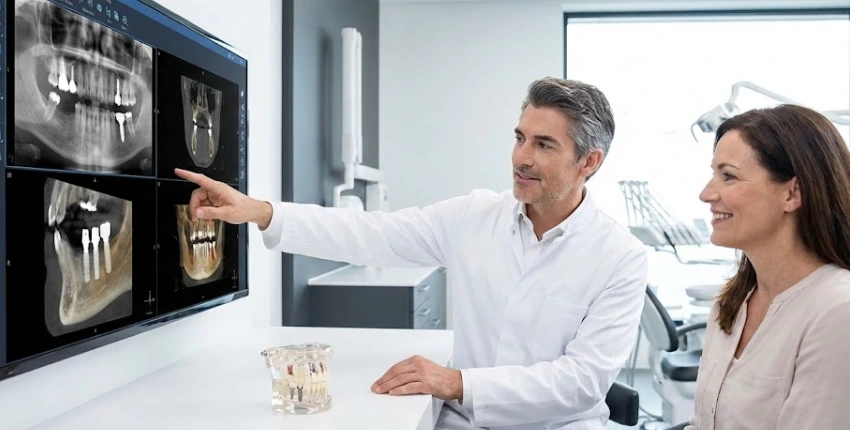
The frequency of checkups is determined by the biological phase of the implant’s integration and the complexity of the prosthetic loading. Dentist Polen Akkılıç and her team implement a multi-stage monitoring strategy:
- The Initial Healing Phase (Weeks 1–2): The primary focus is soft tissue adaptation and suture removal. During this period in Turkey, surgeons evaluate the surgical site for any signs of early inflammatory response or dehiscence.
- Osseointegration Assessment (Months 3–6): Before the definitive prosthetic loading, a radiographic assessment is mandatory. This checkup confirms that the titanium interface has achieved secondary stability within the alveolar bone.
- Post-Restorative Calibration (Month 1 after loading): Once the final crown or All-on-4 bridge is fitted, an occlusal adjustment session is performed at Lema Dental Clinic. This ensures that biting forces are distributed evenly, preventing mechanical stress on the implant neck.
- The Bi-Annual Standard (Every 6 Months): For long-term maintenance, a professional checkup every six months is the global gold standard. These sessions involve specialized biofilm removal (debridement) and the evaluation of peri-implant mucosal health.
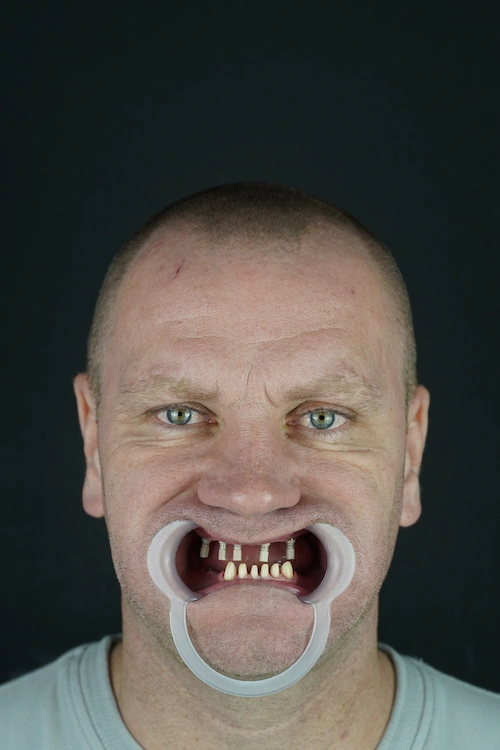
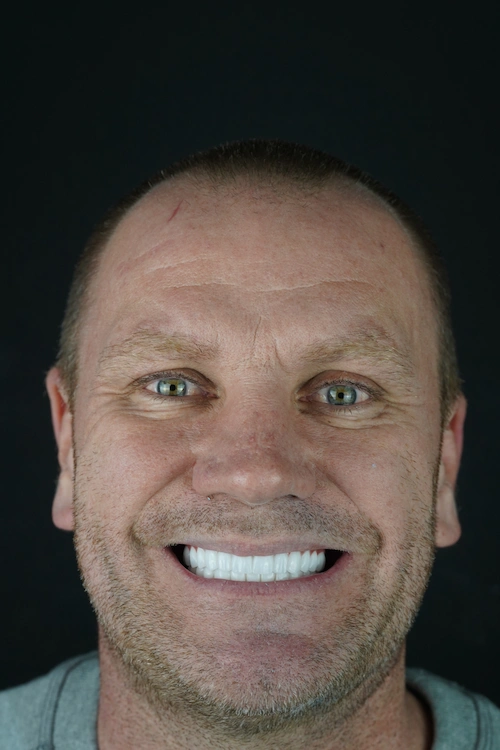
Clinical Variables and Diagnostic Precision
Modern follow-ups in Turkey utilize digital diagnostic tools to detect issues that are not visible to the naked eye. At Lema Dental Clinic, we prioritize the following during every bi-annual visit:
- Radiographic Comparison: Comparing current periapical x-rays with baseline images to monitor marginal bone levels.
- Peri-implant Probing: Assessing the depth of the sulcus around the implant to detect early signs of mucositis.
- Stability Testing: Utilizing resonance frequency analysis (RFA) if any mobility is suspected in the prosthetic components.
- Occlusal Tuning: Checking for “high spots” that may have developed due to the natural shifting of adjacent natural teeth.
Post-Implant Follow-Up Schedule Summary
| Timeframe | Clinical Focus | Primary Diagnostic Tool | Specialist Goal |
| First 14 Days | Soft Tissue Healing | Visual Inspection | Prevent Infection |
| 3 – 6 Months | Osseointegration | Intraoral Radiography | Confirm Stability |
| First Year | Loading Response | Occlusal Mapping | Mechanical Integrity |
| Ongoing (6-mo) | Maintenance | Professional Debridement | Longevity |
FAQ: Professional Guidance on Maintenance
Missing periodic evaluations increases the risk of undetected peri-implantitis. Professor Doctor Coşkun Yıldız explains that because implants lack nerve fibers, you may not feel an infection until significant bone loss has occurred. Regular visits to Lema Dental Clinic allow for early intervention.
Yes, provided they are experienced in implantology. However, Dentist Polen Akkılıç and her team recommend that at least the first annual checkup be performed at the original clinic in Turkey to ensure the initial restorative goals were met.
The frequency is generally the same, but the cleaning process is more complex. Lema Dental Clinic specialists may occasionally need to unscrew the bridge for a deep hygienic cleaning of the abutments, typically once every 12 to 18 months.
Not necessarily. Radiographic monitoring is usually performed annually or if clinical signs (like bleeding or swelling) suggest a change in bone levels. Specialists in Turkey follow the ALARA (As Low As Reasonably Achievable) principle for radiation safety.
Yes. Traditional metal scalers can scratch titanium. At Lema Dental Clinic, we use specialized carbon fiber or plastic instruments and ultrasonic devices designed specifically for dental implants to protect the surface integrity.
- Misch, C. E. (2007). Contemporary Implant Dentistry. Elsevier Health Sciences.
- Lang, N. P., & Berglundh, T. (2011). Peri-implant diseases: where are we now? Journal of Clinical Periodontology.
- Jepsen, S., et al. (2015). Primary prevention of peri-implantitis: Managing peri-implant mucositis. Journal of Clinical Periodontology.

