


Dental retainers are the devices that stabilize the teeth after orthodontic treatment, and they serve as the alignment defenders that are achieved through controlled tooth movement. Oral fibers take time to get used to the new position as teeth are still shifting naturally. Dentist Polen Akkılıç and her team at Lema Dental Clinic say that retainers help these fibers during the healing process and make the chances of relapse negligible. Stability is ensured through regular visits, especially during the first year when changes happen most frequently.
Professor Doctor Coşkun Yıldız emphasizes that due to functional habits, bone remodeling, and natural aging, tooth movement is possible even in adulthood. Dental retainers not only provide the right occlusion but also hold the new arch form in a stable and foreseeable way. Such a result is the basis of long-term comfort and oral health. The use of a well-planned retention program along with routine clinical visits at Lema Dental Clinic is the main factor behind the successful final orthodontic treatment outcome.
How Long Should You Wear Dental Retainers?
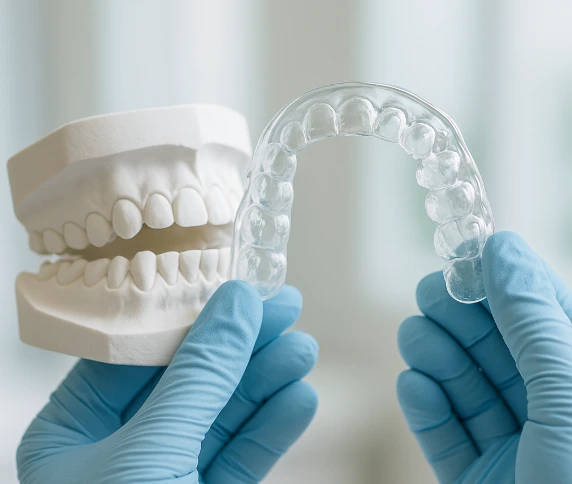
Typically, patients are required to wear dental retainers daily for the first couple of months after the completion of orthodontic treatment. The periodontal ligament and other structures stabilize due to this routine. Dentist Polen Akkılıç and her team at Lema Dental Clinic recommend that the retainer be worn full-time for at least six months, with the duration being dependent on the complexity of the case. A personalized plan makes alignment predictable while the mouth is adapting to new function.
After the initial stage, a majority of patients decide to use the appliance only during night hours. Long-term stabilization is achieved with the help of nighttime use that is kept for a few years while teeth are exposed to natural forces of function and aging. Professor Doctor Coşkun Yıldız shares the opinion that the best method of maintaining the corrected position is the lifetime use of the retainer worn at night, especially in adults. This step avoids unwanted relapse and, therefore, sets a maximum for orthodontic success, while Lema Dental Clinic keeps track of this through detailed evaluations.
Types of Dental Retainers
Each dental retainer is provided with its own set of benefits depending on the patient’s oral condition, age, and treatment history. Dentist Polen Akkılıç and her team at Lema Dental Clinic manufacture dental retainers that suit the patient’s occlusion and anatomy to increase stability. The right type of device guarantees comfort and good patient cooperation during the retention period. The decision for functional needs and long-term goals determines the selection.
According to Professor Doctor Coşkun Yıldız, fixed and removable retainers are both equipped with the function of stabilization after orthodontic treatment. Removable appliances make hygiene easier for patients, whereas fixed retainers offer continuous support. The decision is made based on the examination of the patient’s arch shape, crowding risk, and lifestyle. Personalized retention plans by Lema Dental Clinic are there to safeguard alignment throughout adulthood.
Comparison Table: Retainer Types and Features
| Retainer Type | Description | Best For | Maintenance Level |
|---|---|---|---|
| Fixed Retainer | A thin wire bonded behind teeth | Long-term stabilization | High hygiene care |
| Clear Removable Retainer | Transparent, custom-made aligner-style device | Patients wanting aesthetics | Moderate |
| Hawley Retainer | Acrylic base with metal wire | Durability and adjustability | Low |
Benefits of Wearing Retainers Long-Term
The use of a retainer in the long run results in the strengthening of tooth stability and the reduction of the relapse risk. Daily and nightly regimens are the means through which the arch form stays the same as the bone structure is remodeling around the new position. Dentist Polen Akkılıç and her team at Lema Dental Clinic perform precision imaging to identify each patient’s risk factors and to set the right schedule. Clear instructions are the tool through which patients keep up with the structured routine.
Furthermore, regular use of the device will also have a positive impact on the overall function of the mouth. Professor Doctor Coşkun Yıldız states that stable tooth alignment will enhance the chewing process, help to decrease the wearing of the enamel, and, in addition, will contribute to the health of the temporomandibular joint. Healthy teeth will allow the patient to have occlusion patterns that are predictable. Consistent retention at Lema Dental Clinic will result in a healthier, stronger, and more comfortable smile with the passage of time.
Key Benefits of Wearing Retainers
- Maintain tooth alignment
- Support bone and ligament healing
- Improve long-term bite function
- Lower risk of orthodontic relapse
- Enhance smile aesthetics
Proper Care for Dental Retainers
Good retainer care is the prevention of bacterial colonization and the conservation of oral hygiene during long-term use. Dentist Polen Akkılıç and her team at Lema Dental Clinic suggest that patients clean their retainers daily with gentle materials so as not to scratch or damage the structure. Patients are advised to rinse their retainers every time they remove them and keep them in containers that are clean and dry so as to minimize contamination. This ritual is the one that ensures that the oral environment is safe through the entire retention period.
Professor Doctor Coşkun Yıldız suggests that the fit, function, and hygiene of the retainer be checked through regular clinical appointments. Even small changes in alignment may influence the performance of the retainer, thus, frequent adjustments will provide better comfort and stability. By having a retainer cleaned and checked at Lema Dental Clinic, one can avoid problems related to the wear and tear of the device. Such regular maintenance is a guarantee of long-term results that can be predicted.
Frequently Asked Questions About Dental Retainers
Most patients wear retainers full-time for the first few months and nighttime afterward. Long-term nighttime wear offers the most stable results.
Yes, retainers protect the corrected alignment. They reduce the chance of teeth shifting back to their previous positions.
Retainers guide teeth into stable alignment only when used correctly. They prevent drift by supporting the periodontal ligament during healing.
Clean it daily with a non-abrasive cleanser and cool water. Regular cleaning maintains hygiene and prevents bacterial accumulation.
Patients remove removable retainers before eating. Fixed retainers require careful hygiene after meals.
Mild pressure may occur at first. This sensation usually decreases as tissues adapt.
With proper care, retainers last several years. Lema Dental Clinic evaluates wear during routine visits.
Teeth may shift over time. Consistent nighttime use prevents relapse.
References
- American Association of Orthodontists. (2022). Retention guidelines after orthodontic treatment. AAO Publications.
- Graber, L. W., Vanarsdall, R. L., & Vig, K. W. L. (2016). Orthodontics: Current principles and techniques (6th ed.). Elsevier.
- Proffit, W. R., Fields, H. W., & Larson, B. (2018). Contemporary orthodontics (6th ed.). Elsevier.
- Littlewood, S. J., Millett, D. T., Doubleday, B., Bearn, D. R., & Worthington, H. V. (2016). Retention procedures for stabilising tooth position after orthodontic treatment. Cochrane Database of Systematic Reviews, 1(2), CD002283.
- Zachrisson, B. U. (2015). Long-term stability of orthodontic treatment: Retention, relapse, and clinical implications. Journal of Clinical Orthodontics, 49(9), 563–578.

