


Removing the final set of molars, known as wisdom teeth, is a fairly frequent dental procedure that dentists perform on individuals for a variety of reasons such as keeping all the other teeth properly aligned and thereby avoiding all other potential discomfort that may be associated with the wisdom teeth, or the teeth will cause unnecessary discomfort to the patient or simply because the patients are certain that they are retaking these teeth because there is simply no more room in their mouths as there is no moreroom in their mouths.
The people at the Lema Dental Clinic frequently wonder how long they are expected to undergo the wisdom teeth surgery. In the same stratosphere as most surgical procedures, wisdom teeth surgery or removal may take an average of around twenty to sixty minutes, depending on several variables, such as the tooth position, if the tooth is impacted, the difficulty level of the surgery, and the number of teeth to be removed.
When one is aware of the whole surgical process of wisdom teeth removal and the average time it takes, it tends to reduce their anxiety levels since they become more prepared and knowledgeable about the procedure that one have to go through, and one’s recovery. Seeing the dentists at the Lema Dental Clinic with the knowledge of the specific factors that may influence the duration of the wisdom teeth removal process may render the planning of the patient
Number of Wisdom Teeth Being Removed
When you look at the period it takes for the entire surgery of wisdom tooth removal, one of the commonest factors that come into play is the number of wisdom teeth that will be removed at once. It is at times likely to take a much shorter time to remove a single wisdom tooth than it would have taken if more than one tooth were being removed at a time. A surgical extraction of all four wisdom teeth is a bit more complicated, in terms of time taken, as it would definitely be more involved and require more surgical effort in the process of removing them.
Complexity of Tooth Impaction
The period one has to undergo when having the removal of a wisdom tooth can be greatly affected by the type or difficulty of the wisdom tooth’s impaction. Of the different types of tooth impaction, the ones that are plunged very deep inside the jawbone are the hardest and most complicated cases since the dentist needs to spend more time, effort, and energy first exposing such teeth before they can finally remove them from their position. In contrast, fully erupted teeth are easily accessible and require very little energy for their removal, hence making the time needed to take out such teeth shorter than the time expected for the dentally impacted teeth.
Type of Anesthesia Used
The anesthesia applied during the operation not only has an impact on how long the surgery takes, but also on the length of time it takes for the patient to recover from the anesthesia. In cases where the local anesthesia is employed, this is a factor that tends to quicken the overall time of the surgery. Given that the patient is alert, he can respond to the surgeon in a very relaxed way without having to be anesthetized. General anesthesia involves the use of a number of protocols and has impacts on its own after the treatment, such as the continuation periods for the recovery period, thereby being a prerequisite for longer periods to be taken in the procedures.
Dentist vs. Oral Surgeon Procedure Times
Another component in the time estimate for the surgery is the dentist performing the surgery or the oral surgeon. The oral surgeons have added advantages of having undergone additional training that may lead to faster procedures, even in cases that are more complicated than normal, for example, removing the impacted wisdom teeth or other similar surgeries. On the other hand, if the dentist has previously treated the patient and has comprehensive knowledge of the patient and the jaw, the dentist may even consider removing the teeth faster with the help of such information. It is important for patients to discuss time expectations with the specific dentist or oral surgeon to determine the most accurate estimates for their situation.
Step-by-Step Breakdown of Wisdom Teeth Surgery Time
The removal of wisdom teeth is a complex procedure as well as a necessary one that requires a lot of preparation, and sometimes the person is overwhelmed by the thought of what is to come. However, most anxiety can be erased if one knows precisely the stage of the process to undergo as well as what the process is. Knowing the stages of the procedure helps to understand how long it will take and how to prepare for it, making one more organized.
Hence, it is essential to know the breakdown of the procedure, activities, and what will take place in each stage, as this will work wonders for a patient’s confidence and help them relax and appreciate the process. Adapted to the realities of medical practice, this planning serves to eliminate the trauma factors that lead to anxiety and to help the patients pass through the surgical process with a sense of control.
Pre-Surgery Preparation and Anesthesia Administration
There is a great deal of work to be done before the actual procedure is started, and it usually takes approximately 15-20 minutes. During this time, the dentist will perform the preparations, namely investigating the mouth, checking for medical conditions, making sure that everything is in order for the operating theater, and explaining to you the details of the surgery. Also, you will have a chance to ask any questions you may have and talk about the anesthesia type you prefer, which is measured according to the requirements of each patient. Symptoms and issues within preoperative preparation can affect the success of the operation and the levels of comfort that the patient will experience during and after the surgery.
Extraction Process for Fully Erupted Wisdom Teeth
From the medical reports longest wait period, fully erupted wisdom teeth extractions take 10-15 minutes per tooth, which is relatively reasonable. If they are completely exposed within your gums, this process has the fewest complications and can mostly be performed within the suggested time limit for everyone. A dentist will remove the tooth by first loosening the tooth within the socket and utilizing special tools to pull it out. Due to the overall length of this process, it can be concluded that the extraction is rather easy, pain-free, and can leave the patient with less discomfort. This procedure is always more manageable, less grievous, and even people who have typical concerns about tooth extraction might not experience so much negative feeling about this process and its duration in the cases of erupted wisdom teeth extraction.
Extraction Process for Impacted Wisdom Teeth
Compared to the removal of fully emergent wisdom teeth, the removal of impacted teeth might not only be more challenging, however, but this is also significantly longer, which includes 20-30 minutes per tooth as opposed to fewer minutes. An impacted tooth is a tooth that has not universal to the teeth above or to the sides of the jaws. For the dentist to gain access to the tooth and to have it removed, he might have to perform surgery, which could involve the incision being made in the gum or even the cutting away of the root. Incision type, which depends on the position of the tooth, wherein most cases, the bone surrounding it is first removed for it to be reached. Thus, the process itself is so complicated and time-consuming compared to the previous one. Overall,
Suturing and Post-Extraction Care
After the extraction of wisdom teeth, post-extraction and suturing are very essential for the proper healing of the areas that undergo this process. A professional with a valid training background will spend about 10 to 15 minutes after extraction to perform the necessary steps and make sure you are comfortable.
A standard OLE would preferably put some stitches (making sure that they are put in a great way) on your gum and provide some useful tips that will help you enjoy your recovery period. It is of great impact that the dentist is careful, applying the right techniques during the stitching procedure, and explaining the instructions thoroughly. These procedures will make an impact on the healing of the teeth, mouth, and gums.
Recovery Time After Wisdom Teeth Surgery
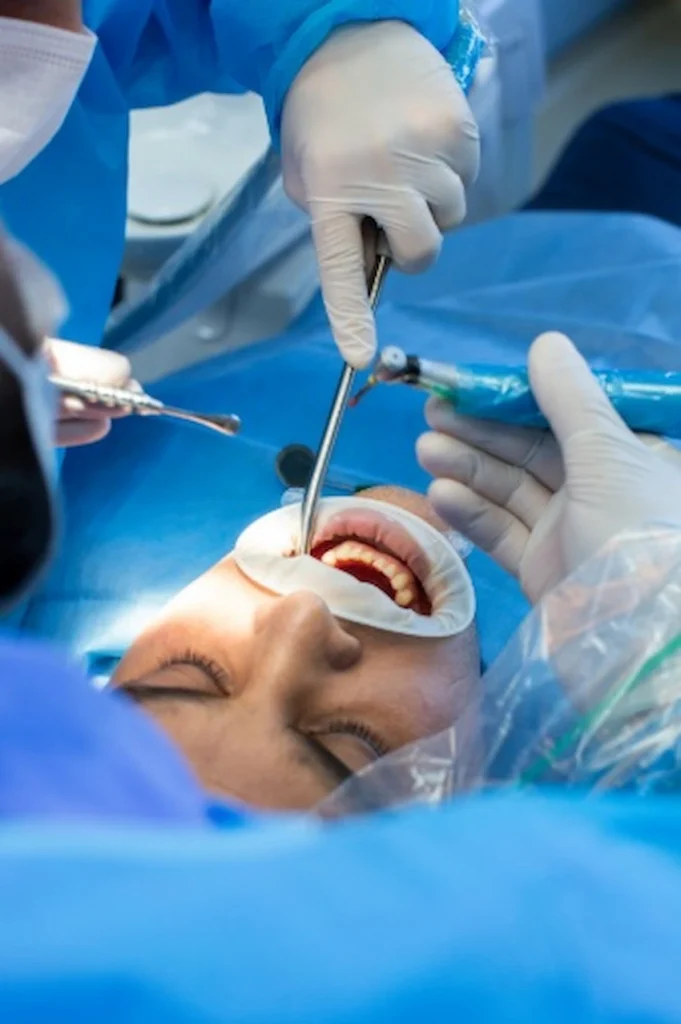
The wisdom teeth of human beings are known for not being properly aligned due to the little space available in the jaw to accommodate the extensive growth of wisdom teeth. The dental professional will suggest the patient undergo the extraction process to remove the wisdom teeth which are the cause of the crowding and to put the teeth back in a straight position. If left intact, the wisdom teeth can bring about a lot of problems. They grow further and put pressure on the other teeth and the gums nearby. That might result in some kind of damage such as misalignment, broken teeth, and dislocation of the sockets that hold the teeth in the jaw.
A situation where the wisdom tooth is below the gum line and is not fully erupted can result in a number of problems, such as pain or infection, if it is not properly diagnosed and treated on time. If, under the gum line, a piece of food is stuck, the risk of the germ and plaque attack is high, thus creating the basis of periodontitis, which would endanger the general dental health of the individual. This is why this strata of people reach a stage where they conclude that the only way of avoiding such troublesome occurrences is when they undergo tooth extraction, and when it comes to dental health, it is all about identifying the problems and preventing any potential damage. Therefore, dentistry is a proactively oriented domain as the patients are overprotective of their emergency visits.
Common Indications for Needing Wisdom Teeth Surgery
Realizing the conditions for dental surgeries on wisdom teeth is advantageous and can be a miracle for you later on, avoiding future preventable problems. The pain centered on the posterior part of the mouth, i.e., an aching mastication that is recurrent, close to chronic types, to illustrate, or the unpleasant sensation of a hot and taut swelling in the mouth resulting from the wisdom teeth are the signs to gauge the decision of the surgery.
Inability to open the mouth fully could be due to the misalignment of the jaws or the pinching of specific nerves. The foul smell released by these teeth is always there but it can be overpowering if the persons involved have poor hygiene, thus, they should see the dentist/hygienist for the necessary check and treatment. An issue with such traits as the presence of decay in the teeth can only mean that they have been negligent about their dental condition and this should raise the necessity for them to see the dentist/hygienist.
What Happens If You Don’t Remove Wisdom Teeth?
Refusing to get your wisdom teeth removed leads to life-threatening problems because the dental tissues undergo incremental damage without the elimination of the causes. The wisdom teeth that have not been extracted may become the site of infection formation, and these pathogens can ooze from their initial location not only to the jaw area but also to the rest of the head. In addition, other potential threats are that neighboring teeth to the pierced one will get crowded so much that they will become slack or even get rotten due to the pressure of the oversized wisdom teeth.
Formation of cysts is very likely to be the result of growth around the wisdom teeth, and it is not just a simple condition because it can break the bone tissue and stop the growth of the teeth. On the other hand, with this multitude of problems, it’s easy to deduce that whitening wisdom teeth can be one cause of unexpected mixing, shaping, and wearing among the similarly structured teeth in the dental arch over time when the idea of leaving them in this state still prevails.
The recovery period following wisdom tooth extraction varies depending on the patient’s age, health status, as well as other unique aspects. Despite this variation, most patients testify to the short recovery period obtainable within three to five days after the surgery, owing to the fact that they could start eating soft foods. Although it might take months before the gums fully recover or undergo any changes, as per doctors, the radicular bone takes about two to three months to fill in and heal. The dentist may provide the necessary instructions and prescriptions to be followed after tooth extraction, aimed at improving the recovery processes and reducing any potential pain that may arise from this process. Immediate Post-Surgery Effects
Patients in the first few moments following surgery are likely to feel some swelling as well as some pain along with light bleeding, though completely normal and therefore can be addressed through management such as administering medicine & applying cold compresses. Moreover, besides the effects of these conditions, the need for careful and thorough observation of reported symptoms through prompt consultations and attendance to follow-up appointments is regularly emphasized for the achievement of a smooth recovery as well as addressing any issues that may arise concerning the healing process. In these early days post-surgery, close cooperation with the medical personnel handling the surgery is critical, as they have the needed authority over the management regime that will promote the quick recovery of the patient.
How Long Does It Take to Fully Heal?
After the removal of the wisdom teeth, a patient needs to take a certain time to attain complete recovery that will generally last around 3 to 6 weeks; However, because of individual differences, surgery difficulties as well as certain health situations, it is good to know that patients can differ about their recovery periods. As a result, it is vital during this healing period to preserve DVDs and follow any other dietary restrictions and advice, as this will not only help relieve any discomfort but also hasten the process of recovery. In addition to this, it is crucial to frequently check on the condition of your oral cavity in the light of healing from an operation in order to make sure that all the regions are progressing healthily.
When Can You Resume Normal Activities?
In most cases, a patient who has undergone a surgical operation can look forward to returning to their usual level of physical activity within three to four days, but during this period, it is advisable that they avoid all kinds of outdoor strenuous exercise and heavy physical activities for at least one week post-operatively. This is because this period acts as a period of rest and recharging for the body and the organs in order to recover fully and completely from the “shock’ of the surgical procedure, and this correct restorative period prevents unnecessary complications and prolongation of the process of healing. In addition, patients should listen to their bodies during this time and adjust their daily activities accordingly, being careful not to overdo things, although the awareness of not forcing the body too much will make it possible to do just enough for the normal regeneration process.
During this period, healing is to be done by observation, and if the client feels ready to increase activity and start light exercises, then they should be done within the constraints of their capability. Meanwhile, to address restrictions on their activities that reside in the following way it is advised to consult with respect to the assistive methods of physiotherapy, rehabilitation exercises, and joint care after surgery, so as to obtain guidance on the best way to strengthen the muscles and reduce stiffness in the knee. Also, it should be stressed that the regular nature of the mentioned forms of exercises will not only re-enhance the individual’s mobility but also facilitate the right metabolic functioning in an individual, thus attainable even with increased weight or treatable conditions like peripheral edema.
Tips for a Speedier Recovery After Wisdom Teeth Removal
When you have wisdom teeth removed, it can be difficult to imagine that you will be back to normal any time soon, as dental surgeries are often quite extensive and recovery periods are necessarily long. Apart from coping with the pain from the extractions and the fact that you have to go on a broad-band soft diet for some time, there is also the fear that maybe there is very little that you can do towards getting back to your normal self anytime soon. However, it is possible to make the recovery process quite faster than most by following a few tips, some of which include managing pain effectively, eating the right foods, and avoiding certain activities; if done with care and attention, these will facilitate healing, limit complications and result in you getting back to normal sooner than later a time.
Managing Pain and Swelling With Efficiency
Under typical circumstances, a patient can look forward to getting back to their regular physical activities about three to four days after surgery however, it is crucial to emphasize that for at least a week following the operation the patient ought to try to avoid vigorous exercise as well as any heavy lifting or strenuous manual jobs as this is vital since it will give the body the necessary time to e.In such a case, surgical procedures usually lead to certain discomforts like pain and swelling, and in some cases, the swelling could be a little on the bearable side; effective management of such discomforts would hasten the recovery process.
One of the proven methods of managing these symptoms is cold compresses on the cheeks or jaw regions for the first twenty-four hours after surgery. This not only helps to relieve some aches but also helps to keep the area swelling and additional undesirable effects in check. In conjunction with cold compresses, the patient should use prescribed pain medications in the correct dosages and as directed by the dentist. Another rather essential point is that when lying down or sleeping, the head should be elevated to help reduce blood circulation to the surgical site and thus the potential for swelling.
Foods That Would Speed Up the Recovery
Nutrition is going to play a very important part in your recovery process after wisdom teeth removal. Diet after surgery should be made up entirely of soft, smooth, and easy-to-take foods that avoid causing any irritations to the wounds or are not likely to cause too much discomfort, while still providing sufficient nourishment and energy for the body to operate again efficiently. Some of the softest foods recommended for you include, but are not limited to, yogurt, applesauce, mashed potatoes, smoothies, and soups. Avoid foods that are hot, spicy, crunchy, or chewy within the first few days after surgery, along with foods that are small and could get stuck in the extraction sites, as these two definitely hinder the healing process.
What to Avoid While Recovering from Wisdom Teeth Removal
After undergoing wisdom tooth extraction, enabling the proper process of recovery is vital in ensuring that you can recover efficiently without any complications. To begin with, however, avoid smoking, as the act of inhaling cigarettes tends to irritate the healing tissues, thus leaving them vulnerable to infections or in a compromised state of recovery. Equally, also stay away from alcohol and any food products containing alcohol since they tend to further irritate the already inflamed tissues while at the same time increasing the probability of further issues arising during the healing process. The above pathway, accompanying the best behavior, would give you the much-needed help and assistance in having a successful recovery period and would have things returning to normal after the procedure with the least complications possible.
The safe and effective recovery from wisdom teeth extraction can help ease any pain and enable patients to resume their daily regimen and have desirable results. So, consume a healthy diet full of vitamins and fiber, take plenty of fluids, and if need be, use some cold compresses so that your mouth feels comfortable in the coming days. Seek counsel from pertinent parties or persons and follow phone consultations for collaborative work to perform the right thing as you would want it to.
FAQs About Wisdom Teeth Surgery Duration
Many patients undergoing wisdom teeth surgery often seek answers about how long the operation will take. It’s a fact of life that such queries are common. For a successful and positive outcome, it’s important for a patient undergoing the procedure to ask about these things to be informed about the procedure and to help reduce any worries. When such information is not available, patients may be left with a lot of unanswered questions, a few concerns, and the unknowns that loom ahead with the operation and recovery. One way to ease these tensions is to consult with the dentist and talk about the length of the intervention, the anesthesia that will be used
Yes, removing impacted wisdom teeth takes longer than extracting fully erupted ones due to their position beneath the gum or bone. The procedure can take 45 to 90 minutes per tooth and often requires surgical techniques to safely remove the tooth without damaging surrounding tissues.
Yes, wisdom teeth surgery can be done in one visit, especially if multiple teeth need removal. At Lema Dental Clinic, dentists often extract all four wisdom teeth in a single appointment to minimize recovery time and anesthesia use.
You should rest for at least 24 to 48 hours after wisdom teeth surgery to allow proper healing and reduce the risk of complications. Most patients can return to normal activities within 3 to 5 days, but full recovery may take up to 2 weeks, depending on the complexity of the extraction.
Wisdom teeth are not always healthy and often cause crowding, pain, infections, or damage to nearby teeth if there isn’t enough space in the mouth. Even if they erupt properly, they can be hard to clean, making them more prone to cavities and gum disease over time.
Common symptoms of a wisdom tooth coming in include pain or pressure at the back of the mouth, swollen or bleeding gums, jaw stiffness, and sometimes headaches or earaches. In some cases, impacted wisdom teeth may also cause bad breath, difficulty chewing, or signs of infection like pus or fever.
Recovery from wisdom tooth removal typically takes about 3 to 5 days for initial healing, with most discomfort subsiding during this time. However, full recovery of the surgical site can take up to 2 weeks, especially after the removal of impacted or multiple teeth.
Wisdom tooth surgery is generally not very painful during the procedure because local anesthesia or sedation is used to numb the area. After surgery, patients may experience mild to moderate pain, swelling, and jaw stiffness for a few days, which can be managed with prescribed or over-the-counter pain medication.
You can usually talk a few hours after wisdom teeth removal, once the anesthesia wears off. However, it’s best to limit speaking for the first 24 hours to avoid disturbing the blood clots and to support proper healing.
You can usually eat soft foods 4 to 6 hours after wisdom teeth removal, once the bleeding has stopped and the anesthesia has worn off. Stick to cold or lukewarm, non-chewy foods like yogurt, smoothies, and mashed potatoes for the first 24–48 hours to avoid irritation and promote healing.
Wisdom tooth extraction does not permanently change your face shape, but you may notice temporary swelling that makes your cheeks appear fuller during recovery. Once healing is complete, your facial structure will return to its normal appearance.

