


If you are thinking about how long do wisdom teeth take to grow, then you are not the only one. It is those times that have the most profound growth probably, the late teens, or early twenties, the last four teeth come, which are known as third molars or wisdom teeth. The process of growth and eruption, however, can be very different for each individual.
First of all, the development of the teeth of wisdom, in general, is a prolonged period of a few years. This normally happens between the ages of 17 and 21, although it is still possible that a person whose wisdom teeth do not appear until the late twenties or later. To be brief, the period of growing wisdom teeth can be influenced by a variety of factors including genetics, oral health, and jaw space.
The Stages of Wisdom Teeth Growth: How Long Do Wisdom Teeth Take to Grow?
If one wants to know how long do wisdom teeth take to grow, he/she should be familiar with the different stages of wisdom tooth growth. Wisdom teeth are not growing at once; it’s a slow but steady progression through the years.
- Formation (Ages 7-10): Developing the skills to figure out the right time and way to grow is what the wisdom teeth begin to do under the gums between the ages of 7 and 10. At this point, they’re still pretty small and growing within the jawbone.
- Eruption (Ages 17-21): How long do wisdom teeth take to grow? The next stage is about the teeth getting out of the jaws into the mouth. The majority of people have their wisdom teeth coming out during the period from 17 to 21 years of age, therefore it’s very rare to find a person whose wisdom teeth appear either much later or earlier.
- Fully Erupted (Ages 18-25): Period from the initial eruption to the time when the needed space to accommodate those teeth is achieved results in the complete growth of wisdom teeth. Usually it takes 1-3 years for the wisdom teeth to completely come out. In some cases, they may be left in a position where they are not fully erupted or even fail to come out at all.
How Long Do Wisdom Teeth Take to Grow and Erupt Completely?
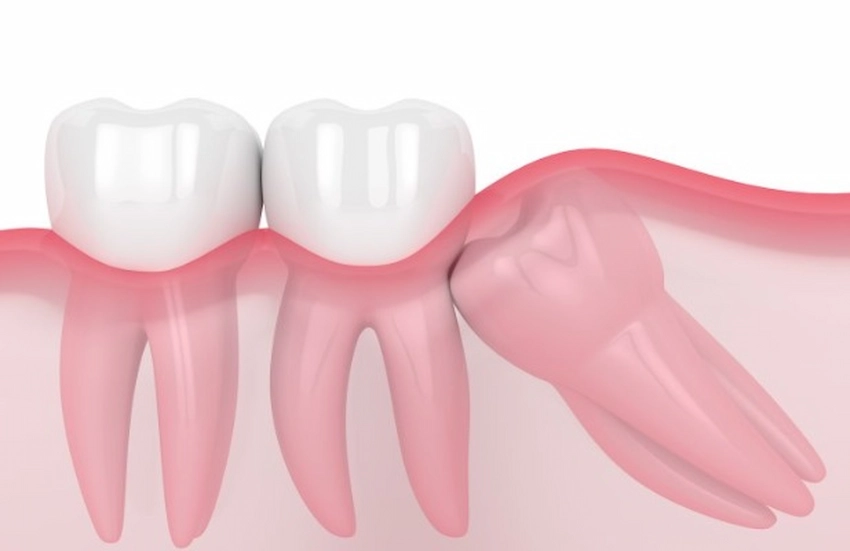
The duration for wisdom teeth to grow to the full extent is variable. If you want to know how long do wisdom teeth take to grow and erupt completely, it is usually 1 to 3 years after the first eruption. Nonetheless, there are situations in which the alveolar bone may obstruct the wisdom teeth, so they are only partly erupted or even totally impacted, accordingly they do not grow in a proper manner.
Moreover, the eruption process can be lengthy, sometimes three years or more, because wisdom teeth generally have to force their way through the gum tissue and, as a result, they may receive resistance from the nearby bone or soft tissue. If the space in your mouth is not sufficient to fit in these third molars, then they can be impacted, which in turn may cause their growth to be slower or become complicated.
Factors That Affect How Long Do Wisdom Teeth Take to Grow
How long do wisdom teeth take to grow? There are a few factors that have a strong impact on the length of the wisdom teeth’s growth:
- Genes: The family’s medical background is most important in this case to determine the age of your wisdom teeth eruption and how fast they will grow. Also, the characteristic of your parents’ wisdom teeth might affect your progress if they had problems or late eruptions.
- Mouth Volume: When there is enough room in your mouth for the wisdom teeth to come out, the eruption may take place at the right time. But if there is a shortage of space, the development of the teeth taking the wrong position becomes a possibility.
- Growth and Conditioning Effects: The health and the progress of the dental estimations of the patient can be the factors that influence the growth rate too. The nutrition of teeth and body, oral hygiene, and general bone health are the factors that affect the speed at which your wisdom teeth grow.
- Early Removal: If the dentist or orthodontist gets rid of the wisdom teeth before the eruption due to impaction, wrong position, or any other dental problems, the teeth will not be able to grow fully.
Hence, if we consider the question of how long do wisdom teeth take to grow, the answer might be your own growth and available space in the mouth.
What to Do While Waiting for Your Wisdom Teeth to Grow?

If you are waiting for your wisdom teeth growth and asking yourself how long do wisdom teeth take to grow, there are several things you can do to keep your mouth healthy:
- Live a healthy life with your mouth. Twice daily brushing and flossing regularly can keep your teeth and gums healthy while you wait for your wisdom teeth to erupt. The health of the area at the very back of your mouth where the wisdom teeth are located should be the main focus of your cleaning.
- Remain alert for any pain and discomfort. If there is pain, swelling, and tenderness in the back of your mouth, it could mean that your wisdom teeth are getting ready to break through. You should go to your dentist if you have these symptoms.
- Think about extraction if the case arises. If the wisdom teeth are the cause of problems such as impaction or misalignment, the dentist will probably advise removal before they get fully grown. It will help you to be one step ahead of the game and address potential problems by knowing how long do wisdom teeth take to grow.
FAQs About How Long Do Wisdom Teeth Take to Grow
Normally, wisdom teeth are allowed to grow and come out fully during the time of 1to3 years (with an exception of a few cases) and their whole digging is traced between 17 and 25 years of age.
Or, in certain situations, a person can get his or her wisdom teeth at a later stage of life, on time for your late 20s or 30s.
If your wisdom teeth never come out, it is possible that they may stay impacted, not causing any symptoms, or they could lead to your being in trouble.
Some of the symptoms that your wisdom teeth are developing are hurting, inflammation, and the feeling of softness in the back of your mouth.
Wisdom teeth can still come out in your 30s, but it is much less likely to happen. If they are not bothering you, then the removal may not be necessary.

