


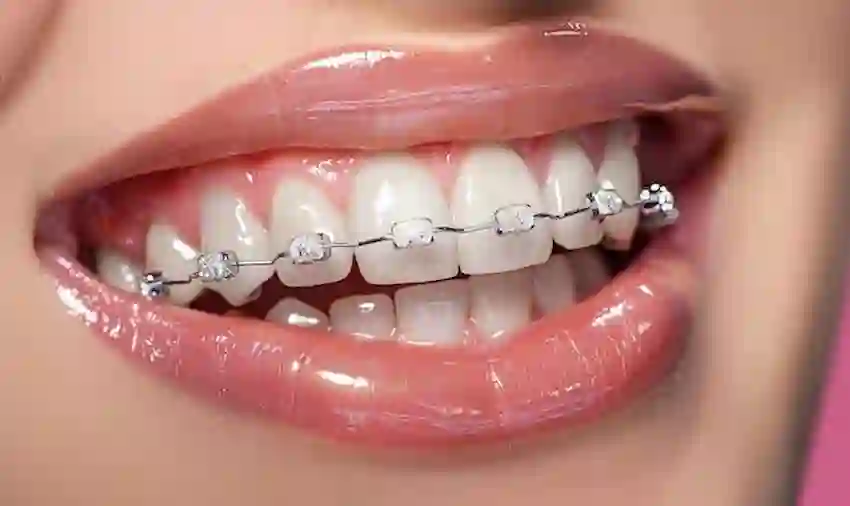
One of the most trusted types of orthodontic treatment in the modern dental field is braces. Braces not only realign teeth but also the entire oral system, i.e., teeth, gums, and jaws, are also brought back to harmony through a safe and well-controlled biological movement. Apart from an esthetic purpose, orthodontics also improves oral health and masticatory function, as well as facial symmetry.
Usually, most patients wear braces for 12 to 30 months, where factors such as age, bone density, and the degree of malocclusion have the most significant impact on length. The number of months to be worn also depends on the type of orthodontic appliance and the oral hygiene habits. As a result, they are the ones who get the treatment in a few months, but they do not get the complete dentition aligned. All these biological processes have the same underlying mechanism: bone remodeling is stimulated by the application of gentle orthodontic force, and the newly formed bone will hold the teeth in their correct position permanently.
The Science Behind Orthodontic Tooth Movement
Orthodontic biomechanics serve to illustrate the way in which braces change the position of the teeth within the alveolar bone. The relation of a tooth to the supportive bone is through a socket lined by the periodontal ligament (PDL), which connects the tooth root and the bone. The PDL has the ability to absorb shocks biologically and sense mechanical stress in the process.
Upon the application of force, the root side that is compressed and the one that is stretched.
- On the side where compression occurs, osteoclasts resorb bone tissue.
- On the tension side, osteoblasts deposit new bone.
This is the process of bone remodeling, which is a cellular adaptation in nature. It confirms that tooth movement remains biologically safe and long-lasting. To protect the enamel, the periodontal fibers, and the pulp tissue, orthodontists always control the amount of force used very carefully. The root resorption or bone loss can be a consequence of this rapid, uncontrolled movement thus, gradual progression remains the safest and most effective method.
How Long Do Braces Take to Straighten Teeth for Adults?
Adult orthodontics generally requires about two years, with a minimum of 1.5 and a maximum of 2.5 years. The bone density of the teeth is higher in adults, so the changes are slower. Foer, however, it’s the Neust bracket system and the heat-activated arch wire that have brought the revolution of the way fast and with accuracy the teeth are moved.
The objective of adult orthodontics is to maintain a person’s oral aesthetics as well as the functionality of the mouth. Ill-positioning teeth that are not treated will eventually lead to periodontitis, and the patient can also suffer from the wearing of the enamel or the pain in the temporomandibular joint. Braces are the ones returning the patient’s correct bite, as well as stopping these problems at their early stage.
The most common types of braces in adults are:
- The self-ligating braces are low on friction and hence, the time required for adjustments is smaller.
- The ceramic braces are used in less visible treatments.
- The clear aligners are suitable for mild to medium occlusions.
If an adult is strict with oral hygiene, never misses a visit, and follows the diet given by the orthodontist, the treatment will be faster and the progression will be predictable.
How Long Do Braces Take to Straighten Teeth for Kids?
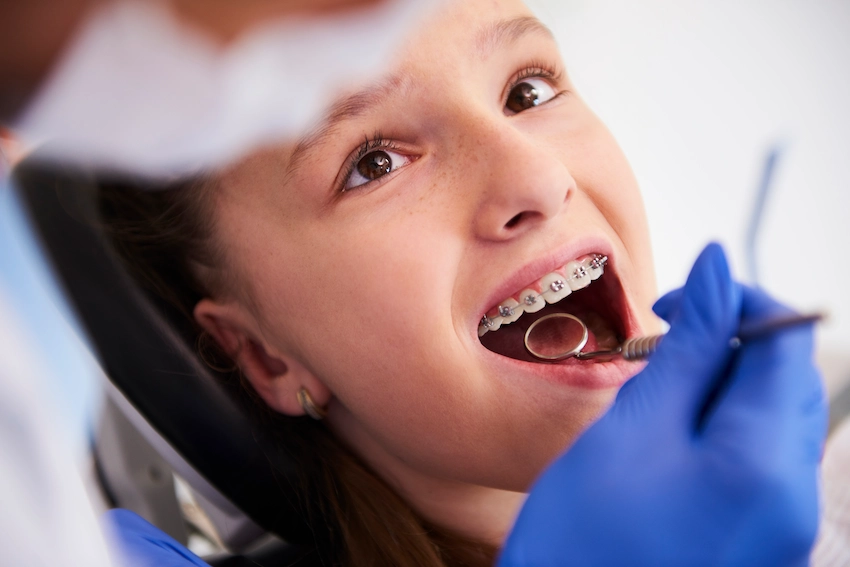
The orthodontic treatment of children is usually limited to 2 years. The jaw bones and other structures that support the teeth are more adaptable to the orthodontic forces during the period of growth. In order to direct the dentition of the jaws and stop the occurrence of malocclusion, pediatric orthodontists normally begin the treatment of interceptive orthodontics at the age of 7 to 11 years.
At first, the therapy can be used for growing the maxilla, correcting crossbites, and controlling the situation of the teeth when they are out. The above-mentioned therapies significantly work for the improvement of the airway, feeding, and the general condition of the mouth. The parents are the ones who have to support the daily routine of brushing, flossing, and dental clinic visits. Healthy gums and the right diet go a long way in correcting bone adaptation and in stopping the accumulation of dental plaque around the brackets.
How Long Do Braces Take to Straighten Teeth for Teens?
Normally, teens have to wear braces for 16 to 24 months. This timeframe signifies the combination of fully grown permanent teeth and active bone growth. Orthodontic tooth movement is faster because of the natural remodeling activity in adolescent bone.
Treatment goals include alignment, functional occlusion, and facial balance. To retain aesthetics and efficiency, orthodontists rely on contemporary systems—ceramic brackets, self-ligating braces, or digital clear aligners. Methods of treatment that involve patient cooperation are very important as well; that is wearing elastics, by which the patient will keep teeth clean and avoid consumption of sugary or sticky foods that will prevent prolongation of treatment and maintain periodontal health, etc.
How Long Do Braces Take to Straighten Crooked Teeth?
Thin bracket braces will be suitable for you if your teeth are mildly crooked. If the case is mild, the treatment can be finished within 6–12 months. In the case that teeth are of moderate crookedness, treatment should last from 12 to 24 months, depending on the situation. Severely crowded teeth may even require three years or more of orthodontic treatment.
Every adjustment must be considered as the beginning of light, continuous forces that will cause bone remodeling and tooth displacement. Orthodontists evaluate the progress through X-rays and clinically thus making root alignment stable in the alveolar bone. Besides, straightening the teeth gives the person easier plaque control, gum health improvement, and masticatory function enhancement. At the same time, solving the problem of crowding will also keep the periodontal pockets from occurring in that area and eliminate tooth wear in the future.
How Long Do Braces Take to Straighten Teeth with an Overbite?
The timeframe for overbite correction through braces depends on whether it is a deep overbite or a severe one. In deep overbite cases, the dentists usually take corrective measures within 18 to 30 months. The overbite correction procedure involves both the vertical and horizontal repositioning of teeth to finally reach balanced occlusion.
Orthodontists may resort to elastic bands, bite correctors, or functional appliances like the Forsus or the Herbst devices to correct a malocclusion. In children, these instruments direct the growth of the jaw, while in adults, they rearrange the dental alignment. Besides giving the patient the ability to chew properly, overbite correction will also show the patient a decrease in enamel wear and facial aesthetics, in terms of symmetry. The use of retainers is crucial in the stabilization of the final bite and also for the prevention of relapse.
How Long Do Braces Take to Straighten Front Teeth?

The front teeth are usually the first ones to show improvements. Because of their single roots and less bone coverage, they can adapt much faster. Minor spacing or rotation gets better in about 6 to 12 months, and total anterior alignment in 12 to 18 months.
Anterior alignment not only rejuvenates the appearance but also phonetics and oral comfort. Orthodontists assess that anterior and posterior occlusion are balanced, thus not causing any kind of trauma to the incisal edges. Just a few final adjustments made will give periodontal health stability that will last for a long time.
How Long Do Metal Braces Take to Straighten Teeth?
Even though metal braces have been around for a long time, they are still the most effective way to correct complex orthodontic cases. The desired outcome is generally achievable in 18 to 30 months. The stainless steel brackets and the nickel-titanium archwires work together to keep the continuous force going without any deformation occurring.
Metal braces allow the orthodontist to have very good control of the root angulation and torque, which are the two things that are most needed for the correction of severe malocclusions and skeletal discrepancies. The patient should come every four to six weeks for the regular appointments, which are very crucial for bone remodeling to be a very efficient and safe process. When combined with good oral hygiene and elastic wear, metal braces are capable of delivering excellent functional and esthetic results.
Clinical Overview: Orthodontic and Periodontal Considerations
Before starting the treatment with orthodontics for the malocclusion, a detailed general checkup of the patient’s oral health is required. The periodontist, a member of the orthodontic team, examines the patient’s periodontium, alveolar bone quality, enamel integrity, and occlusion pattern. Besides X-rays and digital impressions, the primary criterion standards for ensuring a safe movement of teeth are set.
Periodontal health at a high level is a prerequisite for a successful orthodontic treatment. Gingival inflammation and caries that have been left untreated cause the treatment to be prolonged as the patient’s therapy needs progress. Patients are given hygiene instructions, which include brushing, interdental cleaning, and fluoride application. Apart from this, the professional cleanings, which are done regularly, not only detach the plaque biofilm but also the calculus, which is the source of the gingiva and the bone metabolism.
In order to prevent the root resorption or bone loss, the orthodontic force should be applied within the biological limits. The clinic’s supervision carries out the assurance that the efficiency of the movement is thoroughly combined with the preservation of the tissues.
Oral Hygiene Maintenance During Braces
A top oral hygiene routine will be a strong preventive measure against enamel and gum problems in the course of orthodontic treatment. Thorough plaque control will minimize the risks of gingivitis, decalcification, and cavities.
Daily Care Routine:
- After every meal, brush your teeth with an orthodontic soft-bristle brush and fluoride toothpaste that suits you.
- Clean the area under wires with the help of interdental brushes or water flossers.
- Before all other purposes, take a fluoride or a chlorhexidine mouth rinse to be the source of bacteria control, and secondly, strengthen the enamel.
- Eat a well-balanced diet and avoid sticky or hard foods.
Professional Care:
- Every six months, make sure you have a cleaning and fluoride treatment done.
- Always go to the adjustment appointment that is scheduled for you in order to have your gums and enamel checked.
Good oral hygiene is essential to keep illnesses away. At the same time, it makes tooth movement quicker because it maintains tissues healthy and responsive to orthodontic forces.
Biological and Clinical Factors Affecting Treatment Time
- Age and Growth Stage: The teeth of the children get used to the new condition faster when the gums and bones are changed.
- Bone Density: While thick alveolar bone slows the initial movement of the tooth, it assures that the tooth is stable.
- Severity of Malocclusion: The more complex the skeletal discrepancies, the more work that will have to be done.
- Appliance Design: Just by using self-ligating braces and heat-activated wires, the process of movement becomes easier.
- Patient Compliance: Regular use of elastics and good oral hygiene are like a helping hand in shortening the total time.
- Periodontal Health: Healthy gums and bones will remodel under orthodontic force with more predictability.
Orthodontists will personalize the treatment plan to these factors in order to keep the tooth movement safe and biologically sustainable.
Cellular Mechanisms of Orthodontic Movemen
The cells that are found in the gums that surround and support teeth are the ones that have a biological reaction to the mechanical strain as a result of orthodontic repositioning. In this case, since the stress has changed the blood circulation in the ligament, the cellular one that is involved in the process of the osteoclast and osteoblast activation due to the provision of cytokines, prostaglandins, and growth factors. The process here is the bone resorption and deposition that are happening simultaneously.
The process is carried out step by step through three phases:
- The initial phase: the tooth movement into the ligament space.
- Lag phase: a temporary “holding” with bone remodeling just begun.
- Post-lag phase: the steady movement accompanied by new bone formation.
This cellular rhythm still goes on until the alignment is finished. The orthodontists, during each phase of treatment, change the forces in such a way as to keep alive the tissues and prevent root resorption.
Lifestyle and Compliance Factors
The patient’s behavior has a direct relationship with the success of the treatment. Smoking limits the gingival blood flow and healing is slower. A diet high in sugar increases the risk of caries. Not following the hygiene regimen results in gingivitis, which may become an obstacle to the bone remodeling process.
On the other hand, the patients who are compliant with the doctor’s instructions, i.e., those who do the tooth cleaning thoroughly, wear the elastics, and do not miss any of the visits, are completing the treatment quicker and with less number of complications. The daily cooperation with the doctor promotes the biological stability, and the risk after the removal of the braces is minimized.
Life with Braces: Adaptation and Comfort

The patient is usually only a bit sore for the first week of the treatment. The pain is an indication that the periodontal fibers and bone cells are getting ready. The use of orthodontic wax, soft diets, and warm saltwater rinsing relieves the patient.
Almost all patients become accustomed to it fast. Speaking becomes normal, and eating gets easier. If the pain or the wire irritation is going on for a long time, the orthodontist can help by making a tiny change to the instrument to give you back your comfort.
The Retention Phase
Retention is the last and forever phase of orthodontic care. Teeth after the removal of braces still need support while the alveolar bone is hardening. The orthodontist uses the fixed or the removable retainer to keep the alignment.
Patients must use retainers as instructed. If you do not have them, relapse can occur due to occlusal and muscular forces. Regular follow-ups check the condition of the gums and ensure that the retainer fits well. Proper maintenance of the retention will ensure the health of the mouth in the long term and the stability of the smile.
The Psychological and Functional Benefits of Braces
Orthodontic treatment is a major support to oral and psychological health. The correct positioning of the teeth will ensure that the forces are distributed evenly, the enamel is protected, and the periodontal area is not overstrained. At the same time, it is also easier to clean a set of straight teeth, and thus the risk of gingivitis and caries is lowered.
Moreover, braces bring comfort to the social life and the self-esteem of the person. Quite a few patients are in agreement that the use of braces has contributed to their better speech, symmetry of the face, and that they are content with how they look. These results are providing long-term motivation to continue oral hygiene practice of high quality.
Safe and Fast Orthodontic Treatment at Lema Dental Clinic
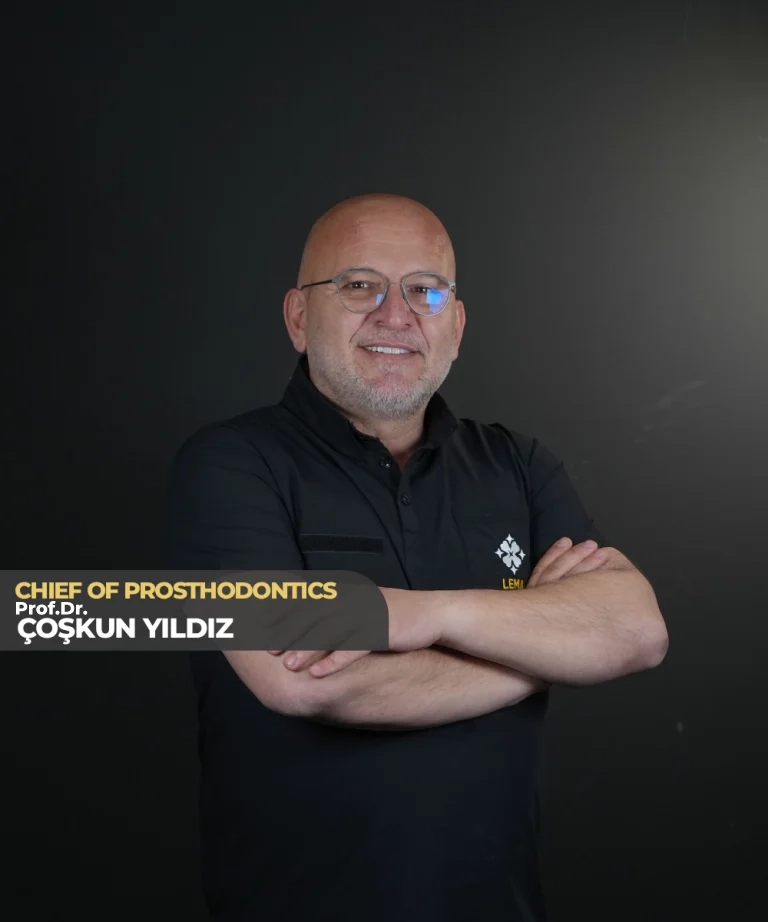
The orthodontic care at Lema Dental Clinic in Istanbul adheres to international dental safety standards. Every patient is given the treatment plan that suits them, which is determined by 3D imaging, cephalometric analysis, and full periodontal evaluation. The clinic marries the latest orthodontic technology with thorough biological monitoring to bring about the desired dental movements effectively and safely.
The orthodontic team is deeply concerned with the preservation of enamel, gingival health, and the application of force only in a controlled manner. The adjustments are done according to strict sterilization and hygiene protocols. Digital monitoring allows exact tracking of bone remodeling and root position.
Patients receive regular and continuous education about effective oral hygiene, the use of a retainer, and their dietary preferences. The method is a double assurance that the treatment is both safe—thus, safe for the oral tissues—and quick, which basically means the optimization of the biomechanics that do not cause biological compromise. The care concept of Lema Dental Clinic is a combination of science, skills, and individualized care to reach the goal of a smile that is stable, healthy, and naturally aligned.
References
American Association of Orthodontists. Patient Guide to Orthodontic Treatment. 2024.
National Institute of Dental and Craniofacial Research. Orthodontics: How Teeth Move. 2023.
Mayo Clinic. Braces: Purpose, Procedure, and Care. 2024.
American Dental Association. Clinical Guidelines for Oral Hygiene During Orthodontic Treatment. 2023.
British Orthodontic Society. Understanding Orthodontic Timelines and Retention. 2023.
European Journal of Orthodontics. Comparative Study on Tooth Movement Rates in Different Age Groups. 2022.
Journal of Periodontology. Interrelation Between Orthodontic Movement and Periodontal Health. 2023.
Journal of Dental Research. Bone Remodeling and Cellular Response in Orthodontic Tooth Movement. 2023.
Orthodontic Science and Practice. Predictors of Treatment Duration in Fixed Appliance Therapy. 2023.
International Journal of Orthodontics. Biomechanical Forces and Alveolar Bone Adaptation. 2024.
Frequently Asked Questions About Braces and Orthodontic Treatment
The time needed to correct crooked teeth depends on the amount of crowding, root position, and bone density. In most orthodontic cases, teeth straighten within 12 to 24 months. Mild spacing or overlapping may resolve sooner, while complex rotations or severe crowding require longer.
Lower teeth usually align faster than upper teeth because the mandibular bone is thinner, and the teeth have shorter roots. On average, bottom teeth align within 6 to 18 months.
Adult orthodontic treatment typically lasts 18 to 30 months. Tooth movement is slower in adults due to higher bone mineral density and less periodontal elasticity, but the outcomes are equally successful when managed with precision.
Metal braces are the most durable and efficient orthodontic system for complex cases. Treatment usually lasts 18 to 30 months, depending on the severity of the malocclusion.
Children often complete orthodontic treatment in 12 to 24 months, thanks to active jaw growth and flexible bone tissue. This natural adaptability makes tooth movement faster and safer.

