


Dental codes are necessary elements of dental practices, which help to simplify the systems of identification and tracking of the performed procedures, accompanying proper billing and file-keeping of the insurance claims. Among various dental codes, D4921 stands for a very specific unit of periodontal treatments, in particular, for the procedures relating to the elemental portion of the periodontium maintenance – the scaling and root planing. This article emphasizes the importance of dental code D4921, discusses the utilization of this code, and the significance of its accurate use in the dental industry.
What is D4921?
D4921 is the dental procedure code that specifically indicates the treatment of periodontal disease by means of scaling and root planing, as part of periodontal maintenance. The method is necessary to reverse gum disease as it involves a thorough cleaning under the gumline to get rid of the built-up plaque, tartar, and bacteria. It is a non-invasive way, which is aimed at keeping the gums and teeth in good condition, and, consequently, stopping the further development of periodontal disease. Usually, this treatment is for patients who have already gone through more complex periodontal procedures.
Scaling and root planing are the procedures during which the hard deposits and bacteria that cover the roots of the teeth are removed. The procedure not only gets the teeth clean but also makes the surfaces smooth to facilitate the reattachment of the gums to the teeth and thus, lower the likelihood of an infection. The treatment is necessary for patients with moderate or severe periodontitis to prevent tooth loss. Dr. Polen Akkılıç and her team at Lema Dental Clinic suggest this treatment as part of a comprehensive plan to achieve optimal dental health.
When is Dental Code D4921 Used?
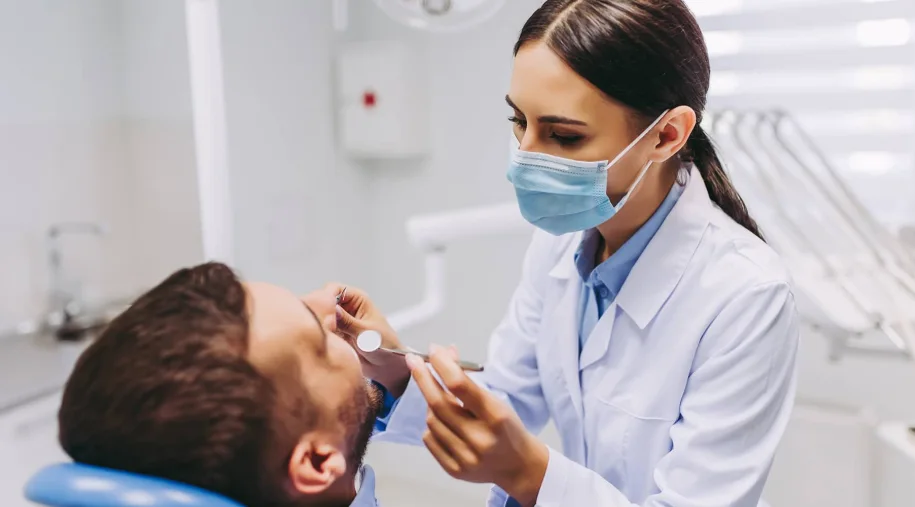
The dental code D4921 is indicated when scaling and root planing are performed for periodontal maintenance. This treatment is usually suggested for those patients who have been tested positive for periodontal disease and need constant care to regulate their condition. Infections or inflammations of the gums are prevented through maintenance visits where this code is frequently applied. Using D4921 regularly makes it possible to treat diseases such as periodontitis and gingivitis and thus, better overall gum health and no new complications can be experienced.
D4921 is very useful for patients who have already undergone periodontal treatment and now require periodic cleanings to maintain their gum health. It’s not a one-time event, rather a long-term maintenance plan. For people with chronic periodontal problems, the use of D4921 enables dentists to monitor gum health and ensure any underlying issues are addressed promptly and efficiently.
What are the Benefits of Using Dental Code D4921?
Probably, one of the main advantages that dental code D4921 has is the capacity to act as a foundation for periodontal health over a long period of time. The regular performance of this operation assures that any plaque or tartar that has been building up below the gumline is thoroughly taken off thus, bacterial infections and gum inflammations are prevented. The entire process is the main deterrent of the development of gum disease, which can lead to the loss of teeth, if ignored.
Another advantage is the improvement of gum reattachment and the subsequent regeneration of the tissue. Along with cleaning the teeth, scaling and root planing also do the very best work for the healing of the gum tissues thus, the attachment of the gums to the roots of the teeth is facilitated. The procedure done, gum health is improved, the gums look better, and, finally, the teeth become more stable. By employing dental code D4921 at an early stage, it becomes possible to avert a future necessity of more invasive dental treatments.
Warnings and Precautions About Dental Code D4921
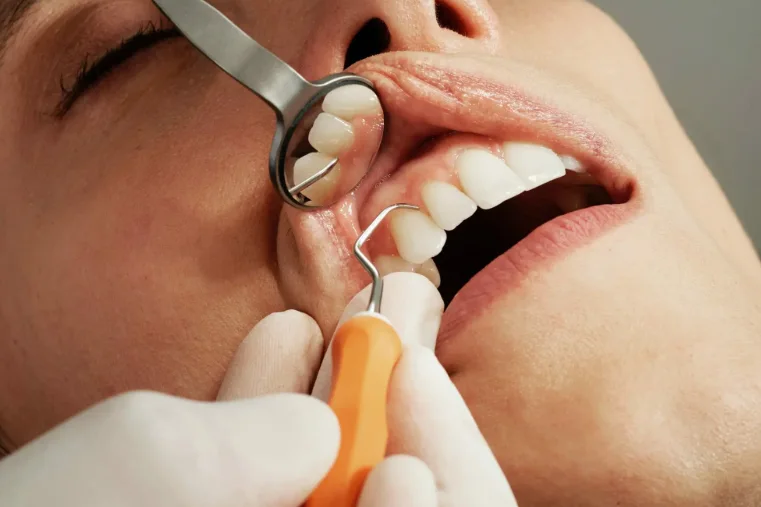
Although dental code D4921 is one of the most efficient and widely recognized correctives for periodontal ailments, it is still advisable to take a few cautionary measures. Among the precautions, the foremost one is that only a trained dental professional should be allowed to perform the procedure in order to eliminate indirectly the risk of injury to the gum tissues. Equally, the doctor should pay a close attention to whether a patient is really suitable for this procedure, given that, in certain medical conditions, a higher risk of complication may be seen.
People with diseases such as uncontrolled diabetes, bleeding disorders, or other serious health conditions, may need to take extra steps or change their treatment plan. In such instances, Dr. Polen Akkılıç and her team can suggest a more individualized method, or they can assist other doctors to make sure the patient is safe during the operation. Being sure that the treatment is done correctly is the key to getting the desired effects without additional problems.
When Should You Avoid Using D4921 and What Should You Use Instead?
D4921 ought to be avoided in scenarios where a patient’s health is severely compromised, thereby impeding the execution of the procedure, for instance, in cases of active infections, uncontrolled chronic conditions, or allergies to the materials commonly employed during the procedure. An alternative therapeutic scheme has to be figured out for these patients with contraindications.
Sometimes, doctors may decide that the best way to start is with less invasive treatments, such as antimicrobial therapy or antibiotics, in order to get the infection under control before carrying out scaling and root planing. Besides, for people who have very minimal problems with their gums, less severe treatments like regular cleanings might be more suitable. The decision of what treatment to take should be made together with the dentist.
| Category | Details |
|---|---|
| Procedure Code | D4921 |
| Procedure Name | Scaling and Root Planing for Periodontal Maintenance |
| Indications | Used for ongoing treatment of periodontal disease, particularly for patients in need of maintenance after initial therapy. |
| Benefits | Removes plaque and tartar from below the gumline, promotes gum healing, prevents progression of gum disease, and helps in gum reattachment. |
| Risks and Precautions | Should be avoided for patients with severe health conditions such as uncontrolled diabetes, bleeding disorders, or severe infections. |
| Frequency | Typically used every 3-6 months during follow-up visits, depending on the severity of gum disease and the patient’s overall oral health. |
| Alternatives | For patients with contraindications, antimicrobial treatments or alternative periodontal therapies may be considered. |
| Recovery Time | Recovery typically takes a few weeks, with most patients experiencing improvement in gum health within 1-2 months. |
| Insurance Coverage | Often covered by dental insurance as part of periodontal care, but coverage varies by plan. |
Case Study for D4921
A recent situation at Lema Dental Clinic involved a patient who after completing initial periodontal therapy was sent to the clinic for regular maintenance with D4921. The patient, a 45-year-old female, had been identified as having mild to moderate periodontitis and the condition was well-managed through scaling and root planing. Post-procedure, inflammation in her gums subsided and there were no infection signs further. Over a year, regular follow-up visits involving dental code D4921 played an instrumental role in her oral health care; periodontal disease was kept under control and the damage to her gums and teeth was arrested.
The example here is the periodic use of D4921 can serve as a powerful tool in managing and maintaining oral health over a long period. By adhering to a treatment plan that features scaling and root planing, users are guaranteed that their gums will stay fit and protected from infection, eventually resulting in a better life quality and less dental problems down the road.
References
- American Dental Association (ADA). (2020). The ADA Practical Guide to Dental Coding (7th ed.). American Dental Association.
- American Academy of Periodontology. (2019). Scaling and root planing: A key treatment for periodontal disease. Journal of Periodontology, 90(8), 837-845. https://doi.org/10.1002/JPER.19-0092
- Polen Akkılıç, D. (2021). Periodontal treatment and maintenance: Clinical practices and strategies. Lema Dental Clinic Publications.
- Yıldız, C. (2020). Periodontal disease management: Evidence-based guidelines for treatment and maintenance. Lema Dental Clinic Publications.
- U.S. National Library of Medicine. (2021). Scaling and root planing: Procedure, indications, and aftercare. MedlinePlus. https://www.medlineplus.gov
Frequently Asked Questions About Dental Code D4921: Benefits, Uses, and Considerations
D4921 is used for scaling and root planing procedures in periodontal maintenance, typically for patients with gum disease. It helps remove plaque and bacteria from beneath the gumline to promote healthy gums and teeth.
D4921 is used during maintenance visits for patients who have undergone prior periodontal treatment. It is indicated for the prevention of further gum disease and to maintain overall oral health.
The procedure can have risks, especially for patients with uncontrolled health conditions like diabetes or bleeding disorders. It is important to consult a dentist to ensure the procedure is appropriate for the patient’s health status.
D4921 is typically used during follow-up appointments, which are scheduled every three to six months depending on the severity of the patient’s gum disease. Regular use helps maintain optimal gum health and prevent periodontal disease from progressing.
The primary benefits include the removal of harmful plaque and tartar from beneath the gums, reducing infection risks. It also promotes the reattachment of gum tissues to the teeth, improving overall gum health and stability.
While D4921 is effective for most periodontal cases, it should be avoided for patients with certain health conditions like uncontrolled diabetes or severe gum disease. A dentist may recommend alternative treatments for such cases.
If you have severe gum disease, your dentist may recommend more intensive treatment before using D4921, such as surgery or antibiotics. A tailored approach will be discussed to ensure your health and safety.

