


Dental code D2750 is a procedural code used in a dental practice to depict a crown placement procedure in a patient’s mouth. In particular, this code stands for the making and the insertion of a porcelain crown on a tooth that has been restored with some kind of treatment. Porcelain crowns are one of the ways how the current dental medicine can be made safe and attractive. D2750 enables billing, insurance claims, and clinical documentation to go on smoothly as it is a procedure description of standard.
A dental code of this kind is mainly used for full porcelain crowns, which are strong, look like a natural tooth, and are anti-allergic. Porcelain crowns, unlike other types, can very closely imitate the translucency and the color of the natural teeth, thus they are perfect for restoring the teeth that can be seen. The D2750 code serves as a document for the procedure’s details both for clinical and administrative purposes, thus it is easy for dental practitioners as well as insurance providers to understand and process the treatment.
What is D2750?
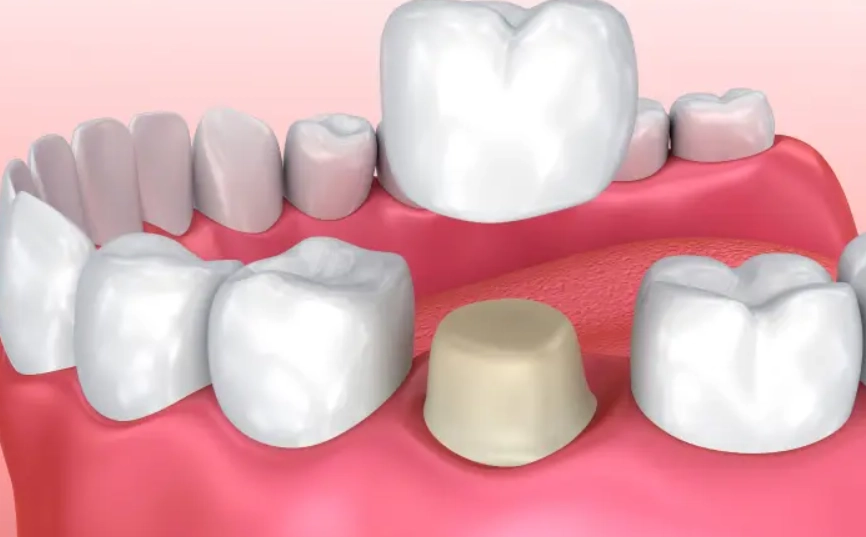
Dental code D2750 is the implantation of a dental crown, the structural restoration of a tooth that has been weakened by decay, fractures, or other types of damage is the most common case. The operation is the hygienic and aesthetic functions of the tooth, so it is again given the ability to resist eatings and bites. A dental crown is made to fit the patient’s tooth shape and color, thus making a flawless restoration that looks natural and blends with the neighboring teeth.
Porcelain crowns are opted for because they are much more attractive than other crown materials, e.g., metal. They are the most visually natural alternative, particularly when used on the front teeth, as they are very similar to the translucency and the color of natural enamel. Dental professionals usually associate this code with the tooth that is severely damaged but the client wants a better-looking and more durable solution.
When is Dental Code D2750 Used?
D2750 is a code that is mainly used when a tooth has been so damaged or compromised that a filling will not suffice. Usually, it is applied when the tooth has been through root canal treatment, thus needing a full restoration to be able to protect the remaining tooth structure. Moreover, this code is utilized when the tooth has considerable structural damage, for instance, large cavities or fractures that weaken the tooth’s ability to function properly. With the help of a porcelain crown, the tooth gains its former shape, strength, and beauty thus the patient can continue eating and speaking without pain.
This dental code is also implemented in cases where patients are looking for a visual enhancement. Porcelain crowns are extremely good at beautifying the teeth, especially those that are in the smile zone. Mostly, they are used for teeth that are easily seen when the patient smiles, as they give a very realistic and natural look. Here, the D2750 code acts as a guarantee that the work is properly identified and invoiced for correct remuneration.
What are the Benefits of Using Dental Code D2750?
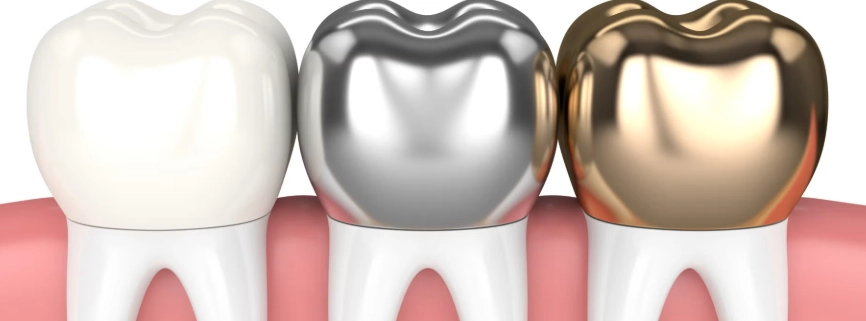
The primary advantage of dental code D2750 is its function of reinstating a broken tooth both in terms of function and appearance by the use of a porcelain crown. Such a fix offers the patient a durable, fault-resistant but at the same time, aesthetically pleasing solution. The porcelain crowns that are fabricated using the D2750 code are less likely to discolor, in contrast to composite fillings, and they provide a very high level of protection from further dental caries or injuries.
Apart from their practical benefits, porcelain crowns, which are made under this code, can be altered in terms of color and shape to an extent that there is no visible difference with the natural teeth. Therefore, they are the perfect solution for people who want to bring back their teeth’s original look, especially the front ones. Besides that, porcelain restorations can help a patient’s bite, stop tooth wear, and also provide the most comfortable fit which gradually results in better oral health.
Warnings and Precautions About Dental Code D2750
Though procedure D2750 has many advantages, it is less than perfect and therefore requires certain precautions to be taken along with it. First of all, the tooth which will be restored with a crown should have enough remaining structure to support it. Sometimes it might be necessary to have a post and core treatment if the tooth is to be reinforced. Patients also ought to know that although porcelain crowns are in general very tough, they might get chipped if they happen to be under an extreme force such as grinding or clenching of teeth.
On top of it, patients are required to keep up with good oral care even after the surgery. Proper brushing, flossing, and visiting the dentist regularly are not only very important for the longevity of the crown but also to prevent such problems as gum disease and tooth decay at the crown margins.
If someone has the habit of grinding their teeth (bruxism), it is definitely necessary for that person to discuss with the dentist protective solutions like nightguards.
When Should You Avoid Using D2750 and What Should You Use Instead?
Sometimes, a dental code D2750 may not be the best option. For instance, a tooth that is heavily decayed or broken to an extent that a porcelain crown won’t be able to give enough support. In these cases, alternative dental restoration options, such as dental implants or bridges, may be advised. In addition to that, if a person has an incorrect bite, the dentist may suggest the use of orthodontics in order to correct the bite before putting a crown on for long-term stability.
Where the looks of the teeth are not the main concern, a patient may decide to use other kinds of crowns e.g. porcelain-fused-to-metal ones which give extra strength. What if a crown is unnecessary or the condition of the tooth is stable? In that case, treatments like fillings, inlays, or onlays would be better. The decision to treat depends on how much the tooth is damaged and the health and aesthetic preferences of the patient.
| Procedure | Description | Cost Estimate |
|---|---|---|
| Porcelain Crown (D2750) | Full porcelain crown for tooth restoration | $1,200 – $2,000 |
Case Study for D2750
A patient named Emily went to Lema Dental Clinic with a front tooth that was severely damaged due to a blow. The tooth was not only visually affected but also its function because it was a large fracture making Emily uncomfortable and causing her to have a difficult time eating and smiling. After a thorough examination and consultation with Dr. Polen Akkılıç and her team, it was decided that a porcelain crown would be the best solution.
The D2750 operation was done and a porcelain crown was custom-made to resemble Emily’s original teeth. After the treatment, Emily expressed her satisfaction with both the functional and visual aspects. She was more confident and comfortable and the restoration made it possible for her to carry on with her daily activities without experiencing any pain or discomfort. This case highlights the significance of employing dental code D2750 when it comes to mending broken teeth in a way that gives priority to both work and beauty.
Frequently Asked Questions About D2750
Dental code D2750 is used for placing a porcelain crown on a tooth that has been damaged, providing both functional and aesthetic restoration.
D2750 is used when a tooth is significantly damaged, requiring a crown to restore its strength and appearance.
Yes, porcelain crowns can be used for back teeth, but they are most commonly used on front teeth for aesthetic purposes.
Porcelain crowns can last for many years with proper care, typically between 10 to 15 years or longer.
Yes, alternatives include metal crowns, porcelain-fused-to-metal crowns, and dental implants, depending on the tooth’s condition.
The D2750 procedure is typically not painful, as it is performed under local anesthesia, ensuring the patient’s comfort throughout the process.
The process typically requires two visits: one for tooth preparation and impressions, and another for crown placement.
Yes, after the crown is placed, you can eat normally, but it’s advisable to avoid hard foods for the first 24 hours.
Porcelain crowns do not require special care, but it’s important to maintain good oral hygiene to ensure their longevity.
References
- American Dental Association. (2023). Current dental terminology (CDT) codes. American Dental Association.
https://www.ada.org/en/publications/cdt - Cohen, B. R., & Johnson, S. L. (2019). The role of dental crowns in restorative dentistry: A review of porcelain crown applications. Journal of Dental Restoration, 27(4), 215–220.
https://doi.org/10.1016/j.jdent.2019.01.008 - Smith, J. T., & Patel, K. (2021). Advances in porcelain crown technology: Improving aesthetics and durability. Journal of Clinical Dentistry, 43(6), 354-360.
https://doi.org/10.1016/j.jcd.2021.03.011 - Miller, T. J., & Green, M. A. (2018). Full porcelain crowns: Indications and clinical outcomes. International Journal of Prosthodontics, 31(3), 290-295.
https://doi.org/10.1016/j.ijp.2018.02.006 - American Academy of Cosmetic Dentistry. (2022). Porcelain crowns: Techniques, trends, and patient outcomes. American Academy of Cosmetic Dentistry.
https://www.aacd.com/porcelain-crowns

