Bulimia nervosa is an eating disorder that is quite severe, affecting not only food but also the physical and mental aspects of the person and especially the oral part. One of the most visible and detrimental manifestations of the disorder according to dentists is the so-called bulimia teeth. The term refers to the direct cause of dental damage from the exposure of stomach acid due to vomiting. This article will examine in detail the bulimia teeth phenomena as well as their identification and the ways of dealing with them productively.
Oftentimes, people with bulimia suffer because they feel ashamed of their oral health, as they do not even realize that the condition of their bulimic teeth is a characteristic symptom. To detect the signs early and get help from both a dentist and a medical professional can be a huge step towards complete recovery.
Some Bulimia Teeth Signs and Symptoms to Watch for
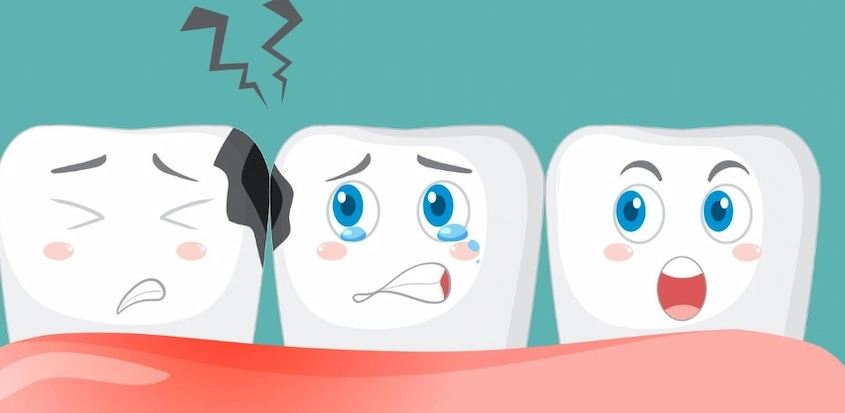
Although not everyone who suffers from bulimia nervosa has the same degree of dental complications, it is generally accepted that there are certain signs that can be used to recognize the disorder. Adopting a healthy lifestyle and taking proper care of the bulimia teeth can go a long way in bright:
- The loss of enamel in the inner surfaces of the upper front teeth—frequently the part where the acid gets to the enamel first is affected.
- Pain of teeth due to the ingestion of hot, cold, or sweet foods and drinks.
- Cracks or chips in the teeth, particularly molars and the borders of the front teeth.
- Dry mouth and frequent bad breath ensuing from the less saliva production due to dehydration.
Bulimia teeth can also involve the gums. Swollen, red, or bleeding gums often go hand in hand with the damage to the teeth. If you or someone you know is battling bulimia, it is essential to know that bulimia teeth are far from being merely a cosmetic problem—they can be a symptom of more complex system issues.
Can You Repair Bulimia Teeth?
Of course, fixing bulimic teeth is not something beyond reach, but it does involve the patient learning to read and work with his teeth as well as undergoing psychological treatment. A long recovery journey starts with understanding the effects of bulimia on the teeth and what is needed to undo them to remove the cause of the problem completely, not only the symptoms.
This entails using a variety of techniques and strategies that pull off different aspects of a human being’s psyche to make him overcome the disease eating away at him. Bulimia teeth can become decayed and damaged in many ways when consuming emetic drugs, thus proper patients’ education is required to sometimes block changes before they have even begun.
Step 1: Stabilize the Condition
Correcting teeth damaged by bulimia will only succeed if the disorder’s symptoms are under control. If individuals continue with these methods and seek dental treatment, it will be in vain since the newly repaired teeth will continue to be damaged. Co-relation of mental health care and treatment of bulimia is essential for breaking the cycle that leads to bulimia teeth’s destruction.
Step 2: Strengthen and Protect
The first thing that doctors do is to protect whatever is still viable. With such procedures as fluoride treatments, desensitizing pastes, and custom night guards, dentists can help avoid further damage and fortify the strength of the patients’ teeth to be treated. These treatments can help individuals with bulimia teeth to stop any further deterioration and keep what is left of the damaged teeth.
Step 3: Cosmetic and Functional Restoration
- A dazzling option that can be presented by dentists while restoring the smile of a bulimia victim is using porcelain veneers. These simple shells can be bent to form and fixed to the teeth in the front making them look and feel fine as new and thus benefiting the patient’s mental health as they can smile again with confidence.
- Dental crowns and bonding are useful techniques that can be used to rebuild the molars clenched with bulimia and prevent them from breaking further at the gum level. These techniques can help in the preservation of the molars’ original beauty as well as strength. Consequently, if the elusive wall is restored, the molars will be secluded to comfortably chew food well without any problems or re-shattering.
- Correcting bulimia teeth is also more on trying to make certain therapies for the gums as they’re part and parcel of the overall picture. The journey may begin with the potential admit to making more deformities, for instance, through a simple cleaning or more aggressive sorts of ‘scaling and root planing.
Why Bulimia Teeth Need Immediate Attention?
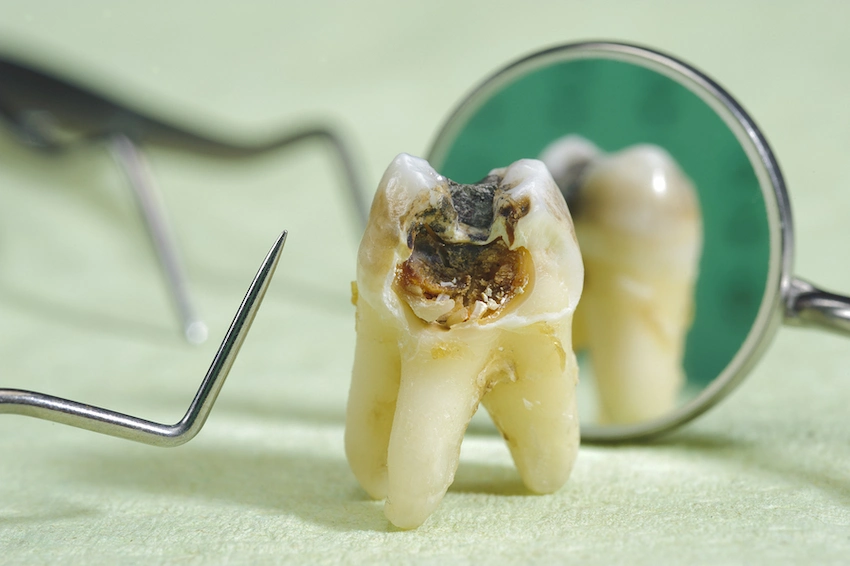
The longer bulimia persists, the worse the condition of the bulimia teeth. If treatment applies at the right time, the only necessary work might be tooth polishing, while the delayed start of the therapy may result in full rehabilitation. It’s wise not to let the destruction become permanent—doctors know bulimia teeth symptoms and can eliminate the problem without any bias.
In case you can’t find the courage to seek help because of your embarrassment or fear, you must realize that you’re not the only one who feels that way. Many individuals recover from bulimia and proceed to gain back a clean bill of mental health and also rekindle smiles. You can always find the right team, that is, people who will make you believe that it’s still possible to gain back your confidence with dignity and care and also address bulimia teeth problems successfully.
FAQ: Frequently Asked Questions About Bulimia Teeth
Bulimia teeth are the dental symptoms that flow from bulimia nervosa, being the results of frequent vomiting, like enamel erosion, increased sensitivity, discoloration, and decomposition.
Whitening may not be a safe process for people with eroded enamel. Replacing the disfigured enamel layer is the solution mostly used for bulimia teeth that improves their appearance.
Teeth damage from bulimia may show in as short a time as a few weeks of regular purging. At the beginning, the signs can be a little sensitivity and some enamel loss.
Indeed, seasoned dentists frequently pinpoint bulimia teeth in regular checkups and possibly suggest that the patients seek the help of a mental health professional for further treatment.
Given a suitable treatment, many bulimia teeth could be recovered and made to work both as before, and also look as pretty as a picture with such new advances in medicine as veneers, crowns, and remineralization.