


Fluorosis teeth is one of the most common dental diseases caused by an elevated intake of fluoride during the formation of teeth. Mostly it is connected to children at the time of permanent teeth formation, however, the alterations can still be visible throughout life.
Fluorosis offers data to parents, patients, and dentists that help them to make the right choices regarding oral care and the quantity of fluoride to be used.
Fluorosis teeth could be mild such as spotty white discoloration of enamel or severe cases as enamel with brown stains and surface irregularities. By researching fluorosis teeth, communities get familiar with ways of prevention, therapy options, and the route of fluoride storage in the body for a long time.
What Are Fluorosis Teeth?
Fluorosis teeth is a condition in which imprudent consumption of fluoride by children during their teeth developing period is the cause. The process of enamel, which is the outermost layer of teeth, getting damaged, and at the same time discoloring and getting their texture changed is fluorosis.
Moreover, one of the features of fluorosis teeth is that it does not cause cavities, but in case esthetics is the concern it can make teeth look less attractive.
The severity of fluorosis varies with the amount and time of fluoride exposure. The light form may almost not be visible, while heavy ones may cause the brown discolorations, little pits, and rough enamel patches.
Therefore, detecting the signs of dental fluorosis can be a great help for parents in monitoring the dental health of their kids and, if a situation has occurred, seeking the opinion of a doctor.
Causes of Fluorosis Teeth

The most significant contributor to fluorosis teeth is the overconsumption of fluoride, especially in the first few years of life. Some of the typical sources are:
- Water that we drink but contains a high level of fluoride
- Incorrect use of fluoride supplements
- Routinely swallowing fluoride toothpaste
- Overuse of fluoride-containing mouth rinses
If kids take more fluoride than what is advised, the development of their enamel will be off, and as a result, they will have fluorosis teeth. It is of great importance to have a fluoride intake that is well balanced to avoid the occurrence of both cavities and fluorosis.
Types of Fluorosis Teeth
Dentists categorize fluorosis teeth depending on the degree of the disease:
- Mild Fluorosis: The enamel is covered with very light white lines or spots. This is usually not quite visible.
- Moderate Fluorosis: The white streaks or the cloudy areas become more noticeable.
- Severe Fluorosis: The rough enamel and pitting along with brown stains are the most common. The severe fluorosis teeth may influence the general form as well as the force of the teeth.
For a person as well as the dentist, a fluorosis teeth diagram may be very useful in detecting the kind and degree of the problem, thus ensuring the right treatment to be administered.
Symptoms of Fluorosis Teeth
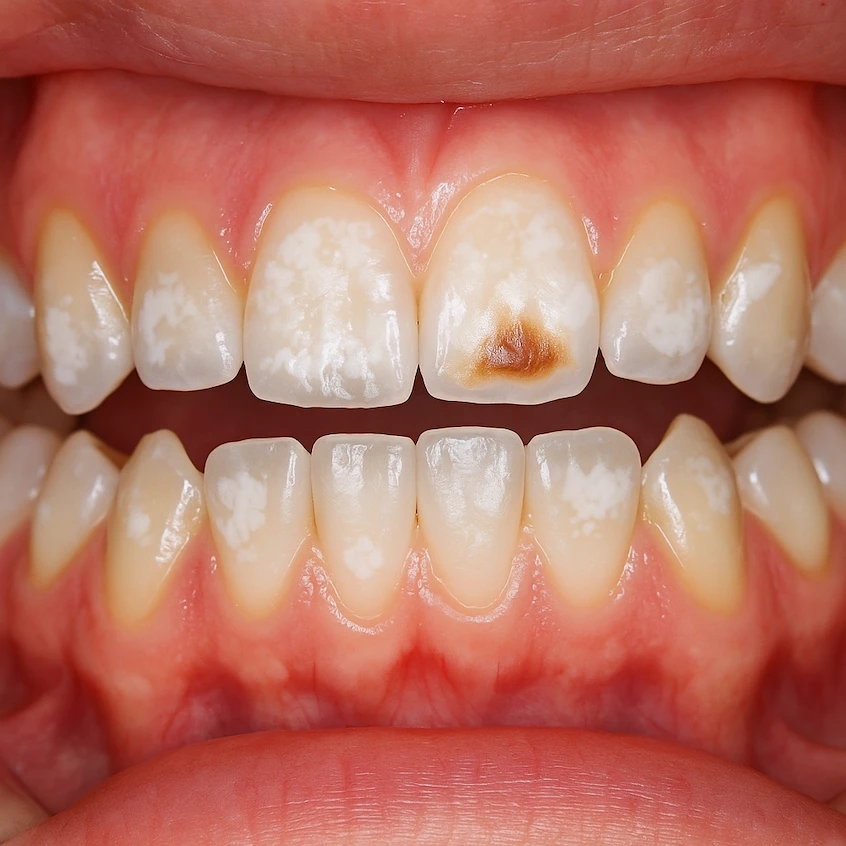
Early detection of fluorosis teeth can make the treatment of the disease easier. The most common symptoms are the following:
- White streaks or dots on the teeth
- Severe cases may reveal brown discoloration
- The enamel may be rough or pitted
- Those severely affected may be at the risk of the tooth getting chipped due to the enamel that is worn out
Nonetheless, fluorosis teeth rarely cause pain or decay, the cosmetic effects along with self-confidence issues arising from especially the front teeth that are usually exposed might be a problem.
How to Prevent Fluorosis?
Fluorosis teeth will be best treated through prevention. The actions are:
- Controlling or measuring the amount of fluoride present in the water supply
- Brushing with fluoride toothpaste proper for the age of the child
- Not taking fluoride supplements unless a dentist prescribes so
- Giving kids the habit of spitting out toothpaste rather than swallowing it
Controlling the amount of fluoride absorbed from the time of the first tooth until the teenage years has the advantage of the dentin being resistant to decay and at the same time, dental fluorosis risk is kept at a minimum level.
Treatment Options for Fluorosis Teeth
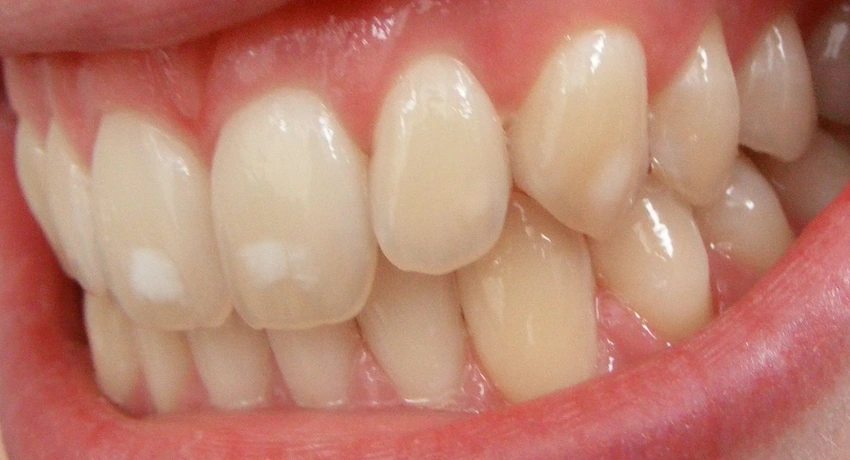
The treatment of fluorosis teeth changes according to the gravity of the condition:
- Mild Fluorosis: Normally, no intervention is required; dentists may polish or bleach the teeth to give them a better appearance.
- Moderate Fluorosis: The use of cosmetic procedures like microabrasion or professional bleaching might help to make the teeth better.
- Severe Fluorosis: Besides restoring the beauty of the teeth, veneers, crowns, or bonding will most probably be used for the function of teeth as well.
To achieve the best outcome in your case, you should rely on the expertise of a dentist. This is a combination of the aesthetics’ enhancement and the maintenance of enamel which is a fluorosis treatment balance.
Can Fluorosis Teeth Affect Oral Health?
Many individuals wonder if those who are suffering from fluorosis have to face any problems apart from the visible color changes in the teeth. According to the dental practitioners, the mild and moderate fluorosis is not capable of making the teeth weak or causing cavities.
But the very serious fluorosis can lead to the deterioration of the enamel’s surface causing it to wear down or chip away ultimately resulting in a yellowish stain on the tooth. Therefore it is important for people to have regular dental checkups so that other oral problems like tooth decay are detected quickly and treated promptly.
Frequently Asked Questions About Fluorosis Teeth
Mild fluorosis teeth may be treated to some extent with whitening that is performed by a professional or microabrasion, but the disorder cannot be reverted back to normal.
Fluorosis is a condition that leads to the formation of teeth defects due to the intake of an excessive amount of fluoride during infancy, the stage when teeth are developing.
Fluoride overexposure is the cause of fluorosis, not a lack of vitamins. Even if the body is nourished in the right way, one cannot still be protected from fluorosis when the intake of fluoride is too high.
Toothpaste containing mild abrasive, low-fluoride or remineralizing agents should be used for teeth affected by fluorosis. Do not use a powerful whitening toothpaste that can deteriorate the enamel further.
No, fluorosis does not strengthen teeth; it changes the enamel’s color and texture and can even raise the enamel’s brittleness. Affected teeth should be safeguarded with good dental care.
References:
Centers for Disease Control and Prevention. (2021). Community water fluoridation and dental fluorosis.
American Dental Association. (2022). Dental fluorosis.
Mayo Clinic. (2022). Dental fluorosis: Causes, symptoms, and treatment. Retrieved from https://www.mayoclinic.org
WebMD. (2021). Fluorosis in children: Understanding the condition. Retrieved fromhttps://www.webmd.com/oral-health

