


When you’re trying to replace your missing teeth it has been through so many things that actually worked the very best for these situations as dental implants, however, there are other ways. While it is a nice solution, it may not be the best solution for every person. In case of people who are not suitable for surgical work due to the reasons known as bone density, the state of health, the state of finances, or other aspects it is important to have some options that can be used to enhance their health and appearance.
In this blog post, we will discuss several alternatives to dental implants to consider for your oral health with the proper knowledge about them. At Lema Dental Clinic we want to ensure that all our patients get the treatment that will serve on the basis of their individual conditions and needs.
What Are the Alternatives to Dental Implants?
When a person has to decide on a certain method of replacing a tooth, it is a very significant process taking into consideration that one should choose the right option keeping in mind the overall oral health of the person and, as a result, ensuring the well-being that comes with it as well as restoring a person’s appearance and self-worth.
That is an outline of the most popular and widely used techniques that individuals can select as an alternative to dental implants, which should be focused on improving the quality of the content described above so that more and more people are aware of these methods and can plan to go for any of them when they do not need to use dental implants.
Dental Bridges
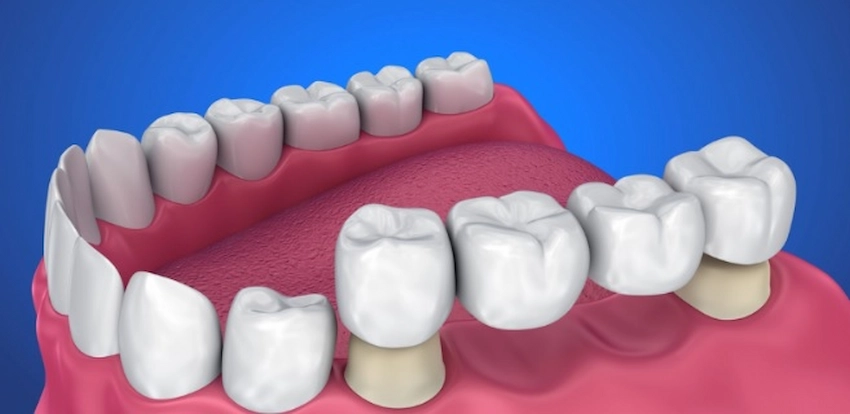
Dental bridge is not a term that many would use as a colloquial term, rather dental newspapers’ term dental bridge refers to the false teeth based on adjacent supportive ones which are already there. You can increase the number of lost teeth — this can be the process of loss of several teeth of the neighboring jaw or mandible. These are quite useful due to their cost-effectiveness and ease of installation but you should be careful with them. After all, they are much dependent upon the condition of the mouth and the concern of the other jaws.
Dental bridges are usually made up by the amount of one or several artificial teeth called pontics, for example, a dental bridge may include one pontic to fill the space of one missing tooth and two crowns for the natural teeth to hold the bridge like a correct supporting structure. Color and shape of new teeth can be matched with the previous ones thus making it look like natural dentition.
Benefits of Dental Bridges
- Cost-Effective: Dental Bridges require a lesser amount of money when compared to dental implants thus it is a feasible option for most patients.
- Quick Procedure: The treatments required to have dental bridges done are easier, less complicated and require fewer visits when compared to those for dental implants.
- No Surgery Required: It’s important to note that dental bridges do not have to have the invasiveness associated with dental implants because they do not need to be implanted in one’s jaw bone.
However, dental bridges may be a good option for some as there are certain conditions that one must have in place. The teeth on either side need to not only be strong but also healthy in order to hold the crowns for the long term. Moreover, as compared to dental implants, bridges cannot prevent the further loss of the bone in the jaws and this is a very important factor to consider. Further, patients need to have an understanding of what the process entails as far as taking care and keeping the dental bridges clean goes so as to ensure the dental bridges stay in place for a long time and continue serving their purposes as expected.
Dentures
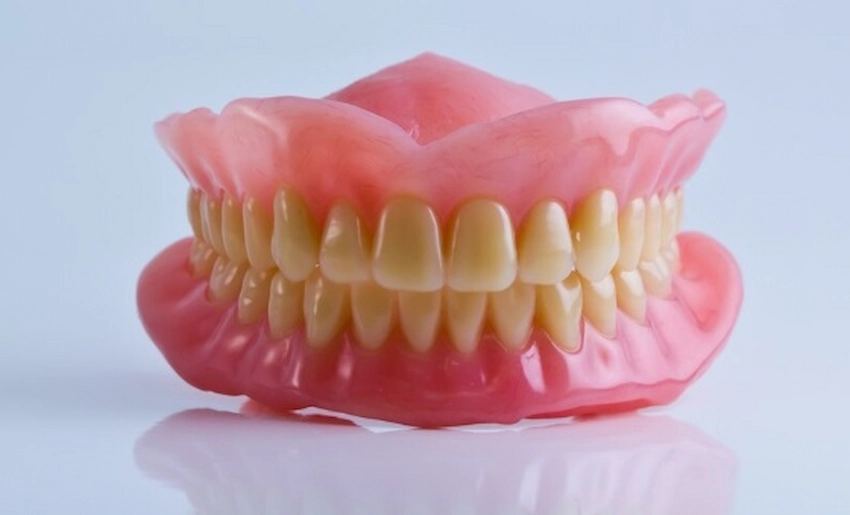
If you’ve suffered from tooth loss due to various circumstances, such as oral disease, trauma or natural aging progression, then you probably know that dentures are a means of restoring your missing teeth along with the tissues surrounding them. Depending on individual needs, dentures can be classified into two types; complete or full dentures to accommodate total teeth loss as well as partial ones with supporting remaining healthy teeth on either side of those gaps.
Benefits of Dentures
- Non-Invasive: One of the most incredible things about wearing dentures is how easy they are to put on, which means no serious surgical procedures thus making them less invasive generally.
- Affordable Option: Naturally, having missing teeth affects your self-esteem and makes some individuals shy away from social interactions. Therefore, consider using dentures since they are usually less expensive hence an affordable alternative to costly dental implants.
- Customizable: With many treatment options available today, it’s not hard for patients to find ways to attain natural looks. Fortunately, modern technology has provided modern advancements that allow customizing using modern materials and techniques.
However, denture management is not without challenges. Regular maintenance ensures their proper functioning while visiting dentists periodically helps make necessary adjustments over time. They may also go bumping up every “now” and then thereby causing discomfort to eat uniformly or speak normally. Though these risks may happen with continual constant use, suitable care gives people the ability to adjust easily and carry on as normal members of society regardless.
Resin-Bonded Bridges
For people who suffer from the loss of one or more teeth, but especially for those who have lost their front teeth, resin-bonded bridges represent an attractive option. Sometimes referred to as Maryland bridges, this type of appliance consists of a prosthetic tooth called a pontic which is bonded onto neighboring natural teeth with a metal or porcelain framework. Using this technique allows for an aesthetic solution that enables patients to regain their confidence and natural appearance quickly and easily.
Benefits of Resin-Bonded Bridges
- Minimal Alteration of Adjacent Teeth: Unlike traditional bridges which involve cutting down the adjacent teeth into posts, resin-bonded options are a different kettle of fish. This means that the natural teeth remain intact on either side thus compromising any dental integrity.
- Less Expensive: Although immediate costs can be better than long term, it is essential to remember that resin-bonded bridges require limited dental intervention as they cost less than Full or partial traditional bridges or dental implants.
- Quick Procedure: The procedure was done previously which involved extensive time-consuming processes involved invasive interventions would typically take a long time however you can see how convenient it is plus usually only takes around 2 hours
Choosing the Right Alternative to Dental Implants
Choosing the right kind of dental implants to fill the gaps in your mouth, can be a daunting process as there are several methods that can be used and each one, therefore, ought to be extensively examined with a critical eye, before rushing to a final decision on a proper one.
Certain factors have been affirmed to influence this important decision including looking into the type of finances available having in mind the longevity of the chosen dental alternative and confirming its consistency with overall cosmetic appeal and aesthetic standards to maintain a pleasing visual for the patient in need of these gaps’ correction.
Thinking about other aspects of dental implants, the aspects of ongoing balance in one’s oral cavity for remaining in optimal health, and the design of the suggestions made for use in tandem with existing teeth and gum are of crucial need, as an issue of a possible consideration of further teeth deterioration or periodontal diseases is definitely brought forward, thus demanding for in-depth consideration in order to avoid any negative consequences.
| Alternative | Durability | Cost | Invasiveness | Maintenance |
|---|---|---|---|---|
| Dental Bridges | Moderate (5-15 years) | Moderate | Low | Regular dental visits |
| Dentures | Low (5-8 years) | Low | Low | Regular adjustments |
| Resin-Bonded Bridges | Moderate (5-10 years) | Low to Moderate | Low | Periodic check-ups |
Frequently Asked Questions About Alternatives to Dental Implants
What are some of the alternatives to dental implants when the dental implant technique is not the best one to cover missing teeth? There are some different options. These include bridges, dentures, and partials. Each one has something unique in it hence the benefits but also the limitations and thus selecting the right one is dependent on several factors among which are your oral health condition, your financial capabilities, and your personal preferences.
To enhance understanding of the complications, the benefits, and the factors to consider, through this piece, we are attempting to provide you with the most commonly asked questions and let you know how you could make a try of the most suitable option for your needs and wants.
Yes, like any dental treatment, alternatives to implants carry risks. Bridges can cause decay in surrounding teeth, and dentures may lead to gum irritation or bone loss over time.
The best option depends on your specific dental needs, health conditions, and budget. A consultation with a qualified dentist can help determine which solution is most suitable for you.
Yes, you can often transition from one option to another as your needs change. For example, some patients may start with dentures and later switch to dental implants or bridges.
Dental bridges are prosthetic devices used to fill gaps left by missing teeth. They are anchored to the surrounding healthy teeth and help restore functionality and aesthetics.
Dentures are often more affordable than dental implants and can be a non-invasive solution for replacing missing teeth. They also offer the flexibility of being removable for cleaning and adjustments.
While bridges and dentures can provide a natural appearance, dental implants typically offer the most realistic results due to their integration with the jawbone. However, modern bridges and dentures are designed to blend seamlessly with natural teeth.
Dentures can be comfortable with proper fit and adjustments, but they may cause discomfort during the initial adjustment period. Regular follow-ups with your dentist will help ensure a proper fit and comfort.
Bridges generally last between 10 and 15 years, while dentures may need to be replaced or relined every 5 to 7 years. The longevity of both options depends on how well they are cared for and your oral hygiene.
Both dentures and bridges require regular cleaning to maintain their function and appearance. Proper oral hygiene, such as brushing and flossing, is crucial to prevent gum disease and tooth decay.
Yes, both dentures and bridges allow you to eat most foods comfortably, but you may need to avoid very hard or sticky foods. Over time, with practice, you’ll be able to adjust and eat more naturally.

