


Dental crowns are among the innovations brought about by the dental field, which are needed to return the original shape, function, and beauty of a tooth after it has been damaged, rotten, or weakened. Besides the function restoration, a dental crown also wraps the tooth completely. By totally enclosing the tooth and thus separating it from the outside environment, the protection of the tooth is very important. It prevents the tooth from getting infected or decaying again.
This crown will also be synchronized with the teeth to further beautification of your smile. Although it is highly unlikely that dental crowns have to be removed, there are a few cases in which this happens. Therefore, this write-up’s goal is to deliver step-by-step guidelines on the real method of crown extraction as well as the reasons for such a necessity, the positive effects of this intervention, the healing process, and an exclusive part on the dental crown removal at Lema Dental Clinic in Istanbul, Turkey.
Why Dental Crowns May Need to Be Removed

Dental crowns are made with materials that are strong and durable and designed to work for many years; their functionality may be negatively influenced by some issues. Thus, the crown is removed, or the procedure “Removal of dental crowns” is required. Knowing the causes for which a dental crown may be removed, the patient will be better able to improve the condition of the oral cavity.
1. Crown Damage or Wear
Over time, crowns may become worn out, cracked, or loosened as they are subjected to daily usage that involves biting, chewing, and so on. The major drawback of porcelain crowns is that they are vulnerable to cracking if compared with metal ones. Once a dental crown is damaged, it cannot give the tooth under it the necessary protection. Such a situation results in the removal of the crown to revitalize the tooth and keep away from further troubles.
2. Tooth Decay Underneath the Crown
Dental crowns, although responsible for covering the tooth, do not make the latter immune to decay. In the cases where the fitting of the crown is loose or it is installed incorrectly, the gap can be a hiding place for bacteria that ultimately cause tooth decay along with the crown. Sometimes the decay might be so small and deep that it is difficult to identify until it progresses and causes infection or destruction of the tooth structure. Removal of the crown may be the option that your dentist will choose to give access to the decayed cavity for treatment and to bring back the tooth to its healthy state in such a situation.
3. Improper Fit
If the crown is improperly designed to fit your mouth, it can cause you pain or discomfort and put pressure on the surrounding teeth, and irritate your gums. In addition to some of the problems that a crown with poor fitting can cause, there are misalignment issues, bite problems, and gum inflammation as well. After your dental care provider performs a thorough examination and diagnosis, he/she will probably come up with a decision that entails taking out the crown and then replacing it with the one that fits better and provides good function as well.
4. Changes in the Tooth Structure
Depending on different factors, e.g., acid erosion, recession of gums, and natural processes, the alterations in the composition of the tooth beneath the crown can happen over time. A crown that has been changed due to these alterations in the tooth structure can lead to the crown and the feeling of discomfort or the need for a change. These events can be the cause of such a removal, as well as an examination of the tooth by the dentist for assessing the suitability of a new crown that matches the changes and for confirming the fit.
5. Allergic Reactions to Materials
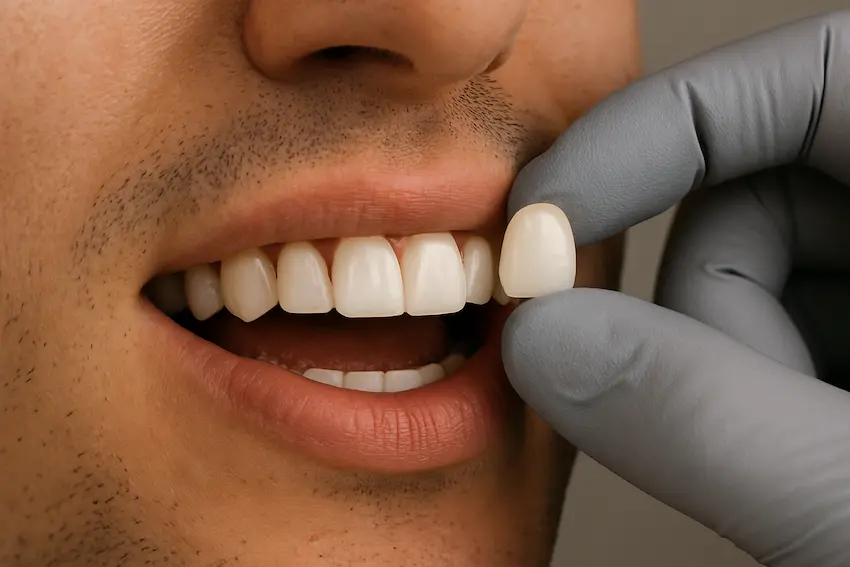
Nonetheless, there are instances in which some individuals may manifest hypersensitivity reactions triggered by the materials used for dental crowns, for example, metals, ceramics, or resins. In addition to gum irritation, swelling, and discomfort are among the symptoms of an allergy. Change of the crown is the only way to prevent the problem from aggravating, and then, a different material will be selected for the new crown so that the patient will not experience any allergic reactions.
6. Cosmetic Concerns
Patients who are initially content with the shape and color of their dental crowns, but over time these have become unattractive, is another reason for the removal of dental crowns. Crowns, just like other things, are also susceptible to gradual discoloration, staining, or even losing their beauty over time. It is clear that in the event that the crown does not complement your smile anymore, then it is time it was exchanged for another one with a better look and aesthetic. This undoubtedly is an advantage and progress in dental materials that allow natural-looking restorations which completely merge with the existing teeth.
The Process of Removing a Dental Crown
A crown extraction usually involves some easy steps and minimal damage to the body. Essentially, it is a step-by-step instruction for taking out a dental crown.
1. Consultation and Diagnosis
Before the extraction, the dentist will do a very detailed examination of the patient’s mouth. Besides visual checks, an X-ray is quite commonly performed to judge the condition of the crown and the tooth underneath. The doctor will be on the lookout for decay, damage, or infection. This assessment is the first step in deciding whether the removal is necessary, besides any other treatment interventions.
2. Numbing the Area
Generally, to make the whole procedure absolutely painless, the dentist is expected to give a local anesthesia injection in the crown area so as to numb it. In this way, the removal may be carried out without any inconvenience, and the whole extraction will become easy and completely painless.
3. Crown Removal
As a rule, after an area is given anesthesia, the dentist, in a careful manner, will continue the removal of the crown. How the removal is done depends on the type of crown and the way it was installed by the dentist. Typically, the dentist, through a dental drill or using special instruments, detaches the crown from the tooth. If the crown is very tightly cemented, he may therefore release the bond, and thus the crown can be removed safely with the minimum of force.
4. Evaluation of the Tooth Underneath
The dentist, after removing the crown, will thus investigate the causes of the decay and damage of the tooth. He/she will also check if the tooth is healthy to be made ready for a new one or restoration. A toothbrush with dental caries or other diseases will be treated with filling, root canal therapy, or any other necessary procedure to be made healthy again.
5. Temporary Crown Placement
The dentist usually puts a temporary one over the tooth for protection if a new crown is required and the permanent one is being made. In the meantime, the temporary crown will act as both a functional and protective solution for the patient.
Benefits of Removing a Dental Crown
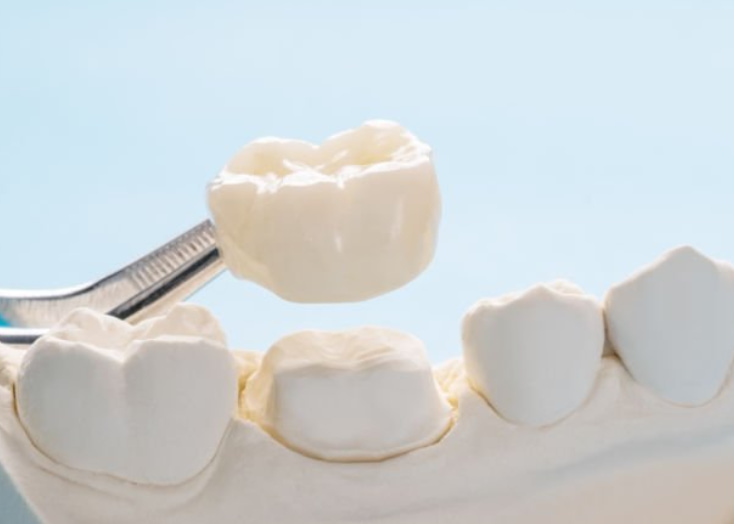
Removal of a dental crown is a major operation and not an easy one; however, it has numerous benefits like for instance as:
1. Addressing Tooth Decay
In the event that decay has reached too far under the crown, the dentist will need to remove the crown to treat the tooth as well as stop the decay from spreading. The sources of the infection, dental caries, will be removed, and at the same time, the tooth will be sealed and protected against future decay.
2. Improving Comfort
In fact, a crown that is not properly fitted is the main reason for discomfort and pain. So, by removing the crown, these problems can be resolved and thus your comfort may be reinstated. In addition, the proper functioning of the tooth can also be restored.
3. Restoring Aesthetics
Besides, if the dental crown has stained the tooth or is different in color from the adjacent teeth, then removal and replacement with a natural-looking one might be a great way of improving your smile.
4. Preventing Further Damage
If a damaged and/or poorly fitted crown is left without treatment, it can cause harm to the areas of the underlying tooth, gums, and neighboring teeth. You, by removing the crown and dealing with the problem early, thereby avoid the occurrence of more severe and expensive treatments later.
5. Enhancing Function
A new crown that follows the old one can thus make the tooth to which it was fitted regain the lost function, and so you can chew and bite without any problem. The use of properly fitted crowns not only improves the bite but also the general dental health.
Aftercare Following Crown Removal
If done properly, dental aftercare post crown removal will enable a speedy and smooth recuperation. Here are some tips to help you maintain your teeth and heal efficiently.
1. Avoid Chewing on the Affected Side
In a situation where the new crown is still to be installed and the tooth beneath has not been properly treated, then during that time, chewing on the side where the crown was removed should be avoided. Such a move prevents the exposed tooth and temporary crown from being subjected to unnecessary pressure.
2. Follow Post-Procedure Instructions
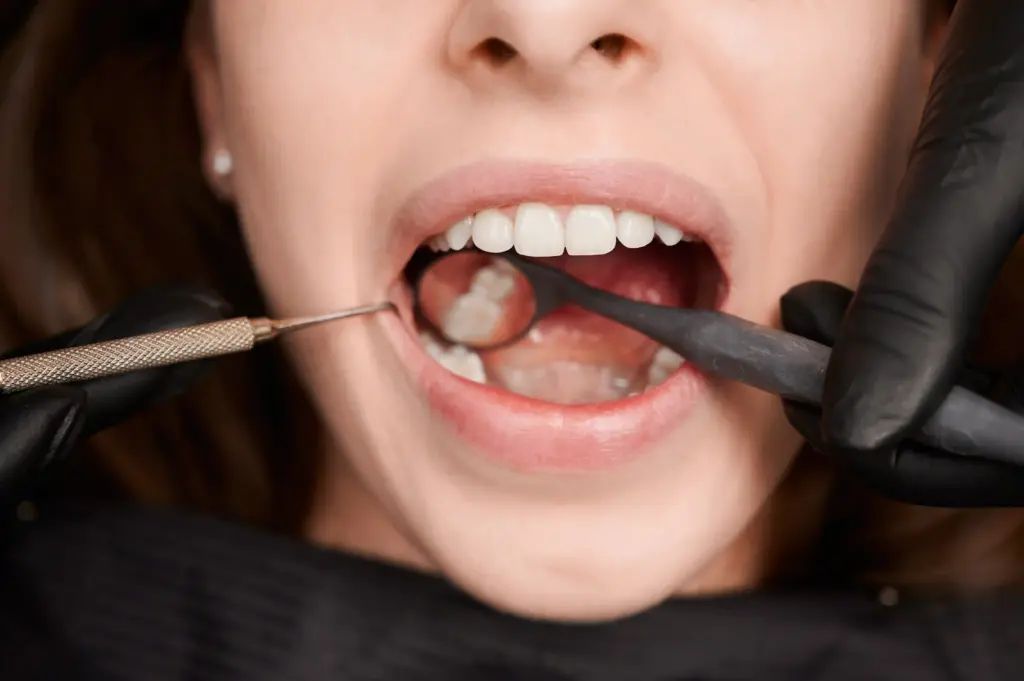
By far the most accurate and detailed instructions for self-care that the patient should expect from the dentist after a treatment are the ones that comprise diet (not eating sticky or hard food), oral hygiene (brushing gently around the area), and pain relief (using medications).
3. Maintain Good Oral Hygiene
Good oral hygiene is the main thing that keeps the area from getting infected. Be gentle when brushing the place where the crown was removed and make use of the dental floss regularly. Moreover, in the case of avoiding irritation, do not brush forcefully near the exposed tooth.
4. Monitor for Signs of Infection
Right after the crown is taken off, a very thorough search for symptoms of infection, such as swelling, pain, or redness, should be carried out. A call to the dentist should be made at once if any of these signs are noticed.
5. Follow-Up Appointments
Your dentist, in order to assess the healing progress as well as the fitting of your new crown, will set up follow-up appointments. You have to make visits to the clinic on a regular basis in order to witness the restoration in action.
Crown Removal at Lema Dental Clinic
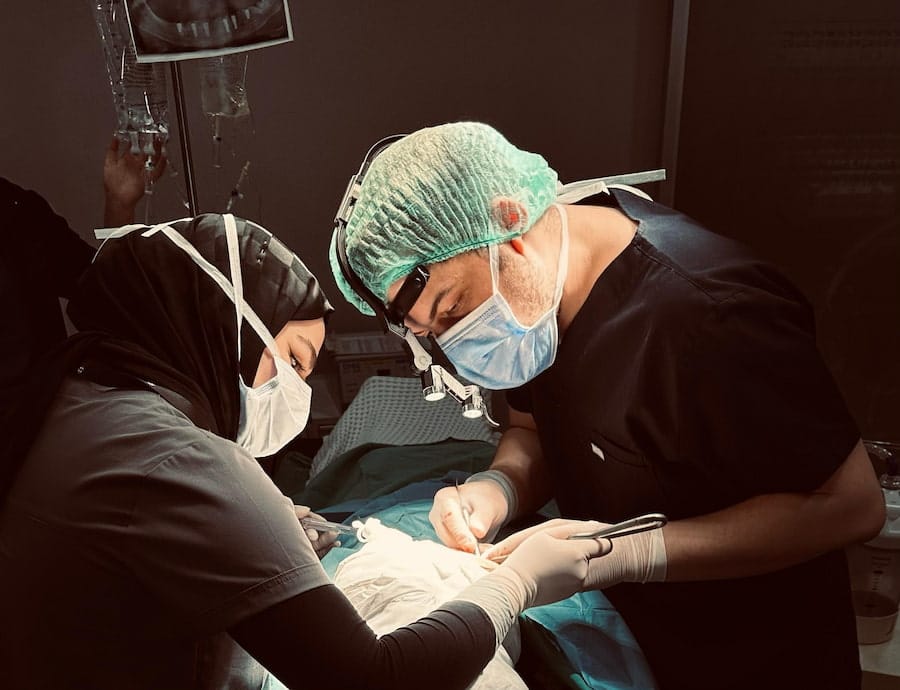
When a dental crown is removed at Lema Dental Clinic in Istanbul, the terms gentle and precise are the ones that come to mind. A clinic that adopts the latest methods and equipment allows its patients to get the best results.
- Comprehensive Consultation: A detailed consultation and examination are required in the preliminary stages. To discover the best solution for your condition, Lema’s efficient team, by listening to your needs and worries, before the removal of your crown, finds the correct way for you to proceed.
- State-of-the-Art Technology: At Lema Dental Clinic, the latest and most innovative dental technologies are made available to patients, and this gives the merit of success and minimal invasiveness in the crown removal method. Digital X-rays and high-precision tools are used to achieve stunning results.
- Experienced Dentists: The Lema Dental Clinic team comprises experts who have good knowledge and experience, and hence they are able to remove the crown in such a way that the patient’s discomfort is lessened and the safety level is raised at the same time. Their expertise is a great assurance that you will receive the rightful treatment care under them.
- Customized Care: Lema Dental Clinic is where a patient is treated with exceptional care that is especially focused on his/her needs. Lema Dental Clinic will not only remove the crown and other treatments as per your convenience but will also prepare the most suitable treatment plan for you.
- Post-Operative Care: Lema Dental Clinic is fully equipped with all the necessary provisions and instructions for aftercare to make sure the recovery after crown removal is simple, comfortable, and hassle-free. As before, their dedication to patient care continues even after the process.
If you are experiencing any of these problems discussed in this article, the best and common estimate of the problem is “dental crown removal”. Depending on the situation, it will enable you to erase the problem of dental discomfort and restore the functionality and aesthetics of it. Whether your crown is broken, not quite fitting, or giving discomfort, it is easy to recognize that removal and substitution offer you gains of major importance. You can secure a gentle and effective procedure by an experienced dental team as that of the professionals in Lema Dental Clinic in Istanbul. In this way, after a correct and safe post-operative period, you will be able to enjoy oral health for a long time and smile beautifully.
Lema Dental Clinic is where we direct our full attention to the paramount goal of giving the best care to the patient. Each patient is guaranteed personalized and professional treatment. Regardless of whether you merely require a crown to be replaced or an extensive restorative work, we are always at your disposal to realize the best dental outcomes.
Sources:
Darby, M. L., & Walsh, M. (2014). Dental Hygiene: Theory and Practice (4th ed.). Elsevier Health Sciences.
Shillingburg, H. T., Sather, D. A., & Wilson, H. J. (1997). Fundamentals of Fixed Prosthodontics (3rd ed.). Quintessence Publishing
American Dental Association (ADA). (n.d.). Crowns and Bridges: What You Need to Know. Retrieved from ADA.org
Mayo Clinic. (2020). Dental crowns. Retrieved from Mayo Clinic
Frequently Asked Questions About Dental Crown Removal
Removing a dental crown can be a result of different reasons, such as breakage of the crown, decay underneath the crown, or even changes in the tooth structure. In some instances, crowns may be taken out merely for the purpose of improving the smile’s aesthetics.
A crown removal is a painless procedure. The dentist will give you a local anesthetic to numb the area so that you will not feel any discomfort during the process. Some minor and temporary sensitivity may occur after the anesthesia has worn off.
The procedure of crown removal takes 30 minutes to an hour, depending on the complexity of the case. However, if decay or infection under the crown is found by the dentist, then the operation will be extended.
Once the dentist has removed the crown, the doctor will look for cavities and tooth damage. In the case of an infected tooth, the dentist will perform the necessary treatments to it before the next restorative procedure. Moreover, the tooth will be given a temporary crown until a new permanent one is available.
In the biggest percentage of cases, a new crown will be the solution chosen to bring back the aesthetic and functional value of the tooth. In the event the dentist finds no cavities in the tooth, the procedure will still need to be done, whereby the new restoration will guarantee the function, the look, and even the fitting of the tooth.
Firstly, a person should maintain proper oral hygiene after the removal of the crown by careful brushing and flossing around the area. Avoid eating on the side where the removal was done, and do not bite until the new restoration is in place. Furthermore, be sure to coordinate with your dentist after the operation and attend the appointments if necessary.
After the removal of the crown, it is advisable not to eat hard, sticky, or hot food, especially if a temporary crown has been placed. Eat soft foods that will not put pressure on the tooth and avoid chewing on the treated side until the permanent crown is installed.
Most likely, a dental crown will not be reused after removal due to the fact that the fitting may not be as it was before. The usual protocol is to create a new one to both look good and function properly.

