


Enamel hypoplasia is a dental disorder that affects the outer layer of the tooth, known as the enamel, and prevents it from developing and reaching its ideal development. This means that instead of being extremely smooth and very firm as naturally expected, the enamel has qualities very much unlike that, such as being very thin, pitted, or having discoloration in some cases. This particular condition could affect both the baby and the permanent teeth, both of which render them very vulnerable to suffering from sensitivity and cavities, as well as leaving them with a bad appearance.
This condition is mostly characterized by the presence of discolorations of the surface of the enamel, which could include white spots, yellow spots, and discolored brown patches on the surface. These spots could be small grooves that run throughout the teeth, or in extreme cases, some actual patches of the enamel might be missing. Unfortunately, enamel can’t regenerate, so it is crucial to diagnose and treat this condition promptly to protect the teeth and restore a healthy smile.
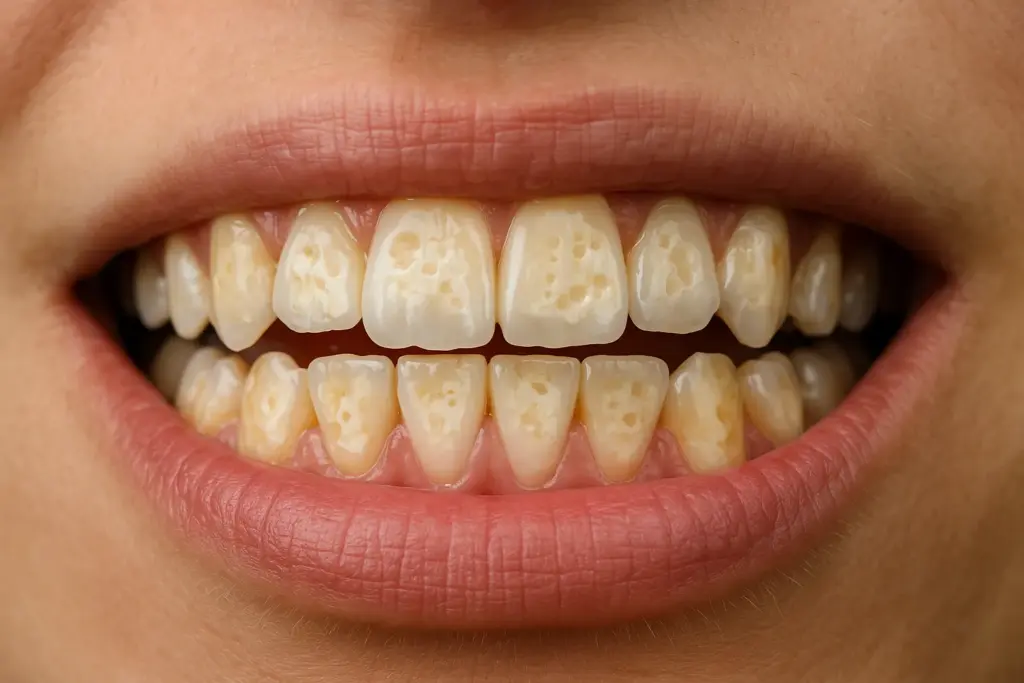
What Causes Enamel Hypoplasia?
Enamel hypoplasia is a situation that is caused by several factors, such as the following, that could result in variations in a person’s development.
- Genetics: Some people carry certain genetic traits that affect the proper formation of their enamel
- Nutritional deficiencies: The Development of teeth calls for the right intake of some vitamins and minerals. In situations where some vitamins and minerals are not taken sufficiently, the teeth develop with weak enamel more susceptible to decay.
- Illness or trauma during childhood: Medical conditions and harsh treatments that emit a high fever, infections, or any physical injury that could cause interference in enamel formation very early in life may also cause some long-term damage.
- Fluoride imbalance: Fluoride can be beneficial in the development of strong teeth and the prevention of cavities, but when there is either too much or too little of it, then enamel hypoplasia may develop.
- Pregnancy or birth complications: Any form of problems that may be experienced during pregnancy or birth, such as preterm birth, low birth weight, or any other type of maternal illness, are capable of interfering with the proper formation of the enamel of the infant’s teeth.
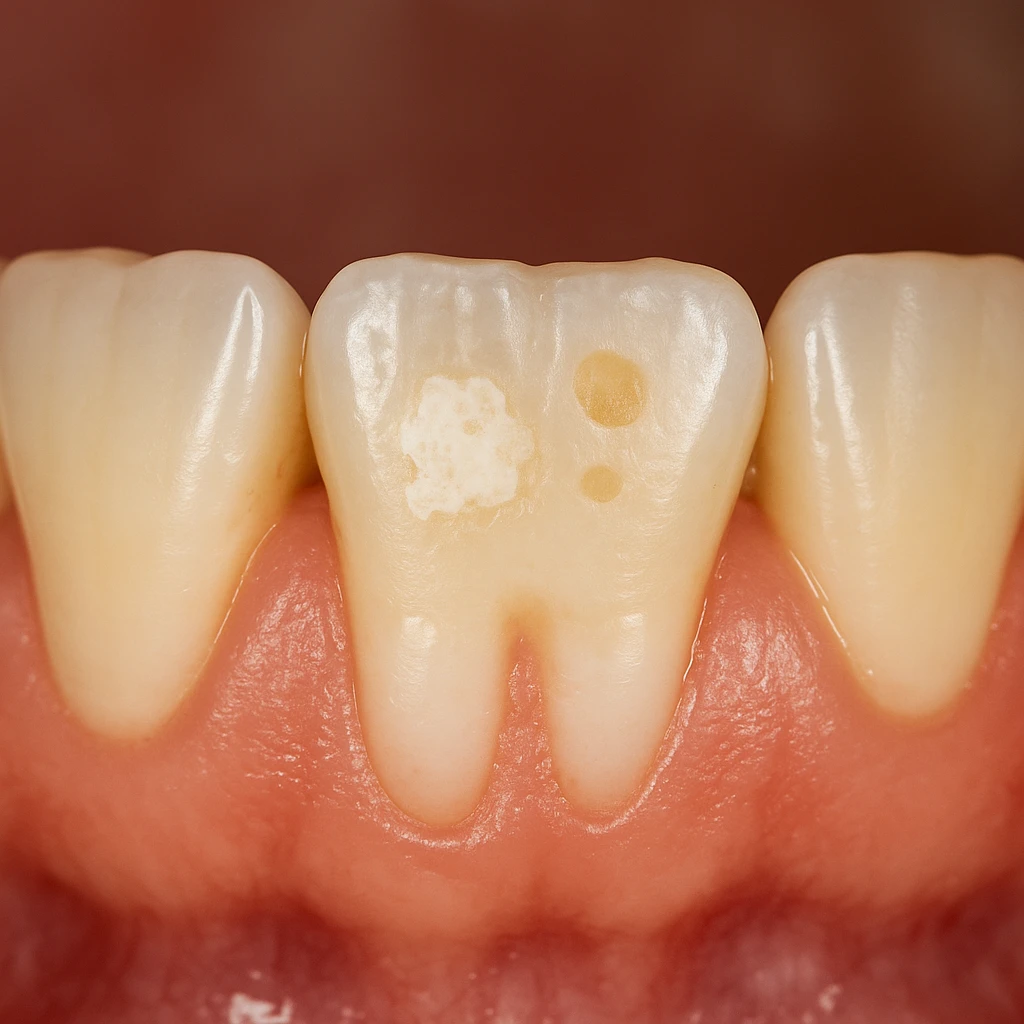
How Is Enamel Hypoplasia Treated?
In the treatment of enamel hypoplasia, there are a few factors that should be considered which including the severity of the defect in the enamel or whether the tooth is still intact and healthy or already damaged. The dentist may
1. Fluoride Treatments and Sealants
If dental enamel is slightly compromised, you can actually employ fluoride treatments or dental sealants, which specifically help in strengthening it further and eliminate cavities in a child’s mouth. It is a preventive measure that is more effectively used to help strengthen a child’s weak enamel in the teeth. For very mild cases like incipient decay, they can work like magic and prevent the incidence of cavities because they come up with an artificial barrier that prohibits the on-off action of harmful substances in the teeth.
2. Dental Bonding
Tooth-colored resin is applied to strengthen and improve the appearance of a tooth that has problems as discoloration or areas that are pitted. This is done in cases despite the existing problems, ranging from aesthetics to the fractured cusp, and it corrects the shape of the tooth. The adhesion of the materials to the teeth’s structure helps ensure the fix remains intact for a longer period because of bonding. One of the main advantages of dental bonding lies in the fact that this procedure is done in one visit only (is completed) without the need to fit temporaries, and the treatment does not require any external hardware, i.e., the patient can fully chew his food on the very same day.
3. Crowns or Veneers
If there are significant enamel defects in teeth, then crowns or veneers can be used to fully strengthen the teeth and, at the same time, improve their overall appearance. This probably occurs in people whose cases are more complex, and it involves the complete coverage of a damaged tooth by means of a crown, made only of porcelain. Frontier porcelain crowns can be used where severity is an issue because they are able to ferret out natural properties to maximize their strength and durability. If the major area that requires intervention is corrected, then veneers slightly cover the front of the teeth above the enamel, thus changing the appearance of the teeth completely, making a person have that gorgeous smile.
4. Fillings for Cavities
If in your examination, you find out that an individual has suffered decay due to enamel hypoplasia, it means that the patient will have cavities, and the patient needs to be treated as if they had had them filled in a tooth-colored fashion. This is significant because it helps safeguard the edges of the infected part and also stops the infection from moving elsewhere. The decayed parts are eliminated, and on the surface of the cavity, a synthetic material that resembles a tooth is inserted, thus ensuring its improvement and efficiency.
5. Oral health care
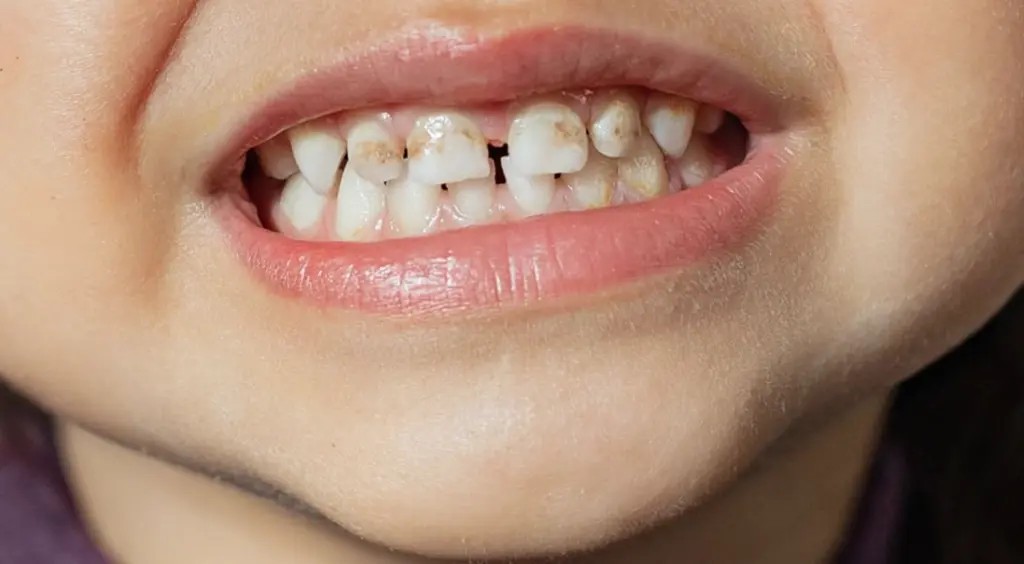
Using the steps as described above, your individual will additionally be honest and test the condition of the affected tooth for any complication that may arise due to poor oral care. At your service, use fluoride toothpaste, use dental floss regularly, and you may be advised you go for occasional examinations of the teeth for specialists to watch over the teeth’s health. These measures will help ensure that the condition is well handled in the long run, which entails preventive handling and the prevention of deterioration of the function of the affected teeth, as well as their external fortitude.
Enamel Hypoplasia Treatment at Lema Dental Clinic
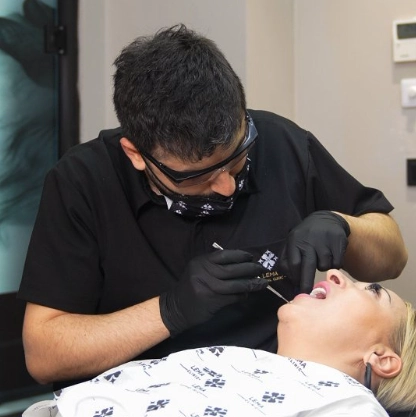
Enamel hypoplasia, though irreversible in nature, has some co-opted interference in the fine as well as cosmetic and health aspects of your teeth through some innovative procedures developed with high precision by the current dental technology. As a myriad of techniques have been established, ranging from the simple incorporation of fluoride covering and intensely beautiful ceramic layering, inclusive, patients can easily afford the opportunity to not only better their smile but also break into a new era of their self-esteem through replacement of the lost and damaged tooth structure. These remarkable modifications ultimately restore this important segment of dentistry to an acceptable functional level each time a patient consults a dentist, causing that winning and super self-assured smile to shine brightly once more.
Irrespective of the fact that critical attention is paid to the overall appearance, Lema Dental Clinic remains positive in offering specialized, up-to-date, and efficient services to people with enamel hypoplasia in Istanbul. Our dedicated and efficient staff members are fully determined to grant every one of our patients the self-confidence and oral well-being, which is their birthright, through our efficient service and comprehensive tooth transformation. This is well-known in most parts of the city, by thinking that people with enamel hypoplasia have to bear this as a minority disadvantage, realize now that this is not a natural sequence of dental development, that there are dental procedures which positively alter this.
Frequently Asked Questions About Enamel Hypoplasia
It usually appears as white, yellow, or brown spots, pits, or grooves on the surface of the teeth.
Yes, while enamel cannot regrow, treatments like bonding, veneers, and crowns can restore appearance and function.
In some cases, it causes tooth sensitivity or discomfort, especially with hot, cold, or sweet foods.
Yes, if untreated, the weakened enamel may lead to cavities, fractures, and further damage.
No, the condition does not go away on its own, but early treatment helps protect both baby and permanent teeth.

