


One of the most common reasons for pacifier use is that kids will be quickly calmed down, and this way, the “transition to sleep” will be easy to make. However, many parents wonder if there is a possibility that pacifiers will cause their children’s dental development and if that dental development will be long-lasting. One of the frequent questions is whether pacifiers are a reason for the occurrence of buck teeth, along with other oral problems. In this article, we will look into the question of whether the use of pacifiers can result in these dental troubles and what preventive measures parents can take to protect their children’s teeth.
What Is a Pacifier?

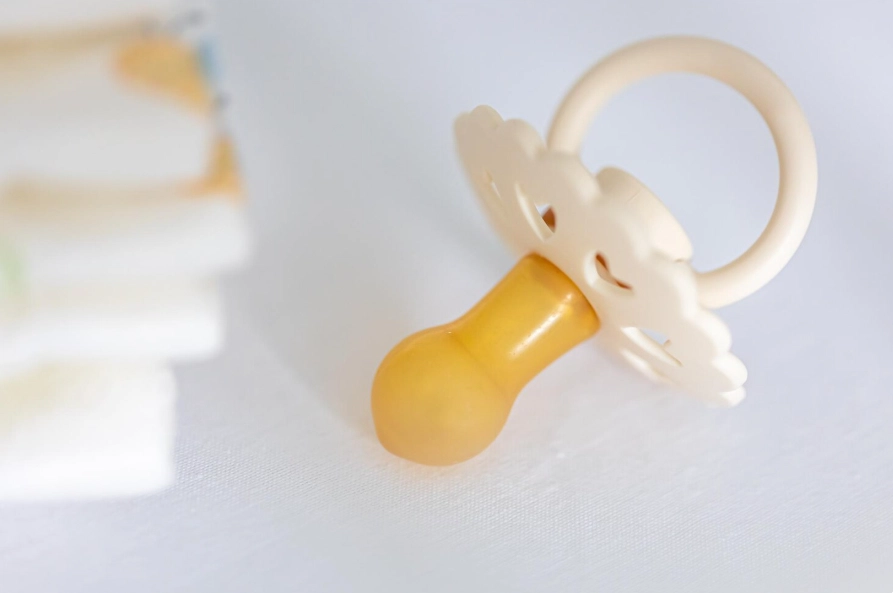
Pacifier (s) are infants’ lifeguards as they merely satisfy the babies’ need for the notorious sucking reflex, which, usually, is the cause of distress among babies, and this way, the peaceful sleep is rapidly established. Pacifiers are generally used to calm down babies and also to get them to sleep. Still, the main problems with pacifiers are that their users often extend their use and indulge in it, and when they do, they also let their dental problems worsen, basically, intertwining with tooth alignment complications.
What Are Buck Teeth?
Buck teeth, or medically called overbite, are a dental problems that occur when the upper front teeth stick out so much that they go beyond the lower ones. This modification is changing the way people breathe, chew, and even speak, and sometimes these symptoms are in the form of an overbite, which in turn is of genetic origin, thumb sucking inemesis, and prolonged pacifier use. The situation, if left untreated, can lead to a severe problem that will interfere with the function of the respiratory and digestive systems and will require orthodontic treatment like braces for correction.
Can Using a Pacifier Cause Buck Teeth?
Pacifiers are not the most favorable things in the world, but they, on their own, are not the main culprits of children’s dental problems; however, if their use is pushed beyond what is recommended, then they can cause substantial harm to a child’s teeth. To be more specific:
- Persistent Pressure on Teeth and Gums: Prolonged use of a pacifier is one of the main side effects that leads to persistent pressure on a child’s teeth and gums, which are still developing. The pressure can affect the proper alignment of the teeth; the upper front teeth can be moved and pushed outwards, causing the occurrence of buck teeth.
- Impact on Jaw Development: As a consequence of the misalignment of the teeth, the extended use of a pacifier may impact the development of the jaw. The result of this can be the incorrect positioning of the jaw, which may lead to the enhancement of overbites or some other occlusal problems.
- Age of Cessation: Weaning kids off pacifiers by the age of 2 to 3 years is when the pediatric dentists advise it to be done. The method of cessation has a more significant impact on tooth alignment, as well as on buck tooth occurrence, if the child is older than 3 years, because teeth and jaw development at that stage is already strong.
How to Prevent Buck Teeth Caused by Pacifiers

If a pacifier is not to be a cause of teeth bucking and other mouth problems, alongside guidelines, there are several steps that could be taken.
- Limit Pacifier Use: Pacifier use should be limited to the child’s early age, i.e., a few months after birth or early years only. The main aim should be to wean the child off the pacifier by no later than 2 to 3 years, and thus the concern for dental problems will be obsolete.
- Choose Orthodontic Pacifiers: There are some pacifiers that are less harmful to the teeth as they are designed in such a way that the pressure is evenly distributed across the gums and teeth. The orthodontic pacifiers should be looked for as they are similar to the natural shape of the mouth of a child and thus they are at a lower risk of dental problems.
- Encourage Healthy Oral Habits: One necessary habit a parent should instill in their child is brushing their teeth twice a day and staying away from sugary foods that are prone to tooth decay. Good oral hygiene not only keeps the health of teeth but also the proper tooth alignment as they grow.
- Monitor Dental Development: Apart from checking the dental hygiene of your child, plan periodic dental checkups to keep an eye on the development of your child’s teeth. An oral health professional can advise on dental health and comfort by detecting the early signs of dental misalignment or overbite and by performing timely interventions.
When to Seek Professional Help
If a child has his or her upper teeth protruding so much that he or she is unable to bite or chew properly, then a visit to a pediatric dentist or an orthodontist is definitely the first thing that you should consider. The fundamental aim of the early stages of intervention is the treatment of small dental problems, which, in turn, prevents their transformation into larger ones through professional help.
Conclusion: Does Using a Pacifier Cause Buck Teeth?
There is no doubt that the utilization of a pacifier on a moderate basis is, in most cases, accepted as a safe practice; however, the overuse eventually may result in several dental problems such as protruding teeth. Hence the main issue in getting rid of such problems is that the use of a pacifier should be completely stopped after 2 to 3 years and oral hygiene practices should be introduced. If your kid has been using a pacifier for a long time, then you need to keep an eye on their dental development and if you come across any kinds of malposition, then you should definitely take the child to the dentist. By adhering to these recommendations, you are able to safeguard your child’s teeth and provide the foundation of a healthy and beautiful smile.
References:
- American Academy of Pediatric Dentistry. “Effects of pacifiers on dental health.” Pediatric Dentistry Journal.
- Dental Health Foundation. “How pacifiers affect children’s teeth.” Dental Health Journal.
- National Institute of Dental and Craniofacial Research. “Oral health topics: Overbite (buck teeth).” NIDCR.
- American Dental Association. “Pacifiers and infant oral health.” ADA.org.
- Pediatrics, The Official Journal of the American Academy of Pediatrics. “Pacifier use and dental malocclusion.” Pediatrics, Vol 124, Issue 2.
- “Pacifiers and their impact on your child’s teeth,” The American Academy of Pediatrics.
FAQ: Frequently Asked Questions About Pacifiers and Dental Health
Yes, excessive and prolonged use of pacifiers can lead to buck teeth or an overbite by putting pressure on developing teeth and affecting jaw alignment.
It’s recommended to stop pacifier use by the age of 2 to 3 years to avoid potential dental issues such as misalignment and overbites.
Limit pacifier use, encourage healthy oral hygiene, and take your child for regular dental checkups to monitor teeth alignment and overall oral health .
Yes, orthodontic pacifiers are designed to reduce pressure on the teeth and gums, minimizing the risk of dental misalignment .
If your child develops buck teeth, consult a pediatric dentist or orthodontist. They can provide solutions such as braces or other treatments to correct the alignment.

