


Partially, surface-level only
Dental pods are presented as ultrasonic oral care instruments that aim to break down plaque biofilm on the teeth. One must know that plaque is a bacterial biofilm that is structured and that it sticks tightly to enamel and gingival margins. It is the main cause of tooth decay and gum disease if not removed on a regular basis. Dental pods can be part of the solution to surface-level plaque removal; however, such devices do not take the place of professional dental cleanings or manual plaque control with toothbrushes and interdental tools.
The major mode of action of a dental pod is to use ultrasonic vibration, which in turn produces microscopic waves in the water and these waves agitate the plaque deposits. With this process, it is possible to get soft plaque to loosen in the areas that are clearly visible, particularly when it is a very early accumulation that has taken place. Nevertheless, one should know that there is no way that a dental pod can remove hardened plaque, which is going by the name of calculus or tartar and only professional scaling done by a dental professional who is licensed can take care of that.
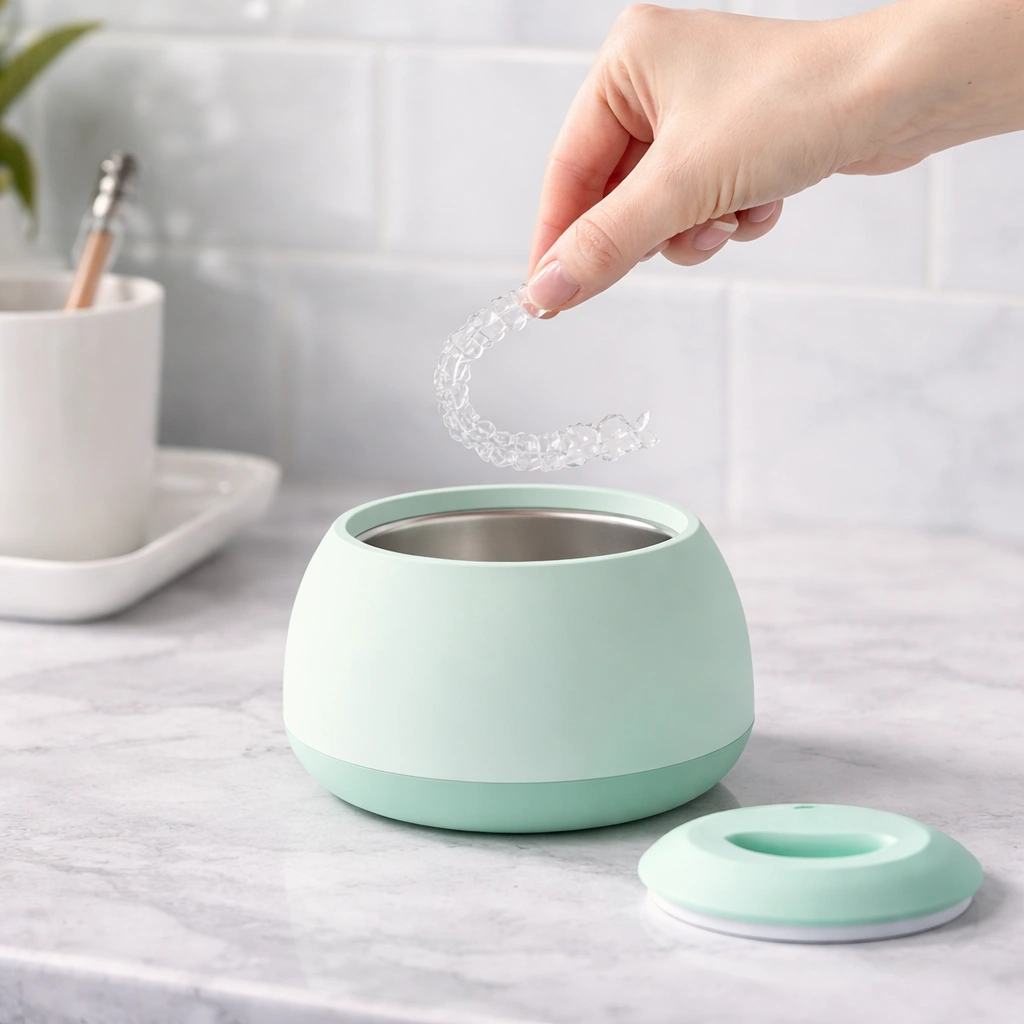
Dental pods should be regarded more as an oral hygiene supplement than as a plaque removal method that can be done single-handedly. The whole idea of plaque control should be based on thoroughly brushing with fluoride toothpaste, flossing, and regular dental visits.
How Does the Dental Pod Work?
| Cleaning Method | What It Removes | Clinical Effectiveness | Professional Recommendation |
| Dental Pod (Ultrasonic) | Loosens soft surface plaque | Limited, adjunct-only benefit | Use only as a supplement to brushing |
| Manual Toothbrushing | Removes plaque from enamel surfaces | High when done correctly | Essential, twice daily with fluoride |
| Electric Toothbrush | Disrupts plaque more efficiently | Very high, evidence-based | Strongly recommended by dentists |
| Dental Floss / Interdental Brushes | Removes interdental plaque | High for gum health | Essential for daily use |
| Professional Scaling | Removes plaque and tartar | Highest, clinical standard | Required at regular dental visits |
Dental pods perform work by means of ultrasonic or high-frequency vibration technology. These vibrations will produce cavitation bubbles in water which when they collapse will create localized mechanical energy. The energy thus generated is capable of dislodging a loosely attached plaque biofilm on the tooth’s enamel surface.
Such ultrasonic action if continued will not allow going beneath the gum line to remove plaque nor will it help you take out plaque from between your teeth where the biofilm is accumulated most aggressively. If you have plaque in the places between your teeth or under your gums, you will have to remove it mechanically either by using floss, interdental brushes, or dental instruments that a professional would use.
On top of that, dental pods are not equipped with precision and pressure control which are required for cleaning particular anatomical details of teeth, thus their effectiveness is highly dependent on where the plaque is, the texture thereof, and the user’s general oral hygiene pattern.
How Long Do You Run a Dental Pod?
Most of the dental pod makers agree that the users should run the unit for about three to five minutes at a time. In such a time span, the ultrasonic method can be able to agitate the water and thus interact with the tooth surfaces that are exposed to the air. Increasing the time of use won’t really make a dent in plaque and it can’t be a substitute for brushing or flossing if they are not done properly.
Dental experts recommend using a dental pod not more than once a day or several times a week when used as a complement to normal oral hygiene. Utilizing the device excessively will not further the effectiveness of the treatment and it may give one the wrong idea of how clean is one’s mouth when he/she is neglecting the brushing and flossing routines.
Steady timing combined with the right brushing method and fluoride exposure is a more powerful trio for plaque control than just long ultrasonic soaking.
Do Dental Pods Work With Just Water?
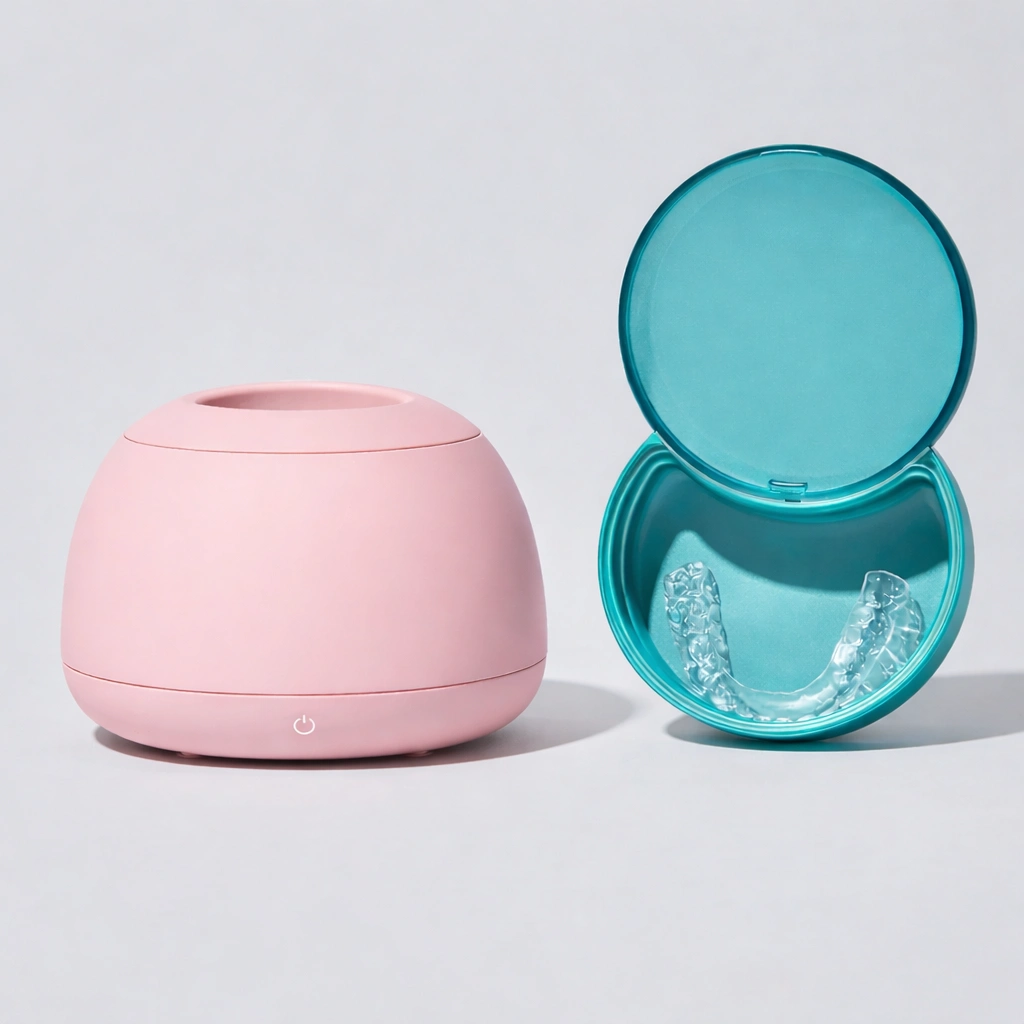
One can use dental pods without anything but water, as the cavitation caused by ultrasound will also take place in plain water. When you use dental pods with water alone, it may be possible for you to get some soft plaque to loosen off and the kidneys of the loose debris that is on the tooth surfaces. Just water, on the other hand, does not do any antimicrobial activity nor does it bring about remineralization.
Dental professionals are in favor of using dental pods with fluoride toothpaste during normal brushing rather than relying on just water ultrasonic cleaning. Fluoride is capable of making the enamel stronger, lessening demineralization, and stopping bacterial acid production; all these things are beyond the reach of ultrasonic devices.
Those dental pod devices that are used only with water do not get rid of bacteria that are deep inside the plaque biofilm, nor do they neutralize acids that cause enamel to erode. This is the reason why they should never become substitutes for fluoride-based oral care products.
Can Dental Pods Remove Tartar?
Dental pods are not capable of removing tartar. Tartar is a plaque that has undergone mineralization and thus is very tightly bonded to enamel and root surfaces. A professional dental cleaning using hand instruments or ultrasonic scalers by dental clinicians who have undergone training is the only way that can undo the damage that has been done when tartar was left to harden.
By using consumer devices at home to try and get rid of tartar, one can postpone going for proper treatment and at the same time, increase the possibility of getting the gums inflamed and even getting periodontal disease. Although dental pods can rinse the debris that is loose, thereby making the user more comfortable, it does not deal with tartar.
Clinical Summary and Professional Guidance
It is a fact that dental pods may be of help in surface-level plaque removal, provided that one uses them in combination with regular oral hygiene; however, they are not able to remove tartar and thus they cannot be a replacement for brushing, interdental cleaning, and professional dental care. The maintenance of one’s teeth through the regular use of mechanical cleaning methods, receiving an adequate amount of fluoride, and going for dental checkups regularly is what oral health in the long run depends on.
Frequently Asked Questions About Dental Pods and Plaque Removal
No, dental pods are not able to remove plaque completely and should not be considered as a substitute for brushing or flossing. They can help loosen only the soft plaque that is on the surfaces that are exposed.
Ultrasonic plaque removers can help in breaking the surface plaque; however, they are not capable of removing tartar or plaque that is below the gumline. Their efficiency largely relies on revalidating the use of oral hygiene practices.
Brushing can not be replaced by dental pods as the latter do not physically scrub the teeth for plaque on all surfaces. It is still necessary to brush with fluoride toothpaste to help protect the enamel.
Dental pods can be considered ineffective in the fight against gum disease. The treatment of periodontal diseases includes professional cleaning of the teeth and targeted plaque removal below the gumline.
Some manufacturers’ guidelines may permit the use of diluted mouthwash; however, for the ultrasonic function, water is enough. It is important to keep in mind that mouthwash does not replace either fluoride toothpaste or mechanical plaque removal.
American Dental Association. (2023). Plaque: what it is and how to control it.
National Institute of Dental and Craniofacial Research. (2022). Oral hygiene and biofilm management.
Mayo Clinic. (2023). Tooth decay and preventive dental care.
Journal of Clinical Periodontology. (2021). Biofilm disruption and plaque control methods.

