Are you afraid of getting a smile makeover and ending up with a randomized shade? Many feel that way. The world is in pursuit of white smiles, and everyone is the same; who can complain? Oh, is it safe to bleach your teeth? Go on reading, and after perceiving the facts, you will be sure. If you are just mulling over whether to choose an off-the-shelf product or to visit a specialist, our goal is to ensure that your enamel will not be endangered and you will have no doubts about this procedure.
At Lema Dental Clinic in Istanbul, Turkey, we offer advanced cosmetic dental procedures focusing on Hollywood Smile makeovers, the development of porcelain veneers, and enamel-safe teeth whitening.
Our proficient team of cosmetic dentists works with innovative methods that will be the very means for you to have a wonderful smile and maintain your teeth in a healthy condition.
How Does Teeth Whitening Work on Enamel?
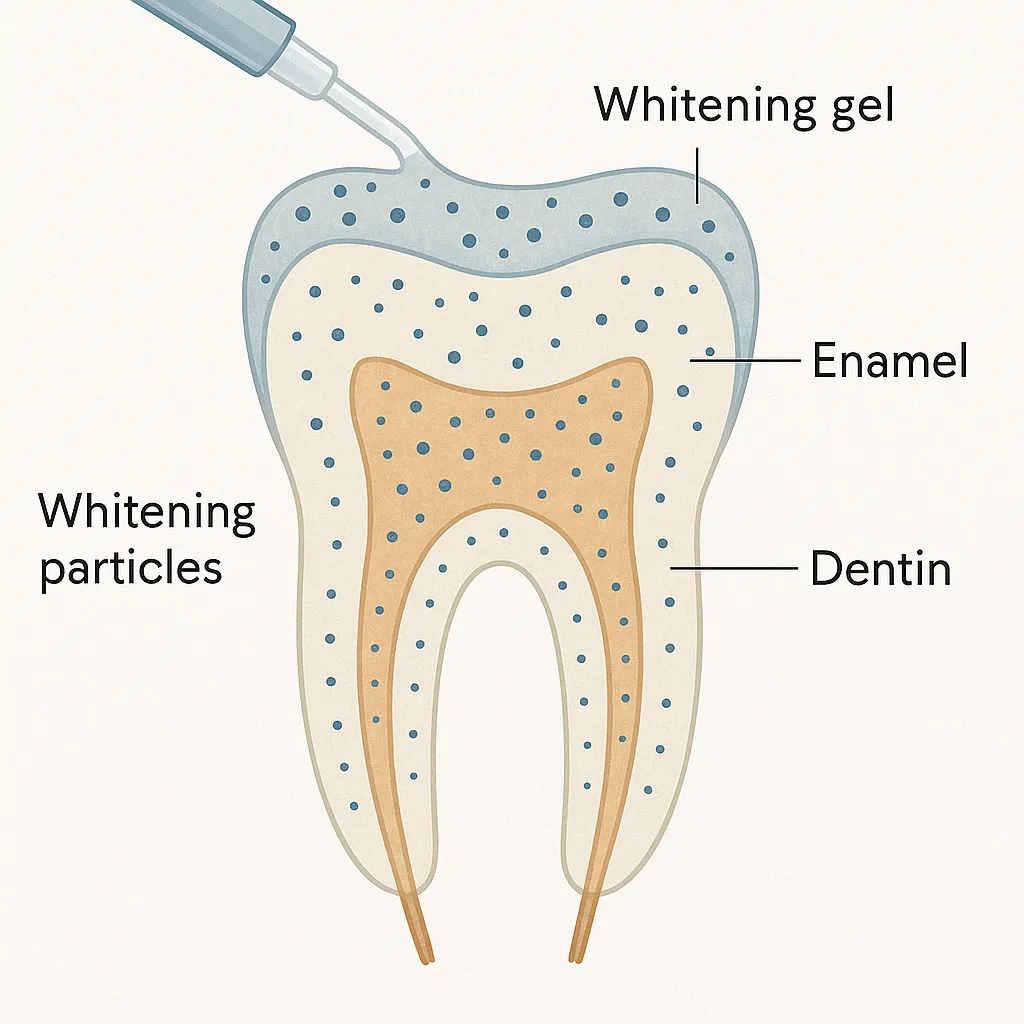
For starters, if one is to ascertain whether teeth, in the act of whitening, get damaged, one has to acquaint himself or herself with the term enamel, which plays the most crucial role. Enamel, as the outer surface of the tooth, is what shields you from tooth decay and the pain of hot and cold foods and drinks. In its essence, it consists of minerals that, when depleted, cannot be replenished. It’s the deal breaker, right?
Teeth bleaching entails the use of the tooth whitener (bleach) materials, for example, the hydrogen peroxide or carbamide peroxide. At first, it is mandatory to understand that those substances affect teeth and cause changes in color. They really do have ingredients that can penetrate, but don’t go that deep into the tooth and work from the inside. Scary, isn’t it? Never mind, your enamel is still safe if the process is carried out in moderation, and the chemicals are in safe doses. This is not all, however: if too much cleanness, too frequent attempts, or not the standard procedure is performed, the case of enamel sensitivity is not excluded and can be even worse.
Can Whitening Products Really Damage Your Teeth?
Absolutely, whitening products care for your teeth, but not so much when you exaggerate the amount used. Products containing a high concentration of the desired pH level or used more often than recommended are bound to peel off the enamel surface. Have you ever had a sharp, smarting feeling after using a whitening strip or any such instrument at your disposal? It is likely the reaction of your poor enamel and the nerves to the advocates of pain and atrocity.
Moreover, not all whitening products are equal. Some may contain harsh acids that cause damage to your enamel. Others could be too rough and wear away your natural tooth protection. Mixing teeth whitening and bad habits is not a good idea, like brushing too hard, and not going to the dentist regularly, you would encounter some problems. Before you get overly excited about bleaching, it is recommended that you bear in mind that just because it’s available doesn’t mean it’s good for your health all the time.
Types of Whitening Treatments and Their Effects
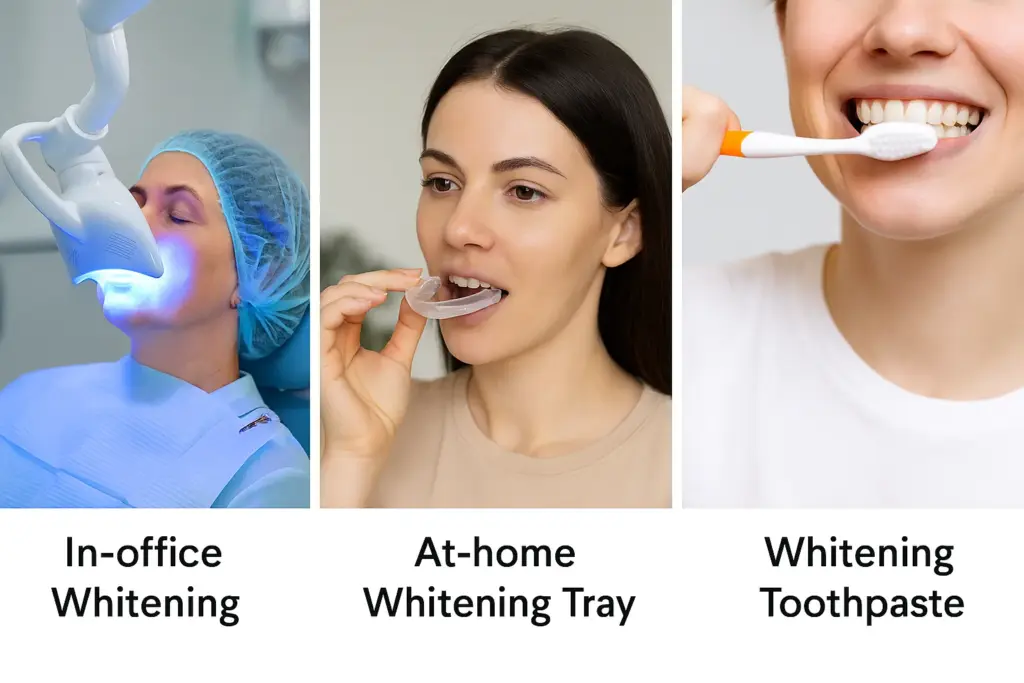
Let’s classify these treatments into groups. You’ve got three major types of whitening:
- In-office professional whitening: This type is performed by dentists and is also considered the most appropriate. It’s not only potent but also safe. The best part of the whole procedure? Your enamel is at minimal risk if properly handled.
- At-home whitening trays (from the dentist): Yeah, it’s less effective than the previous treatment, but it’s still efficient. This method is adjusted to your teeth, which is an added advantage, so it’s less likely to happen that you burn your gums or over-bleach your teeth.
- Over-the-counter products: These are the most conducive, but still, the most inconsistent. A large number of the goods are mild, but a good number are also extremely aggressive—the most interesting part is that only a handful are authorized by dental professionals.
To summarize, the absolute safest option to preclude possible enamel trauma from your teeth whitening process is to approach professional treatments. They are manufactured with the first place to think about the enamel, most of the time utilizing desensitizing gels and peroxide in concentrations that can be used without harming the enamel.
How to Whiten Teeth Safely Without Harming Enamel
Whitening without enamel damage is totally possible. It commences with the identification of a safe dental care treatment approach. Compliance with the instructions is a must. One should not, under any circumstances, stretch out the strips to cover the teeth longer, thinking that this shortcut will get them to be much whiter and even the gnarliest of yellow spots get cleaned immediately; the result will always be the reverse.
You can also limit your whitening to 2-3 shades less if you have sensitive teeth. Professional treatment once every 6 months is typically more than enough. If using an at-home system, the trick is to go easy on them and do them less frequently. Another suggestion is to brush with an enamel-reinforcing toothpaste both before and after whitening and to refrain from very hot or ice-cold drinks for several days after the treatment to enhance the remineralization of the enamel.
Dentist Tips for Strengthening Enamel after Bleaching
This is what the experts recommend: a…d spinach salad, turkey with rice, and apple crumble with a dollop of whipped cream for dessert is the best choice. Even if you aren’t the biggest fan of beets, a combination of roasted beets, goat cheese, and orange is very colorful and light. The vinegar-based sauce can be substituted with a lemon and oil dressing, and the dressing cocktail can be switched with sparkling water and a couple of pomegranate seeds that are plumped at room temperature. Preparation takes about 25 to 30 minutes, whereas cooking is an additional 50 to 55 minutes.
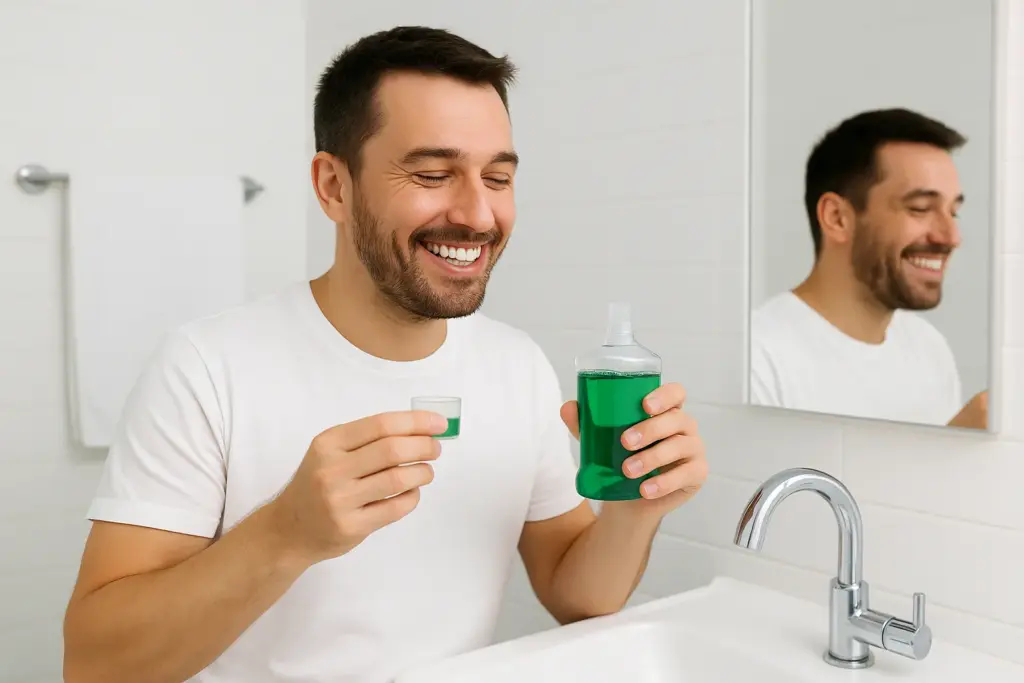
As for the acidic foods and drinks (like soda, citrus, and vinegar-based dressings), just say no to them for 48 hours after whitening. Rinsing with a fluoride mouthwash twice a day will cope with the need to remineralize the enamel. However, if the tooth sensitivity still persists even after the removal of the whitening agent and a few hours of talking to the dentist, then you had better just stay there and patiently wait for medical help. It may take some time, but it is always better to err on the safe side, which is far from where danger dwells.
Last but not least, never ever mix up whitening with other harsh treatments such as charcoal or baking soda heavily used. This will tear the enamel off faster than you can put on a “Hollywood Smile”.
FAQ: Does Teeth Whitening Damage Tooth Enamel?
Yes, but only if it’s overused or done incorrectly. Safe, professional whitening usually doesn’t damage enamel when done as directed.
The safest method is under the supervision of a dentist using professionally formulated whitening agents designed to protect enamel.
Some people may experience short-term sensitivity, but it typically fades. Long-term sensitivity is rare if whitening is done properly and not overused.
For most people, professional whitening once or twice a year is enough. Avoid weekly or monthly sessions unless recommended by your dentist.
Fluoride toothpaste, enamel-protecting gels, and professional supervision all help safeguard your enamel while whitening.