


Hot drinks may weaken denture adhesive, but they usually do not melt it.
So, you’ve just placed your cup of coffee on the table, you have your cup filled with coffee, you’ve sipped a little, and then your lower denture suddenly shifts out of place.
In fact, millions of patients experience this type of problem daily. We get a lot of patients who tell us this exact problem during their visit. Denture adhesive is definitely not a permanent fix, and hot liquids are its worst enemies.
Let’s investigate together how your daily cup of tea is the culprit of your smile fading. It is all about basic chemistry as well as the limitations of removable false teeth.
Why Your Denture Is Slipping?
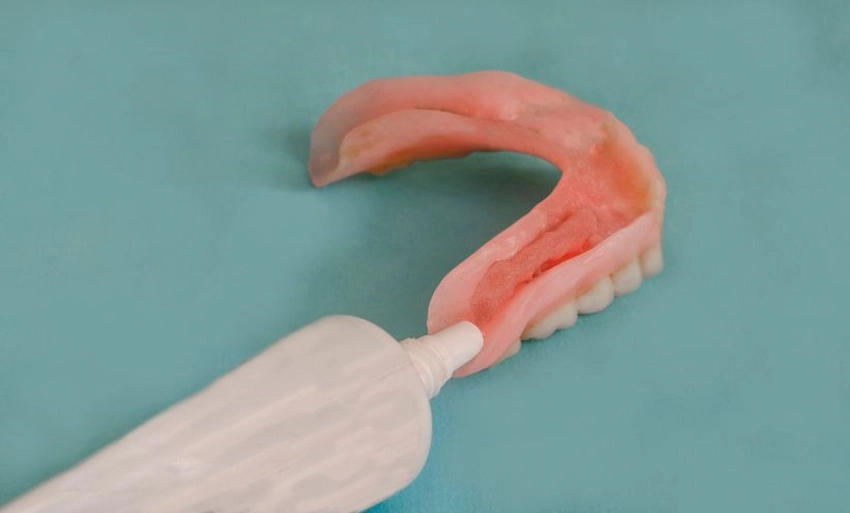
Imagine that a denture paste works as if it were a wax seal on a letter. It keeps the tight seal when the room is cool. But how about the time when you drink a hot cup of tea? The heat melts the seal. The glue becomes soft, it cannot hold, and finally, it gets washed away.
That results in a sticky and slimy layer in your mouth. When you open your mouth to speak or try to chew your food, the dentures will slide.
Professor Doctor Coşkun Yıldız highlights that the glue melting and the subsequent need for the application of a fresh layer of glue are more than just a nuisance. It is turning into a health hazard. A patient who has experienced the glue washing away will likely put more glue in each day. Besides zinc toxicity, which can lead to severe nervous system damage and even internal organs dysfunction, is posed as a result of a very use of over-the-counter denture adhesives.
Goodbye to the Glue Problem
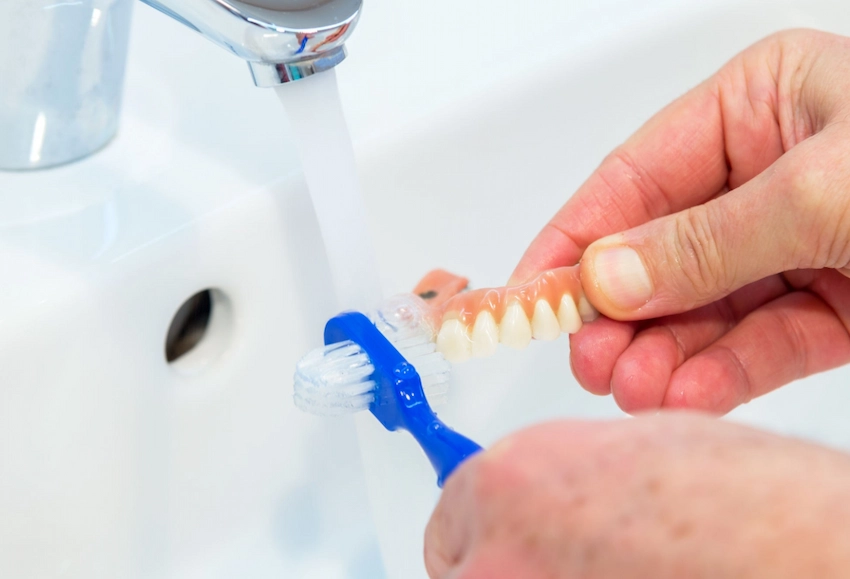
What we observe in our practice is that patients really dislike having to deal with their dentures being messy and sliding.
Turkey’s Lema Dental Clinic’s Dr. Polen Akkılıç and the team make it possible for patients to completely outgrow traditional dentures. We definitely do not want our patients to be plagued by hot liquids every day. Actually, nowadays, we recommend implant-supported permanent smiles as the modern standard of care. The All-on-4 or All-on-6 system offers completely life-changing solutions.
A Zirconium fixed bridge can be firmly attached to the jawbone, and this way, there is no need for adhesives at all.
Actually, the human jawbone can be likened to a house’s foundation. When the natural tooth roots have been extracted, a process of bone resorption occurs, leading to the loss of volume. Dental implants act as roots that are most similar to natural ones in this respect. As a consequence, not only do your facial features remain intact, but you are also able to have the same biting functionalities as if you had real, sound teeth.
Dental Glue vs. Implants: The Treatment Comparison
In essence, going for glue or implants means deciding on how the rest of your days will be. Here is the clinical description:
| Attribute | Adhesive Dentures | Implant-Supported Zirconium Bridge |
| Hot Drinks | Glue melts; teeth slip and slide. | No effect at all. Teeth stay fully secure. |
| Chewing Power | Only 20% to 30% of natural strength. | Almost 100% of natural biting force. |
| Jawbone Health | Exposure to bone loss over time. | Implants help maintain the strength of the jawbone. |
| Health Risks | Potential for zinc poisoning from excessive glue use. | Healthy. |
| Daily Care | Cleaning, removal, and applying the glue are all messy. | Brushing and flossing as with real teeth. |
Our 5 Most Asked Questions by Patients
Why is it that my lower denture becomes loose more quickly than the upper one?
Doctor’s Answer: You are losing the battle against gravity and the form of your mouth. The upper denture gets better suction thanks to the broad palate of the mouth. On the other hand, the lower jaw has only a very small surface. Besides, the tongue will be moving a lot when hot drinks are swallowed. As soon as the hot tea melts the glue, the lower plate will fall off without a doubt.
Can I just use a thicker layer of glue to block the heat?
Doctor’s Answer: Please do not do this. More glue does not change how easily it melts. It just means you will swallow more of the paste. Using more than a tiny, pea-sized drop puts you at a real risk for zinc sickness.
What is zinc toxicity, and should I worry?
Doctor’s Answer: Lots of glue brands that are on the market have zinc in them to make the adhesive stronger. If you continually add glue because it keeps getting washed away with coffee, you are basically ingesting excessive amounts of zinc. Once you start suffering from zinc poisoning, you will most definitely get nervous system damage, which is seen as numbness and tingling in the hands and feet. If that much glue is what you need, your dentures are no longer proper for the shrinking jaw you have.
Will my new implants feel normal when I drink hot coffee?
Doctor’s Answer: Definitely. A fixed Zirconium bridge is screwed and cemented to the titanium posts, which are placed in the bone. They are not covering the palate of your mouth. You will be able to sense the temperature of your coffee like before, and even better, your teeth will never be moving.
How long does it take to get fixed implants in Turkey?
Doctor’s Answer: It is not a lengthy process. Visiting our clinic, you can often get hold of your implants and even your temporary fixed bridge in one trip only. When your bone has had time to heal firmly around the implants, you will come back to us for your last, permanent Zirconium teeth.
Academic References
- Al-Hashedi, A. A., Taiyeb-Ali, T. B., & Yunus, N. (2015). Clinical and microbial effects of denture adhesive on complete denture wearers. The Journal of Prosthetic Dentistry, 114(6), 842-848.
- Carlsson, G. E. (2014). Implant and root-supported overdentures–a literature review and some data on bone loss in edentulous jaws. The Journal of Advanced Prosthodontics, 6(4), 245-252.
- Daftary, F., Mahallati, R., Bahat, O., & Sullivan, R. M. (2007). Lifespan of teeth and implants: a clinical review. Implant Dentistry, 16(4), 362-371.
- DeLaney, D. (2020). Zinc toxicity associated with chronic denture adhesive use: A clinical review. Journal of Toxicology and Environmental Health, 83(10), 395-401.
- Grasso, J. E. (2004). Denture adhesives: changing attitudes. The Journal of the American Dental Association, 135(1), 81-86.

