


All-on-4 implants may cause temporary swelling and discomfort.
FAQDo Implants Cause Side Effects?
All-on-4 dental implants, for the most part, are regarded as a viable option for individuals to regain their teeth. Nevertheless, any surgery will always carry the risk of side effects. Most side effects start at the beginning of the recovery time and then fade only become inconveniences like swelling, bruising, and temporary pain. These symptoms go away quickly and the patient can take one or more medications to avoid the pain as well as follow the instructions that the team from Lema Dental Clinic gives to the patient for post-surgery care.
However, it is not certain at all that one will experience side effects.In fact, it may be more of a way of understanding the need to follow the dentist’s directions very carefully. Polen Akkılıç, Dentist, and her team are always ready to help you by checking up on you to ensure that you are healing properly .You also have the chance to avoid a problem altogether by hydrating yourself adequately, eating healthy, and not smoking or indulging in alcohol.
What Are the Side Effects of the Surgery?
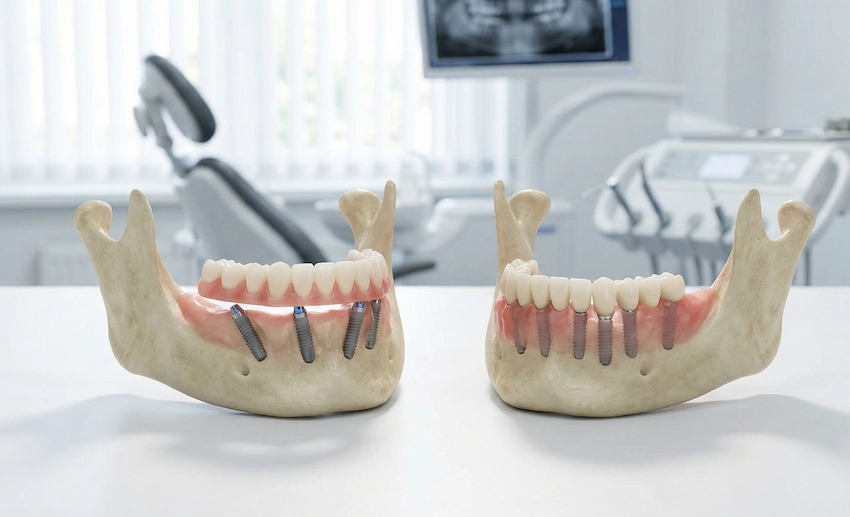
After the All-on-4 implant procedure, patients may feel a bit uncomfortable at the same time there could be some redness or swelling of the implant area. These side effects are completely normal, and the symptoms will be at the worst for 48 to 72 hours. If you put ice on the sore spot like you were told and use the drugs you were given for the pain, you will feel much better quickly. After the operation, one can expect to have little bleeding or pain in the gums for a short time, but this will be over in a few days.
Problems that may arise from product usage are usually very minimal and far apart. For example, gum recession may be one of those barely noticeable changes, or the patient could feel a certain level of discomfort when eating.Oral hygiene has to be regular, and the patients should keep their post-treatment follow-ups as their healing process depends on it. Professor Doctor Coşkun Yıldız points out that preventive measures like soft food diets and gentle brushing can help reduce the chances of these risks. Nevertheless, if your symptoms are unusual, you should contact your dentist to ensure that you are recovering well.
9 Common All-on-4 Dental Implant Problems
Although All-on-4 implants are aimed at being a safe and effective treatment, certain problems may occur leading to discontinuation of use of the implants. Some of these problems are:
- Infection: An infection may develop in the tissue surrounding the implant leading to a delay in healing or an implant failure. Maintaining excellent oral hygiene and adhering to a proper course of antibiotics are two factors that greatly decrease the risk.
- Implant failure: Even though it is highly unlikely, the implant may not integrate with the bone. The only way to be sure is to totally follow your dentist’s aftercare instructions very carefully to drastically reduce the risk.
- Nerve damage: In rare cases, an operation can result in nerve damage that will cause numbness or a sensation of tingling in the lips or gums. You are strongly advised to get medical help for this problem immediately, and this is something that can be done.
- Gum recession: The gums around the implants may gradually recede, which could result in a problem of either the plantation becoming visible or pain.
- Bite issues: Only in rare cases, patients encounter their bite being out of alignment, and this problem can be easily fixed with the help of a follow-up visit and adjustments to the implants.
- Sinus problems: Implant placement sometimes creates a problem in the sinus cavities that becomes the source of discomfort or sinus infection.
- Bone loss: When the density of the jaw is inadequate, it may cause the loss of bone around the implants. It is always better to put a bone graft before making the implants.
- Swelling and bruising: Swelling and bruising after surgery usually last for just a short time. However, if the swelling and bruising keep going, it might be because the person didn’t follow the post-surgery care instructions properly.
- Difficulty chewing: Initially, trouble or discomfort chewing may occur especially when the implants have not been fully integrated with the bone. Gradually, the patient can return to his/her usual eating habits.
Many of these issues can be prevented or easily taken care of if you come to the regular visits that Dentist Polen Akkılıç and her team schedules and you strictly follow their care instructions.
How Long Does It Take to Recover from All-on-4 Implants?
Almost all patients will have very short recovery times from the All-on-4 implant surgery. Most of them are pretty much able to live their normal lives after just a few days. Still, the implants need to be fully fused with the jawbone after that, which usually takes from 3 to 6 months. In that time the patients have to avoid the following two things:placing too much pressure on the implants;eating hard foods or grinding the teeth.
At Lema Dental Clinic, the team gives very detailed instructions for aftercare, including how to take care of the pain and what kind of foods can be eaten at the early stages of the recovery. The Professor Doctor Coşkun Yıldız‘s frequent consultations will guarantee that the implants are getting healed properly and there are no complications.
Can I Eat Normally After Getting All-on-4 Implants?


Patients are encouraged to consume a soft-food diet for the first few days post-operation to allow the implants to attach to the bone without any stress being exerted on them. During the initial two days, the kinds of soft foods that are most suitable with the soft food regime are mashed potatoes, soups, smoothies, etc.After the patient’s healing has progressed significantly enough, he/she can include more solid food in his/her diet; however, special care is still necessary, especially during the first few months.
Dentist Polen Akkılıç together with her staff will come up with a diet that fits the patient’s recovery progress. Initiating to chew too hard, or directly on the implant site too soon can cause unnecessary stress to the implants and even lead to the healing process being delayed.
Common All-on-4 Implant Problems and Solutions
| Problem | Possible Cause | Solution |
| Infection | Poor hygiene, exposure during surgery | Antibiotics and proper oral care |
| Implant failure | Poor bone quality, infection | Bone grafts or replacement implants, good aftercare |
| Nerve damage | Surgery proximity to nerves | Early detection, potential corrective surgery |
| Gum recession | Implant positioning, poor hygiene | Gum grafting or repositioning of the implant |
| Bite issues | Misalignment during placement | Adjustments to the implant or crown |
| Sinus problems | Implant interference with sinus cavities | Adjusting implant placement or additional treatment for sinus issues |
| Bone loss | Insufficient jawbone density | Bone grafting before implant placement |
| Swelling and bruising | Normal post-surgery healing process | Ice packs, medication, and gentle care |
| Difficulty chewing | Implants not fully integrated | Soft food diet, gradual return to normal diet |
FAQ: Do All-on-4 Implants Have Any Side Effects?
It is quite normal to have some pain immediately after the operation. This pain should be easily controlled with the given painkiller. Most of the time, the pain disappears within a few days during the healing process accompanied with the reduction of the swelling.
It is extremely uncommon for there to be any long-term effects, but in case implant failure or gum recession might be included in the possibilities. The implants are less likely to get problems and work perfectly if Professor Doctor Coşkun Yıldız is regularly visited.
It is extremely important to strictly adhere to the post-surgery instructions that will be given to you, one of which is taking care of your mouth very well and another is not missing any scheduled appointment with the doctor. Dentist Polen Akkılıç and her staff say that if you take care of yourself properly while you are recovering, then the chance of you getting sick is greatly reduced.
Implant failure is extremely rare. However, it may occur if there is an infection or if the healing process was abnormal. You can reduce the risk of the implant not being successful by taking good care of yourself. Follow the aftercare instructions given by your dentist and keep up with your regular check, up visits.
In case you experience any unusual symptoms such as continuous pain or the area being infected, Lema Dental Clinic should be the first place that you contact. It is good for the healing and complications will be avoided if the wound is treated in an early stage.
- Polido, L. D., & Albrektsson, T. (2019). The All-on-4 implant concept: An overview and clinical outcomes. Journal of Prosthodontics, 28(6), 712-719.
- Shadid, R., & Al-Qutub, A. (2020). The efficacy and long-term survival of All-on-4 implants: A review of clinical studies. International Journal of Oral & Maxillofacial Implants, 35(3), 547-554.
- Cakar, E., & Yildirim, S. (2018). The impact of implant surface properties on the success of All-on-4 implants: A systematic review. Clinical Implant Dentistry and Related Research, 20(1), 43-50.

