


What is D1330?
Code D1330 is the dental nomenclature for a hygienic routine professionally shown by the oral hygiene department and is essentially the preventive side of dental care. Thus, out of this, the dentist or the dental hygienist present at the scene will teach the patient the proper brushing, flossing, and interdental cleaning methods. The main purpose of D1330 is to broaden the patient’s understanding of the home care routine and to empower the patient to keep his/her teeth and gums even without professional visits. Hence, through well-structured guidance, the dental professional ensures that each patient becomes acquainted with plaque biofilm and caries control as well as the methods for reducing the risk of periodontal disease.
The code is the basis of personalized preventive dentistry. With its help, healthcare providers can demonstrate the time and effort spent on the patient’s instruction in scientifically proven hygiene habits. D1330 invites the patient as well as points out the need for constant motivation and regular oral hygiene control. If under this regime, it results in visible improvements of gingival condition, a decrease of bleeding on probing, and lowered plaque levels.
When is D1330 Used?
The D1330 code is mainly used to indicate the need for patient-related instruction in a more detailed manner than just brief advice. Doctors use it during prevention check-ups, periodontal maintenance visits, orthodontic care, or post-restoration situations. Those patients who have inflamed gingiva, early-stage periodontitis, or are holders of a fixed or removable dental appliance can get the most benefit from oral hygiene education. Besides, it is a measure to protect the elderly, those with limited dexterity, or people suffering from diseases like diabetes, in which case they find plaque control difficult.
Practitioners find this code appropriate when they want to convey their message more vividly through the preventive operations while also encouraging the self-care habit to be continued. For example, they may use the recall visits for plaque locations pointing, giving feedback through the mirror, and showing the correct brushing angles or interdental cleaning methods. In other words, D1330 achieves a higher level of home care and constitutes a measure against oral disease progression by combining professional examination with targeted instruction.
How Dental Practices Use D1330
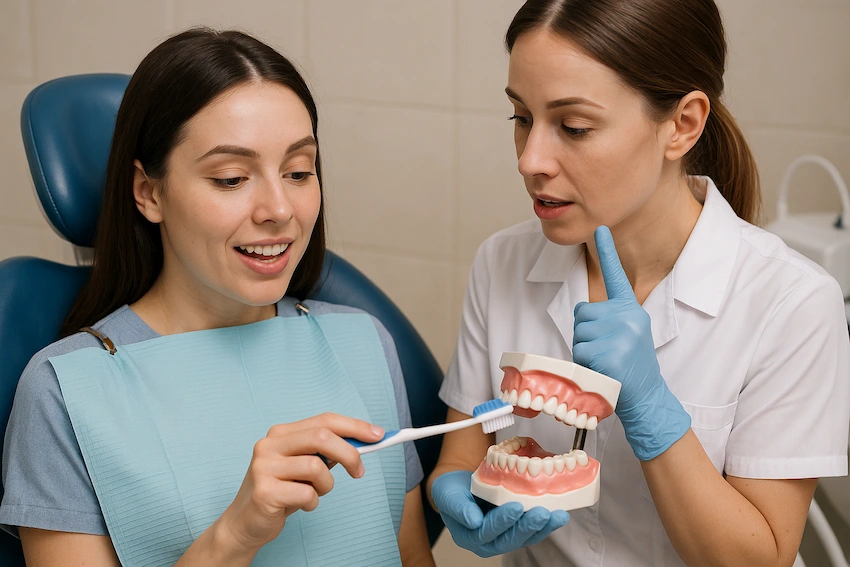
Within dental clinics, code D1330 is the identifier for an intervention that is carried out as part of the prevention and regular care program.Professionals in a dental office perform a thorough oral assessment, identify the problem areas, and, therefore, demonstrate the use of oral hygiene tools like an electric toothbrush, floss threaders, and small brushes for teeth. Instructed patients are given information on how often, how long, and which technique of oral hygiene will bring them the best cleaning results. Moreover, educators might also employ the use of printed materials, models, and videos to help the students.
The dental team documents the performance of the procedure in detail for correct coding and insurance reporting. Usually, the note mentions the methods that were demonstrated, the products that were recommended, and the patient feedback. This learning approach helps the dental team to gain confidence from the patients and persuade them to follow treatment instructions. Apart from that, several clinics have made it mandatory for their high-risk patients to have D1330 sessions as part of their standard care plans; thus, prevention stays at the center of the oral health management that is of a long-term nature.
The Benefits of Using Dental Code D1330
The usage of the D1330 code brings a variety of advantages to the patients and the dental practices. Clinically speaking, it facilitates the reduction of dental caries and periodontal inflammation through the production of educational material for the patients. Patients understand better their oral situation and are taught useful methods by which they can take care of their teeth themselves. The effect of this is that fewer emergency visits will be made, treatment will be less costly, and the patients’ satisfaction with the dental care results will increase.
Operationally, the use of D1330 leads to a higher quality of preventive services and allows for more detailed documentation of patient education. The dental staff using this code may communicate the importance of preventive care to the patient and ensure that education is acknowledged as a core clinical service. Benefits include:
- Improved control over the dental plaque and better gum health
- Greater patient compliance and engagement
- Early diagnosis and prevention of oral diseases
- Better communication between the dentist and the patient
- Higher patient loyalty and satisfaction
Cautions Related to Dental Code D1330
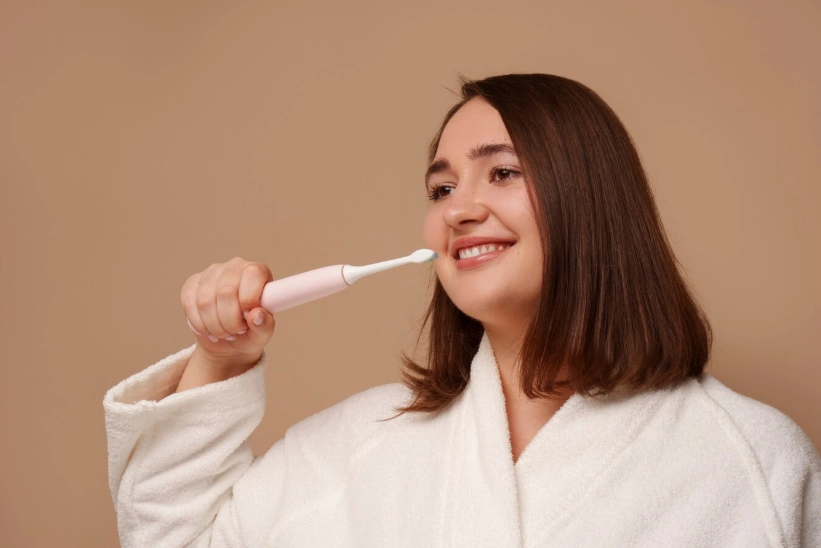
It is necessary that when a D1330 code is used, the dentist or the dental hygienist makes it a point to clinically tailor the oral hygiene instructions to the patient and also accurately document them. It should not be merely giving the same advice as usual but rather a newly constructed educational session that explicitly addresses the patient’s requirements. The record should include details on the techniques, the patient’s understanding, and the directions provided. Wrong or ill-conceived use of this code may lead to the non-acceptance of claims and a question of the ethical conduct related to the proper representation of the services given.
Additionally, oral health professionals should never allow themselves to become complacent about their knowledge of oral hygiene and preventive dentistry. Every appointment needs to be a reflection of the most recent scientific standards and the professional care guidelines. If a provider is using an old-fashioned protocol or giving a patient incomplete information, then the results of that patient may be affected in a negative way. Consequently, practitioners are required to stay updated with the ADA, CDC, and WHO guidelines on oral hygiene instruction to guarantee patient safety and deliver top-notch care.
D1330 Procedures: What Are the Limitations?
- An educational activity only, not a clinical procedure: D1330 is a code that is used to refer to the oral hygiene education solely given to the patient. It implies none of these – scaling, polishing, or any other therapeutic dental procedures.
- Without the inclusion of Topicals: The present code does not involve a fluoride varnish, polishing agents, or protective coatings. For those services, separate procedure codes like D1110 or D1206 have to be used.
- Insurance coverage may be limited: Most dental insurance plans allow reimbursement for D1330 only once every six or twelve months. Hence, each educational session should be documented in detail to support the claims made.
- It must be patient-specific: D1330 ought to be issued only when the education is individualized and clinically necessary. General guidance or routine reminder sessions are not eligible for this code.
- It necessitates detailed documentation: The clinical records should vividly illustrate the techniques performed, the materials used, the time of the session, and the patient’s reaction or understanding. Incomplete documentation can result in claim denials.
- It does not displace active treatment: D1330 is a measure that can be used alongside professional care, but it cannot be a substitute for therapeutic procedures. Patients having periodontitis or severely diseased situations are still required to undergo active treatment and maintenance therapy.
- It is necessary to recurrently monitor patients who have undergone treatment: Oral hygiene instructions should be an integral part of every subsequent visit. Patient compliance and technique improvement should be tracked continually.
- Have to Be Done by Licensed Personnel Only: Only licensed dentists or dental hygienists are allowed to provide and bill for D1330 services. Dental assistants or trainees cannot perform this operation independently.
- Dependent on Clinical Findings: Education provided under D1330 should be a reflection of the patient’s plaque levels, gingival condition, and oral hygiene habits. Providing general information is not sufficient for this code.
- Corresponding to Present Scientific Standards: The instruction should be in line with the current evidence-based guidelines of ADA, CDC, and WHO. The use of outdated or inaccurate teaching materials may endanger the patient’s safety and decrease the quality.
Comparison of D1330 with Related Dental Codes
| Code | Description | Service Type | Included Procedures | Notes |
| D1110 | Adult Prophylaxis | Preventive | Cleaning, polishing | Excludes oral hygiene instruction |
| D1330 | Oral Hygiene Instruction | Educational | Patient education, home-care techniques | Focus on prevention and self-care |
| D4341 | Periodontal Scaling | Therapeutic | Subgingival scaling and root planing | Requires diagnosis of periodontitis |
| D1206 | Fluoride Varnish | Preventive | Topical fluoride application | Often performed in the same visit as D1330 |
Example Case for D1330
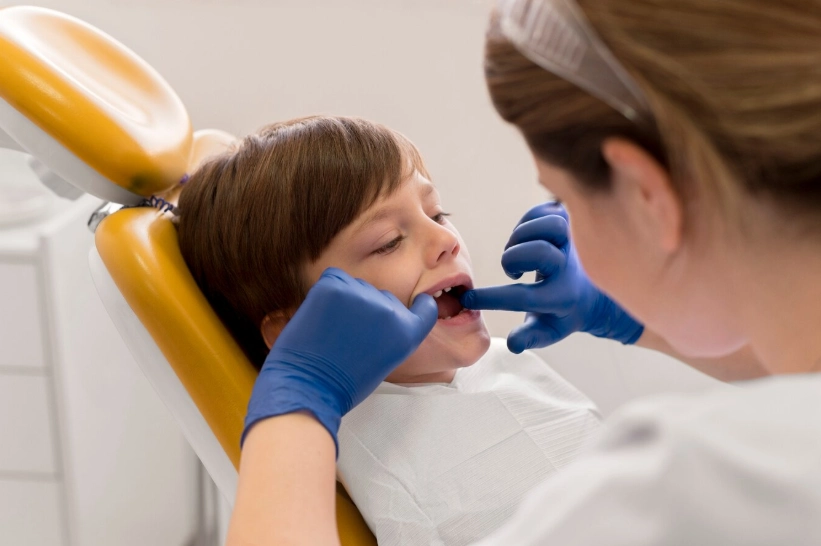
An individual aged 45 comes with symptoms of slight bleeding during brushing and visible plaque on the surfaces of molars. The dental hygienist reviews the patient’s method and finds that the patient is brushing excessively and horizontally to his/her gums which results in gum irritation. While attending to D1330, the clinician shows the patient the modified Bass technique, tells the patient how to clean the interdental using floss holders, and suggests the use of an antimicrobial mouth rinse. The patient repeats the method in front of the mirror until it is mastered, and written instructions are given for use at home.
During the follow-up visit three months later, the patient showed great progress in gum health, lessened inflammation, and improved plaque control. The result reflects how giving oral hygiene instructions to the patient is a powerful tool for self-care and is a great support for the maintenance of periodontal health in the long run. When D1330 is used correctly, it not only brings about a positive change in the patient’s health but also acts as a vehicle for the integration of personalized preventive education in dental practice.
References:
- American Dental Association. (2023). Current Dental Terminology (CDT 2024): The ADA reference manual. Chicago, IL: American Dental Association Publishing.
- Centers for Disease Control and Prevention. (2022). Oral health: Preventing cavities, gum disease, and tooth loss. U.S. Department of Health and Human Services.https://www.cdc.gov/oralhealth/
- Darby, M. L., & Walsh, M. M. (2021). Dental hygiene: Theory and practice (5th ed.). St. Louis, MO: Elsevier.
- Löe, H. (2000). Oral hygiene in the prevention of caries and periodontal disease. International Dental Journal, 50(3), 129–139. https://doi.org/10.1111/j.1875-595X.2000.tb00553.x
- World Health Organization. (2022). Oral health: Achieving better oral health as part of universal health coverage. Geneva: World Health Organization. https://www.who.int/publications
FAQs About D1330
D1330 focuses on educating patients to maintain effective oral hygiene practices that prevent dental disease and support lifelong oral wellness.
Licensed dentists and dental hygienists are authorized to perform and document oral hygiene instruction under D1330.
Yes, many insurance plans recognize D1330 as a preventive service when proper documentation is provided.
Typically once per preventive visit, depending on the insurance policy and clinical need.
No, D1330 covers education only; cleaning and fluoride applications require separate procedure codes.
It empowers patients to maintain daily oral health, reducing the risk of cavities and gum disease.
Yes, both pediatric and adult patients benefit from personalized hygiene instruction suited to their developmental stage.
Clinicians must record the methods taught, materials used, and the patient’s comprehension and engagement.
It enhances plaque control, supports periodontal therapy results, and minimizes recurrence of disease.
D1330 is strictly preventive, focusing on education and early intervention to sustain oral health.

