A very familiar phrase: “Say cheese” results in a mental image of smiling for a photo. Yet, in reality, the most picture-perfect moment for a dentist is not the photo shoot, it is the clean exposure in oral radiography. The invisible shots enable the dentist to have a deep glance underneath the tooth surface and gums. Dental X-rays make things visible that are imperceptible for the naked eye and frequently diagnose the problems at the initial stage, thus, the patient is not even aware of them.
Whenever it’s a check-up every half a year or it’s something more complex, Dental X-rays play a big role in dental health care worldwide. From the preemptive detection of decay to the regulation of the correct placement of implants or braces, Dental X-rays are in essence your oral health GPS. They are able to give you a clear picture of the situation and at the same time, dentists feel more confident in treating you safely and with all the necessary details. Give them proof and guidance and they will be the best.
Why Dental X-rays Safe? Why They Are a Must for Accurate Diagnosis?
First of all, let it be known once and for all – not every dental issue is visible to the eye during a regular examination. So are dental X-ray safe? Yes they are! Some of the remaining problems might be located under the surface of the teeth, between the roots of the teeth, or even in the jawbone. This is where dental X-rays come into play. They can undertake every single one of your teeth but they can also provide an account of your entire oral health without skipping any details.
Seeing the Unseen with Dental X-rays
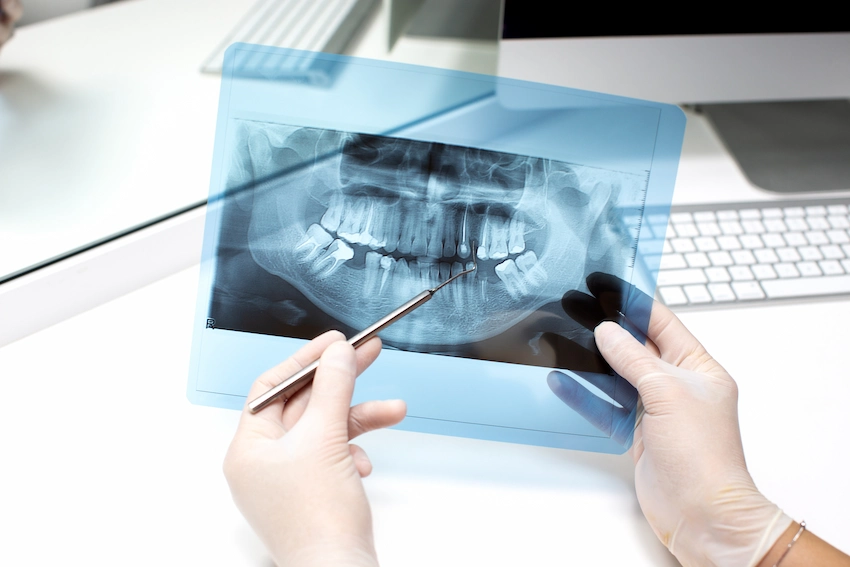
There are three different possibilities with regard to your appointment: a. The doctor could schedule you for an official visit and check your health and do some tests assess whether everything is okay and to make sure there is no underlying issue that could be dealt with in the very early:
- From caries between teeth to periodontal disease, all these might be the health issues taken from the dental X-ray imaging.
- Wisdom teeth not yet disclosed can be hidden as well as teeth partially inside the gums that are ready to come out.
- The draining of blood through the bone caused by infection in the gums of the teeth suggests a lack of bone density.
- Root infections or abscesses
- Tumors or cysts
- Changes after trauma or injury
Many of the good things in life don’t work until the last minute. That’s why dental X-rays are a key part of preventive care. When problems are identified on time, it results in treatments that are less agonizing, money-saving, and non-surgical.
Are Dental X-rays Safe? What You Need to Know
One of the biggest concerns that a patient has while sitting terribly still in a dentist’s chair is scoping because the dangers of dental X-rays often cross their minds. Well, considering the current technologically advanced digital X-ray equipment, the answer is “yes, very safe” to be precise.
Apart from everything else, the radiation emitted when conducting dental X-rays is extremely low as well as far lower than the readings exposed to someone flying for about 1 hour is longer or using the cell phone for a record forty hours. Presenting factual evidence as to the accuracy of the dosage that can be observed from dental X-rays, it is crazy to think of it as a huge level threat to the human body.
How Often Should You Get Dental X-rays?
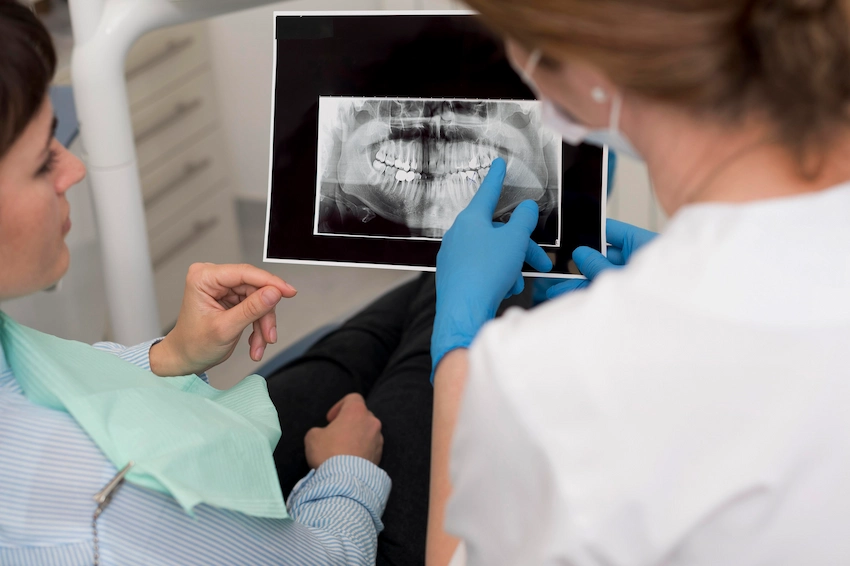
There actually isn’t one definite reply that fits all. The dentist will use not only the patient’s age, but also the oral health history, the symptoms, and the treatment needed to make a decision. Typically, some people may require dental X-rays only once in 1-3 years. However, individuals who are in the process of a specific treatment, for example, the case of individuals with the need for implants, root canals or orthodontics may be advised to conduct them more frequently.
As in the case of children, the dental X-ray has become a part of their regular check-up routine as the growth of their teeth and jaws is still in progress so the former can assist in the early detection of the problems that might occur. From the same point of view, the patients who have undergone issues like gum diseases or chronic decay or have got restorations like crowns or bridges may be required to attend more frequent visits than those without such issues.
Whether the situation develops in such a way that, for instance, monthly or yearly examinations are necessary as compared to the standard, the dentist can always give the patients the best and prompt information.
How Dental X-rays Safe? Are they Needed?
The back story of each successful dental procedure is planning and the use of dental X-rays forms the basis of that plan. The best case in point, if you are going to have dental implants, for example, is that prior to placement, the dentist requires you to perform a thorough evaluation. And one of the most important procedures is checking the density of the bone, the placement of the teeth, and the location of the nerve which requires the most precise imaging technique.
The use of dental X-rays is of the utmost importance in a wide range of dental treatments, beginning with orthodontic work, tooth extractions, root canal therapy, and even involving cosmetic procedures such as veneer use. Furthermore, the unspoken role of dental imaging is to assure a patient that no hidden inconveniences will appear and at the same time give the dentist a free way to arrange the most suitable, protected, and efficient medical treatment individually for each patient.
FAQ: Dental X-rays Safety
No, a Dental X-ray will not inflict pain on you. It merely consists of having a small sensor or film placed in your mouth, with the machine capturing images in seconds.
And the frequency is actually based on your age, dental record, and present health condition of your teeth. As a rule, most people, not every two years, who are in good health receive dental x-rays every one or two years, while some individuals require them more often.
Indeed, exams of the teeth by means of X-rays can help to find a problem in a very complex area between two teeth, or under dental fillings not detected with the naked eye.
In case of an emergency, with suitable protective measures and necessary safety precautions, dental x-rays are safe for the pregnant woman to have. However, if there is no urgent need, the routine dental x-rays are often not done during the pregnancy period.
Digital Dental X-rays are a safe, simple and fast way to get the X-ray image of your mouth without applying an unnecessary amount of radiation used in traditional film-based X-rays.