


Dental straightening is a major clinical intervention that leads to improved oral health, functional stability, and occlusal balance. The alignment of teeth has a direct impact on the efficiency of chewing, plaque control, periodontal health, and the distribution of bite forces over the dental arches. Teeth that are malpositioned become a source of dental caries, periodontal diseases, abnormal tooth wear, and temporomandibular joint stress.
The majority of patients perceive dental straightening as a purely cosmetic procedure. This is only partially true. Orthodontic alignment is the one that actually goes deeper to the core and structurally balances the body, which in turn enhances oral health. Today’s dental straightening methods are all about controlled biomechanics, digital diagnostics, and personalized treatment planning that lead to stable results of the long-term kind.
Here, we try to acquaint you with the different dental straightening means through a lens of dental health, emphasizing diagnosis, treatment selection, biological safety, and long-term maintenance.
What Are Dental Straightening Options?
Dental straightening options refer to orthodontic and other dental interventions that relocate the teeth to eventual anatomical and functional positions. These procedures help to solve the problems of crowding, spacing, rotations, tipping, and malocclusion.
Dental surgeons assess the alignment of teeth relative to the structure of the jaw, bone support, condition of the periodontium, and forces of occlusion. Good alignment makes it possible for the forces engaged in chewing to be distributed evenly over teeth and the supporting tissues.
Straightening choices come with fixed orthodontic appliances, removable aligners, and selected cosmetic interventions. Each of them is limited to serve a specific clinical indication and it takes a determined, exact planning.
Why Do Teeth Become Crooked or Misaligned?
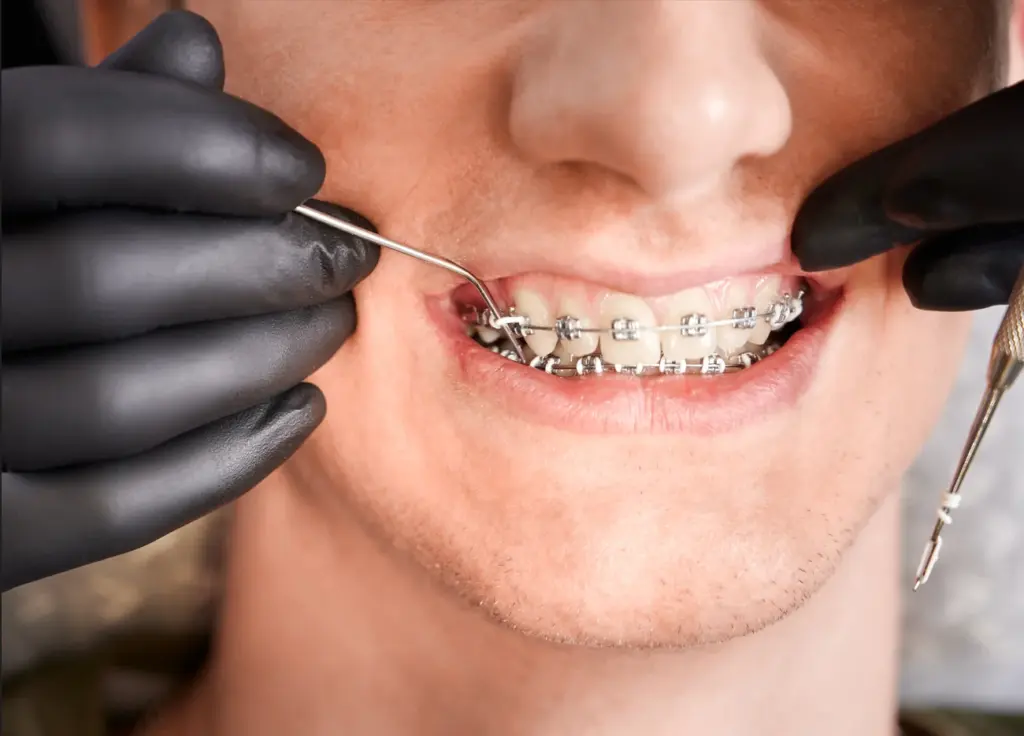
The main causes of improper positioning of teeth are genetic factors, development, and acquired factors.
Genetic inheritance props up the features of the jaw, such as size, tooth size, and the order of eruption. If the tooth size is larger than the space available on the jaw, there will be crowding of the teeth. If tooth size is smaller than the dimensions of the jaw, there will be spaces between the teeth.
The developmental factors that affect the growth of the child, such as thumb sucking, tongue thrusting, prolonged pacifier use, and mouth breathing, all change the muscular forces during growth. These forces determine the way teeth come out and the development of the jaws.
If primary teeth are lost too soon, this gives the chance for the teeth near the space to move in there. This movement blocks the way for permanent teeth to come in, and malalignment appears.
Periodontal bone loss is what leads to reduced tooth support in adults, and the teeth become capable of shifting. Tooth loss, untreated malocclusion, and the remodeling of age-related bones that go along with progressive misalignment are the factors that add up to it.
Under these circumstances, if no corrective treatment is sought, changes will not only jeopardize oral health but also get worse over time.
Who Is a Suitable Candidate for Dental Straightening?
Dental straightening is an ideal solution for patients who have healthy periodontal tissues, sufficient bone support, and stable temporomandibular joints.
Dentists carry out thorough examinations that consist of clinical examination, periodontal evaluation, radiographic imaging, and occlusal analysis. The assessment helps to identify risk factors that may impede tooth movement.
If a patient suffers from periodontitis, the condition must be stabilized before the commencement of an orthodontic regimen. The control of inflammation makes sure that the movement of teeth is safe and that bone loss is prevented.
Despite age, dental straightening can still be performed with great results in different age categories as long as oral health is well taken care of.
Traditional Braces and Their Role in Oral Health
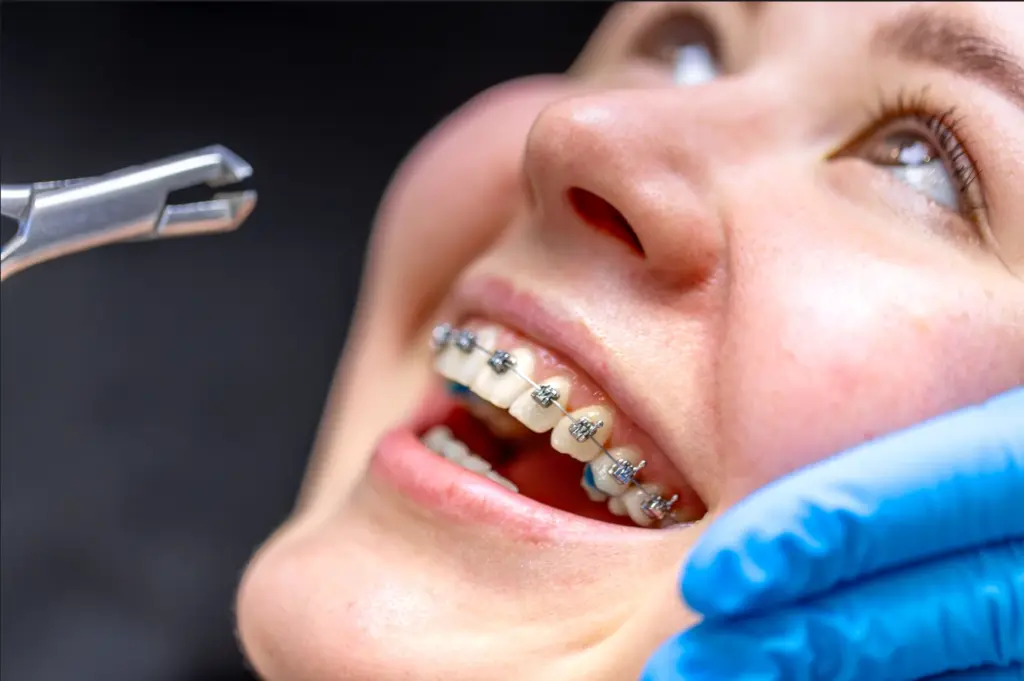
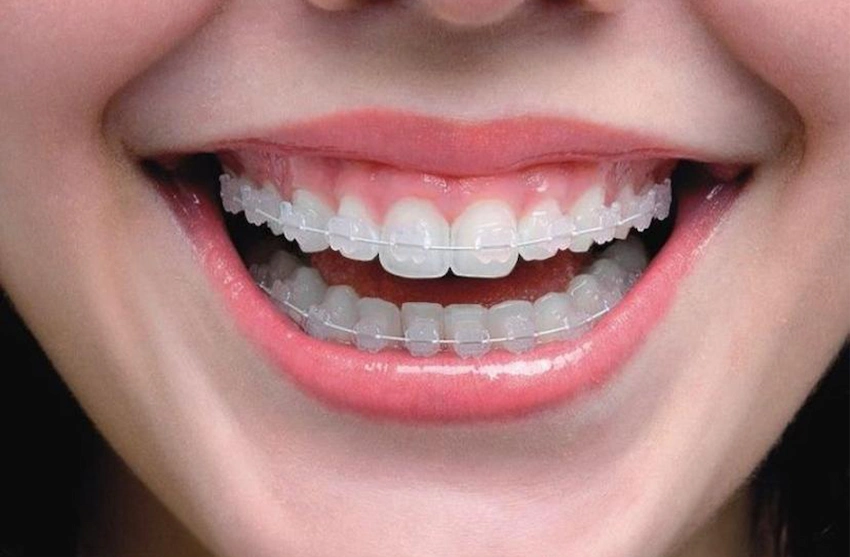
Braces of conventional type employ both brackets and archwires to give the continuous and very controllable forces that are necessary for the movement of bones in orthodontics. The forces make the bone resorb and form again, thereby the teeth can be moved to the desired places in the dental arches.
Orthodontists advise braces in the treatment of complex malocclusions, the examples of such being severe crowding, rotations, deep bite, open bite, and crossbite. Braces provide accurate three-dimensional control of tooth movement.
The advancement of modern bracket systems and the use of sophisticated wire materials have brought about increased comfort and effectiveness. Stably aligned teeth that are the result of properly run treatment with braces can be the foundation of oral health in the long run.
Clear Aligners as a Dental Straightening Option
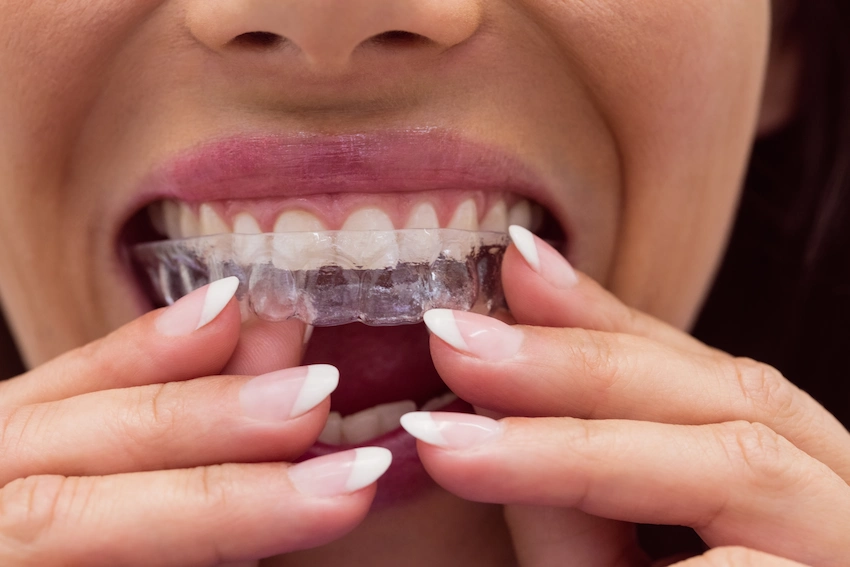
The movement of teeth is also possible with the help of a series of trays that are digitally prepared, removable, and can be used one after another; hence, the teeth will gradually and softly get pushed to their new places as planned. Each tray in a set of aligners can exert a certain level of force on a given tooth or group of teeth.
Aligners are capable of correcting mild to moderate cases of dental misalignment, such as the presence of gaps, crowded teeth, and slight bite issues. They also contribute to oral hygiene since the patient can take off the trays when brushing or flossing.
The achievement of the therapy goal rests on the patient wearing the appliance consistently and the presence of the monitoring doctor. In fact, when going about it properly, clear aligners can bring about results that are both predictable and biologically safe.
Lingual Braces and Hidden Orthodontic Treatment
Lingual brackets are the ones that get fixed on the inner sides of the teeth and hence, the speech and smile do not reveal them to people. In terms of working, they are almost similar to regular ones but require more customization.
An orthodontist advises the use of the lingual appliance to the patient when the commitment to the comprehensive correction of the dental issues is there and the choice of the discreet appliance is preferred.
The proper short answer for planning is that it guarantees just that, the effectiveness of tooth movement, and at the same time, the reduction of speech issues and discomfort to minimum levels.
Dental Straightening Without Orthodontic Appliances
There are some restoration dental methods through which a person can be helped in improving the alignment of his/her teeth, especially when the problem is not severe.
Composite bonding covers the teeth to the extent that the teeth look perfectly aligned. Porcelain veneers change the form and the size of the teeth to hide the minor irregularities.
Neither of these methods biologically relocates the teeth. The dentists apply these as a means of support to patients with stable occlusion and very few alignment discrepancies.
Cosmetic straightening can be potentially harmful to oral health if the wrong choices are made for the case.
How Long Does Dental Straightening Take?
The period of treatment is determined by the severity of malocclusion, the kind of apparatus, and the biological response.
Usually, the duration of clear aligner therapy is from some months to two years. In the case of traditional braces, the time needed may be longer, especially in complex situations.
The timing of the treatment for each patient is set by the dentists, who base it on their diagnostic and digital treatment planning. Following the instructions given is the factor that directly determines how long the treatment will take.
Oral Health Benefits of Dental Straightening
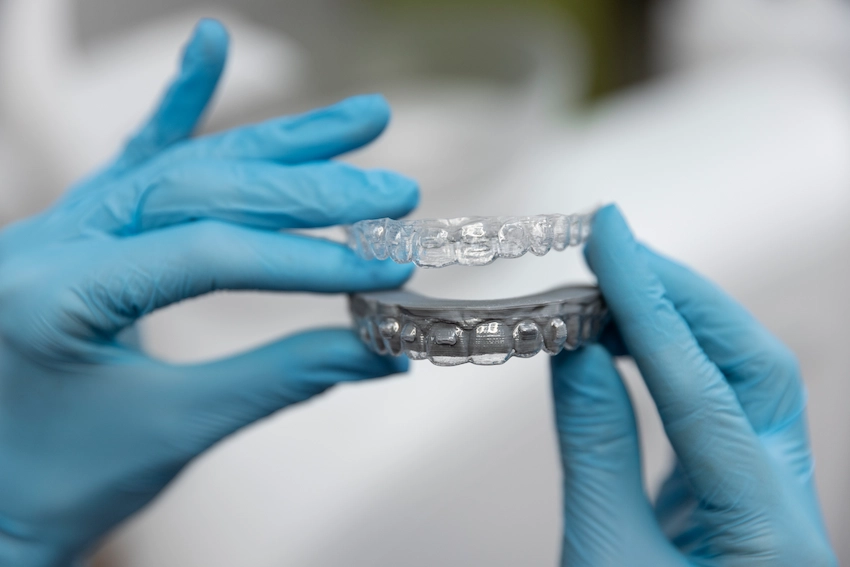
By removing the areas of overlapping where the plaque and bacteria find their way and thus, the oral hygiene that was performed before becomes much easier, dental straightening has done a good job.
The forces of occlusion are transferred in an even manner to all the teeth that are now properly aligned, thus, enamel wear and the risk of fracture are reduced. Also, improved alignment provides support to healthier periodontal tissues through the reduction of the inflammatory factors.
By keeping the tooth structure as well as the bone that supports it in a stable condition, straightening lowers the chances that restorative interventions will be needed in the future.
Dental Straightening in Adults and Periodontal Considerations
Orthodontics for adults is a challenge that calls for a certain degree of periodontic management. Mature bone, however, is equally as good at responding to carefully controlled orthodontic forces, provided inflammation is not there.
As a protective measure for the bone and the periodontal ligaments, the dentist decides to apply only lighter forces in adults. The follow-up phase is the time when safety is guaranteed, and trust in long-term stability can be established.
Adult dental straightening can be a great source of functional improvement and disease risk reduction if only it is properly guided and followed.
Orthodontic Diagnosis and Treatment Planning
Diagnosis involves the use of digital impression materials, radiographic evaluation, facial analysis, and occlusal assessment.
Dental surgeons inspect the positions of roots, the density of bones, the inclination of teeth, and the relations of jaws. This information helps to define movement limits that are safe and also aids in selecting the right appliance.
Being fully planned, the patient is assured of fewer difficulties and therefore better results of the treatment.
Digital Planning and Predictable Alignment
The digital planning program is able to do a simulation of the final stage of orthodontic treatment even before the real work begins.
The patients see what they can expect, understand the time needed for the treatment, and actively take part in the decision they make. Using digital planning, the precision and predictability of the treatment are enhanced.
The technology in question makes it possible for the results achieved in different clinics to be of the same standard.
Retention and Long-Term Stability After Straightening
Without retention, teeth keep moving. Retainers help to stabilize the results once the treatment is over.
Dental surgeons decide on fixed or removable retainers and determine an individual relapse risk for each patient. The benefits of oral hygiene are there for long-term retention to safeguard.
Continued stability is possible through regular follow-up visits.
Dental Straightening and Jaw Health
The proper working of the dental arches is assured by good alignment that balances the forces of occlusion.
In effect, balanced forces are those that are less likely to cause problems for the jaw joints and muscles. What is more, the equilibrium supports the temporomandibular joint health as well as the ease of its functioning.
Dental straightening is one of the factors that lead to the overall condition of the stomatognathic system.
Frequently Asked Questions About Dental Straightening Options
Teeth can move due to factors such as genetics, aging, bite imbalance, periodontal bone loss, or tooth loss. If misalignment is not dealt with, it usually continues to develop slowly.
Absolutely not. Besides improving bite function, oral hygiene access, and periodontal health, dental straightening also enhances the appearance of the smile.
Sure. Good alignment eliminates plaque-causing areas and thus makes gum tissue healthier, provided that oral hygiene is also practiced.
Certainly. Properly aligned teeth take the chewing forces evenly, thereby stopping abnormal enamel wear and tooth fractures.
Clear aligners are a safe option only if the treatment is planned and monitored by a dentist. The force should be applied in a controlled manner so that the bone and periodontal tissues are not harmed.
Braces are the only option in the case of complicated situations with extreme crowding, severe rotations, or large bite discrepancies. With braces, one can achieve precise three-dimensional control of the teeth.
American Dental Association. (2022). Orthodontic treatment: How braces and aligners improve oral health. Journal of the American Dental Association, 153(6), 525–533.
American Association of Orthodontists. (2021). Biological principles of tooth movement and orthodontic force application. American Journal of Orthodontics and Dentofacial Orthopedics, 159(4), 497–506.
Proffit, W. R., Fields, H. W., Larson, B., & Sarver, D. M. (2019). Contemporary orthodontics (6th ed.). Elsevier.
British Dental Journal. (2020). The relationship between orthodontic treatment and periodontal health in adult patients. British Dental Journal, 228(9), 673–679.

