Painful teeth are a continuous irritation that at times makes it impossible for one to carry out one’s normal activities such as eating and drinking. The result of extremely hot, cold, or sweet foods can be quite excruciating yet the good news is that it is possible to look after your teeth and alleviate that pain. Dental sealants for sensitive teeth make the most effective solution available to us.
Today dental sealants are being used for mostly 2 purposes: to not expose your teeth to sensitivity and to be protected from forming bacteria, food, and debris which will result in cavities. These problems can occur in children, but the effectiveness of the strategy of applying dental sealants for sensitive teeth has been tested, and adults can benefit from this use too.
What Are Dental Sealants and How Do They Help?
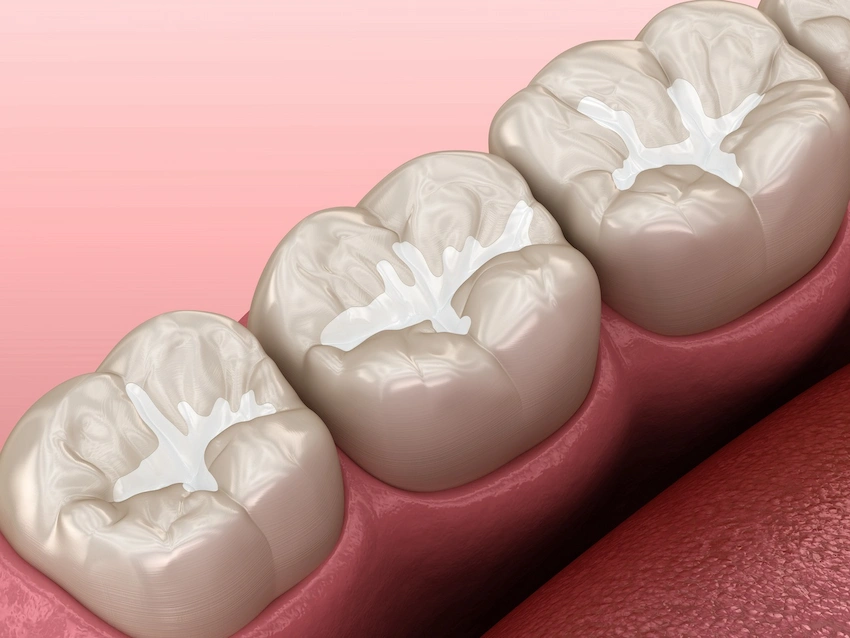
They are plastic material applied to your molars. Because of the deep grooves and fissures in these areas, they are usually filled with both plaque and food particles and would be the best places to have the dental sealants for sensitive teeth.
Basically, the sealant forms a very protective coat which acts as a type of filter that keeps off acid and the foods that cause plagues, and, in effect, prevents the teeth from becoming sensitive. Moreover, for people with tooth sensitivity, sealants are a good shield against the discomfort of toothache.
If the wear of the tooth enamel and periodontal diseases are the main reasons for sensitivity, they can be applied to the teeth to prevent food particles and liquid from getting to the sensitive parts hence the pain from temperature or pressure changes will be less.
How Are Dental Sealants for Sensitive Teeth Applied?
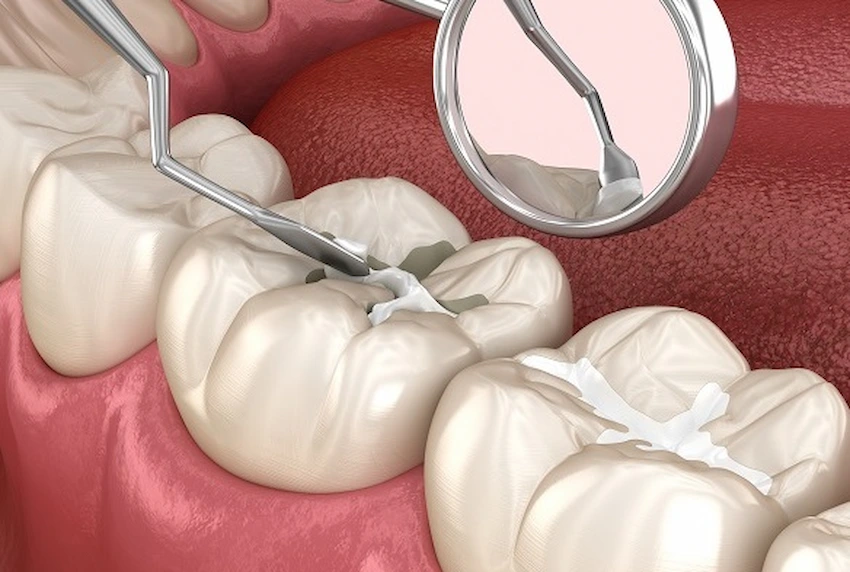
The dental sealants for sensitive teeth’s procedure is easy and takes a very short time to be carried out by your dentist in only one visit. The first thing is to clean your teeth completely to eliminate any plaque or particles of food left on the surface. After the teeth have been dried, the dentist puts a gel onto the teeth that have the power to the tooth surface.
This texture, in the second stage, is responsible for the resulting sealant improving its adhesion to the tooth. Subsequently, the dental professional covers the pits, grooves, with the liquid sealant. The usual color of the dental sealants for sensitive teeth material is clear or white, which makes it hard to tell whether the tooth is real or the coating.
With the help of a unique light, the dental sealants for sensitive teeth material is left to harden, thus preventing the sealant from being dislodged. It does not usually take long to finish the procedure, and one can walk out of the clinic immediately without having any anxiety for his teeth.
The Benefits of Dental Sealants for Sensitive Teeth
Among the major benefits of dental sealants for sensitive teeth is that they give extremely durable protection to your teeth. This is particularly significant for sufferers of tooth sensitivity. This protective layer acts as a shield, making your teeth less sensitive to the effects of things that usually cause dental pain.
Besides that, the feature of a dental sealant of (also) serving as a cavity-repellent is also there. The slightly plastic paint gives the practice of plaque and bacteria and their colonization in the nooks and crannies a difficult thing. If you have very deep grooves or pits in the chewing surfaces of your teeth, the dental sealants for sensitive teeth will be able to fill these areas thus preventing decay, and this, in turn, contributes to the reduction of pain and sensitivity over a long period.
Maintaining Your Dental Sealants
Although dental sealants for sensitive teeth are fantastic, their application is not the end of the story. You still have to take care of them in the wake of their installment. It is known that the type of sealants that are resistant to the highest degree will demand a dentist’s visit very rarely, maybe once in a few months when they are on the teeth sent to heavy chewing.
In regular dental visits for exams or cleaning, the dentist will, in addition, confirm the integrity of your sealant, and only when necessary, he/she will redo them. Oral hygiene can’t be overlooked however sealants are a must. Brushing the teeth, flossing, and using a mouthwash will not only preserve your teeth but also take care of your gums as the primary means of protecting them.
Another tip is to avoid hard foods as much as possible, and do not use your teeth to open stubborn packages because such practices can result in dental sealants for sensitive teeth getting damaged.
When Should You Choose Dental Sealants for Sensitive Teeth?
To recall,dental sealants for sensitive teeth , as a preventative measure, are an ideal option for patients unaware of most distressing dental diseases. Sealants are helpful in preventing oral diseases in case patients feel tooth sensitivity from eating hot, cold, or sweet food or have teeth with deep grooves or pits but still, an individual should find out from a dentist if they need the dental sealants for sensitive teeth.
FAQs About Dental Sealants for Sensitive Teeth
Yes, dental sealants are beneficial for dealing with tooth sensitivity as they act as a coating that stops food, drinks, and bacteria from getting to the more sensitive parts of the tooth.
Dental sealants usually stay for a long time, but their lifetime is determined by things such as your teeth’s daily use and stress. Regular visits to the dentist will guarantee that the sealants have not worn off.
Dental sealants are generally a method employed for kids to avoid cavities. However, they could still be of use to adults, particularly those who have sensitive teeth and deep molar grooves.
Yes, dental sealants are perfectly safe. The materials that are contained in sealants are given green light by the specialists and have proven to work efficiently in shielding teeth.
If you have any cavities, treatment of the tooth is a priority in the first place. Nevertheless, healthy teeth can still be sealed after the cavities have been taken care of.