


Dental retainers are the devices that stabilize your teeth after orthodontic treatment and keep the corrected alignment with controlled pressure. Your retainer makes the first stabilizing changes in the periodontal ligaments that are the natural shifts occurring due to the adaptation to the new tooth position. This adaptation period varies from patient to patient; therefore, consistent retainer use is the only way to keep long-term stability. Dentist Polen Akkılıç and her team are very keen on proper retainer wear, that not only retainer wear is a must, but also it is a very good thing for the overall function of the oral cavity.
A dental retainer is a device that you put in your mouth to make the results of braces or aligners the therapy, predictable and stable. Your retainer helps to keep the bite balanced, lessens the strain on the jaw muscles, and decreases the risk of the return of crowding or spacing. Professor Doctor Coşkun Yıldız points out that retainers also help to achieve the best possible smile by maintaining its harmony. When you get to know the function of each type of retainer, you will be able to choose the one that is in line with your treatment needs and daily habits.
Fixed vs. Removable Dental Retainers
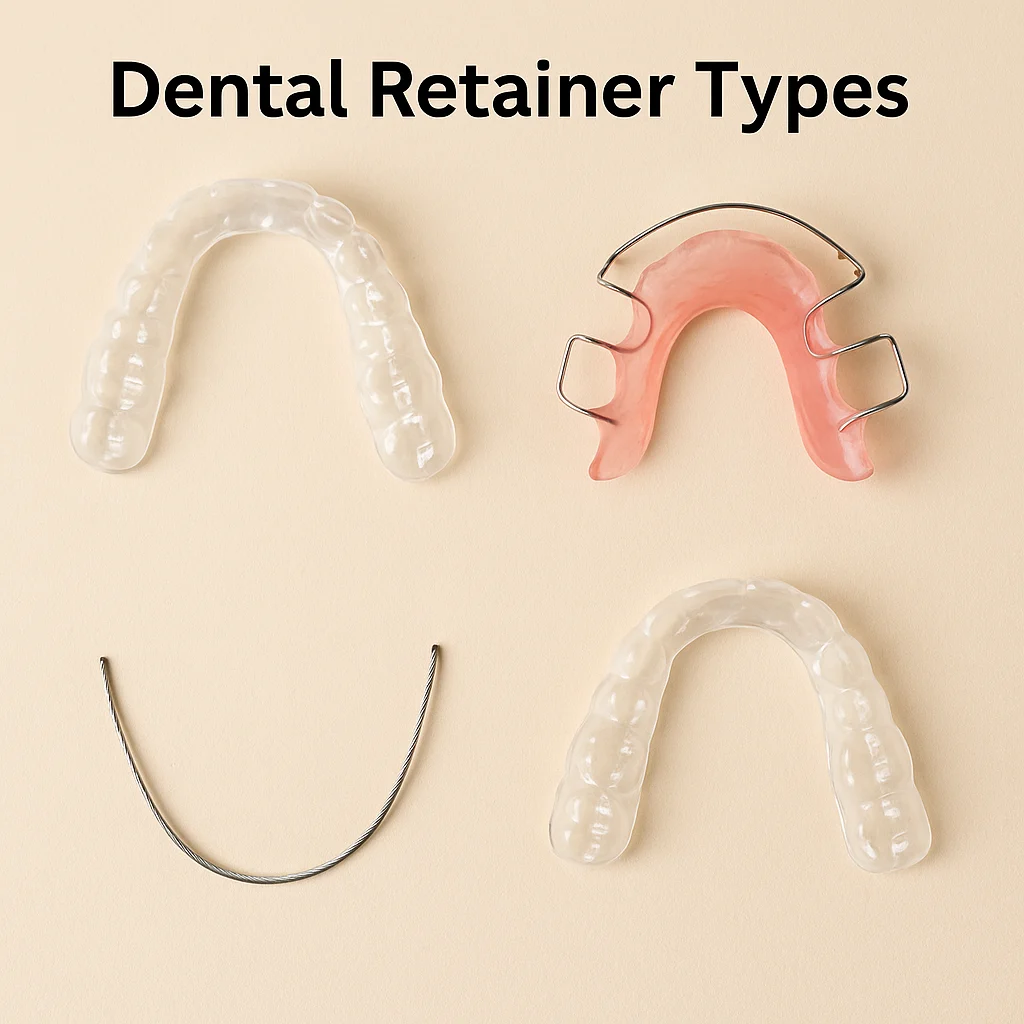
Fixed dental retainers provide stability all the time as the wire is attached to the back of your teeth and does not require removal. This strong variant offers retention at any time of the day or night, thus it is suitable for those patients who want a solution without any additional work. Dentist Polen Akkılıç and her team advice this method for the lower front teeth most often as this area is the one that relapses faster. Apart from that, a fixed retainer also lessens the possibility of losing or using the retainer inconsistently.
With removable retainers, you are in control of situations because you are allowed to take them off when having meals or brushing your teeth. Such a design leads to better oral hygiene and at the same time stable alignment is achieved. Quite a lot of patients opt for removable retainers as they can check the comfort, clean the appliance properly, and change it when it gets worn out. Professor Doctor Coşkun Yıldız states that removable options are suitable for people who are committed to the instructions given, and are looking for a light and flexible product.
| Retainer Type | Visibility | Durability | Maintenance Needs | Clinical Indication |
|---|---|---|---|---|
| Clear Plastic Retainer | Very High | Moderate | Moderate | Esthetic preference, post-aligner care |
| Hawley Retainer | Moderate | High | Low | Adjustable retention, long-term use |
| Fixed Bonded Retainer | Hidden | Very High | High | High relapse risk, anterior stabilization |
Clear Plastic Retainers (Essix Retainers)
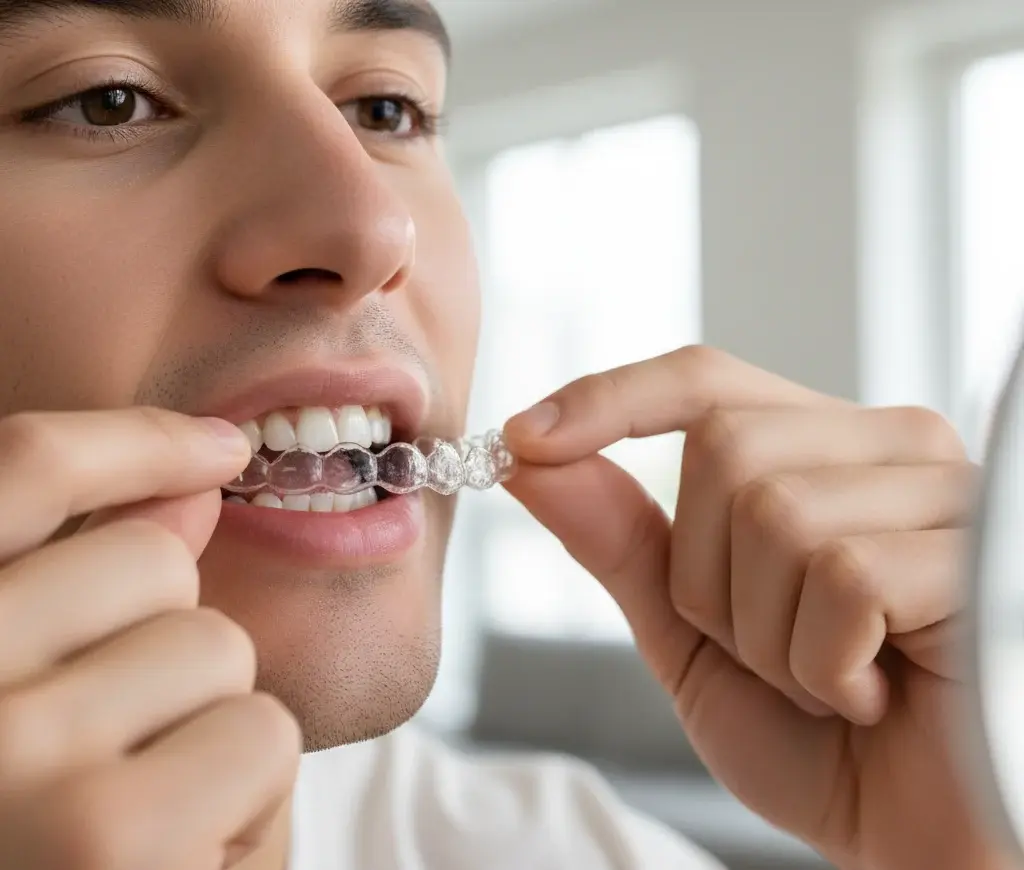
Transparent plastic retainers are formed very close to the teeth and are almost invisible, resulting in excellent esthetics and comfort. By the gentle and uniform pressure over the entire dental arch, these retainers secure the teeth in their new position. Quite a few patients like the clear design because it is totally natural with the smile and the soft tissues are in contact with a smooth surface. Dentist Polen Akkılıç and her team frequently choose this type for the patients who are in search of a retainer with the same feeling as that of clear aligners.
Clear retainers should be worn with care because if the material is subjected to a high temperature, it can lose its shape. You keep them serviceable by putting them in a protective case and cleaning them with a mild product. The latter is an excellent choice for those who put esthetics first and are willing to go for a low-profile appliance. Professor Doctor Coşkun Yıldız remarks that clear retainers are a source of reliable retention if patients follow their instructions and keep regular consultations.
Hawley Retainers
Hawley retainers consist of acrylic and metal parts that give strength and make the device adjustable. The main idea of this design is that your dentist is able to help with fine-tuning the positioning of your teeth after the active phase of the therapy. Many patients find this feature so helpful as they can manage minor alignment changes without going through the whole course of treatment again. Dentist Polen Akkılıç and her team stress that Hawley retainers provide good resistance and have a stabilizing function in the long run.
Hawley retainers keep the air flowing through the teeth as they are not fully cover the biting surfaces. Proponents of such a design say that it works in the production of a more natural bite feeling which helps some patients to adapt faster. The acrylic piece can be decorated with different colors or patterns thus giving the patients a unique experience. Professor Doctor Coşkun Yıldız states that Hawley retainers are a trustworthy solution for those who want a durable, adjustable, and easily repairable appliance.
Fixed Bonded Retainers
Fixed bonded retainers ensure continuous stabilization with the help of a thin wire that is attached to the inner surfaces of the front teeth. The structure makes daily removal unnecessary and thus retention can be very consistent throughout the day as well as the night. Such a solution is chosen by many patients as it promises alignment over the long run without the risk of forgetting the appliance. Dentist Polen Akkılıç and her team points out that bonded retainers ensure the best grip in the areas that relapse most often.
Those with fixed retainers need to be very careful with their oral hygiene as if not cleaned well plaque will build up along the wire. Gum care is achieved by the use of small interdental brushes and floss threaders which help you get to the spaces around the retainer. Professor Doctor Coşkun Yıldız points out the necessity of doctor’s appointments in order to check if the wire is still strong and doing its job properly.
How to Clean and Maintain Your Retainer
First and foremost, you take care of your retainer by using mild cleaning agents that are safe for the material and supportive of the oral hygiene routine. A soft toothbrush along with a mild cleansing agent will help you remove the debris without damaging the surface. Such a habit serves as a preventive measure against bacterial buildup and is at the same time a support for gum health. Dentist Polen Akkılıç and her team urge patients to put their retainers in a safe place so that they are not deformed or lost.
Another way to take care of your retainer is by refraining from putting it close to sources of heat, and from using harsh chemicals and putting too much pressure. These factors contribute to the change of the material and eventually, the retainer will no longer be effective. Professor Doctor Coşkun Yıldız advises on regular visits to the dentist to check on the retainer’s condition and proper fit. By keeping up with these simple maintenance steps you are not only protecting your smile but also guaranteeing stability for a long time to come.
Benefits of Using Dental Retainers
Dental retainers keep the teeth in the positions that the orthodontist arranged by stopping unwanted movements of the teeth. Retainers, if used regularly, are the main protection of your smile against crowding, spacing, and changes in the bite. Dentist Polen Akkılıç and her team point out that retainers also contribute to the maintenance of facial symmetry and the support of periodontal stability in the long run. All these advantages bridge the gap between good function and aesthetics.
Furthermore, you get better mastication and jaw comfort as your teeth remain properly aligned. Retainers are the ones who make sure that the bite forces are evenly distributed thus the enamel is safe from wear and tear, while this way, the muscles get less fatigued, too. Professor Doctor Coşkun Yıldız conveys the idea that retainer use is a good predictor of long-term treatment outcomes and a strong ally in oral health care throughout life.
Signs You Need a New Retainer
- The retainer is loose or tight in its fit
- There are visible cracks
- Teeth start to shift
- The retainer material changes color
- You’re unable to clean the device properly
Retainers may get weak or change their shape even after a long time, thus noticing the changes at the very beginning is a way to keep your orthodontic results for a long time. Dentist Polen Akkılıç and her team suggest that you should always check your device to make sure it still fits well and is able to keep your teeth aligned.
A retainer that is worn out or broken is not able to provide the same pressure, thus the risk of teeth moving in an unwanted way becomes higher. Professor Doctor Coşkun Yıldız is giving the advice of setting up regular visits so that doctors can inspect the device and make a decision if it has to be changed.
Refences
- American Association of Orthodontists. (2020). Retention and long-term stability after orthodontic treatment. AAO Clinical Practice Guidelines. https://www.aaoinfo.org
- Graber, L. W., Vanarsdall, R. L., & Vig, K. W. (2017). Orthodontics: Current principles and techniques (6th ed.). Elsevier.
- Littlewood, S. J., Millett, D. T., Doubleday, B., Bearn, D. R., & Worthington, H. V. (2016). Retention procedures for stabilising tooth position after orthodontic treatment. Cochrane Database of Systematic Reviews, 1(1), CD002283.
- Proffit, W. R., Fields, H. W., Larson, B. E., & Sarver, D. M. (2018). Contemporary orthodontics (6th ed.). Elsevier.
- Renkema, A. M., Al-Assad, S., Bronkhorst, E., Weindel, S., & Katsaros, C. (2019). Effectiveness of bonded retainers in preventing relapse after orthodontic treatment: A systematic review. The Angle Orthodontist, 89(5), 765–773. https://doi.org/10.2319/110618-801.1
- Shaughnessy, T. G., Proffit, W. R., & Samara, S. A. (2016). Orthodontic retention: What we know and what we still need to learn. American Journal of Orthodontics and Dentofacial Orthopedics, 150(5), 602–613. https://doi.org/10.1016/j.ajodo.2016.07.019
- Zachrisson, B. U. (2015). Important aspects of long-term stability. Seminars in Orthodontics, 21(3), 185–194. https://doi.org/10.1053/j.sodo.2015.06.002
Frequently Asked Questions About Dental Retainer Types
A dental retainer maintains tooth alignment after orthodontic treatment. It stabilizes the surrounding tissues and prevents relapse.
Most patients begin with full-time wear and transition to night-only use based on clinical assessment. Your dentist determines the precise schedule according to your needs.
Fixed retainers provide continuous stabilization and reduce patient error. Removable retainers also work well when used consistently.
Clear retainers typically last one to three years depending on wear and care. Your clinic evaluates the condition during routine checkups.
They remain safe when cleaned correctly. Proper hygiene around the wire prevents inflammation and plaque buildup.
Yes, Hawley retainers remain clinically valuable. Their durability and adjustability make them ideal for long-term use.
You should remove removable retainers before meals to prevent damage. Fixed retainers remain in place during eating without issues.
A tight retainer may indicate minor tooth movement. Wearing it consistently often restores alignment, but clinical evaluation is recommended.
Yes, heat can warp thermoplastic materials. Always store your retainer in a cool, dry place.
Your dentist evaluates your alignment, periodontal health, and lifestyle. Clinical examination determines the most suitable option for long-term stability.

