


Dental Code D9420 is a code that is used when dental treatment is performed in a hospital or surgical center. This code is a method of payment by which dental professionals, such as Dentist Polen Akkılıç and her team, can get the money they are due for the special care they have given in those places. D9420 is the means by which the anesthetic, sedating, or specialized medical supervising required procedure is identified, thereby empowering the realization of the correct billing and documentation of dental services in these settings.
For instance, individuals undergoing complex surgeries such as jaw reconstructions or dental implant placements may need to obtain services that are beyond the capabilities of a standard dental office. A hospital or surgical center, therefore, becomes the safest place for such advanced procedures to be done. Hence, the application of D9420 serves as a means to ensure the accuracy and remuneration of the dental services rendered in such highly complex, medically supervised environments.
What is the Meaning of Dental Code D9420?
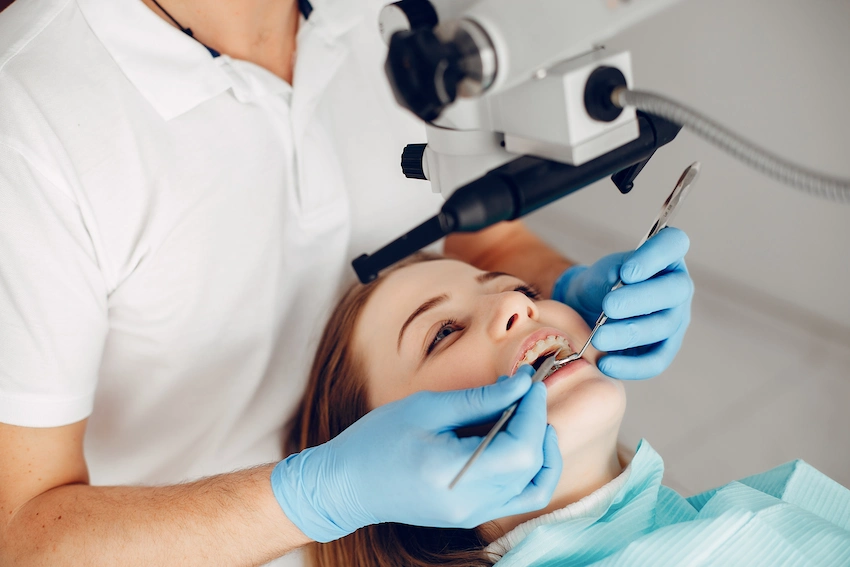
Dental Code D9420 is the identification of dental services that are provided in a hospital or surgical center. The dental office is closed, and a dentist, for example, Professor Doctor Coşkun Yıldız, has to come to provide his/her services to the patient due to the complicated nature of the operation. Then this code is used to indicate that the treatment is going on in a hospital or surgical center when a patient is given dental work with sedation or general anesthesia.
The dentist, in these situations, works with the hospital or surgical center medical staff to ensure the safety of the patient and the success of the operation. The dentist might be the one providing special care during the operation, for instance, dental extractions under general anesthesia, or carrying out extensive dental procedures that require the presence of a supervisor from the hospital. The use of D9420 is a way of ensuring proper documentation of these services and making sure that they are given the correct remuneration.
When to Use D9420 Dental Code?
D9420 is a dental code that is used to identify the services that are provided in a hospital or surgical center. Usually, this code goes hand in hand with a general anesthesia or intravenous sedation procedure, which are typically performed in such places. As an illustration, a patient who is going through oral surgery that involves a bone graft or jaw reconstruction should have the D9420 associated with the dental part of the procedure.
Besides that, the use of D9420 is mandatory when a dentist performs emergency dental care that is out of the scope of a traditional office. Situations like trauma or serious infection may have the consequence of patients needing immediate care in surgical or hospital settings. As an example, the traumatic injury of a patient that requires extensive oral surgery, Professor Doctor Coşkun Yıldız and her team would choose this code so that their effort in the hospital could be recorded and compensated accordingly.
How Dental Practices Use D9420?
- Billing for Hospital or Surgical Center Care:
Practices of dentistry resort to the D9420 code for the purpose of charging the patients for the services that are rendered in the hospitals or the surgical center settings. In this case, these are mostly complicated situations such as oral surgery, dental implant placement, or any kind of dental care resulting from the trauma that additionally requires sedation or general anesthesia and is beyond the capabilities of a regular dental office.
- Collaborating with Medical Teams:
In case the hospital surgery involves a dentist like Professor Doctor Coşkun Yıldız or Dentist Polen Akkılıç, the usage of D9420 guarantees that the dentist’s role is adequately compensated. Thus, the presence of these specialists during the surgery or in the post-operative care at a hospital or surgical center becomes an acknowledged fact and is recorded.
- Documenting Complex Treatments:
The use of D9420 demands proper documentation as an indispensable part of it. The dental care providers must take the hospital or surgical center location necessity as well as the complexity of the procedure, the sedation or anesthesia, and any other condition that requires healthcare at a higher level than that in a regular office and must be documented in detail.
- Follow-Up Care in a Medical Facility:
Moreover, D9420 denotes usage in the case of follow-up care that is conducted in a hospital or a surgical center. In case a patient is under post-operative care, and needs continuous monitoring, wound care, or any further surgical interventions in a hospital, the dentist who is attending the patient during the recovery phase will use this code.
- Billing for Emergency Dental Care:
In the instance of dental emergencies, e.g., a dental traumatic injury requiring immediate surgical intervention in a surgical center, the dental practices will use D9420, thus ensuring the emergency services for the correct billing. For example, trauma care, oral surgeries, or other urgent dental procedures necessitating hospitalization constitute the aforementioned services.
Dental Code D9420 Related Cautions

Although D9420 is a code that is appropriate for use in hospitals and surgical centers when giving services, a few cautions need to be taken into account. The most important caution, probably, is to verify that the services performed actually require the specialized environment of a hospital or surgical center. In case the dental work had been done in a normal office with proper equipment, then the wrongful use of this code would indicate that there is incorrect billing or that the insurance claim will be rejected.
Besides, it is vital to have proper documentation of the patient’s condition and the need for hospital care. In case a patient only needs a routine operation, then D9420 may not be the correct code to use. That is why it is very important for dentists such as Professor Doctor Coşkun Yıldız to make sure that all the documentation gives a clear rationale for the hospital or surgical center setting, whether it is for a dental implant, extraction, or other types of complex dental procedures requiring advanced care and supervision.
D9420 Procedures: What Are the Limitations?
- Only for Complex Procedures:
D9420 is a code that must only be used for intricate dental operations that necessitate hospitalization or a surgical center. The code should not be utilized in the case of dental care that is commonly done such as office-based fillings, cleanings, or simple check-ups.
- Requires General Anesthesia or Sedation:
The code is kept for instances when general anesthesia or intravenous sedation is required. If the operation can be done under local anesthesia in a dental office, then D9420 should not be employed.
- Not for Outpatient Services:
D9420 is a hospital or surgical center service-related code. It is non-applicable to outpatient procedures and any dental care that is not done in a hospital or surgical center setting.
- Limited to Specific Dental Conditions:
This code is only for use in dental situations that are required by the patient’s health and which cannot be performed in a normal dental office. As an example, it may be applied to the cases of jaw reconstructions or dental implant surgeries that require hospital-level care.
- Misuse Can Lead to Claim Denials:
D9420 is used for local non-complex procedures and treatments without facilities in a hospital or surgical center will result in a denial of the insurance claim. Ensuring proper documentation and providing justification for the necessity of the hospital environment are the main factors that will lead to the payment of the claim.
Comparison of D9420 with Related Dental Codes
| Code | Description | Use Case |
| D9420 | Hospital and Surgical Center Calls | Dental services are provided in a hospital or surgical center |
| D9110 | Palliative Treatment of Dental Pain | For immediate relief of dental pain |
| D9310 | Consultation | For consultation services in any setting |
Example Case for D9420
For instance, a person might require a jaw operation in the process of a facial rebuild caused by a car crash and will have to go through a series of dental work, including tooth removals and implant placements, while under general anesthesia. Therefore, the dentist’s intervention, e.g., that of Professor Doctor Coşkun Yıldız, at the time of the surgery would be accounted for by the employment of D9420. Since the surgery takes place in a hospital, D9420 ensures that the dentist’s part in the operation is detailed enough and compensated adequately.
In a similar manner, if a patient were to require a dental implant as a result of complex oral surgery at a surgical center, the dentist’s involvement in the performance of the procedure and the follow-up care would be recorded under D9420. In this way, the provision of services that require specialized care is correctly acknowledged by the insurance companies.
References:
- American Dental Association. (2020). Current dental terminology (CDT). Retrieved from https://www.ada.org/cdt
- Kohn, W. G., & Tonna, J. P. (2019). Dental procedures in hospital and surgical center settings: A guide to billing and insurance practices. Journal of Dental Practice Management, 45(3), 154-160. https://doi.org/10.1016/j.dentclin.2019.04.003
- Miller, R. E., & Neuman, M. D. (2018). The role of anesthesia in dental procedures: A clinical overview. Journal of Oral and Maxillofacial Surgery, 76(2), 389-395. https://doi.org/10.1016/j.joms.2017.09.023
- Smith, L. M., & Clark, D. M. (2017). Understanding dental billing codes for hospital settings. International Journal of Dental Billing, 13(4), 215-221. https://doi.org/10.1007/s1093-017-0058-6
- Tan, B. C., & Chien, J. A. (2021). Complex dental procedures and their documentation: Ethical and legal considerations. Journal of Clinical Dentistry, 32(1), 5-12. https://doi.org/10.1016/j.jclin.2020.10.005
Frequently Asked Questions (FAQs)
Dental Code D9420 covers services rendered in a hospital or surgical center setting. This includes consultations, surgeries, and post-operative care that requires sedation or general anesthesia, such as the procedures performed by Dentist Polen Akkılıç and her team.
No, D9420 is specifically for complex services provided in a hospital or surgical center. Routine dental exams and treatments performed in a dental office should not be billed under this code.
D9420 should be used when dental services are performed in a hospital or surgical center, particularly in cases that require general anesthesia, sedation, or involve complex surgical procedures such as dental implants or bone grafts.
Yes, D9420 can be used for emergency dental care provided in a hospital or surgical center. This includes situations where the patient requires urgent care that cannot be provided in a traditional dental office.
Reimbursement for D9420 depends on the patient’s insurance plan and the documentation provided. It is crucial to document the complexity of the dental care, such as surgeries involving anesthesia, to ensure proper reimbursement.
Complete documentation should include details about the patient’s medical condition, the necessity of hospital care, and the specific procedures performed. This will help ensure that insurance claims are processed correctly and that the care is justified.
D9420 is generally not used for consultations unless they are part of a broader procedure that requires hospitalization. Non-surgical consultations are typically billed under D9310 or similar codes.
There is no strict time limit for using D9420, but it is most commonly used for post-operative care following complex procedures that require hospitalization or surgical center involvement.
No, D9420 is only applicable for services provided in a hospital or surgical center. It cannot be used for outpatient care or services delivered outside of a medical facility.
Yes, codes like D9110 for palliative treatment or D9310 for consultations might be applicable depending on the specifics of the care provided. It’s essential to use the most accurate code based on the services rendered.

