


Dental Code D7961 is a local bone graft procedure designed to rebuild or expand jawbone structure. Usually, this operation is done to make the area ready for dental implants, thereby ensuring that the implants are firmly fixed for their long-term function and aesthetic appeal. In short, bone grafting comprises the vital implant piece, mostly occurring in patients who lack an implant area due to bone loss caused by some kind of injury, disease, or aging. At Lema Dental Clinic, we are experts in offering bone grafting services of the highest quality that not only upgrade the dental implant’s foundation but also help in achieving a natural, strong, and beautiful smile.
We walk you through the details of the dental code D7961 in this extensive manual. It also extensively details the dental code’s function, different types of bone grafts, the method, as well as the time before, during, and after the operation. So, when you are done with the reading, you will understand the reason why bone grafting is a condition implant must have to be successful and in what way it can influence your oral health.
What is Dental Code D7961?
Dental Code D7961 is a bone grafting operation specifically designed to restore or enhance the bone framework of the jaw. This operation is indispensable for those who have lost their bones. The loss of bones could have been due to several reasons, such as lack of teeth, gum disease, accident, or even a congenital defect. Bone grafting is done to ensure that there is enough good bone for implants to be done safely.
Bone grafting means taking the bone material and placing it in the patient’s jaw to encourage the growth of the bone and replace the lost tissue. The bone material for graft can be derived from different sources such as the patient’s own body, a donor, or can be made of synthetic materials. After the bone is rebuilt, implants can be firmly attached, thus the patient’s smile will be both functional and aesthetic. The intervention is quite common before implants are fixed and plays a pivotal role in the long-term success of the implant.
Why is Bone Grafting Necessary?
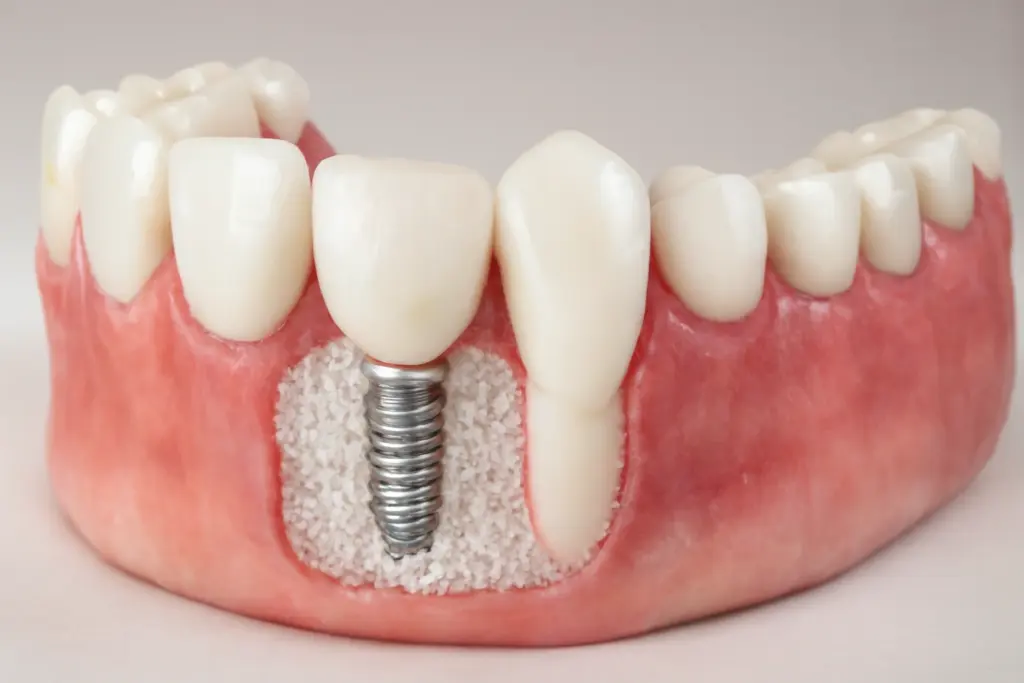
Bone grafting becomes mandatory when the jawbone of a patient has been weakened or is too thin to hold dental implants. Frequently, not more than three reasons are behind the loss of bones; however, each of these could bring about difficulties in the effective placement of implants. Some of the causes of bone loss, which are the most common, include:
Tooth Loss and Resorption
When a tooth is lost or removed, the bone that is left without the tooth and thus the one that supported it starts to shrink; this is called resorption. After a period of time, the body reabsorbs the bone it had for the tooth, and this results in thinning or weakening of the jawbone. Bone resorption may severely limit the deposit of the remaining bone where implants are to be fixed; it is very important to restore the bone before placing dental implants.
Periodontal Disease
Gum disease in its very late stages (periodontal disease) may cause a drastic loss of the bone surrounding the teeth. The bacteria from infected gums that cause the disease may eat away not only the soft tissue but also the bone that supports the teeth, thus the jaw becomes vulnerable. Infected patients with advanced periodontal disease will find it necessary to undergo bone grafting to make the lost bones grow again and help future implants to be supported.
Trauma or Injury
Traumas, facial injuries, and surgeries may cause cracks or breaks in the jawbone hence resulting in a decrease of bone mass. No matter whether it is a car accident, sports injury, or a fall that has caused the damage, the injury to the bone may turn out to be the reason why the dental implants cannot be successfully placed. A bone transplant can bring back the right bone structure that is required for a stable base of dental implants.
Congenital Defects
Certain people come into the world with certain congenital conditions that have an impact on the shape, size, or development of their jawbones. If the case is of a cleft palate or an underdeveloped jaw, bone grafting may be done before dental implants to enhance the bone structure.
Aging
With age, one cannot escape the natural process of bone loss that is bound to happen. This may end up in the decrease of jawbone density, making it almost impossible to place dental implants without bone grafting. Besides that, years of tooth loss or gum disease that has gone on for too long may become the cause of bone deterioration, and the only solution will be the bone grafting procedure.
Bone grafting is the right method for making implant placement possible in people who have lost a sizable portion of their bones. The impact of the grafting is twofold: it not only brings the bones back to the point where they can fully support the implants, but it also creates strong roots for the implants so that they can work properly and give a result that will last for a long time.
Types of Bone Grafts Used in Dental Code D7961 Procedures
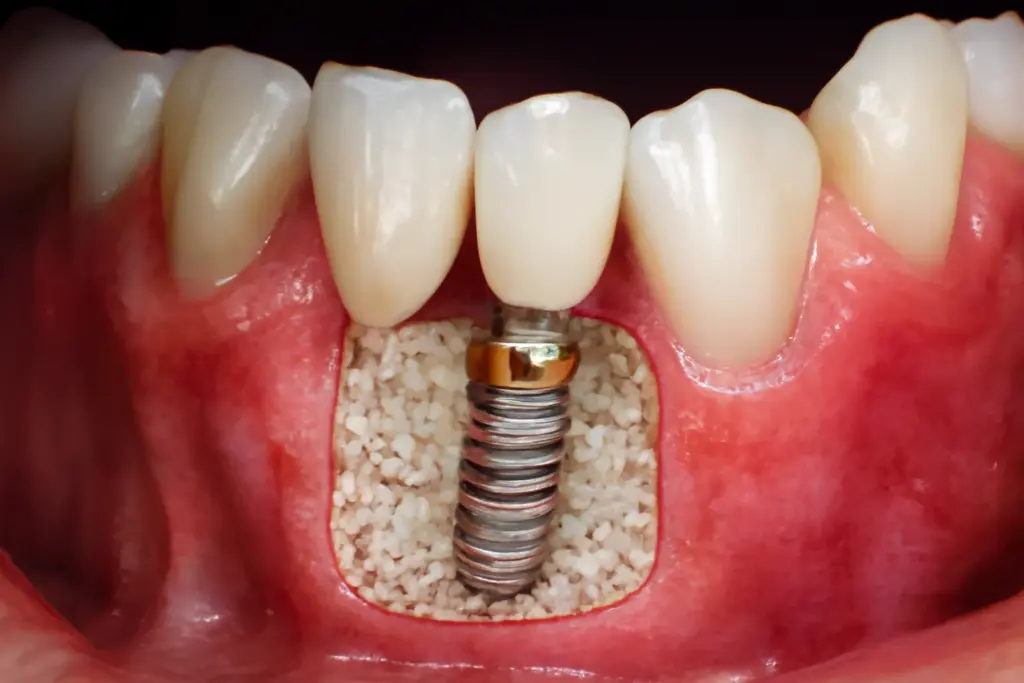
Types of Bone Grafts Used in Dental Code D7961 Procedures: bone graft materials can be classified into a few types that are used in the procedures encoded by Dental Code D7961. Each of the materials has its own pros and cons. Choosing the right material will be up to the patient’s condition, the place where the grafting is to be done, and what the patient anticipates getting from the intervention.
- Autografts
Autografts or an autograft is considered the gold standard for any bone graft. The bone will merge faster and more completely as it was taken from the same person. Usually, the bone is taken from the chin, the jaw or the hip. Because it is the same person’s bone, the risk of rejection is out, and the healing is normally quicker. Still, the additional surgery, which leads to discomfort and a longer recovery time, is inevitable in the case of autografts. - Allografts
A graft taken from a donor human or a tissue bank is known as an allograft. This kind of graft is the most common alternative to the patient’s own graft. They have, however, been proven very efficient in the promotion of new bone growth and are less traumatic for the patient since the need for a separate surgical site is eliminated. There is however, a tiny chance of rejection and that of infection even if that risk is lowered by compatible screening and sterilization methods. - Xenografts
Xenografts mean foreign, and so a xenograft implant comes from an animal, generally a cow. To be used safely in the human body, these are processed and sterilized. When there is not enough tissue for an autograft or allograft, xenografts are used. The scaffold is provided by them for the patient’s bone growth thus the bone structure is gradually restored. Due to their easy availability and high efficiency, they are increasingly being used as sources in dental implant operations. - Alloplasts
Alloplasts are finely engineered biocompatible synthetic bone materials that have the properties of natural bone and are calcium phosphate or bioactive glass. They are built to stimulate bone growth and to offer structural support to dental implants. Such materials are very compatible with human tissues, have minimal side reaction potential, and are made in such a way that the base for the growth of new bone can be provided by them. In cases where other bone graft materials are unavailable or unsuitable, alloplasts are the go-to solution.
Different bone graft materials have their own set of benefits and drawbacks. The dental surgeon will advise the most suitable material after assessing your needs and the condition of your jawbone.
The Bone Grafting Procedure: What to Expect
A bone grafting operation is commonly done over different stages, and it can be a little different in each case, depending on whether the graft is big or small, and what kind of material is used. Here is an abbreviated description of what you can expect before, during, and after the operation:
- Consultation and Evaluation
The first step is a meeting with your dentist or oral surgeon. They will determine your general health through seeing your health condition, medical records, and by doing all the necessary laboratory and imaging tests, like X-rays or CT scans, which will provide them with the exact condition of your jawbone. Using this data, your doctor will draft a treatment plan that is specifically tailored to meet your needs. - Surgical Procedure
The bone grafting operation is usually done under the effect of local anesthesia which numbs the part of the mouth where the treatment will be done. If the patient is extremely anxious and in need of relaxation, sedation may also be administered. A section of the gum will be opened by the dentist or oral surgeon through a cut to reach the bone. They will then use the graft material to fill the area of the jawbone where it is missing. The gum tissue will then be stitched up to promote healing. - Healing and Recovery
After the surgery, a period for recovery will be necessary during which the bone graft will have to merge with the patient’s own bone. The length of this time will be several months and will be determined by the size as well as the type of the graft. During this period, the graft will promote the growth of new bone and so the dental implants will have a place to attach. Your dentist will give you directions on how to take care of yourself after the surgery, including pain control, diet, and coming to see him/her to check the progress of the healing. - Implant Placement
The time when a dentist can finally put an implant into a patient’s mouth will be after complete healing of the bone and graft integration. It will be inserted into the bone that has been freshly grown, and therefore, it will be able to provide a firm base for the replacement teeth. It may take a few months to accomplish the whole process, starting from bone grafting and ending with implant placement; however, the outcome will be an eternal and natural-looking smile.
Benefits of Bone Grafting for Dental Implants
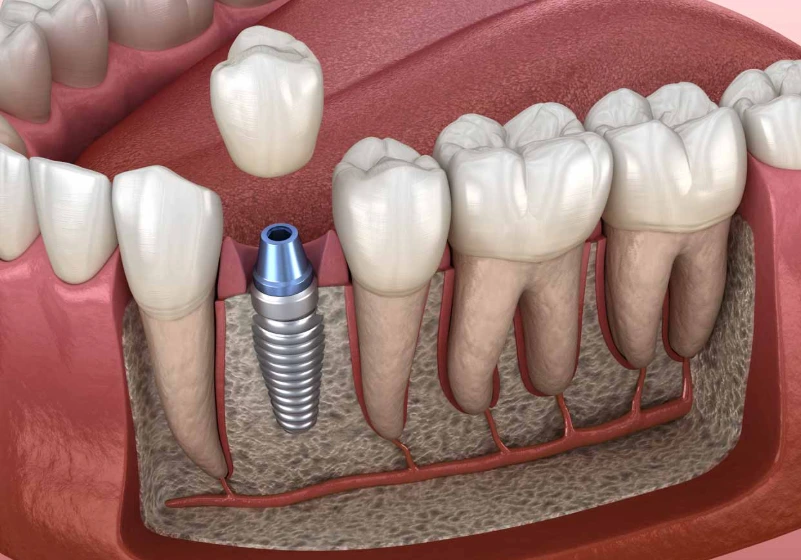
Bone grafting provides several key benefits when preparing for dental implants:
- Restores Bone Structure
Bone grafting is the procedure that restores the bone that has been lost or has become weak and does so in a way that there is enough bone left alive and well for the purpose of implanting dental implants etc. This makes implants more stable and functional. - Improves Implant Success Rate
In effect, since the implant requires a solid foundation, the rebuilding of the bone through bone grafting almost certainly raises the chances of successful implant placement. Thus, it results in better long-term outcomes because there would be a strong foundation for the implant. - Prevents Further Bone Loss
By doing bone grafting, one can stop the chain of losing bones; this is because the procedure actively encourages the growth of fresh bones to the treated area. The mentioned feature of this method is particularly significant for the jaw regions where bone resorption has already taken place. - Aesthetic and Functional Improvement
With the help of the implant’s improved function, bone grafting can also do wonders for the look of the jaw and mouth. It becomes more even and looks like the natural thing to do.
Conclusion About Dental Code D7961
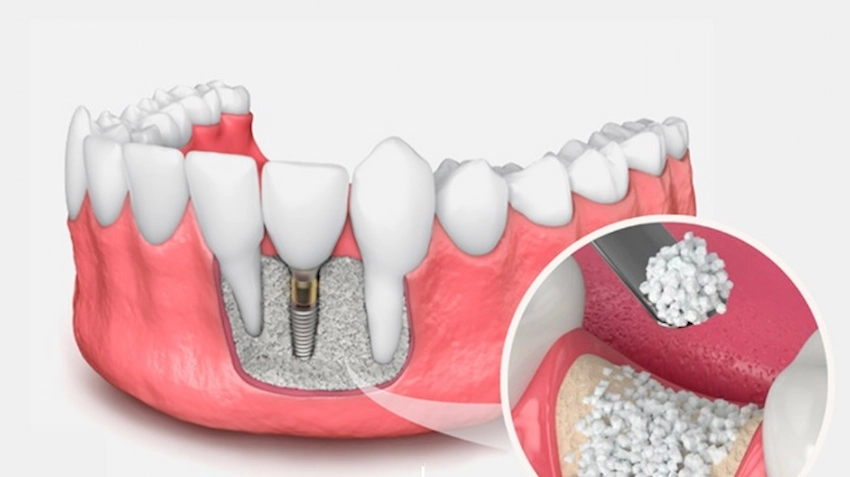
Dental Code D7961 is essential in making it possible to put dental implants in people with not have enough bone structure, thus ensuring the success of the operation. Dentists can bring back the jaw’s support by means of bone grafting methods, which then leads to stable and long-lasting implants.
In case you are thinking about getting some dental implants but have worries related to bone loss, a bone grafting surgery done at Lema Dental Clinic is the right choice for you as far as safety and reliability go, and promotes the smile you want. Our staff of specialists will be happy to provide you with information on how bone grafting can make your oral health better and increase your implant success.
Sources
- American Academy of Implant Dentistry (AAID)
- National Institute of Dental and Craniofacial Research (NIDCR)
- American Dental Association (ADA)
Frequently Asked Questions About Dental Code D7961 and Bone Grafting
Dental Code D7961 is the coding used for the surgical procedure of bone grafting that aims at not only restoring but also increasing the bone volume of the lower or upper jaw so as to be able to accommodate dental implants successfully.
Bone grafting is necessary when the jawbone has deteriorated or is too thin to support dental implants. It helps restore bone structure, ensuring that the implants have a stable foundation for long-term success.
The types of bone grafts include autografts (from the patient’s own body), allografts (from a donor), xenografts (from animal sources), and alloplasts (synthetic materials).
Recovery time varies depending on the size and complexity of the graft, but it generally takes a few months for the graft to fully integrate with the jawbone before dental implants can be placed.
Certainly, one of the primary functions of bone grafting is to regain the residual supporting structures that have been sacrificed in the course of a pathological process such as advanced periodontitis, thus providing a proper environment where new implants can be placed safely.

