


Placing a dental implant as a permanent replacement for a missing tooth is what the dental code D7510 mainly refers to. A dental implant is basically a root of a new artificial tooth made of titanium, which is fixed to the jaw surgically. To restore the function and the appearance of the tooth, a personalized crown is fixed on the implant after it is literally one with the bone. Implant dentistry is basically the most stable and durable method of tooth replacement.
The D7510 dental code is essentially instrumental in comprehending the stages of the treatment, the insurance that covers it, and the billing that goes with it. We will unpack what the dental code D7510 is, the steps of the implant procedure, its advantages, and how insurance and billing considerations affect patients in this detailed guide. By the time you get through this article, you’ll understand completely how dental implants can help you get back that smile and oral health.
What is Dental Code D7510?
Dental code D7510 is a documentation code when a dental implant is placed. It is a surgical method where a titanium screw (the implant) is fixed into the jawbone to take the place of a lost tooth. The implant is the support for a crown or any other device that looks and functions as a natural tooth.
Among the different methods of tooth replacement, dental implants are considered the most technologically advanced and efficient. Especially when compared to bridges or dentures. D7510 is the code for the surgical placement of the implant post only. If an implant is accompanied by other surgical procedures, such as a bone graft or the placement of a dental crown, these have different codes and are billed separately. This code is significant as it aids in differentiating the various phases of the implant procedure, thereby making billing and treatment planning precise.
When is Dental Code D7510 Used?
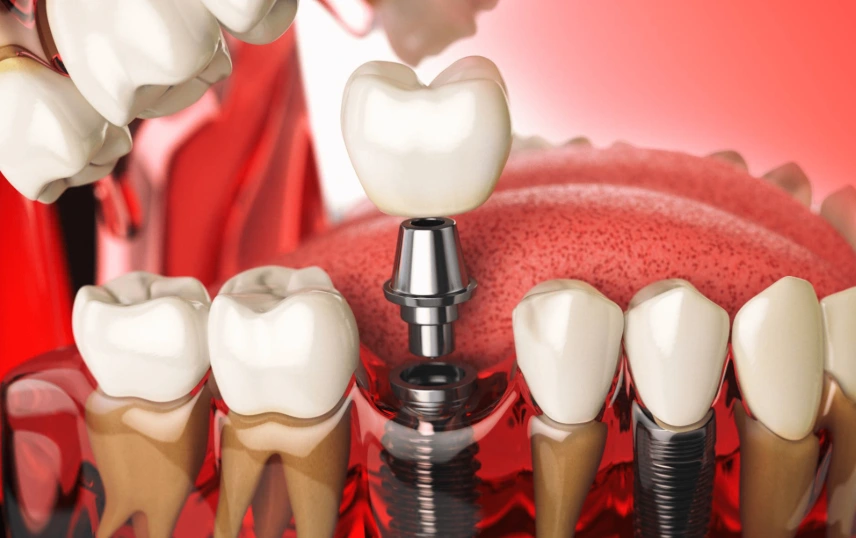
D7510 comes into play when the following steps are carried out:
- Placement of the Titanium Implant: A dentist surgically implants the titanium post into a patient’s jawbone. Subsequently, the post will be used to support the artificial crown or prosthesis.
- Osseointegration: Once the implant is placed, the bone has to integrate with the titanium post in a process named osseointegration. Generally, it may take 3-6 months.
- Attachment of the Crown: First of all, the implant fused with the bone maturely. Then, the permanent crown or bridge is attached for the restoration of the tooth’s look and function.
This shipment is only for the first procedure using an implant. It does not comprise later operations like crown placement or bone grafting, which are billed separately.
The Dental Implant Procedure Under D7510
Dental implants are quite a lengthy process, and it typically spans several months from the time the first step is taken until the last one. Usually, these stages are included in the procedure:
1. Consultation and Planning
The next step after the implant consultation is a meeting with the dentist, where everything is planned. Only after this visit can we give you the green light for implant surgery. This may include:
- X-rays and Scans: To evaluate jawbone health and determine if it is stable enough to carry an implant.
- Bone Density Check: In some scenarios, the need for bone grafting may arise to ensure there is sufficient bone for the correct placement of implants.
2. Surgical Placement of the Implant (D7510)
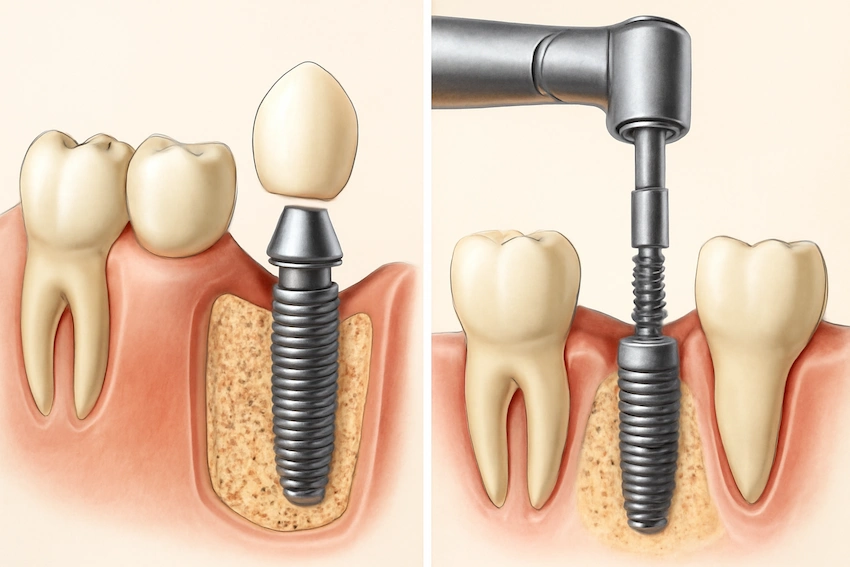
Sooner or later comes the step of cutting open the chamber and putting in the machinery. Normally, local anesthesia is used to numb the area, and the implant post is put directly into the jawbone. In some instances, the doctor will need to sedate the patient or put him/her under general anesthesia for the duration of a complex operation.
- Incision in the Gum: The surgeon makes an opening in the gum to reach the bone.
- Drilling the Implant Site: The drill is utilized to open a space in the bone for the implant post.
- Closure: The gums are sewn together after the surgery, and a temporary restoration can be provided if needed.
Following the implantation, the implant and bone are required to heal and fuse. The time allowed for this process is between 3 and 6 months.
3. Healing and Osseointegration
The healing stage comes after the implant placement. The very implant has to bind with the nearby bone in a process called osseointegration. It is this very step that makes the whole implant idea a permanent and stable extension of your jaw becomes part of it.
During this period, you will be given specific guidelines to follow your diet and activities to facilitate proper healing. Your dentist will monitor the progress of osseointegration through scheduled appointments.
4. Placement of the Abutment and Crown
The dentist, upon completion of osseointegration, will place an abutment–a small piece of connector–onto the top of the implant post. On the abutment, the permanent crown will be fixed. After the placement of the abutment, impressions of your mouth are taken so that a tailor-made crown fitting perfectly on the abutment can be made.
The crown is firmly fixed to the abutment when it is ready; the dental implant operation is complete.
Benefits of Dental Code D7510 (Dental Implants)
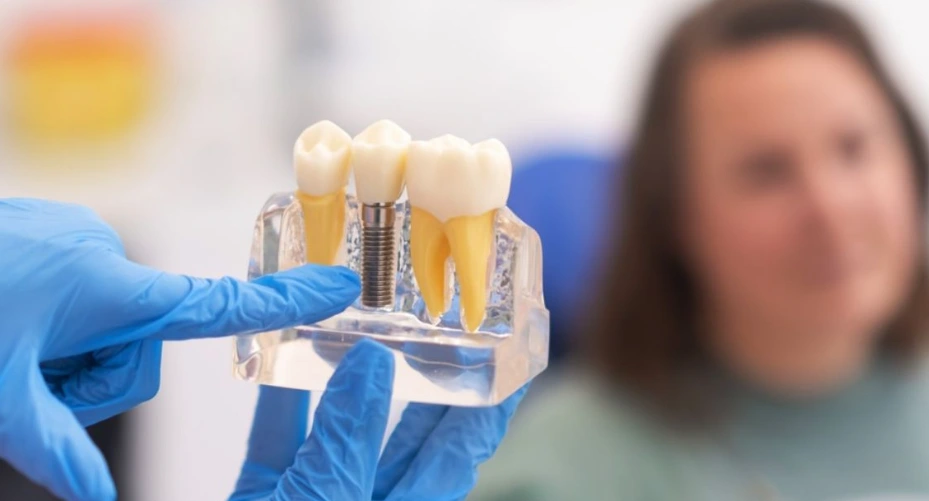
The D7510 implant, that is, dental implants, may not only be the best idea considering that the patient is the one who benefits; in fact, long lists of advantages in comparison with other tooth replacement options like:
1. Durability and Longevity
Implants can be referred to as one of the most robust tooth substitutes that are available on the market. If they are looked after properly, they may even live up to 20 years or more, thus being a long-term solution to the problem of tooth loss.
2. Natural Look and Feel
The dental implants resemble and behave like natural teeth. They are meant to look the same size, shape, and color as the surrounding teeth and will thus truthfully blend into your smile without any interruption and without the least suspicion.
3. Improved Functionality
The full chewing power is brought back with dental implants. Unlike dentures, which can move or shift while eating, dental implants stabilize firmly, thus enabling you to eat in comfort and speak without apprehension.
4. Bone Preservation
The reason, on the other hand, why dentures or bridges may cause bone loss over time, whereas dental implants are the best solution to this problem, is that they are the only ones that actually stimulate the jawbone, thus preventing resorption of the bone and assisting it to maintain its shape and density.
5. No Impact on Adjacent Teeth
While bridges require the adjacent teeth to be ground down to provide support, dental implants do not cause any harm to the cuts next to them. This helps maintain the strength of your own healthy teeth.
Insurance Considerations for Dental Code D7510
Dental implants, together with the operation covered by D7510, can be quite expensive, and therefore, understanding the insurance elements associated with this treatment is very critical. These are some of the significant factors that you ought to remember in regards to insurance coverage:
1. Coverage for Dental Implants
In the majority of dental insurance plans, the complete cost of dental implants is not included. As a result, they are (implants) regarded as a cosmetic or elective procedure. On the other hand, a lot of the plans may cover a portion of the cost, more specifically, the surgical component of the procedure.
2. Pre-Authorization
Certain insurers might require pre-authorization before they agree to the implant operation. Therefore, your dentist will have to send a treatment plan to your insurance provider for approval before the surgery can take place.
3. Out-of-Pocket Costs
Regardless of whether your insurance provides only partial coverage, you could still be responsible for a significant part of the cost. It is necessary that you talk with your doctor about payment options so that you can take care of the costs in a proper way.
4. Financing Options
In order to give their patients the possibility to cover dental implant charges, many dental offices provide various kinds of payment options such as installments, credit, and third-party financing.
What to Expect After the D7510 Procedure
After the completion of the dental implant surgery, the proper handling of the wound is essential to ensure that the healing process is without any problems and that the success is long-lasting. Here are some tips for the aftercare after D7510 surgery:
1. Pain Management
Generally, there will be some discomfort after the surgery, even though the situation itself is mostly tolerable. Painkillers, whether prescribed or bought over the counter, can alleviate the discomfort to a great extent.
2. Swelling and Bruising
Swelling and bruising generally happen after the operation, but they usually disappear within several days. Their shrinking may be sped up by ice packs as well as by anti-inflammatory medications bought over the counter.
3. Diet Restrictions
It is necessary to adhere to a soft diet while the body is recuperating from a procedure. Do not eat any kind of hard or crunchy foods that may cause the area around the implant to be strained.
4. Oral Hygiene
Good oral hygiene is a must for proper healing. Make sure to gently brush and floss the area around the implant so that it remains clean and that it does not get infected. Your dental care provider might give you some special directions on how to maintain cleanliness during the recovery period.
Conclusion About D7510 – A Direct Path to Relief and Health
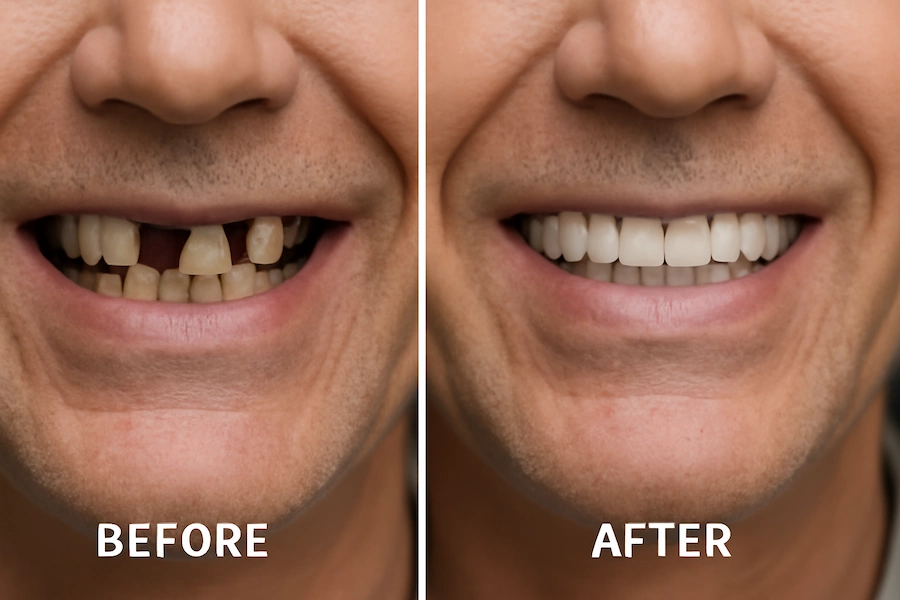
Code D7510 in dentistry refers to the placement of a dental implant, which is a single, most efficient method of tooth loss replacement. A dental implant offers patients a dependable, durable, and beautiful solution that is very similar in both appearance and function to natural teeth. Besides the benefit of looking good after implants, you will also enjoy the real chewing power, healthy bone preservation, and a solution that will last a long time.
Dental implants accomplish the triple task of a) stopping the bone loss process, b) beautifying the smile, and c) providing a stable platform for a tailor-made crown. The primary benefit of the mentioned method, as compared to conventional dentures and bridges, is its ability to stay for a long time and not be easily breakable or wearable.
If a dental implant is something you are considering, the very first step would be to go and see your dentist for confirmation of your suitability for the operation. The dentist will explain the whole treatment process to you, tell you about the insurance coverage, financing options, and the recovery period that you can expect. Choosing the dental implant means that you are the guardian of your dental health and the revival of your smile in the far future.
Sources:
- American Dental Association. (2023). Current Dental Terminology (CDT). ADA Catalog.
- American Academy of Periodontology. (2023). “Abscesses of the Periodontium.” Patient Resources.
- Newman, M. G., Takei, H. H., Klokkevold, P. R., & Carranza, F. A. (2019). Carranza’s Clinical Periodontology (13th ed.). Elsevier.
- Patton, L. L. (2019). “The ADA Practical Guide to Patients with Medical Conditions.” John Wiley & Sons, Inc.
Frequently Asked Questions (FAQ) About Dental Code D7510
The dental code D7510 is the code that indicates the process whereby a dental implant is used to replace a lost tooth. The process includes the surgical insertion of a titanium screw into the jawbone to serve as a new root for the artificial tooth. The implant-fixed restoration (crown) is the final stage when the implant screw has fused with the bone and the tooth’s function and appearance have been renewed.
D7510 is the point where the device is implanted in the body; on the other hand, D7250 denotes a surgical removal of a tooth. A situation in which a tooth extraction is necessary before an implant can be placed, D7250 would be the right code for such a case, while D7510 would be correct if the implant post is inserted after the extraction.
D7510 refers to the situation when implant surgery needs to be done, and D2740 is the code for the dental porcelain crown on a natural tooth or implant. D7510 is the code for the outside implantation and D2740 for the crown restoration after implantation.
The dental implant process takes several months. The initial surgery takes about 1-2 hours, but healing and osseointegration typically take 3-6 months.
Dental implant surgery is typically done under local anesthesia, so you should not feel pain during the procedure. Some discomfort and swelling may occur after the surgery, but this can be managed with pain relievers.

