


Periodontal Code D4261 is the identifier for the operation of gingival flap surgery as part of periodontal treatment. This operation is generally the last resort in a therapeutic regimen for patients with severe periodontitis, a kind of gum disease. The operation goes to the roots of the disease by detaching the gum tissue mechanically from the bone and cleaning both the latter and the roots of the teeth. It is a different and more drastic method than the usual non-surgical treatments, such as scaling and root planing, which in most cases are tried first and may or may not be effective.
The aim of the intervention is accomplished by the D4261 method of surgery which generally hales to the release of the roots. It is a technique to help the gums heal and save the bone from getting thinner as a result of the disease. D4261 can also be a complement to other oral care procedures such as bone graft and connective tissue graft, and dental professionals use this code to make it clear in the relevant records and paperwork that this is the kind of treatment administered.
When is Dental Code D4261 Used?
Dental Code D4261 is the main resource that personnel use to point out the moment when interdisciplinary periodontal surgical therapy is necessary. Generally, it is a primary choice aimed at dealing with situations where the retraction of gum tissue is significant, accompanied by the presence of deep pockets between the teeth and gums. The latter is the perfect environment for harmful microorganisms like bacteria to multiply and thus destroy the bone matter that supports the teeth. D4261 offers an approach to exposing the areas on the roots which have to be cleaned from tartar, plaque, and bacteria, thus overcoming the limitation of the conventional methods of cleaning which can only be done superficially.
Additionally, it is a source of help for scenarios in which non-surgical procedures such as scaling and root planing have not been successful. In a case where the progression of periodontitis has resulted in severe infection of the gum tissue, D4261 becomes the only viable solution. Apart from that, the intervention also facilitates the reshaping of the gum and stabilizes its growth, hence the ability of the gum to attach to the tooth structure and the prevention of further damage.
What are the Benefits of Using Dental Code D4261?
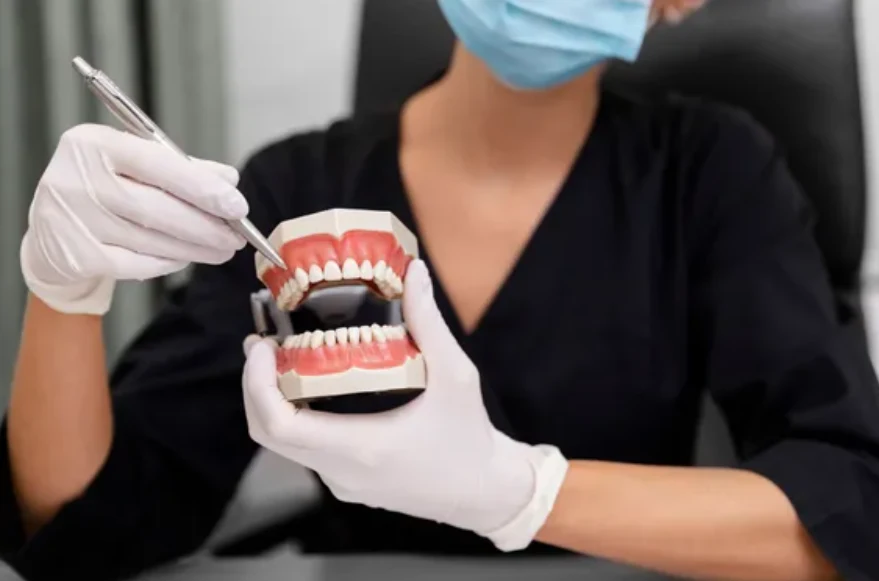
The major reason for performing the intervention identified by a dental code D4261 is the capability of this operation to thoroughly cure severely progressed cases of periodontal disease. Besides that, surgical operation allows for cleaning the root surfaces deeply through the elimination of the sources of infection such as bacteria, plaque, and tartar collected in the oral cavity, which cannot be attained through the usage of traditional non-surgical methods. As a result, this restores gum’s health and halts disease progression thereby preventing loss of teeth that may occur as a result of this disease.
The key benefits of D4261 are:
- Effective Treatment for Severe Periodontal Disease: It targets the problem of deep periodontal pockets that cannot be solved by simple cleaning; thus, it is very important for patients with advanced gum disease.
- Gum Health Restoration: After surgery, healing of the affected gums is facilitated, the extent of the pockets is reduced and the connection of the gums to the jaws is strengthened, thus the spread of the disease is stopped.
- Bone Loss Prevention: By meticulously cleaning the areas invaded by microbes, the method in question (D4261) works towards conserving the bone framework that holds the teeth, thereby reducing the risk of tooth loss caused by gum disease.
- Improved Long-Term Oral Health: Following a successful D4261 intervention, patients benefit from better oral hygiene and reduced probability of future periodontal issues resulting in healthier gums and teeth.
- Better Visual Effects: Having the procedure done will help the reshaping of the gums whereby a more attractive gum line will be achieved along with the overall beautification of the teeth.
- Dentures Removal Alternative Which Is Less Invasive: If the loss of teeth is imminent, D4261 can offer a non-extractive solution which makes it possible for patients to keep their natural teeth.
After the completion of surgery, it is quite usual to hear from patients that they experience great and significant benefits in gum tissue. This, in turn, leads to less trouble and more stable oral health over a long period of time. Due to this, D4261 is a choice of treatment that is very important for those who are in a dire situation of having severe periodontal problems.
Warnings and Precautions About Dental Code D4261
Before performing D4261, one should be aware of the warnings and precautions that come with it, as is the case with any operation. Among the issues that may result from the operation is infection at the incision site. It is important to note that this is an extremely rare condition and normally happens only when aftercare instructions are not obeyed. Patients are given the instructions to refrain from smoking and practice good oral hygiene at all times during the recuperation period. In addition, patients with pre-existing conditions like diabetes or heart disease should inform their dentist about these problems before the procedure.
Another point to be cautious of is that there could be more bleeding than usual. The gum tissue to be removed during the surgery might be cut, hence the bleeding that occurs is only temporary. This is normally stopped during the operation, but patients need to know that swelling and minor bleeding may still be felt after the surgery. It is very important to obey the post-surgery directions such as taking prescribed antibiotics or making use of antiseptic mouth rinses in order to be free of complications and to have a smooth healing process.
When Should You Avoid Using D4261 and What Should You Use Instead?
You should not use dental code d4261 if you are a patient who is not an appropriate candidate for surgery, e.g., someone with uncontrolled systemic health conditions, severe blood clotting disorders, or who is pregnant. In these scenarios, a non-surgical method such as scaling and root planing or antimicrobial therapy would be a suitable alternative. They are less invasive and can be equally effective in managing periodontal disease when it is at its early stages.
Case in point those with mild periodontitis or patients who can not tolerate surgery can turn to conservative treatments such as deep cleanings or laser therapy. These less aggressive forms of treatment can be a means to maintaining oral health while at the same time minimizing the risk of complications that come with surgical procedures such as D4261. The decision on what kind of treatment to go for should be solely dependent on the patient’s general health and the stage of gum disease and this should be fully talked over with a dentist like Dentist Polen Akkılıç and her team or Professor Doctor Coşkun Yıldız.
Case Study for D4261
The patient, aged 45 came to Lema Dental Clinic with serious gum recession and deep periodontal pockets. The patient reported that he had already gone through scaling and root planing, but the condition was still there, and he began to experience bleeding and discomfort of the gums more frequently. It was decided through a thorough examination that gingival flap surgery under Dental Code D4261 would be the most appropriate solution.
The operation was successful, and the patient was given the right instructions for the aftercare, including the use of an antiseptic mouth rinse and antibiotics. On the following examination that took place three months later, a remarkable recovery of the gums with less pocket depth and better gum attachment was seen. The patient was free from bleeding and discomfort and the treatment was considered successful.
References
- American Dental Association. (2021). Insurance coding: Teaching our periodontics residents. Retrieved from https://www.perio.org/wp-content/uploads/2021/06/Insurance_Coding_Gellin.pdf
- Aetna. (n.d.). Dental clinical policy bulletins: D4261 – Osseous surgery (periodontal). Retrieved from https://www.aetna.com/health-care-professionals/clinical-policy-bulletins/dental-clinical-policy-bulletins/DCPB012.html
- Anthem Blue Cross. (2023). Osseous surgery (periodontal).
- Outsource Strategies International. (2021). Dental coding for surgical periodontal procedures. Retrieved from https://www.outsourcestrategies.com/blog/dental-coding-for-periodontal-procedures/
Frequently Asked Questions About Dental Code D4261
Dental Code D4261 is used for gingival flap surgery to treat severe periodontal disease by accessing the roots of the teeth to remove infection and bacteria.
Recovery from D4261 surgery typically takes about two to three weeks, with follow-up appointments to ensure proper healing.
Many insurance plans do cover the cost of D4261, but it is essential to confirm coverage with your provider before proceeding with the surgery.
Yes, when performed properly, D4261 can prevent further bone loss and help save teeth that might otherwise need to be extracted due to periodontal disease.
The risks include infection, bleeding, and potential gum recession, but these are minimized with proper care and following post-operative instructions.
Some discomfort and swelling are common after the procedure, but pain can be managed with prescribed medications.
D4261 is a surgical treatment used when non-surgical methods like scaling and root planing are not effective for treating advanced gum disease.
It is advisable to stick to soft foods and avoid chewing directly on the treated area for a few weeks after surgery.
Brushing is allowed but should be done gently and avoiding the surgical site until it heals properly.
Most patients can return to their normal activities after one to two weeks, but strenuous physical activities should be avoided until cleared by the dentist.

