


What Is The Meaning of Dental Code D3346?
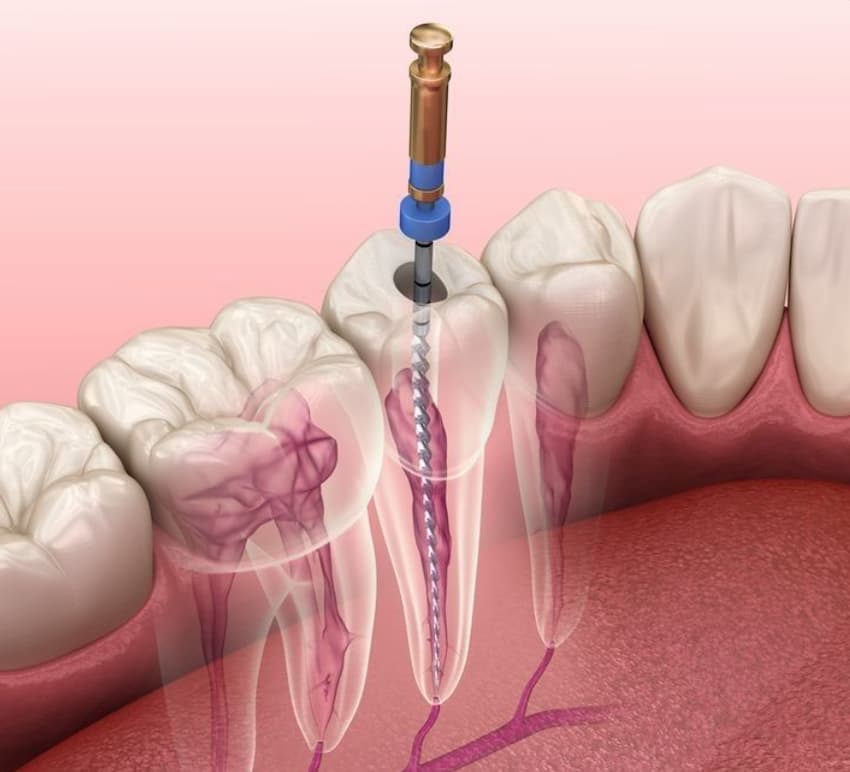
Dental Code D3346 refers to the details and procedures of a secondary root canal treatment on a premolar tooth, which was previously treated by a root canal. This code shows a minimally invasive procedure aimed at bringing back the patient’s oral health by locating and treating the infection source in the root canal system. Basically, this code deals with the treatment of one of the most common causes of inflammation of periapical tissues of the canal system, i.e. the failure of the first root canal therapy which is also called primary endodontic therapy. The operation involves, among other things, opening the canal, taking out all the filling materials, disinfecting the intraradicular space, and then filling it with anatomically and biologically compatible materials.
It is a very important code from the perspective of detailed dental records, insurance correctness and also professional communication in the dental fraternity. In endodontics, the differentiation of initial and repeat treatments is a prerequisite to proper classification of complexity and workload. D3346 helps to communicate to the outside world (through the dental records, dental billing, or bank of dental codes) that the work has been done on the premolar again. As the premolars are structurally intermediate between a single-rooted anterior tooth and a multi-rooted molar, their complexity is rather at the medium level and involves curved canals and difficult access. With the help of D3346, dentists convey not only the elaborate procedure but also the ultimate goal-leaving the natural tooth intact by means of conservative, evidence-based therapy rather than extraction followed by prosthetic replacement.
When Is D3346 Used?
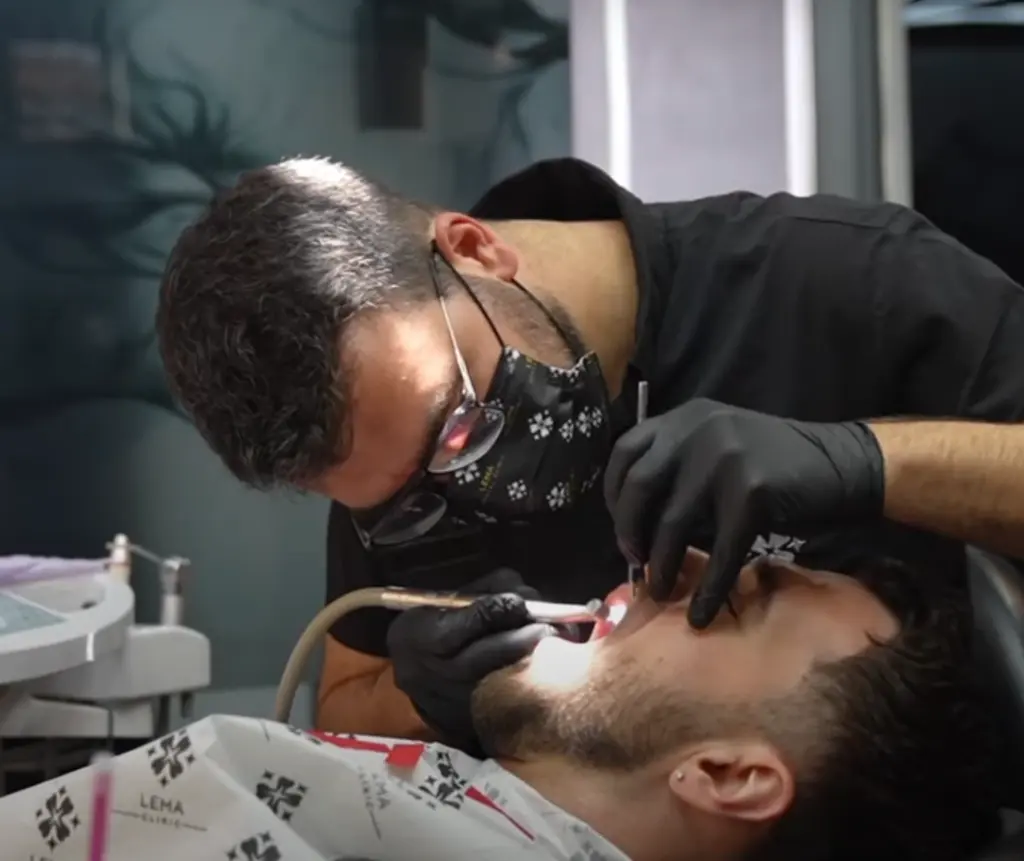
Where the premolar tooth in question has undergone a root canal therapy, but the treatment has failed and the infection has returned due to microbial leakage, incomplete cleaning or structural breakdown, then the D3346 code is the correct identification of such cases. Clinically, the failure can be seen in a situation of continued pain, swelling, shooting pain when biting and radiographic assays showing periapical radiolucency. According to the American Association of Endodontists, nonsurgical retreatment should be the first choice of treatment if the condition of the tooth allows restoration. In fact, this code introduces the work done towards healing and thus the complexity and rationale of the surgery are taken into account.
Sometimes the failed endodontic treatment can be a very long one – it could be months or even years since the first treatment. D3346 treatment becomes a must when diagnostic imaging reveals infection is still present within the canal system, or that obturation is inadequate, or that leakage has occurred at the level of the coronal restoration. Moreover, this code can signify an identification of missed accessory canals or separated instruments in a patient that have compromised the sealing of the canal. By putting the right signs on the paper, i.e. correct retreatment coding, dental care providers pledge to the dental industry standards in relation to billing and other obligatory acts, while at the same time building and maintaining patient loyalty through openness in record-keeping.
How Do Dental Practices Use D3346?
Clinical Documentation:
When the treatment is classified as a nonsurgical root canal retreatment on a premolar, dental professionals write D3346. Such a distinction supports the local record and the insurance report in showing the real difficulty and the accurate goal of the operation.
Insurance Coding Accuracy:
D3346 is the code that is put in the dental billing systems to differentiate the procedures of retreatment from those of the initial root canal therapies. By doing so, insurance providers are made aware of the extra time, expertise, and materials that are necessary for the retreatment, thus supporting the appropriate reimbursement.
Treatment Planning:
An endodontist during the assessment of the case marks the tooth as one that had been previously treated using D3346. This indicates to the team that retreatment such as removal of the old material and disinfection of the canal will be necessary, hence the length of the appointment and the cost of treatment will be affected.
Research and Quality Control:
Clinics employ D3346 as a code for the cases they use for audits and outcome studies. Practicing tracking success rates across patients allows the performance, materials, and infection control protocols of the practice to be evaluated over time.
Communication Between Specialists:
In a situation where there are multiple clinicians (e.g., endodontist, prosthodontist, and restorative dentist) involved, the use of D3346 indicates the treatment stage, thus communicating between specialists. It lets the subsequent provider be clear that the tooth has already been endodontically treated and now the retreatment is needed.
Patient Transparency:
Implementing D3346 also helps patient understanding to a greater extent. When consulted, dentists can tell patients that it is not just a simple repetition of the earlier treatment, but rather a comprehensive and more advanced procedure that is aimed at preserving the natural tooth structure.
What Are the Advantages of Using Dental Code D3346?
One of the main advantages of using D3346 is the improvement of clinical clarity, insurance precision and treatment success. Consequently, it is the first step in differentiating retreatment from primary therapy, thus patients can receive cost estimates that are accurate and informed consent. The reason why this difference is important is that technically retreatment is more difficult – the clinician will have to remove the old filling materials, solve the possible blockage of the canal, and work on the altered anatomy of the tooth.
Moreover, when a dental office uses D3346, they are telling patients that the solution is not the same as before, but the new therapeutic strategy is aimed at recovery. Clinically, retreatments with D3346 allow patients to keep their own teeth, which is healthier than extracting them and putting in implants. The benefit of the natural tooth is that the alveolar bone will not resorb, the masticatory efficiency will be preserved, and there will be no aesthetic changes.
Retreatment is also a more affordable option when compared to a surgical or prosthetic procedure. Besides this, the code is a guarantee that the documentation is done according to ADA CDT guidelines, thus there will be fewer insurance disputes and more accurate reimbursements for time-consuming procedures.
Warnings and Cautions for the Dental Code D3346
- Unsuitable Tooth Conditions: The tooth must not be vertically fractured in the root area if a D3346 is to be performed. However, this also applies to a perforation or a heavily rotten tooth below the gum line. Therefore, extracting the tooth or doing a surgical endodontics may give a more reliable result in such cases.
- Structural Integrity: If a tooth has a short crown or is heavily deprived of dentin, it may not be able to support new restorations after retreatment. Therefore, before performing a D3346 procedure, dentists should check whether the tooth can be restored.
- Patient Medical History: Systemic diseases like diabetes which is not under control, heart disease, and defective immunity are examples of conditions that require medical clearance before a retreatment is done. The presence of such conditions may slow down healing and make the patient more susceptible to infection.
- Risk of Post-Operative Discomfort: Swelling, soreness, and temporary pain after D3346 are some of the symptoms normally experienced. Nevertheless, these symptoms might be persistent, there can be pain accompanied by recurrent abscess, and thus follow-up evaluation will be necessary because infection may still be present.
- Success Rate Considerations: The success rate of cases with D3346 as a focus fluctuates from 75% to 90%. This, however, is largely contingent upon the anatomy of the tooth, the quality of the preoperative treatment, and microbial factors. Patients must be informed that the retreatment may not achieve the same level of success as the initial root canal therapy.
- Coronal Sealing: After retreatment, a permanent coronal restoration or full-coverage crown must be put in place without delay. A sealed access cavity that is left open can cause microleakage and thus, reinfection which will result in the destruction of the treated area over time.
- Aseptic Technique: Thorough sterilization and the use of a rubber dam are necessary. Any contamination during canal instrumentation may result in bacteria being introduced and therefore success rates will be significantly lowered.
- Follow-Up Protocol: The radiographic evaluation and recall visits (usually at 6 and 12 months) after the treatment are aimed at confirming periapical healing. Refusal to attend follow-up appointments greatly increases the risk of recurrence going unnoticed.
D3346 vs. Other Root Canal Treatment
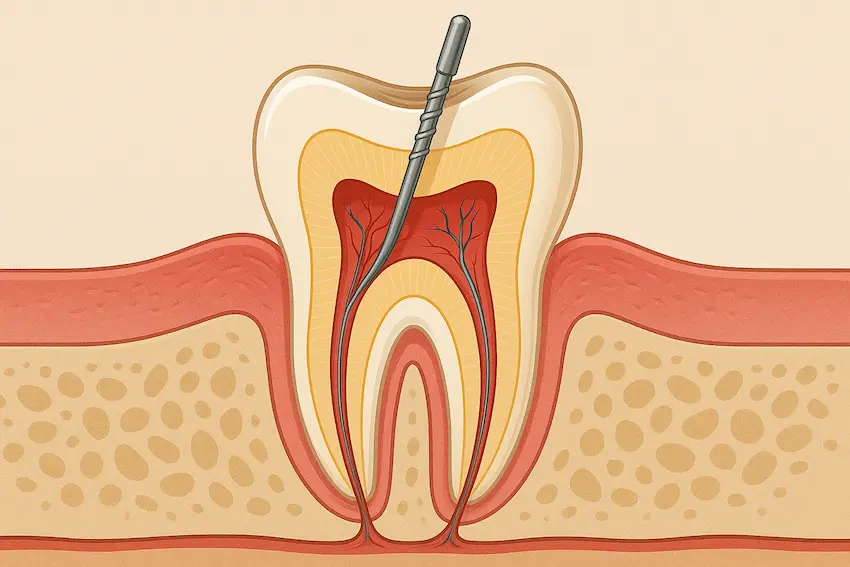
Root Canal Treatmen codes for endodontics vary according to the kind of tooth that has been treated. D3346 refers to a code for a premolar, D3347 for a molar, and D3348 for an anterior tooth. Understanding these changes assists in realizing the level of difficulty of the work. Premolars are somewhat between one and two canals as they may have either one or two and moderate complexity of instrumentation is necessary. Molars, however, normally have three or more canals with complicated angles, while anterior teeth are mostly single-rooted and, therefore, less complicated to treat.
The table below shows the comparison of D3346 with other retreatment codes, highlighting their main differences:
| Code | Tooth Type | Procedure Type | Complexity Level | Typical Duration | Success Rate Range |
| D3346 | Premolar | Nonsurgical Retreatment | Moderate | 60–90 minutes | 75–90% |
| D3347 | Molar | Nonsurgical Retreatment | High | 90–120 minutes | 70–85% |
| D3348 | Anterior | Nonsurgical Retreatment | Low | 45–60 minutes | 85–95% |
This comparative overview helps clinicians and insurance providers understand the time, technical demand, and expected prognosis associated with each endodontic category. Coding accurately ensures fair compensation and improves patient transparency.
Key Steps in D3346 Operation
D3346 retreatment is conducted through a comprehensive, step-by-step, and methodical approach that prioritizes the elimination of the infection and the restoration of the original anatomical features of the canal. In general, the following stages represent a typical sequence of stages in endodontic retreatreatment:
- Clinical examination and imaging: Review the radiographs to determine the source of the failure.
- Opening access: Detach the existing crowns or fillings to expose the canal openings.
- Debridement: Remove the old gutta-percha or the sealer material by means of rotary files or a solvent.
- Disinfection: Perform canal irrigation with sodium hypochlorite and EDTA solutions.
- Shaping: The preparation of the canal enlarges and smooths the walls to guarantee that the cleaning is thorough.
- Obturation: Use bioceramic sealer and gutta-percha to fill the canals.
- Restoration: The placement of a permanent coronal seal or crown is done to prevent reinfection.
Throughout each stage, the requirements are accuracy and cleanliness. In general, the mentioned devices e.g. operating microscopes, apex locators, ultrasonic instruments, and cone-beam CT can be considered as very advanced tools which can greatly improve procedural accuracy. In order to destroy microorganisms that may survive from the first treatment, the process is continuous irrigation with antimicrobial solutions. The result is dependent on the extremely careful technique and the use of top-grade sealing materials.
Retreatment in a real clinical setting is, therefore, a test of endurance and proficiency, as the restorations performed before may hide the entries of the canals or may have some broken instruments. Knowing the root morphology inside out helps the clinicians to find the missed canals and, also, to get the tightest possible seal, which will result in periapical healing. After retreatment, the tooth has to be strengthened with a full-coverage crown in order to be safe from fracture and to maintain the normal structural stability.
Post-Operative Care and Patient Management
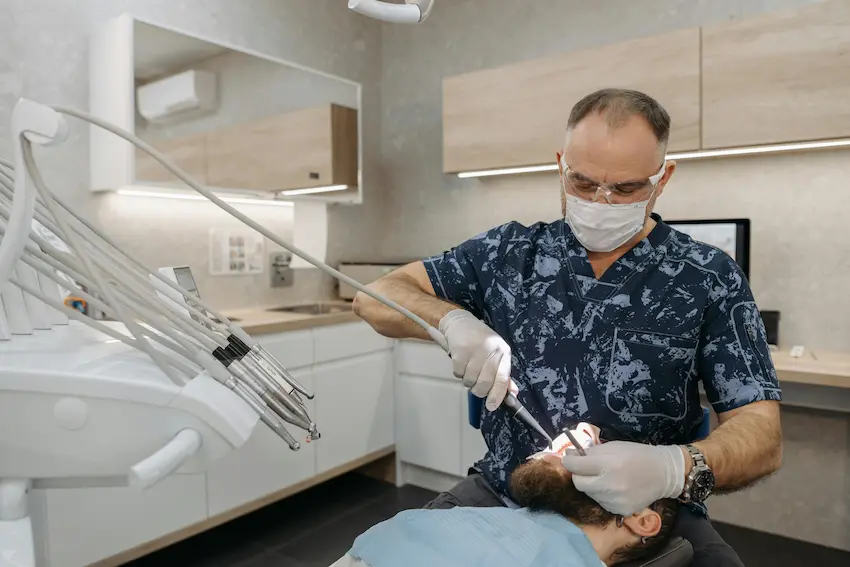
Post-operative care is very important if the patient is to get a proper recovery after the D3346 operation. Most often the doctor instructs the patient to refrain from using the side of the mouth where the surgery was done and to maintain oral hygiene. In case of any irritating pain, it can be eased by the administration of NSAIDs. Dentists are advised to schedule follow-up appointments to monitor the recovery of the patient through clinical examination and X-rays. Long-lasting inflammation that is detected early, hence allows being on time with the intervention before the symptoms get aggravated.
One of the major points that plays a central role in the success of the retreatment is patient education. The difference between sensitivity that occurs after the treatment and infection that has recurred should be clearly explained to the patient in order to reduce the anxiety and also increase the patient’s obedience to the instructions given. Practitioners may remind the patients about the necessity of permanent restoration which is, in most cases, a full crown to alleviate the tooth from microleakage and fracture. Thus, stability can be monitored during regular dental check-ups every six months.
Prognosis and Long-Term Outcomes
First of all, the long-term prognosis of a D3346 retreatment depends on many factors like: thoroughness of disinfection, canal morphology, quality of the coronal seal, and the patient’s cooperation. The research results indicate that success rates range between 75% and 90% in cases where current endodontic protocols are implemented. Compared with older methods, nowadays, the use of CBCT, magnification, and bioceramic sealers has led to great improvements in the results. Therefore, the retreatment of the premolars, primarily, is better than that of the molars because the canal configurations are less complicated.
Further, the accomplishment of the first step retains the natural dentition and thus, the treated tooth acts as the occlusal unit which is essential to keep the alveolar bone healthy and also the other teeth are not overburdened. The tooth can be used for many years, provided it is reinforced with a properly fitting crown and a good oral hygiene regimen. Nevertheless, surgical endodontics might be the option when radiographic evaluation reveals unhealed lesions after 12 months, along with symptoms. Thus, the patient’s continuous professional monitoring is not only a way to ensure the early detection of recurrence but also, it is a way of increasing patient satisfaction.
References:
- American Association of Endodontists. (2024). Endodontic Diagnosis and Treatment Planning Guidelines. Chicago, IL.
- European Society of Endodontology. (2023). Quality guidelines for endodontic retreatment. International Endodontic Journal, 56(4), 489–505.
- Ng, Y. L., Mann, V., & Gulabivala, K. (2020). Outcome of secondary root canal treatment: A systematic review of the literature. International Endodontic Journal, 53(1), 2–21.
- American Dental Association (ADA). (2025). CDT 2025 Dental Procedure Codes.
Frequently Asked Questions About Dental Code D3346
It identifies a nonsurgical retreatment procedure performed on a premolar tooth that previously received a root canal but failed to heal completely.
It ensures that dental insurance accurately reflects the complexity and higher technical requirements of retreatment procedures.
D3346 is a second intervention addressing residual infection or treatment failure, whereas initial therapy focuses on primary canal cleaning.
They include incomplete disinfection, missed canals, coronal leakage, or deterioration of previous fillings.
When performed with advanced technology and aseptic technique, success rates can reach up to 90%.
No, the procedure is performed under local anesthesia, ensuring comfort throughout treatment.
Generally, one retreatment is sufficient; repeated failures may require surgical endodontics or extraction.
Most patients experience mild tenderness for 1–3 days and resume normal function shortly afterward.
Yes, a new or replaced crown is recommended to protect the tooth and prevent bacterial leakage.
They are typically performed by endodontists — dental specialists trained in root canal and retreatment techniques.

