


D0707 Procedures
Dental code D0707 is essentially the periapical intraoral radiographic image acquisition procedure. These images are instrumental in the accurate diagnosis of dental disorders. The team led by Dentist Polen, at Lema Dental Clinic, is well-acquainted with this diagnostic tool and routinely employs it when they require a close-up view of the roots and bone around a tooth. Such figures enable them to find out if the decay is very deep, if there are abscesses, infections, or if the tooth is cracked, basically situations that cannot be visually detected. Since these snapshots give the closest look at the root and bone, they further become very helpful in the recognition of periodontitis or even other hidden diseases.
The D0707 conduct entails having the X-ray sensor placed in the patient’s mouth, most commonly a tooth that needs examination is the one against which the sensor is placed. Radiation that is coming from the machine is very well regulated and only exposes a very tiny area of the tooth’s root and bone at the moment of the shot. This radiographic instrument comes to a great rescue when the ailment is under the gums or in the tooth, thus there are no or very few external signs of the disease yet. Mainly because of such an early discovery, it is the same Dental Practitioner Polen Akkılıç and her crew who henceforth drafted the most effective therapies for the patients who came through with this condition.
When is D0707 used?
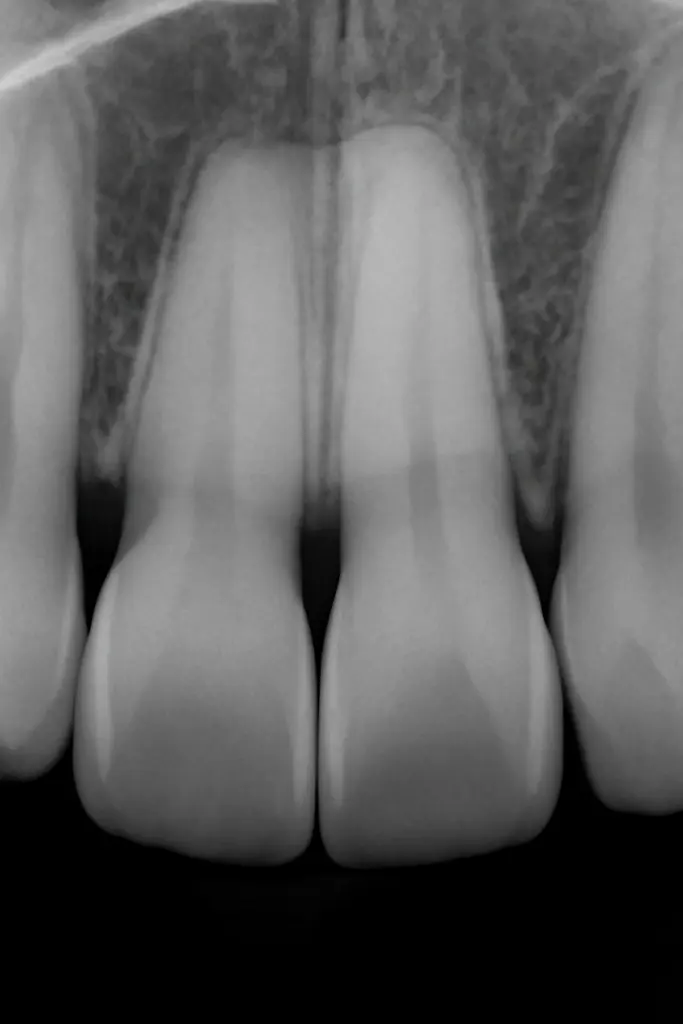
D0707 is a very selective and precise instrument in the hands of a dentist like Professor Doctor Coşkun Yıldız at Lema Dental Clinic, who detects invisible issues from clinical tests and examination only. Usually, this radiograph is performed when a patient complains of tooth pain or swelling; these cases could point to problems beneath the gumline, for instance, root infections or abscesses. Moreover, D0707 is used in coordination with a follow-up care plan as well. The main goal is to make sure that the recovery goes smoothly and the side effects like bone loss and infections are minimal or non-existent after root canals and dental implants.
This is also a great tool to be used in surgical planning to give the best indications about the state of the bone and roots before making a procedure that is complicated procedure. In cases when the patient undergoes therapies such as root canal therapy, implant placement and bone grafting, Doctor Coşkun Yıldız, the Professor, might be employing D0707 in this situation to be more familiar with the patient’s dental anatomy and furthermore to have advanced precision in the surgery. Therefore, a close-up view of the root structure at these instances will make sure the treatment is not only quite effective but also least disruptive to the surrounding area ways.
D0707 Procedures: What is Included and What is Excluded?
Included:
- Detailed Imaging of Tooth Roots and Surrounding Bone: The main use of D0707 is to get high-resolution intraoral periapical radiographs which can show in detail a single tooth’s root and the bone that is next to it.
- Diagnosis of Internal Tooth Issues: The instrument is very effective in determining the abscess region, infection, and the caries that have reached the dental pulp, as well as crack propagation, which is the root or bone that comes from the tooth.
- Post-Treatment Monitoring: In the presence of phenomena after root canals or implants, one can be on the lookout through D0707 for the development of the treated site and to be certain of the absence of side effects such as infection or bone loss.
- Precise Diagnosis for Treatment Planning: Such images are very helpful in deciding the necessary intervention, such as a root canal, extraction, or implant, giving the doctor insight into the state of the tooth and what is next to it.
Excluded:
- Panoramic or Bitewing Radiographs: While D0707 only tracks very local changes, a panoramic examination uses an X-ray tube to take pictures of much bigger areas, such as the whole jaw or the teeth that face each other. To spot interproximal caries, dentists usually go for bitewing radiographs; however, these latter do not allow the same in-depth access to the roots of the teeth and the surrounding bones as D0707.
- Multiple Teeth Coverage: The D0707 is merely a close-up of one tooth and its root. If there is a need for examination of several teeth, the doctor should recommend other radiographic methods, such as bitewing or panoramic imaging.
- Bone Density Assessment for Larger Areas: Locally-specific D0707 is not able to tell bone density over a larger region of the jaw.
What Are the Advantages of Using Dental Code D0707?
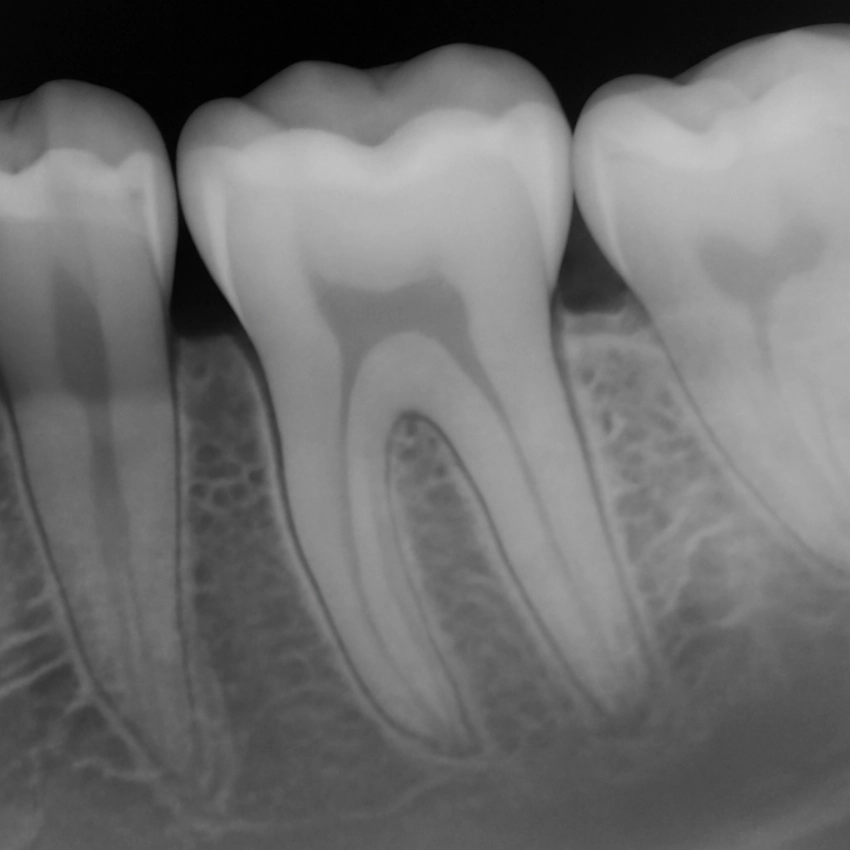
One of the main advantages of the Dental Code D0707 is the ability to provide extremely clear images of a single tooth, including the root and the bone around it. In that case, it becomes a very powerful diagnostic tool in finding problems that cannot be seen even in a thorough clinical and visual inspection, for instance, abscesses, infections, or deep cracks. Dentist Polen Akkılıç with her team at Lema Dental Clinic, for instance, uses this treatment to figure out problems related to tooth roots or bone health which are difficult to detect. Hence the early recognition of such problems can ensure more conservative treatments, thus, leaving less invasive procedures like extractions or major surgeries out of the equation.
In addition, D0707 is essential in treatment progress monitoring. After intervention such as root canal therapy, implant placement, or bone grafting, the method gives a close look at the recovery phase. For example, a patient undergoing treatment for a dental infection, wherein D0707 is used, can confirm if the infection has been eradicated or whether there still needs to be further intervention. Such a high level of accuracy in diagnosis and treatment planning is what ultimately leads to better outcomes over time at Lema Dental Clinic. Besides, it is a great way of ensuring dental health management and maintenance for patients.
Warnings and Cautions Related to the Dental Code D0707
- Radiation Exposure: Even though the D0707 procedure involves the least radiation possible, it is still very necessary to observe the safety precautions that are recommended to keep the exposure to the lowest level. In order to protect more sensitive parts like the neck and chest, for instance, lead aprons and thyroid collars should be worn.
- Use During Pregnancy: As is the case with any radiographic procedure, the D0707 should not be performed on pregnant women. If it is a must, taking the necessary safety measures is the only option and the risks and benefits must be weighed carefully.
- Limit the Number of Images: It is only the required number of images that should be taken as a limit to radiation exposure. Any unnecessary radiographs should be strictly refrained from for the safety of the patient.
- Proper Positioning: Wrong positioning of the patient during the imaging process can bring about images that are not clear or even distorted; thus, it would be very difficult to make the right diagnosis. Therefore, it is very important to be sure that the sensor is in the correct position and that the patient is still to achieve the best possible images.
- Use with Children: In case of D0707 pediatric patients should be of special concern in terms of minimal radiation exposure. Before doctors choose imaging methods, they can either adjust the radiation dose according to the child’s age and size or they can choose an entirely different method.
- Previous Radiographs: Patients who have undergone multiple dental X-rays in a short period of time may become more vulnerable to radiation exposure. It is very important to know their dental history and be sure that it is necessary to take more images before doing the D0707 procedure.
Main Points of D0707 Performance
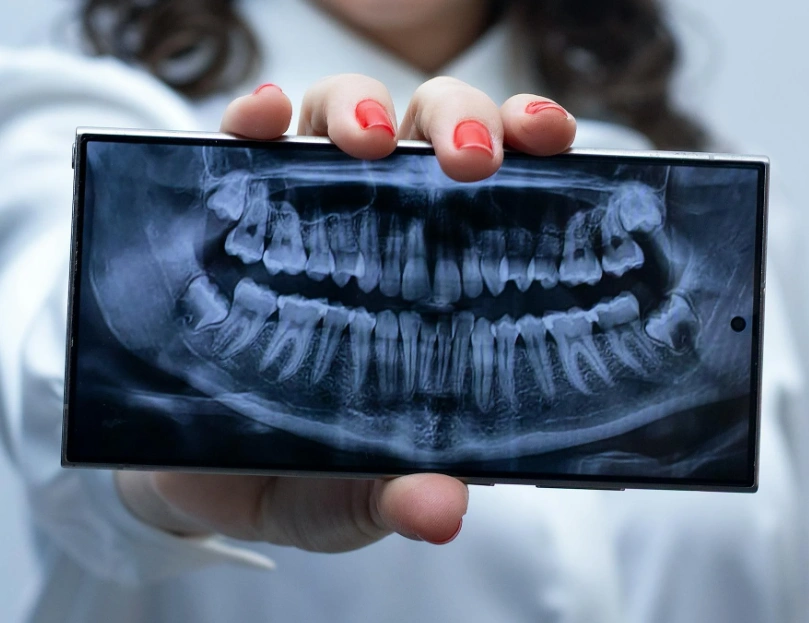
Dental Code D0707‘s main function is to record in great detail the root of a single tooth and the bone next to it by a person’s teeth. So, it is a very important tool for the diagnosis and treatment of various dental problems. Infections, abscesses, broken teeth, and the like may be the reasons for Dentist Polen Akkılıç with her team at Lema Dental Clinic resorting to this technique. Then, D0707 is said to be the closest to providing an ideal framework of the issue, hence tailoring the treatment plan uniquely to the circumstance resulting in effective care.
Moreover, D0707 is indispensable in after-care. It is always a must to oversee the recovery after root canal, implant, or bone graft operations. Recording the condition of the treated tooth at different stages makes the evolution of a problem like infection or the bone getting weaker be promptly detected and thus solutions sought. The huge accomplishment of this monitoring is perfect patient outcomes, which also goes hand-in-hand with preventing unnecessary interventions.
Sample Case for D0707
Suppose a male or female patient comes to Lema Dental Clinic with a toothache that is very painful and accompanied by swelling. The examination carried out by Professor Doctor Coşkun Yıldız leads to the idea of the presence of an abscess or infection near the tooth root that caused the pain. After D0707 has produced images of the tooth and the root,they provide us with a very clear picture. The localized infection that is missed in a general check-up is quite deep. Based on the evidence, it is only by a doctor’s recommendation of a root canal or some other kind of treatment that the infection will be dealt with and the patient’s symptoms resolved.
D0707 might also come in handy when doctor-patient planning is on the agenda before going into a complex operation. For instance, the dental team can figure out the state of the bone and if there is enough bone to have an implant placed, with the help of D0707, the patient who is getting ready for the dental implant will know in advance. By such detailed capturing of the image, the professors and their teams can proceed to carrying out procedures with such precision that implant placement then becomes the safest and most efficient option for long-term use.
Comparison of Dental Radiographs
| Radiograph Type | Area Covered | Purpose | Dental Code Used |
| D0707 (Periapical) | Individual tooth, root, and bone | To diagnose issues with tooth roots, bone loss, and abscesses | D0707 |
| D0274 (Bitewing) | Multiple teeth | To detect cavities between teeth | D0274 |
| D0220 (Panoramic) | Full jaw area | To assess overall oral health and detect tumors or cysts | D0220 |
References:
- American Dental Association. (2021). Current Dental Terminology (CDT). Retrieved from https://www.ada.org/en/publications/cdt
- Patel, S., & O’Neill, C. (2020). A review of the importance of periapical radiographs in endodontic diagnosis. Journal of Endodontics, 46(4), 520-529. https://doi.org/10.1016/j.joen.2020.01.015
- Jacobs, R., & van Steenberghe, D. (2018). The role of radiographs in diagnosing oral health conditions. Oral Surgery, Oral Medicine, Oral Pathology and Oral Radiology, 125(3), 345-350. https://doi.org/10.1016/j.oooo.2017.12.010
- Reibel, J. (2021). The clinical applications of dental radiography: A comprehensive guide for dental professionals. Dental Clinics of North America, 65(2), 205-220. https://doi.org/10.1016/j.cden.2020.11.006
- Linder, K. (2019). The effectiveness of periapical radiographs in diagnosing root canal infections. International Journal of Dental Radiology, 31(1), 70-77. https://doi.org/10.1080/0898327X.2019.1592305
Frequently Asked Questions About Dental Code D0707
Dental Code D0707 is used to obtain intraoral periapical radiographic images, which capture detailed views of a single tooth’s root and surrounding bone. This procedure helps diagnose conditions like infections, abscesses, and fractures.
D0707 is preferred when a dentist needs to evaluate the health of a tooth’s root and bone structures in detail. Unlike panoramic X-rays, which provide a broader view, D0707 focuses on individual teeth, making it ideal for diagnosing localized problems.
The primary risk is exposure to minimal radiation. However, the benefits of obtaining detailed diagnostic images far outweigh the risks, especially when safety protocols like lead aprons are used.
Yes, D0707 is an excellent tool for monitoring the success of treatments like root canals or implants. It helps ensure that the healing process is progressing as expected and that there are no signs of infection or complications.
D0707 is typically only used when there is a specific need to evaluate the tooth’s root or surrounding bone. It is not part of regular check-ups unless deeper issues are suspected.
While D0707 is generally safe, it should be used cautiously during pregnancy. A dentist will evaluate the risks and benefits before performing any X-ray procedures on a pregnant patient.
D0707 provides clear, detailed images of a tooth’s root and bone, helping dentists diagnose issues early and plan more effective treatments, leading to better patient outcomes.
D0707 is highly effective for diagnosing root infections, abscesses, fractures, and bone loss. However, for issues affecting multiple teeth, other imaging procedures may be required.
The D0707 procedure is quick, usually taking just a few minutes to capture the necessary images. It is a fast and non-invasive way to gather critical diagnostic information.
apture the image. It is a painless process that may require you to hold still for a few seconds while the image is taken.

