


Dental Code d0431 is the code for a quick test done right in the office or in a lab to identify the bacteria that cause periodontal disease in the oral cavity. The diagnostic code determines the exact bacteria that cause gingivitis, destruction of the tissue, and chronic infection. Such a test equips dentists with the tool to detect the earliest signs of microbial imbalance before the disease stage, thus enabling the timely and accurate intervention. This preventive strategy results in better periodontal outcomes and a higher rate of treatment success.
When it comes to monitoring bacterial processes, Dr. Polen Akkılıç and her team are the top-most users of d0431 by far. They carry out sampling techniques that have been proven and then make use of the lab-supported evaluation in order to create a full periodontal profile for each patient. The doctor is thus provided with the necessary information to devise a treatment plan that not only is selective but also aims the pathogens directly while which healthy tissue is kept untouched. Their approach therefore raises the level of clinical accuracy and ensures more secure outcomes in the future for every patient.
When is Dental Code d0431 Used?
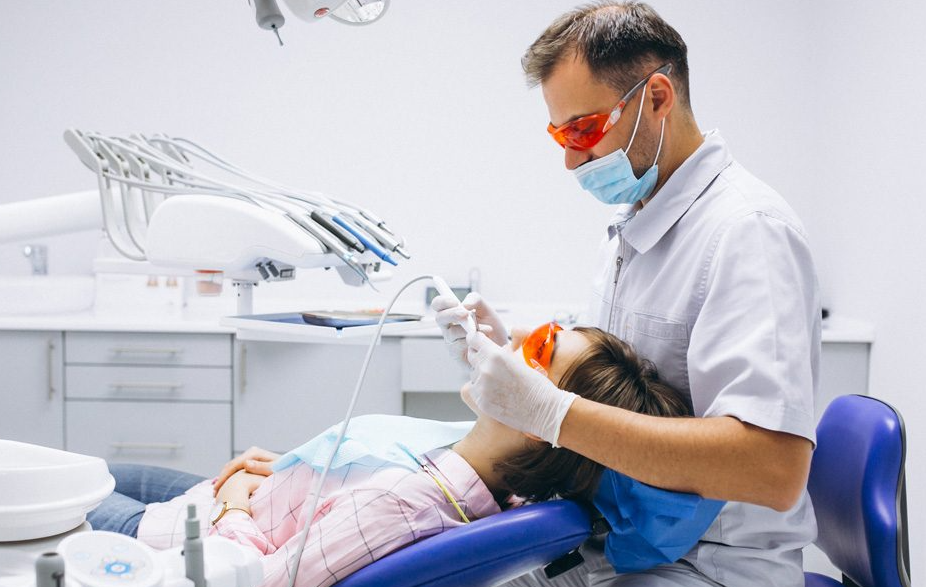
The use of dental code d0431 is indicative of a diagnostic situation that identifies the periodontopathogenic bacteria in a patient with the initial signs of periodontitis such as gingival bleeding, pocket deepening, persistent inflammation, and malodor. After the examination, the doctor selects the therapy, antimicrobial, mechanical, or advanced periodontal treatment depending on the bacteria that cause the symptoms. The availability of this supplementary layer of diagnostic data facilitates the doctor’s clinical decisions and is excellent for the patient’s safety.
Professor Doctor Coşkun Yıldız employs d0431 when conventional evaluations fail to provide a full explanation of the patient’s symptoms. In a case where the patient feels discomfort or inflammation that is not supported by charting or radiographs, he opts for microbial testing to find out the bacterial causes. This way, he is certain that the treatment should target the exact source of the disease and not depend on generalized assumptions. By identifying the causing microorganisms, he is able to come up with targeted patient-specific treatment plans that have higher predictability and ensure periodontal stability in the long run.
What are the Benefits of Using Dental Code d0431?
Dental Code d0431 facilitates a correct diagnosis by pointing out the bacterial pathogens that worsen periodontal disease. The clinical team is given the go-ahead to draw up treatment plans on the basis of concrete microbial data thanks to this early detection. The test is a great ally in preventive care as it uncovers the risks that are quite hidden and most of them are symptomless. Dr. Polen Akkılıç and her team employ this code to elevate treatment to a higher level of precision and to lessen the performance of unnecessary operations. Besides, the screening procedure gives the patients an insight into their oral health and motivates them to be consistent in their preventive care routines.
Such a diagnostic approach is a source of the utmost comfort to the patients as it guarantees safe and reliable planning of periodontal therapy. Professor Doctor Coşkun Yıldız cites the findings as the basis of designing personalized treatments that directly attack the root of gum inflammation. This exactness shortens the process of healing and ensures that the tissue will be stable as time goes by. The results serve to keep the patient informed, enable him to prevent disease progression, and take care of his gums in a way that will lead to predictable, long-term success.
Key Benefits of Dental Code d0431:
- Enables precise microbial testing for very early detection of periodontal conditions
- Assists dental professionals in creating targeted and secure treatment strategies
- Facilitates individual patient education and prevention measures
- Minimizes the risk of treatment challenges through early identification of harmful bacteria
- Contributes to long-term periodontal stability and general oral health advancement
Warnings and Precautions About Dental Code d0431
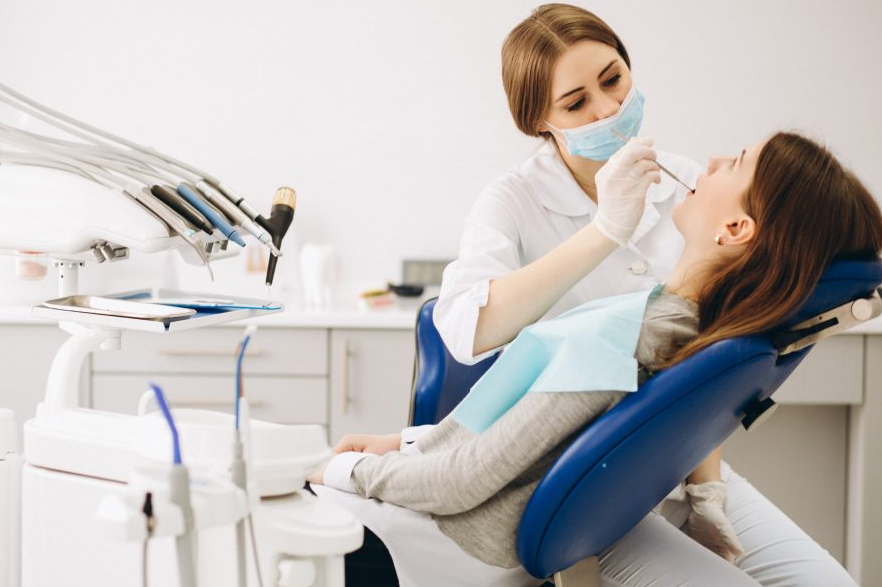
Accurate sampling under tight control is a must if you want to get reliable results with Dental Code d0431. In order to microbial profile not to be changed, the samples have to be taken by a dentist before dental cleaning, antimicrobial therapy, or mouth rinses. Patients must inform the clinical staff if they have taken antibiotics recently because this medicine temporarily lowers the bacteria levels and therefore can affect the test results negatively. Only by being extremely cautious with the time can this test be considered really useful from a diagnostic standpoint.
Professor Doctor Coşkun Yıldız tells patients with systemic diseases like diabetes that is not under control or immune disorders that their oral microbial activity may be changing rapidly. Hence, he takes into account the patient’s general health condition before giving the test to be able to interpret it correctly. He encourages his patients to strictly follow the pre-test instructions to keep the integrity of the samples. These steps ensure a safe and well-controlled environment for diagnosis for each individual.
When Should You Avoid Using d0431 and What Should You Use Instead?
Dentists would not consider Dental Code d0431 as an option to be used immediately after a patient has completed a course of antibiotic therapy. They explain that the medicine suppresses bacteria levels and thus may give erroneous results. Antibiotics can bring about a temporary disorder that does not show the real condition of the patient’s periodontium. This problem with timing can be the cause of a misguidance of the treatment plan, so dentists decide to diagnose in different ways until the microbial environment is back to normal.
In such situations, Dentist Polen Akkılıç and her staff depend on the conventional methods of periodontal charting, clinical examinations, radiographs, or inflammatory biomarker tests. These instruments offer a safe and reliable source of diagnostic information when microbial testing is unsuitable. The dentist may decide to go back to d0431 for a full microbial profile once the patient’s clinical condition permits. This way of proceeding ensures the patient’s comfort and is a guarantee for accuracy at every stage of the care process.
| Clinical Situation | Use d0431? | Recommended Action |
|---|---|---|
| Early signs of gum inflammation | Yes | Perform microbial screening |
| Patient recently used antibiotics | No | Delay test and use radiographs or charting |
| Persistent bad breath | Yes | Assess bacterial imbalance |
| Acute oral infection | No | Stabilize condition before testing |
| Unexplained periodontal pocketing | Yes | Use microbial analysis to guide treatment |
Case Study for d0431
A 34-year-old patient presented with the symptoms of mild bleeding of the gums, persistent bad breath, and early pocket formation. Periodontal charting had indicated periodontal disease in its early stages, but the symptoms appeared to be much more severe than the visual findings. Using the d0431 microbial screening, Dentist Polen Akkılıç and her team performed the necessary test to localize bacterial activity more precisely. The evaluation revealed that there were high levels of anaerobic pathogens that were making the tissue deteriorate, so the clinician could go ahead with the targeted antimicrobial and periodontal therapy plan.
After eight weeks, the patient came for a follow-up, and the repeated microbial screening showed that the harmful bacteria had been significantly decreased. Professor Doctor Coşkun Yıldız inspected the situation and changed the therapy plan to cover systematic hygiene as well as regular check-ups. The patient had less bleeding of gums, better breath odor, and the gums were still in good condition. Therefore, the case turned into a demonstration of the effectiveness of timely microbial detection in achieving a great therapy outcome and long-term stability.
References
- Kinane, D. F., Stathopoulou, P. G., & Papapanou, P. N. (2017). Periodontal diseases. Nature Reviews Disease Primers, 3(1), 1–14. https://doi.org/10.1038/nrdp.2017.38
- Socransky, S. S., & Haffajee, A. D. (2005). Periodontal microbial ecology. Periodontology 2000, 38(1), 135–187.
- Tonetti, M. S., Greenwell, H., & Kornman, K. S. (2018). Staging and grading of periodontitis: Framework and proposal. Journal of Periodontology, 89(S1), S159–S172. https://doi.org/10.1002/JPER.18-0006
- Kornman, K. S., & Loe, H. (1993). The role of local factors in the etiology of periodontal diseases. Periodontology 2000, 2(1), 204–215. https://doi.org/10.1111/j.1600-0757.1993.tb00226.x
- Paster, B. J., Dewhirst, F. E., & Waites, K. B. (2018). Oral microbiome research. Clinics in Laboratory Medicine, 38(2), 185–198. https://doi.org/10.1016/j.cll.2018.02.002
Frequently Asked Questions About Dental Code d0431
It measures bacterial pathogens linked to periodontal disease, and it helps the dentist design a precise treatment plan.
The sampling is gentle and comfortable, and most patients complete it within minutes.
It supports early detection by identifying harmful microorganisms that contribute to periodontal damage.
Coverage varies depending on the patient’s insurance plan, and the clinic explains details during the consultation.
Dentists use it during initial assessments or after periodontal therapy, depending on the patient’s risk level.
The screening is safe for children who show early periodontal concerns, and the dentist decides based on clinical needs.
Antibiotics temporarily reduce bacterial levels, so dentists usually wait before performing the test.
Most laboratories process results within a few days, and the clinic reviews them during the next appointment.
It focuses on bacteria associated with periodontal disease, while other tests assess different conditions.

