


What is the D0364 Dental Code?
The dental code D0364 refers to the diagnostic process of a limited cone beam CT (CBCT) scan. Essentially, this is a dental imaging technique that is less invasive and more precise than standard X-rays, presenting the dental and facial areas in 3D. The D0364 code is for the recording of local area-focused scans that are instrumental in the assessment of a single tooth, jawbone, or the oral cavity structures. Viewing the structures in 3D gives the treating dentists insight and thus it is instrumental when complex dental implant, root canal, or jaw surgery procedures are involved.
Dental cone beam CT technology is rapidly becoming the preferred solution in dental practices looking to offer patients low-dose, high-resolution imaging, because, in doing so, the radiation emitted is vastly minimized when compared to regular CT scans. The D0364 code is relevant when there is a requirement for a brief and focused examination of a certain area. This extended limitation permits a speedy, more concentrated scan which is exceptionally useful in urgent or specialized treatment scenarios. The dental code D0364 is very instrumental in helping dentists and oral surgeons plan treatments with a higher level of accuracy, thereby enhancing patient safety and well-being.
When to Use D0364 Dental Code?
- Implant Planning: When a patient requires a dental implant, the D0364 code is typically employed to determine the bone framework and density in the implanted area. This not only confirms that the bone is capable of holding the implant but also helps in the exact guidance of the device.
- Localized Evaluation: A D0364 scan provides an excellent source of detailed visuals for a dentist when he needs to focus on a single tooth or a small part of the jawbone rather than the entire mouth.
- Surgical Planning: In the case of surgeons in the oral field getting ready for intricate operations such as bone grafts or cyst removals, D0364 is their choice to get the detailed pictures of the area involved, the more the surgeries are accurate and successful.
- Assessment of Dental Abnormalities: In situations where a patient exhibits strange symptoms or is suspected of having issues such as cysts, tumors, or misalignment, a D0364 scan can be used to provide detailed images for accurate diagnosis and deciding the treatment plan.
- Analyzing the temporomandibular joint with a D0364 scan is a great way to be able to see in detail the joint which may have suffered from pain, dysfunction or any other structural problem and to prepare a precise local treatment based on this information.
- Root Canal Treatment: The D0364 code can be used by a dentist when he/she is planning root canal therapy and wants to get detailed informationon the root structure, the bone around it and to locate the infection areas for a precise and effective treatment to be given.
How the D0364 Procedure Works: What to Expect?
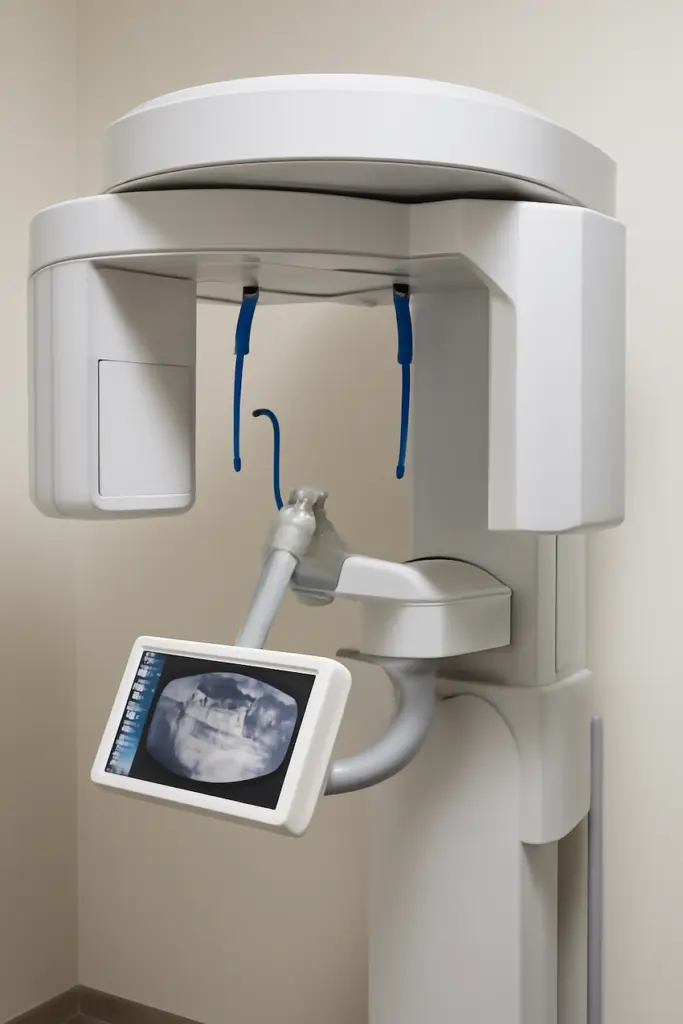
D0364 is a quick routine, non-invasive, and usually it doesn’t require any special preparatory measures. The patient is set up in front of the cone beam CT machine, and a 3D scan is made of the area of interest. The patient may be instructed to keep still for a few seconds while the machine takes pictures, which are then processed to produce a detailed 3D representation of the area. Cone beam CT is very fast compared to a conventional X-ray method, which requires multiple exposures. In fact, all the necessary data are collected in one rotation of the cone beam CT.
After the procedure, the images are stored on a computer from which they can be viewed and studied by the dentist or oral surgeon. These pictures provide a very close view of bone density, tooth positioning, and the structures around. The dentist can use the 3D pictures in various ways to get a deeper insight into the patient’s problem. The procedure is very fast and fairly comfortable, and there is only a slight risk for the patients. On the other hand, they have to let their dental team know if they are pregnant or think they may be pregnant as radiation should be avoided as much as possible during pregnancy.
Advantages and Disadvantages of Using Dental Code D0364
Advantages:
- Detailed 3D Imaging: D0364 scan is the primary source of the crisp 3D images in a very short time and with high resolution, these are very accurate views of the oral and maxillofacial regions, which then lead to diagnoses and treatment planning of great precision.
- Minimized Radiation Exposure: If we compare a D0364 cone beam CT scan with a traditional full-body CT scan, then we can see that the former can reduce radiation exposure of the patient to a large extent and, accordingly, is a safer option for localized imaging.
- Non-invasive: This operation is completely non-invasive and the patient will thus have no recovery period or risk as no cuts or incisions are involved.
- Faster and More Efficient: The process of doing the limited scan takes only a few minutes, and during that time, the patient can get the results of the other imaging methods.
- Improved Surgical Planning: With the aid of high-quality 3D images, dentists and oral surgeons can drill down in detail the planning of complicated operations such as dental implants, root canals, and jaw surgeries, which, as a result, accurate treatments and improved outcomes.
Disadvantages:
- Higher Cost: D0364 scans in most cases are significantly pricier than a standard 2D X-ray. Therefore, some patients without insurance that covers this type of imaging may not be able to undergo such a procedure.
- Limited Area Coverage: The D0364 code refers only to area-limited scans; thus, it cannot obtain pictures of larger or more comprehensive areas than a full CT scan (D0367) that might be required for a thorough evaluation.
- Not Always Covered by Insurance: In a few cases, insurance plans may not cover the cost of a D0364 scan as it is a distinguished procedure; hence, patients are to bear the expenses themselves.
- Minimal Radiation Exposure: Even if the radiation dose is less than that of a regular CT, the D0364 method still needs some radiation exposure to the patient, which can cause discomfort or nervousness in those who are very sensitive, e.g., pregnant women.
- Specialized Use: The scan is only suitable for situations where the focus of the image is a small area and the result must be extremely clear. For detailed or full-mouth imaging, a different imaging code (like D0367) will be used.
Cautions Related to Dental Code D0364
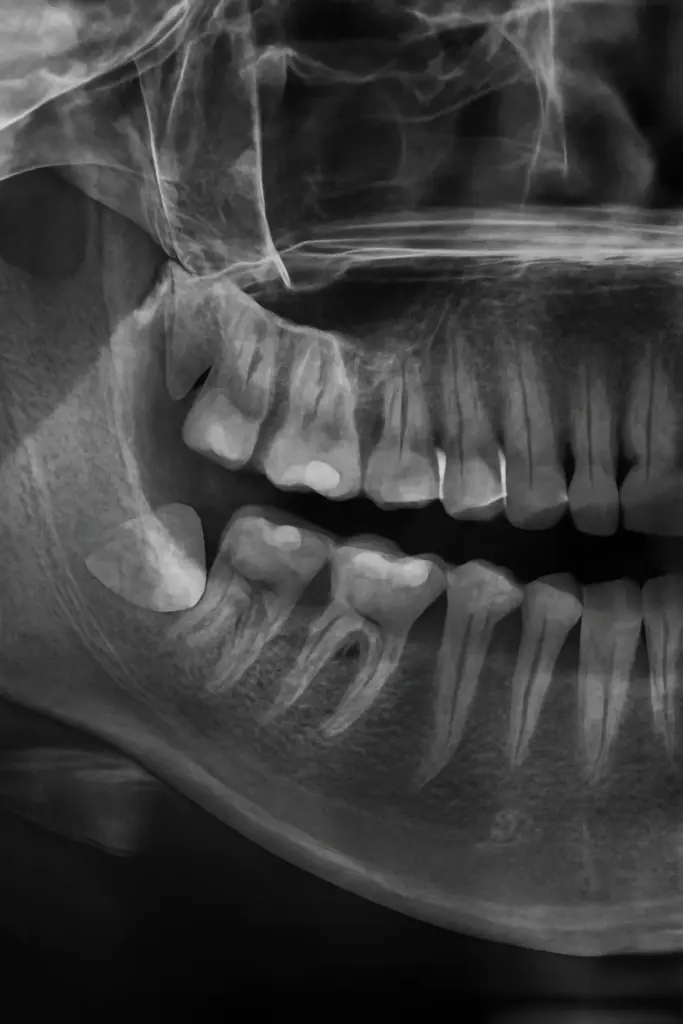
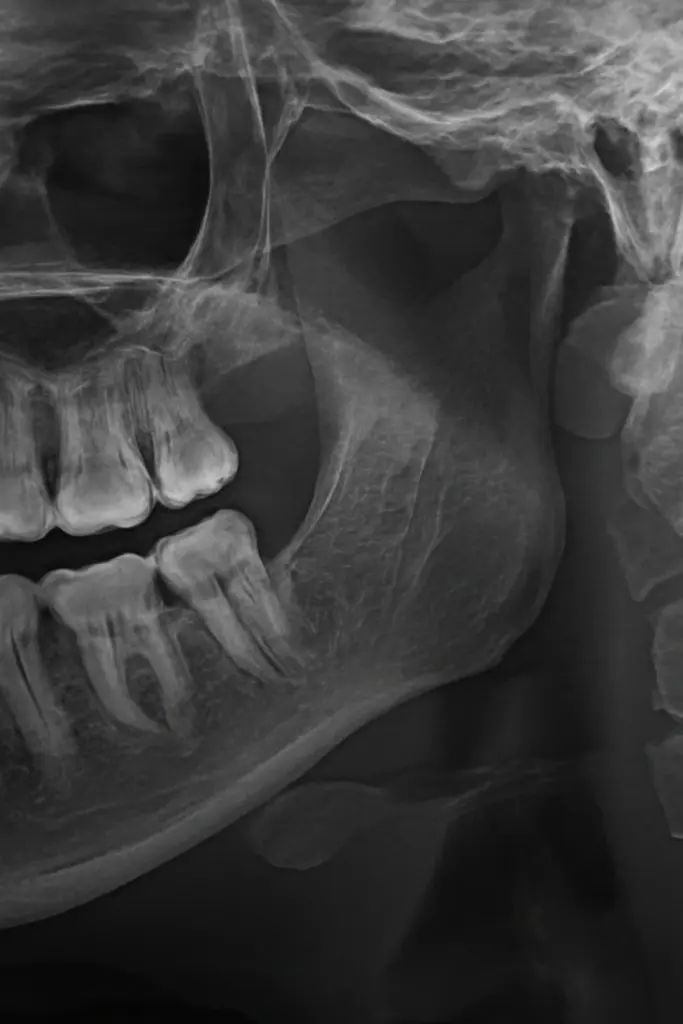
The D0364 works fine most of the time but has to be done with caution due to the radiation exposure that is involved in the scan. Hence, the D0364 scan should be the last resort after other examination options have been ruled out, and the patient must be careful not to have a D0364 scan performed unnecessarily. The radiation dose is about one order of magnitude less than conventional CT; however, it is larger than that of a dental X-ray of the same area.
Before undergoing the D0364 scan, pregnant women or women who may be pregnant should notify their dental care provider. Radiation can be very destructive to the fetus during pregnancy; hence, doctors avoid the radiation exposure as far as possible during the gestation period. Still, if the need for a cone beam CT is real and unavoidable, the dentist together with the patient may put in place measures to minimize the risk so that the benefits could be far more than the drawbacks.
Comparison of D0364 with Related Dental Codes
The D0364 cone beam CT scan should not be compared with other dental imaging codes as an equal; rather, it has to be seen as more focused and specific. A comparison with the D0367 code shows that a cone-beam full scan is meant for capturing the entire oral and maxillofacial structures, whereas the D0364 is a localized scanning of a small area of the mouth or jaw.
Both the D0364 and D0367 codes can produce exquisite 3D images, but the extent of the scan is the determining factor for the choice. What the D0364 is concerned with is the provision of detailed images of a small confined area, while the D0367 is useful in delivering the broader view of the whole jaw or mouth. Usually, dentists and oral surgeons decide which code is to be used based on the complexity of the case and the area that needs to be evaluated.
Example Case for D0364
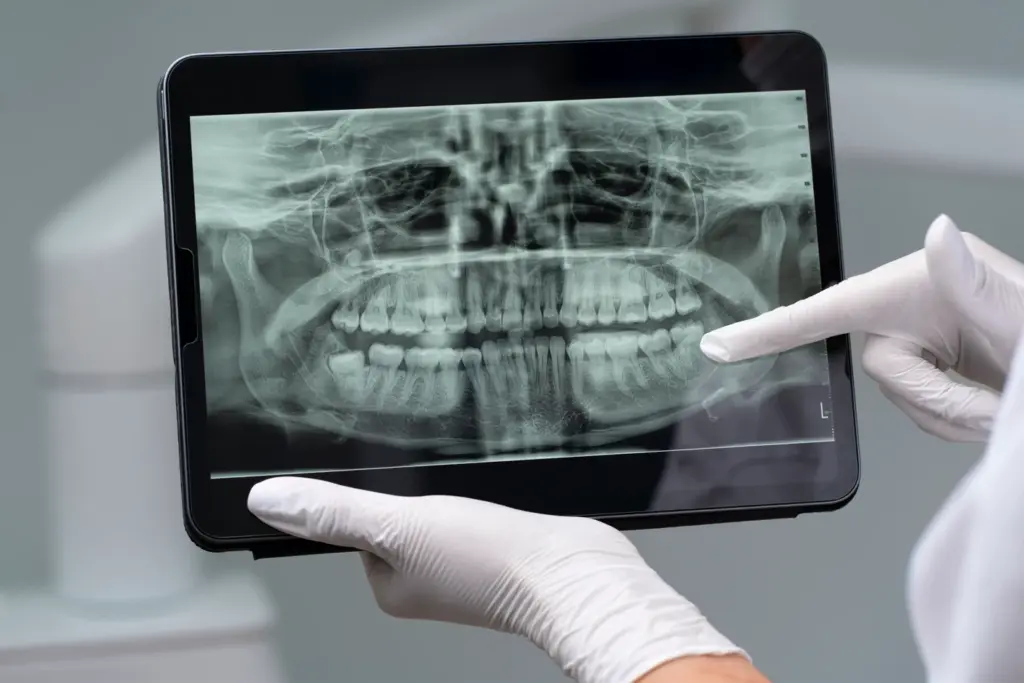
An illustration of the D0364 code usage might be the narrative of a patient requiring a dental implant. The implant can be placed by the dentist only after he/she is sure that the patient’s jawbone is dense enough and is structurally sound. To be able to check the bone, with the help of the D0364 code, a cone beam CT scan is performed yielding detailed 3D images of the area to be examined thus allowing the dentist to assess the bone quality and make a precise implant placement plan.
Such precise imaging may also take the pressure off patients with other dental problems such as the presence of cysts or tumors in the jaw. In these cases, the D0364 scan can not only locate the problem source but also help the dentist or oral surgeon figure out its size and hence the correct treatment plan. By using the D0364 code, the dental team makes the patient the recipient of the most efficient and accurate care possible; hence the risk of complications during and after the surgery is at a minimum level.
Benefits and Limitations of D0364
| Benefit | Limitation |
| Provides detailed 3D imaging for specific areas | Higher cost compared to traditional X-rays |
| Useful for precise treatment planning (implants, surgeries) | Increased radiation exposure compared to traditional X-rays |
| Non-invasive and quick procedure | May not be covered by all insurance plans |
| Lower radiation compared to full CT scans | Not ideal for full-mouth evaluations |
References:
- American Dental Association. (2021). Code on dental procedures and nomenclature: D0364 – Limited cone beam CT scan. American Dental Association. Retrieved from https://www.ada.org/en/resources
- Patel, S., & Dawood, A. (2020). The role of cone beam computed tomography in modern dentistry. Journal of Clinical Dentistry, 31(2), 45-54. https://doi.org/10.1111/jcd.01025
- Maret, D., & Lefebvre, C. (2019). Cone beam computed tomography in the management of dental implant patients: Indications and considerations. Dental Implants Journal, 34(4), 240-248. https://doi.org/10.1016/j.dentim.2019.05.001
- Kirmanidou, I., & Kotsis, M. (2018). Radiation safety in dental cone beam computed tomography imaging: A review of techniques and protocols. International Journal of Dentistry and Oral Health, 6(1), 34-42. https://doi.org/10.29011/2381-0702.100023
- Mallya, S., & Gajjar, P. (2017). A comparison of conventional radiography with cone beam computed tomography in the diagnosis of temporomandibular joint disorders. Journal of Oral Science & Rehabilitation, 25(1), 12-19. https://doi.org/10.4103/joir.2017.1268
FAQ: What is the D0364 Dental Code?
The D0364 dental code is assigned to a limited cone beam CT scan that can portray detailed 3D images of selected oral or jaw areas. It finds extensive utilization for implant planning, bone density evaluation, and dental abnormality assessment.
Usually, the duration of a D0364 scan is only a matter of a few minutes. The whole process is quite fast, simple, and painless, while the dental professional can take impressive 3D images in just a short time period.
D0364 scan is safe and only exposes patients to very low radiation. Even so, a dental consultation is still a must to decide on the necessity of the scan for pregnant ladies or those who might be expecting.
D0364 scan goes way beyond to provide detailed 3D imaging but still, classic dental X-rays have their place for check-up purposes. Usually, the D0364 scan is supplemented by ordinary X-rays in complicated scenarios.
The provision of insurance coverage for the D0364 scan is a different aspect depending on each plan. Patients must inquire about their insurance policies first, making sure the department is issuing a covered procedure especially if advanced imaging is involved.
For instance, D0364 scan gives the dentist thorough 3-dimensional pictures of the source tissues giving better ways of treatment planning. These pictures help make the safety and success of a procedure possible since the pictures allow correct placement and the first step toward success.
Absolutely, D0364 scan is workable for those with braces. The imaging process unveils the intricacies of the teeth and jaw, which involves orthodontic appliances, for proper clinical examination and treatment planning.
The central issue of a D0364 scan is the radiation exposure, which albeit less is still higher than that of conventional X-rays. Steps must be taken to limit the use of imaging procedures, in particular, pregnant women should be cautious.
The D0364 scan offers a more concise and detailed target area imaging option than regular X-rays, thus better serving special diagnostic requirements. Unlike D0364, a thorough CT scan such as D0367 covers more extensive areas but doesn’t provide the same amount of targeted details.
The moment of truth for the D0364 scan would be the assessment of bone structure and density in the actual location of a dental implant. This way, it can be affirmed that the bone is enough to hold the implant, avoidance of setbacks during insertion is guaranteed.

