


Dental interventions and insurance codes may seem like a completely different language and can be very confusing. Sometimes, when the dentist prescribes a certain X-ray, it becomes very important to understand the reason for it, as it’s crucial for your oral health journey. If you have come across the dental code D0274, this guide will help you. We will figure out what this code stands for, what the clinical benefits of it and why this state-of-the-art imaging technique is the foundation of a hygienic preventive dentistry.
Essentially, this code is about 6 vertical bitewing radiographs. In contrast to the usual horizontally arranged bitewing, this innovative method gives a dental team not only a clear but also a complete picture of your oral health, thus enabling issues to be detected at the earliest stage and ensuring long-term health.
Understanding the Basics: What is Dental Code D0274?
Within the conform system of codes utilized by all dental professionals in the USA, Current Dental Terminology (CDT) code set – D0274 is characterized as “vertical bitewings – 7-8 films”. While the code dictates 7-8 films, a range of six films is quite a common and very efficient way of achieving the same diagnostic results. It represents a diagnostic imaging technique that shows the upper and back (posterior) teeth in one single view from the crown all the way down to the bone near the roots.
The word “vertical” is the main difference. Normally, bitewing X-rays are taken with the film or sensor placed horizontally, which means only the crowns of the teeth and the bone between them can be seen. Vertical bitewings, as the term suggests, change the sensor to a vertical position. That simple rotation considerably enlarges the view, thus allowing a lot more tooth structure and the supporting bone to be seen.
Why a Set of Six? By having six separate X-ray pictures, full visual access to the entire back area of your mouth, i.e., the parts most vulnerable to decay and gum disease, is guaranteed. That usually includes two images taken on the upper left, two on the lower left, two on the upper right, and two on the lower right. Such a systematic way of working ensures no surface is left unseen, thus forming a complete and reliable diagnostic benchmark.
The Critical Diagnostic Advantages of Vertical Bitewings
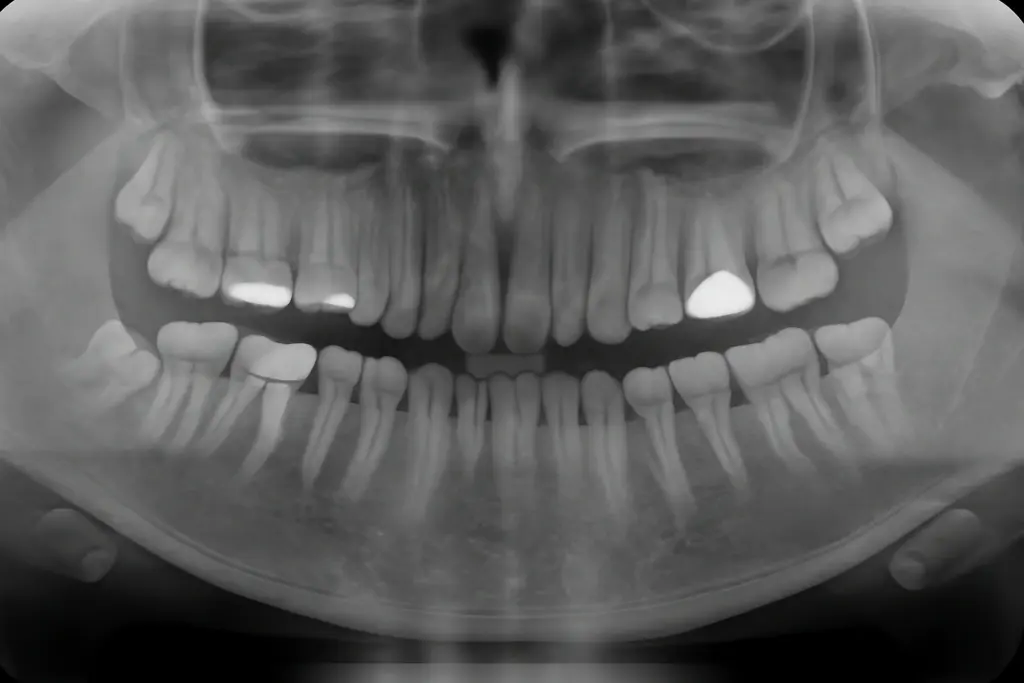
The decision to employ vertical bitewings rather than the conventional horizontally aligned ones is a decision that focuses on patient welfare and clinical precision. The extended view provides real benefits that have a direct positive effect on the patient’s health results.
1. Comprehensive Assessment of Gum and Bone Health
Supporting the teeth, the jawbone is the main subject of the photos that are taken with vertical bitewings. The dentist can pinpoint the height of the bone and locate the earliest signs of periodontitis (gum disease), which is a condition where the patient loses bone. The significance of the very first detection of bone loss cannot be overemphasized, as it allows the disease to be brought under control and tooth loss to be avoided immediately. Horizontal bitewings are not capable of providing such crucial data.
2. Enhanced Detection of Interproximal Cavities
Vertical bitewings are able to do traditional bitewings plus some. They offer a neat and clear view of the interproximal areas – the closest spaces where the teeth are in contact with each other. These surfaces are the most common places for cavities (dental caries), which are not visible even with a clinical exam. The high-resolution images allow the dentist to detect the slightest demineralization, thus the treatment of the cavity can be done when it is still a small one and can be easily restored with a simple filling.
3. Accurate Evaluation of Existing Dental Work
If you have any fillings, crowns, or bridges, vertical bitewings will enable your dentist to check their condition and the health of the tooth structure under which they are placed. Recurrent decay can be checked for around restoration edges, a crown’s proper fit can be ensured, and it can be confirmed that the margin is still safe from oral bacteria.
4. Recognition of Conditions Besides Pathologies
Most of the time, vertical bitewings are used for looking at the crowns and supporting bone, but the broader view sometimes can lead to the discovery of other things that are quite significant. This includes the diagnosis of dental abscesses at the root tips, assessing the development and eruption of wisdom teeth, as well as spotting cysts or other abnormal growths in the jawbone, which are going to be overlooked until they become symptomatic.
When Your Dentist Recommends Code D0274: A Focus on Proactive Care
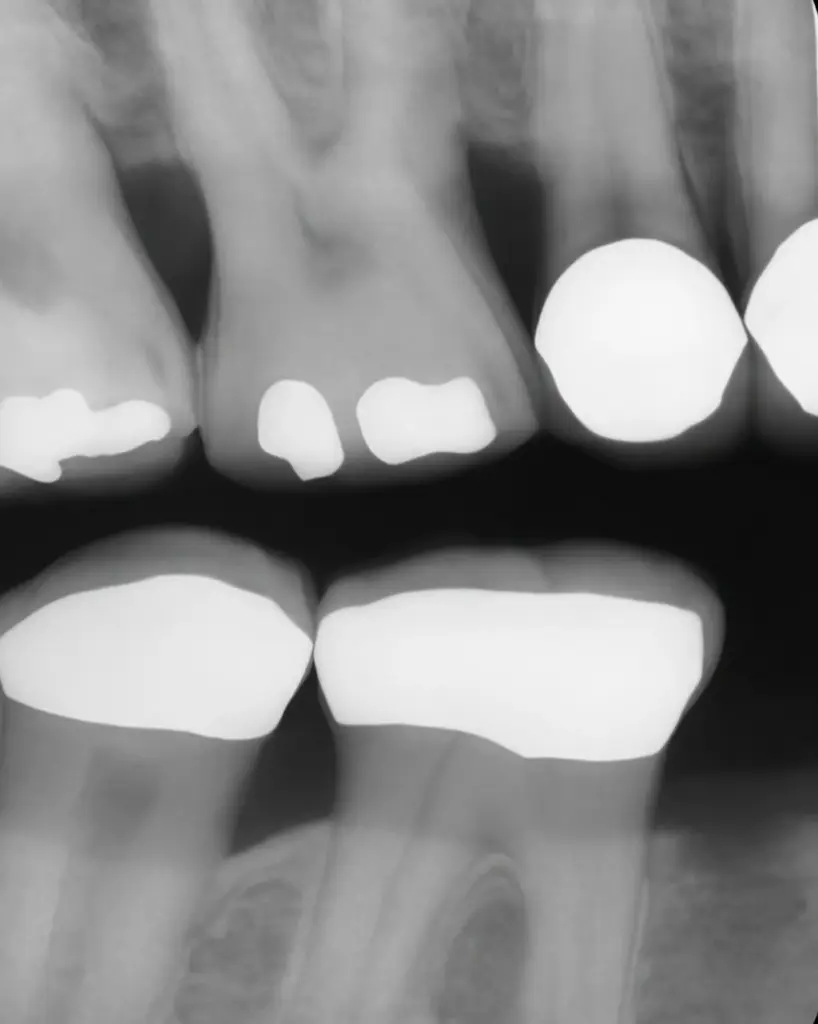
Recommendations of your dentist are based on your health status and risk factors. A suggestion to have vertical D0274 bitewings is a characteristic of a detail-oriented, prevention-focused practice. Some of the most common clinical situations that require this kind of radiography are:
- New Patient Examinations: Vertical bitewings as a part of a comprehensive initial exam help to establish a full oral health baseline by recording the current state of teeth, bones, and restorations.
- Monitoring Gum Disease: Vertical bitewings are an excellent tool for monitoring bone levels in patients with a history of or currently suffering from periodontitis and for assessing the effectiveness of the treatments over time.
- High-Risk for Cavities: Before frequent infliction of cavities, patients can make good use of vertical bitewings’ improved diagnostic capabilities, so decay can be caught when it is at the earliest and thus most manageable stage.
- Recall Appointments: At regular check-up sessions (usually every 6 to 18 months, depending on the risk level) your dentist will continue taking X-rays in order to keep track of any changes since your last visit.
Safety and Comfort: Addressing Patient Concerns
Protecting patients is the number one goal in today’s dental industry and the same goes for radiographic imaging.
Radiation Safety
A Reassuring PerspectiveDental X-rays are performed using an extremely low amount of radiation. To give an idea, the radiation dose for a set of six digital bitewing X-rays is around 0.005 mSv (millisieverts). That amount is significantly lower than the natural background radiation to which you are exposed during one day (about 0.008 mSv). It is equivalent to the exposure to radiation that you would receive during a short airplane flight or if you stayed outdoors for an hour. Even though there is a minimal risk of radiation exposure, which is inevitable with any imaging technique, the use of digital sensors, lead aprons, and thyroid collars makes dental radiography a very safe and well-controlled procedure in which the considerable diagnostic benefits far outweigh the minimal risks.
The Patient Experience: What to Expect
The operation is easy and the patient is comfortable during it. The dental assistant will insert a small and comfortable digital sensor in the patient’s mouth, thus the sensor will be properly positioned. The patient will be asked to bite down on the holder in a gentle manner in order to keep the sensor in place. After that, the X-ray machine is focused on the required part and turned on for a very short period of time. The whole process will be performed again for the rest of the six parts. The whole operation is fast, painless and it has been designed in a way that the patient’s comfort will be guaranteed at the same time the clearest possible images for an accurate diagnosis will be obtained.
Navigating Insurance and Cost Considerations
Figuring out how insurance will cover your expenses is not an easy task, but in the case of D0274, there are a few key principles to remember.
Insurance Coverage Nuances
In the majority of dental insurance plans, diagnostic X-rays are included as part of necessary preventive care and thus fully covered. Unfortunately, the frequency of the coverage and the specific codes covered may differ greatly between policies. While some carriers’ policies may still position D0274 under the same frequency constraints as regular horizontally arranged bitewings (D0272), others might recognize it as an entirely different and more advanced procedure. It’s always good insurance to get in contact with your insurer before seeing your dentist in order to inquire about your benefits concerning CDT code D0274.
Understanding the Value
If there happens to be a vertical bitewings out-of-pocket cost going along with your insurance plan, treat it as a moment where you pay for a high diagnostic standard. Early detection of gum disease and hidden cavities can lead to very simple and cheap treatments nowadays, thus you will not have to pay for expensive root canals, crowns or dental implants in the future. The information obtained through these X-rays gives power to you and your dentist to make well-informed decisions regarding your oral health.
Conclusion: Empowering Your Health with Advanced Diagnostics
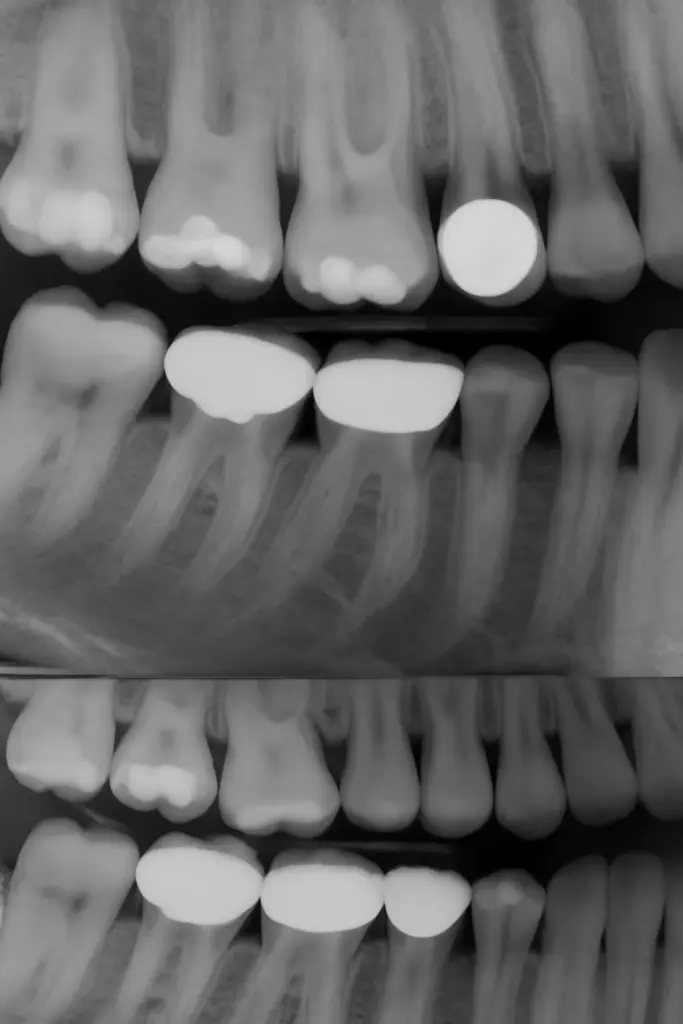
Dental code D0274 for six vertical bitewing X-rays is a major step forward in diagnostic imaging. It breaks the bounds of a traditional X-ray to offer a complete view of oral health which, along with teeth, also includes the bone that forms the foundation. The main reason for this is a clear indication of a dental practice that is dedicated to early detection, proactive treatment, and resulting in the best possible long-term health outcomes for patients.
Therefore, the dentist usually suggests a service like this when he is employing the most effective means at his disposal to protect your smile. By knowing the cause, benefits, and safety of the operation, you can be sure and even take part in the process. So, the result of this care is oral wellness being continuously maintained, even though every little detail is being thoroughly checked.
Sources:
- American Dental Association. (2023). Current Dental Terminology (CDT) 2024. American Dental Association.
- American Dental Association Council on Scientific Affairs. (2012). Dental Radiographic Examinations: Recommendations for Patient Selection and Limiting Radiation Exposure. The Journal of the American Dental Association, 143(1), 74-82.
- White, S. C., & Pharoah, M. J. (2014). Oral Radiology: Principles and Interpretation (7th ed.). Mosby.
- National Council on Radiation Protection and Measurements. (NCRP Report No. 177). Radiation Protection in Dentistry and Oral & Maxillofacial Imaging.
Frequently Asked Questions (FAQs) About 6 Vertical Bitewing (Code D0274)
Dental code D0274 is a standardized code from the American Dental Association (ADA) used for billing and insurance purposes. It specifically describes a series of “vertical bitewing” X-rays, most commonly a set of six images, that provide a detailed view of your back teeth and their supporting bone.
The 6 vertical bitewing series is a set of six detailed X-ray pictures that capture your upper and back teeth from the chewing surface all the way down to the tip of the root and the surrounding jawbone. This gives your dentist a complete picture to check for cavities between teeth and, crucially, assess the bone level for signs of gum disease.
Dental practices use a standard digital X-ray machine. The key component is a specialized vertical bitewing holder or sensor positioning kit. These holders correctly orient the digital sensor or film vertically in the mouth. Reputable dental suppliers like Dentsply Sirona, Practiceworks, and numerous other dental product companies offer these essential positioning aids.
Most dental insurance plans cover diagnostic X-rays like D0274 as part of your preventive care benefits. However, coverage frequency can vary. We recommend contacting your insurance provider directly to confirm your specific benefits for CDT code D0274 before your appointment.
Yes, vertical bitewings are an excellent tool in pediatric dentistry. They are particularly valuable for assessing bone levels in children with orthodontic appliances, monitoring the development and spacing of permanent teeth, and evaluating the bone health around newly erupted molars. Dentists use appropriately sized sensors and holders to ensure a comfortable experience for young patients.

