


Dental bonding is a popular, effective and simple to understand method of treatment, which can be used to fix various problems of children’s dentition. In short, it is a solution of many problems, which can be implemented very fast and without any pain. If, for example, a tooth is chipped, one can also use the bonding method to close small spaces or to whiten the teeth. Under the guidance of the head dentist, Polen Akkılıç at Lema Dental Clinic, we make it a rule to deliver pressure-free treatments to your kids and still provide them with durable effects.
The bonding procedure entails covering the tooth with a resin, the color of which matches the tooth. Next, this resin is solidified with the help of a special light. This intervention is very gentle and does not irritate the child, hence, it will be an extremely good choice if they are nervous or afraid of other types of treatments. The resin will be carefully carved to represent the natural tooth, and thus, your child’s perfected smile will be “invisible”.
Benefits of Dental Bonding for Kids
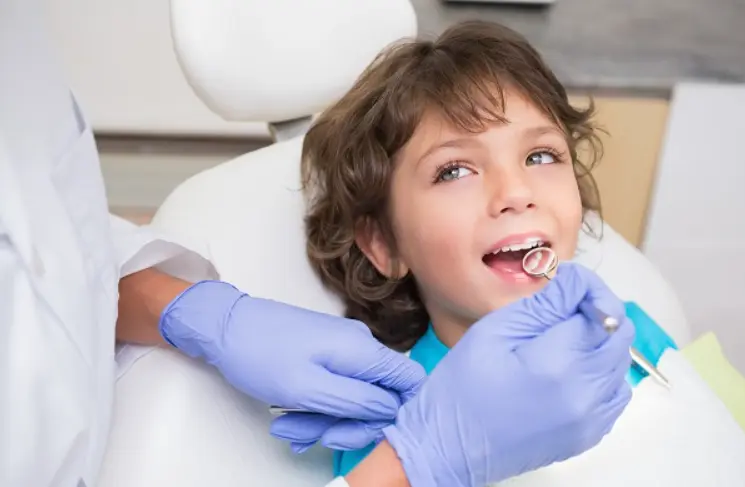
Dental bonding can be extremely beneficial for children’s teeth. What is more, it may be used as a solution to both aesthetic and restorative dental problems of children. Here are some of the advantages of dental bonding for kids:
- Fast and to the Point: Normally, bonding is done during one visit only, hence there are neither long appointments nor multiple sessions. Busy families will find it very convenient.
- Non-invasive: The intervention requires only a few minor preparations, and anesthesia is rarely used, so children can be calm and comfortable during the procedure.
- Cost-effective: The dental bonding will be an affordable solution that can provide cosmetic results similar to those of the more expensive treatments like crowns or veneers if we make a price comparison.
- Long-lasting: Even though the life span of a bonded tooth is not as long as that of a crowned one, it can still reach a few years with proper maintenance. The resin used is durable to the normal wear and tear caused by the chewing of food.
- Minimal Tooth Removal: The amount of tooth structure that needs to be removed for bonding is very little, thus the natural tooth is kept intact.
- Enhances the Glance: One can make the bonding method to unleash the full potential of white teeth, even if they have been chipped or discolored. This will in turn make your child smile more confidently.
- Stops the Damage from Worsening: Through methods like cavity filling or gap closing, dental bonding can help prevent the dental issue from getting worse and thus, it safeguards children’s teeth from further damage.
- Safe and Biocompatible: The resin utilized in dental bonding is safe and friendly to kids, therefore, it is sure that it won’t cause any undesired effects to their health.
Procedure and Process of Dental Bonding
Dental bonding in children is done with very little preparation and is easy to carry out. The dentist will clean the tooth and etch it slightly to make sure the resin sticks well. After that, a composite material chosen from a range of shades to match the tooth is put on the tooth that needs the treatment and is molded to fit the natural shape of the tooth. A special light is then used to harden the resin and the bonding is thus complete.
Most of the time a single visit is sufficient and the results are visible immediately if dental bonding is performed. The procedure is efficient and without any trouble, and only a handful of kids might need additional treatment.
Moreover, the substances utilized for bonding are hard to stain, thus the smile of your child will be radiant and hygienic for a long period.
| Benefit | Consideration |
|---|---|
| Quick, one-visit procedure | Not suitable for large cavities or extensive damage |
| Minimal tooth removal required | May need repairs or touch-ups over time |
| Affordable compared to other treatments | Not as durable as crowns or veneers |
| Safe and non-invasive | Requires good maintenance to prevent damage |
Maintaining Dental Bonding for Kids
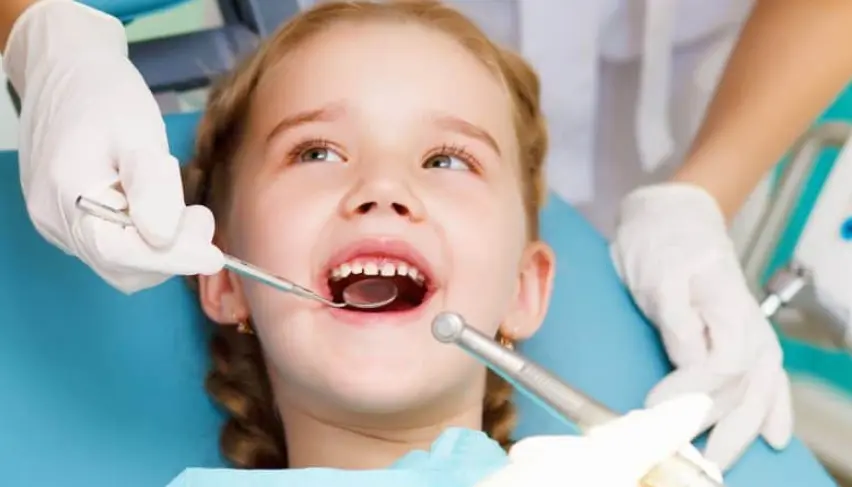
If you want a dental bonding to last for a long time, you should continue with good oral hygiene after the procedure. Infrequent brushing and flossing, as well as dental check-ups at the Lema Dental Clinic, will keep a bonded tooth healthy. In addition, parents need to tell their children that they must not use their teeth to break hard things like ice or pencils because this may result in the bonding becoming chipped or broken.
Typically, the dental bonding life span lasts for several years, but still, it is not resistant. A dental check-up will be required if your kid becomes uneasy or notices the change of the bonding. We at Lema Dental Clinic promise to keep the bonding safe and we will make your child’s dental health our greatest priority.
References
- Duggal, M., Robertson, A., & et al. (2023). Restorative Techniques in Paediatric Dentistry: An Illustrated Guide to Conventional and Contemporary Approaches (3rd ed.). CRC Press.
- Soxman, J. A. (Ed.). (2010). Handbook of Clinical Techniques in Pediatric Dentistry. Elsevier / Academic Press. onesearch.nihlibrary.ors.nih.gov+1
- Bourgi, R., & ark. (2024). A literature review of adhesive systems in dentistry: Mechanisms of resin–dentin bonding and clinical implications. Applied Sciences, 14(18), 8111.
- Danevitch, N., & ark. (2023). Dentin bonding performance of universal adhesives in primary teeth after different storage periods. Materials, 16(17), 5948.
- García‑Godoy, F., & ark. (2002). Dentin/enamel adhesives in pediatric dentistry. Journal of Clinical Pediatric Dentistry, (Year), pages.
Frequently Asked Questions About Dental Bonding for Kids
Dental bonding is a procedure where a tooth-colored resin is applied to a child’s tooth to fix chips, cracks, or gaps. It enhances the appearance and function of the tooth without the need for invasive treatments.
Yes, dental bonding is a safe procedure for children and is considered one of the least invasive treatments. It is non-toxic and uses materials that are specifically designed for children’s dental needs.
Dental bonding typically lasts between 5 to 10 years with proper care. The longevity can depend on the child’s oral habits and the areas of the tooth that were bonded.
No, dental bonding does not usually require anesthesia as it is a minimally invasive procedure. The child may feel some mild discomfort, but it is generally well-tolerated.
Yes, dental bonding can be used to repair small cavities by restoring the tooth’s shape and preventing further decay. It is an effective and cost-efficient solution for treating cavities in children’s teeth.
No, dental bonding is generally pain-free for children. Since the procedure is non-invasive, there is no need for drilling or injections, making it a comfortable option for young patients.
Yes, dental bonding is an excellent solution for addressing discolored teeth. The tooth-colored resin can be custom-shaded to match the natural color of the child’s teeth, improving both appearance and smile.
No, dental bonding should not affect your child’s bite. The resin is carefully sculpted to match the tooth’s natural shape, ensuring that the bite remains functional and comfortable.
The cost of dental bonding varies depending on the size and location of the tooth being treated. It is generally a more affordable option compared to other dental treatments like crowns or veneers.

