


Understanding Dental Abscess
An extreme case of a dental abscess is when there is a severe, localized accumulation of pus at the tip of a tooth or in the pocket of the periodontal ligament. It results from bacteria colonizing deeply into the pulp of the tooth. As the necrotic infection spreads through the root canal, it reaches the apical foramen, and slowly the alveolar ridge loses its integrity, resulting in a weakening of the surrounding periodontal tissues. A stage 4 dental abscess is a severe maxillofacial emergency where the localization of the periapical disease is so extensive that the cortical bone is severely penetrated, causing extensive involvement of the fascial spaces, severe face deformation, and an increased risk of systemic sepsis.
In a definite clinical setting, a tooth affected by a severe abscess requires immediate and vigorous intervention through surgery to prevent tissue decay and osteomyelitis that could potentially occur from the wide spread disease. The best procedures in endodontic or oral surgery call for an immediate draining of the deep-seated infection, an extraction of the tooth that is beyond repair if there is biological justification, and the complete removal of the infected bony crypt. Once the site of the infection, the pus, as well as other harmful bacteria, are eliminated, and the appropriate systemic antibiotics are put into play, the jaw is able, biomechanically speak, to hold a prosthetic device and to be restored to the occlusal level without difficulty.
Pathophysiology and Maxillofacial Implications
Stage 4 dental abscess occurs when internal micro-blood vessels of the tooth collapse, causing anaerobic bacteria in the dentinal canals to multiply wildly. Severe infection leads to hydrostatic pressure in the jawbone area, finally expelling the pus material into the closest possible anatomical areas, like the sublingual or submandibular fascial planes. This rapid spreading of bacteria, apart from destroying the delicate gingival margin, also completely destroys the bone structures that are vital for a stable base of implants in the future.
Such massive infections need very careful surgical treatments, often involving apicoectomy, extensive removal of the gum pockets and bacteria, or a rapid removal of the tooth followed by an immediate preparation of the alveolar ridge to receive implants. Once the rotten and diseased tissues are eliminated, the surgeon must focus on the proper postoperative care of the surgical site. That will help the patient’s tissue to heal efficiently as the bone cells get to repair and the gums to regenerate. The main objective of the intervention, apart from easing the pain at the moment, is to gradually create a place where restoration is possible, all the while the patient’s jaw is supported by strong bone.
Advanced Diagnostics and Patient Candidacy
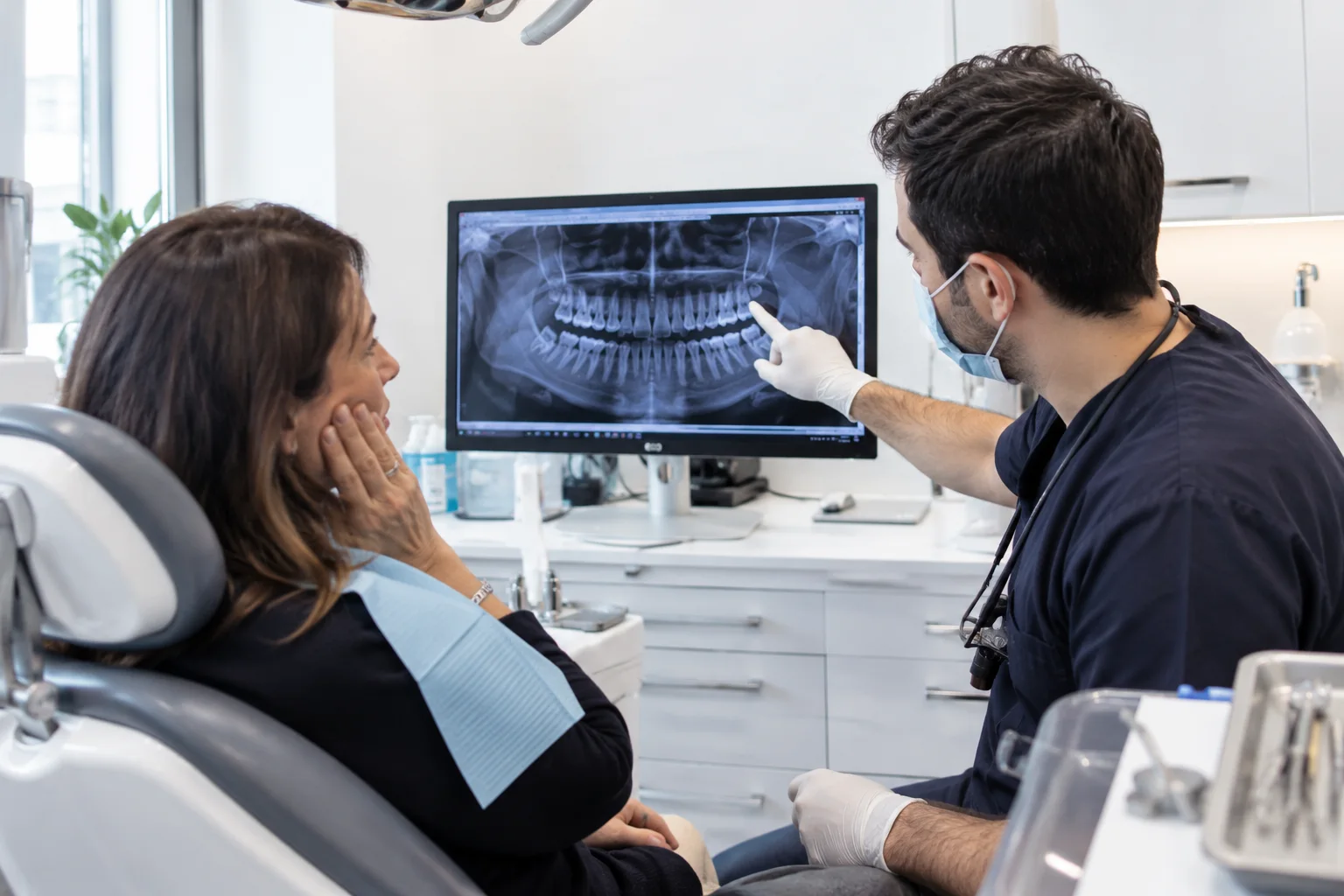
To identify and determine the severity level of an odontogenic infection, one of the important methods that should be used is the utilization of advanced digital dental equipment, specifically one that has high-resolution capability for Cone Beam Computed Tomography (CBCT). With this method, the maxillofacial specialist will be in a position to clearly see the exact direction of the excrement fromspread of the infection, get a full assessment of the destruction done on the alveolar ridge of the tooth, and also determine the proximity of the affected area to the nerves and sinuses.
After clearing up the infection of a stage 4 abscess, only people with a certain baseline level of healthy bone structure and a great biological resilience of the mouths qualify for rebuilding procedures. In such cases where the bone was largely affected by bone loss due to lengthy pus drainage (e.g., bone destruction), placing the metallic implant right away will probably result in failure, which is why a healing phase is necessary. So that the area is made completely sterile and the gaps are filled with top-notch bone materials to regenerate the lost dimensions of the bones are some of the tasks undertaken in the phase.
Preserving Structural Integrity and Post-Procedural Boundaries
Dogged adherence to protective and behavioral rules throughout the postoperative period is essential, especially for patients who want a quick and perfect recovery following a dental procedure. While the newly transplanted bone and other tissues like the gums and the stitches at the operated area are being formed and healed, they require complete protection from any mechanical influences to establish good cellular bonds. In the absence of occlusal protection, the masticatory friction and pressure will really impair healing, causing inflammation and possibly reinfection, and a compromised functional outcome for future osteointegration.
To accelerate the healing of tissues and the structural rebuilding of your alveolar ridge, you absolutely need to follow a modified diet consisting of soft foods that will allow you to not place any pressure on the jaw or biting area during the recovery process without damaging the tissue and bone healing processes. Furthermore, completely quitting nicotine and tobacco is one of the most important things not only before the operation but post the operation that must be adhered at the expense of all other things. Smoking causes the blood vessels in the body to constrict; thus, the healing cells in our mouth have very little oxygen to perform their functions properly. Consequently, not only does healing take longer, but any wounds are likely to get infected or take time to fully close, leading to very poor results.
Dental Abscess Treatment in Turkey
Choosing LEMA Dental Clinic is a decision that leads to the most amazing dental care facility, which gives you total control over everything happening to your mouth, face, and smile. We take pride in providing our patients excellent levels of patient-centered care through our team of dental experts. Our care of a patient is not limited to physical recovery; we also see to the health of our patients. We are aware that making decisions about what to eat, when to brush, etc., in order to recover quickly after your dental surgery is very demanding. We will assist you with the best tools, procedures, and care plans.
By choosing our highly experienced team at LEMA Dental Clinic in Istanbul, you are ensured top-quality oral health outcomes. Not only are your dental issues diagnosed and treated, but every procedure will be backed by comprehensive digital scans and 3D imaging that you can also use to get a better understanding of your dental condition and the different treatment options. With the help of an expert team of specialists in various fields such as cosmetic dentistry, prosthodontics, and restorative dentistry, the patient’s needs are addressed with the highest regard for accuracy and quality.
Frequently Asked Questions
What are the symptoms of a stage 4 dental abscess?
A stage 4 abscess is characterized by severe, throbbing pain, massive facial swelling, and the potential spread of infection into the neck or jaw. Patients frequently experience systemic symptoms such as a high fever, difficulty swallowing, and restricted jaw movement (trismus).
Can a stage 4 dental abscess be cured with just antibiotics?
No, antibiotics alone cannot cure a severe dental abscess of this magnitude. While medication helps control the systemic spread of the bacteria, physical surgical intervention—such as extraction or profound drainage—is absolutely required to remove the necrotic source.
How long does it take to recover from surgery for a severe abscess?
Initial soft tissue healing typically takes one to two weeks, provided the patient strictly adheres to all post-operative care and dietary guidelines. However, deep osseous regeneration and the resolution of the bone cavity may take several months to fully mature.
Is it safe to get a dental implant immediately after an abscessed tooth is extracted?
Immediate implant placement in the presence of an active, purulent stage 4 infection is clinically contraindicated due to the extreme risk of failure. The site must first be thoroughly debrided, disinfected, and allowed to heal completely, often with the aid of a bone graft.
Why must I stop smoking after being treated for a severe tooth abscess?
Smoking introduces harsh toxins and nicotine, which act as severe vasoconstrictors, cutting off essential blood flow to your healing gums and bone. This drastically increases the risk of surgical site failure, prolonged necrosis, and potentially life-threatening secondary infections.

