


Diving into the maze of dental bills and medical coding can be pretty intimidating. If you’ve ever tried to decode the cryptic messages in dental statements or a treatment plan, you’ve probably come across the International Classification of Diseases, Tenth Revision (ICD-10) which is the global standard for providing diagnoses and categorizing different health issues. This is a must-have tool not only for proper treatment but also for insurance and public health purposes. Here is the ultimate guide, which aims to make this process less complicated by explaining the specific ICD-10 code related to dental caries, giving a clearer understanding of the structure, so that you can be on your way to mastering your dental health records. We will first see the code from the point of view of science and then its clinical applications, and finally, its impact on the care.
Understanding the Fundamentals: What is Dental Caries?
It is necessary to be aware of the issue that the code represents before we get into the code itself. Caries is the common term for cavities or tooth decay that patients usually call, but it is a scientifically verified diet-related, biofilm-induced bacterial disease. The disease is a series of events that the bacteria in the dental plaque on your teeth, Streptococcus mutans and Lactobacillus species, metabolize carbohydrates from food and drinks you can ferment, which leads to this sequence.
One could call their metabolism of bacteria. In this process of bacterial metabolism, the bacteria produce organic acids as one of the products, which then remove the protective, very mineralized enamel layer of the tooth directly. This area, where it attacks the enamel on the tooth in the future, is called demineralization, which is the transition from the strong crystalline structure of enamel to a more porous one. Saliva plays an important role in defending the body, neutralizing these acids, and supplying the lost minerals with the help of a process called remineralization.
If they are frequent or last long, and usually this is the case when the diet is high in sugar or the oral hygiene is bad, the period of demineralization will be longer than that of remineralization. This imbalance leads to the appearance of a carious white spot, the first clinical sign of dental caries. In the case of an absence of active oral hygiene and fluoride treatment, this demineralization will penetrate the tissue, creating a caries cavity (or a hole) in the tooth structure. Dental caries is avoidable to a great extent, and learning about its coding is the first step to your oral health.
The Primary ICD-10 Code for Dental Caries: K02
This particular code is part of a bigger chapter (K00-K14), which is about diseases of the oral cavity, salivary glands, and jaws. The “K” category is pointing out the conditions related to the digestive system, which naturally comprises the oral cavity as its first part.
The precision of the ICD-10 system is one of its major advantages for contemporary healthcare. The general code K02 is hardly ever referred to as such in detailed clinical practice. Dental professionals, therefore, specify the exact location, severity, and nature of the decay by adding a fourth digit; thus, they achieve accurate documentation, facilitate treatment planning and communication with providers, patients, and insurers.
A Detailed Breakdown of the K02 Code Subcategories
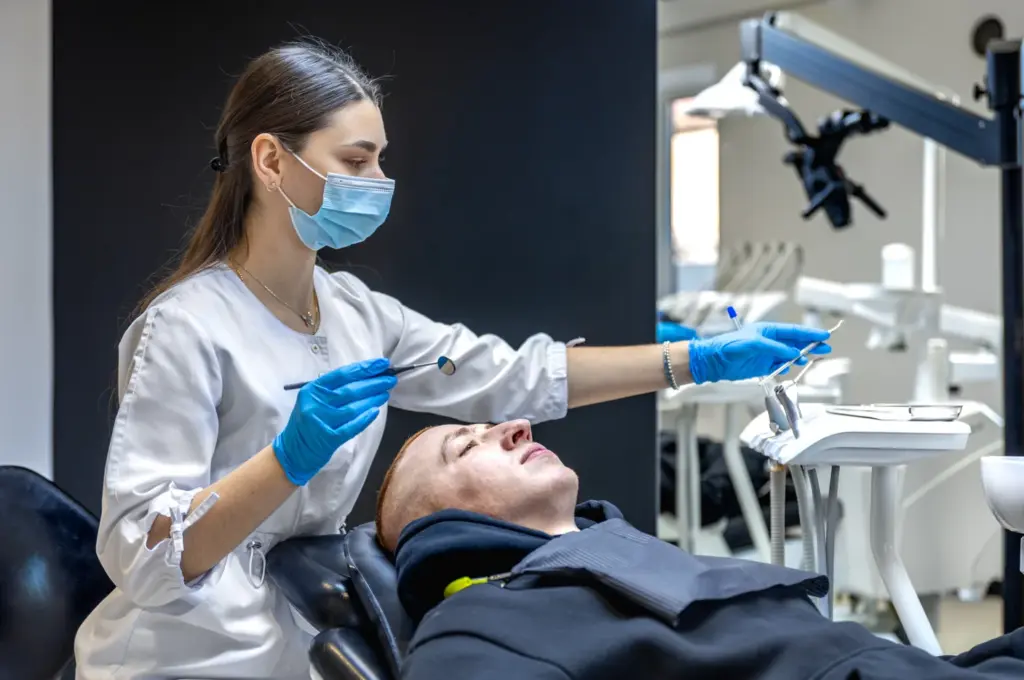
Here’s a simple and detailed explanation of the typical K02 subcodes that you can come across in dental records. Each one is aimed at painting an exact clinical picture which, in turn, directly guides the treatment.
K02.5 – Dental Caries Limited to the Enamel (Pit and Fissure Caries)
This is the code aimed to indicate the earliest and most easily manageable decay stages. The caries formation is very clearly a single point of the enamel, the hardest and outermost row of the teeth. For this feature, oftentimes the spot looks like a white or a small brownish discoloration inside the pits and fissures (branches of the grooves) of the chewing surfaces. Frequently, this stage is reversible, and pain is not a usual symptom. Treatment is limited to non-aggressive approaches that are exemplified by professional fluoride applications, which remineralize, as well as dental sealants whose role is to make the vulnerable grooves impregnable. This vigorous method indeed obviates the need for surgical restoration.
K02.51 – Dental Caries Limited to the Enamel, Arrested
What is really a vital code – this one defines a cavity that, though it was once active, has now stopped its development due to either the preventive measures taken or changes in the oral environment. Arrested tooth decay looks like dark brown, hard, and shiny areas. They are sometimes smooth because of long brushing years. The dentist will check these spots during your regular visits, but they do not actually pose an active danger to the tooth structure anymore. The use of this code in your dental health record reflects the result of your oral hygiene chore, and it functions as a positive dental health milestone.
K02.6 – Dental Caries Extending into the Dentin
K02.6 is a code used when bacterial acids penetrate the iron-like enamel shield and go further to the softer and more sensitive layer under the tooth, which is dentin. Dentin is softer than enamel and has tiny tubes that lead to the nerve center (the pulp) of the tooth. As dentin is more susceptible to acid attack, decay at this point spreads very rapidly. Patients might also report tasting something sweet and feeling cold or hot, which stimulates the tooth and causes pain.
Such a situation certainly requires a dental restoration, for example, a filling or inlay, the removal of the infection, sealing the dentin tubules, and restoring the tooth’s strength and function. This treatment does not permit any further damage and gets rid of the sensitivity while the pulp is protected from infection.
K02.7 – Dental Caries Extending into the Pulp
This code points to the decay that went through dentin and the consequent direct infection of the dental pulp area by bacteria, which is the most advanced and dangerous stage. The pulp comprises the nerve of the tooth, the blood vessels, and the connective tissue. Inflammation of the pulp caused by bacteria, called pulpitis, will bring pain mostly, and it is an unpleasant thing; the tooth will seriously and persistently hurt, pain that may intensify at night or with hot liquids, etc.
Sometimes the pulp can even be changed into necrotic (dead tissue), which, thus, causes the development of a dental abscess. Therefore, it is necessary to call for immediate intervention to relieve the pain, remove the infection, and prevent the tooth from being removed. The first intervention here is root canal therapy (endodontic treatment), and then a dental crown is applied to restore the tooth to its lost condition.
K02.9 – Dental Caries, Unspecified
The code is a general one that is used when, even from clinical documentation, no explicit indication of the stage or the location of the decay can be determined. It is still a proper code; however, dental norms of today strongly encourage the use of more detailed codes (K02.5, K02.6, K02.7), which is not only to provide the best possible care but also for better communication with the insurers and precise recording of the data saved for your health record.
Why Precise ICD-10 Coding is Essential for Your Care

An accurate ICD-10 coding is not only an essential part of the administrative tasks, but it is also a major component of quality patient care that is safe and effective. Its significance can be felt in every moment of your dental health journey.
Ensures Accurate Diagnosis and Evidence-Based Treatment Planning
If it is only the code K02.6 (dentin caries) that is used, the statement is very obvious and straightforward to the dentist that a restoration is the proper, standard-of-care treatment. However, if a K02.7 (pulp caries) is leading the way, then the requirement for root canal therapy is clear and immediate. Such accuracy eliminates the question; it tells the doctors exactly the way of their decision-making process and serves as a provision that patients receive the appropriate treatment for their particular medical condition which, in turn, leads to positive health outcomes that can be anticipated.
Facilitates Smooth and Transparent Insurance Claims Processing
Insurance companies providing dental coverage demand specific diagnostic codes as a prerequisite for granting and paying for procedures. When a claim is accurately written with an in-depth ICD-10 code, such as K02.5, which stands for early enamel caries treatment, it automatically explains the medical necessity for preventive fluoride application. A move like this greatly diminishes the chances of having claim rejections and postponements, gives a stronghold against the unexpected pocket expenses, and allows for an excellent financial interaction system that is open and clear between the patient, the dentist, and the insurance entity.
Creates a Comprehensive, Reliable, and Longitudinal Health Record
Your dental record should span your whole life and is a legal document that includes every past and present event related to your oral health. Accurate coding contributes to the creation of unambiguous digital records of the health problems you encountered and the treatments you received. It is priceless for future care, as any dentist is easily and quickly capable of understanding from your record not only how chips happened but also the treatments given. The provision of such a file enables more informed, safer, and individualized dental decisions throughout life.
Supports Public Health Initiatives and Advanced Clinical Research
Open source materials in ICD-10 format offer great potential to the public health sector. By facilitating easy access and expeditious retrieval of data concerning dental caries in various age and geographic brackets, as well as socioeconomic demographics, health care professionals and researchers can draw more accurate and detailed patterns and trends. This, “inestimable treasure,” guides the creation of efficacious public health measures, e.g., water fluoridation, school sealant programs, and education-based campaigns, thus oral care improvement on a large scale of the population is guaranteed.
Proactive Prevention: Your Essential Role in Avoiding Dental Caries
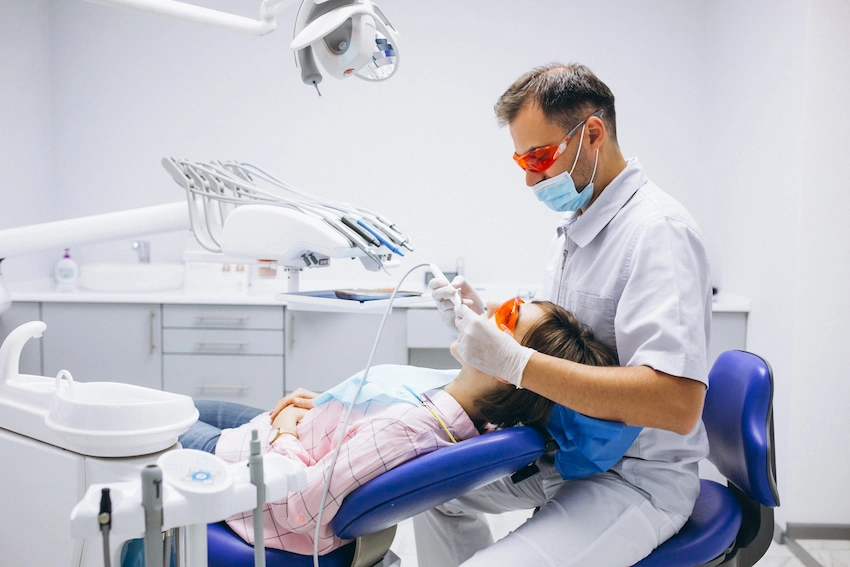
Knowing the codes is quite handy; however, the primary objective of every patient should be to maintain the need for these codes at the greatest distance possible. Actually, a proactive and regular oral hygiene, which at the same time is the most effective and least expensive method, can result in a caries-free, healthy smile for life.
- Practice Consistent and Technique-Focused Oral Hygiene: Clean your teeth properly twice a day for two minutes with a fluoride-containing toothpaste. Opt for a soft-bristled brush and don’t forget to brush all the parts. Floss mildly once a day in order to rid the plaque that is produced between the teeth and at the gumline, which is the place where a toothbrush cannot effectively reach.
- Maintain a Consistently Tooth-Friendly Diet: Avoid the consumption of sugary and acidic foods and drinks such as soda, candy, and sports drinks as much as possible. Eating or drinking these products will be less harmful if you do it with meals rather than if you snack or sip all through the day, because in the first case, the acid attack is not continuous. Always be sure to drink water as it helps to rinse food particles, reduces acids, and stimulates saliva production.
- Use Proven Fluoride Products Consistently: Fluoride is a mineral that exists in nature, but it is scientifically proven that it can strengthen enamel and also can reverse the earliest stages of decay by remineralization. The use of fluoride toothpaste is a must. If you are a person with a high risk of developing caries, your dentist may recommend that you use a fluoride mouthwash or gel, which can be either OTC or prescribed, in order to give an extra layer of protection.
- Schedule and Faithfully Attend Regular Dental Check-ups: It is necessary to go to the dentist and the dental hygienist for professional cleanings and check-ups at least twice a year, or as your personal risk assessment may prompt. These occasions are gaining instrumental in the early recognition of the situations as incipient caries (K02.5), and usually, the non-invasive treatment is thus allowed, which makes the progression of the condition to complicated and expensive procedures less likely.
Conclusion: Empowering Your Health Through Knowledge

One of the main tools that connect the clinical diagnosis, proper treatment, and efficient practice management is the ICD-10 code K02 for dental caries. By grasping the meaning of these codes—recoverable early stage of K02.5, heavily progressed K02.7—you make a shift from being a passive patient to an active, informed participant of your oral healthcare journey.
This insight into the matter enables you to choose the treatment options you want to carry out by talking with your dentist, comprehend your financial statements, and, what is most importantly, it helps to recognize the great worth of the preventive steps that not only save but also let you enjoy a smile that is healthy, functional, and strong for a lifetime. Your acquaintance with this scheme is a great leap toward total ownership of your oral health.
Sources:
- World Health Organization (WHO). *International Statistical Classification of Diseases and Related Health Problems, 10th Revision (ICD-10).* 2019.
- American Dental Association (ADA). Caries Risk Assessment and Management. 2018.
- Centers for Disease Control and Prevention (CDC). Oral Health Surveillance Report: Trends in Dental Caries and Sealants, Tooth Retention, and Edentulism, United States, 1999–2004 to 2011–2016. 2019.
- Featherstone, J. D. B. (2008). Dental Caries: A Dynamic Disease Process. Australian Dental Journal, 53(3), 286-291.
- Selwitz, R. H., Ismail, A. I., & Pitts, N. B. (2007). Dental Caries. The Lancet, 369(9555), 51-59.
Frequently Asked Questions About the ICD-10 Code for Dental Caries
The clearest indication of dental caries in the ICD-10 system is the code K02, which is the abbreviation for tooth decay or cavities. Besides, depending on the exact area, it may also have other subdivisions such as K02.0 (pit and fissure caries) or K02.1 (smooth surface caries).
ICD-10 codes are one of the key tools for dentists in recording their diagnoses in a precise manner. They implement the codes for numerous purposes, among which are insurance, treatment planning, and research. Apart from that, they facilitate the process of standardization in reporting oral diseases that are registered in all dental records.
The K02 code describes the presence of dental caries, meaning the breakdown of tooth enamel caused by bacterial activity leading to decay.
Yes. The ICD-10 system includes several variations, such as K02.0 (for pit and fissure caries), K02.1 (smooth surface caries), and K02.9 (unspecified dental caries).
The standard K02 codes for dental caries (K02.5, K02.6, etc.) do not differentiate between front (anterior) and back (posterior) teeth. The specificity lies in the tissue involved (enamel, dentin, pulp). However, the procedure code (CPT code) for the filling or crown will specify the tooth type and surfaces involved, providing the necessary detail for the treatment performed.

