


Knowing dental treatments and their respective insurance codes can be a real challenge most of the time. When a dentist suggests a treatment, patients are entitled to get clear and organized information so that they can decide with certainty. One of the most talked-about codes in dentistry is D7962, which stands for the surgical removal of a frenulum, a minor yet life-changing procedure that can make oral and general health better.
This manual describes the D7962 code, the reasons for the frenectomy, how it becomes a boon to the patients of different age groups, and what the expectation is from the operation. We also talk about its influence on speech, feeding, and breathing, together with some very necessary insurance and money-related pieces of information.
Chapter 1: Decoding D7962 – Understanding the Language of Dental Care
A dental coding system known as the Current Dental Terminology (CDT) was created by the American Dental Association (ADA) to bring about a harmonized coding language in dental care. Each intervention has its own code that helps to communicate clearly with the dental offices, insurance companies and patients.
The code D7962 in the field of dentistry is the identification of a frenectomy, surgical removal or release of the frenum (also referred to as the frenulum). The frenum is the nearest thing that literally connects the lips, the cheeks, or the tongue to the bone or the soft tissue underneath it. However, if the tissue is very short, too thick, or too tight, it can lead to the blockage of the production of feeding, speaking, and oral hygiene.
Similarly, clinics use the D7962 code very elaborately when they communicate the surgical release performance to the insurance companies. Such a procedure acts as a measure for both transparency and consent provision by the insurance companies for the coverage. One should keep in mind that D7962 is a code for the operation, not the diagnosis, which means that it is the procedure that is done to fix it.
Chapter 2: The Anatomy of a Frenum – Function Versus Dysfunction
The mouth has several frena (the plural of frenum), each of them technologically advanced in the human body and stands firmly as a highly important component in the matter of mobility and stability. The two most significant are the labial frenum and the lingual frenum.
The Labial Frenum
Labial frenum is that little bit of tissue which connects the upper lip to the gums in between the two front teeth. When this tissue is normal (meaning it is thin and flexible), it allows the lips to move freely while speaking, eating, and smiling.
On the contrary, an extremely tight or thick labial frenum, or a lip-tie as it is most commonly known, may create tension on the adjacent tissues. That tension can be the cause of:
- The appearance of a space (diastema) between the front teeth
- The gum is receding, and the roots are becoming sensitive
- Problems with maintaining good oral hygiene
- The instability of dentures or other prostheses
If it is the case that the labial frenum is a problem, a D7962 coded labial frenectomy will thus abolish or release the frenum, restoring the comfort and the natural movement of the lips.
The Lingual Frenum
The lingual frenum is the connective tissue which is located between the underside of the tongue and the floor of the mouth. If a frenum is limited, ankyloglossia or “tongue-tie” is a medical term that indicates the restriction of the movement of the tongue and, as a result, it may become the source of interference with the indispensable functions.”
Infants may have extremely difficult breast or bottle feeding because they are not able to make a proper seal or suction. Whereas, in the case of children and adults, tongue-tie may cause problems with speech, oral hygiene, and even breathing patterns.
As a rule, patients get a considerable change to their tongue movement, pronunciation, and overall oral function after a lingual frenectomy.
Chapter 3: When Is a D7962 Frenectomy Needed?
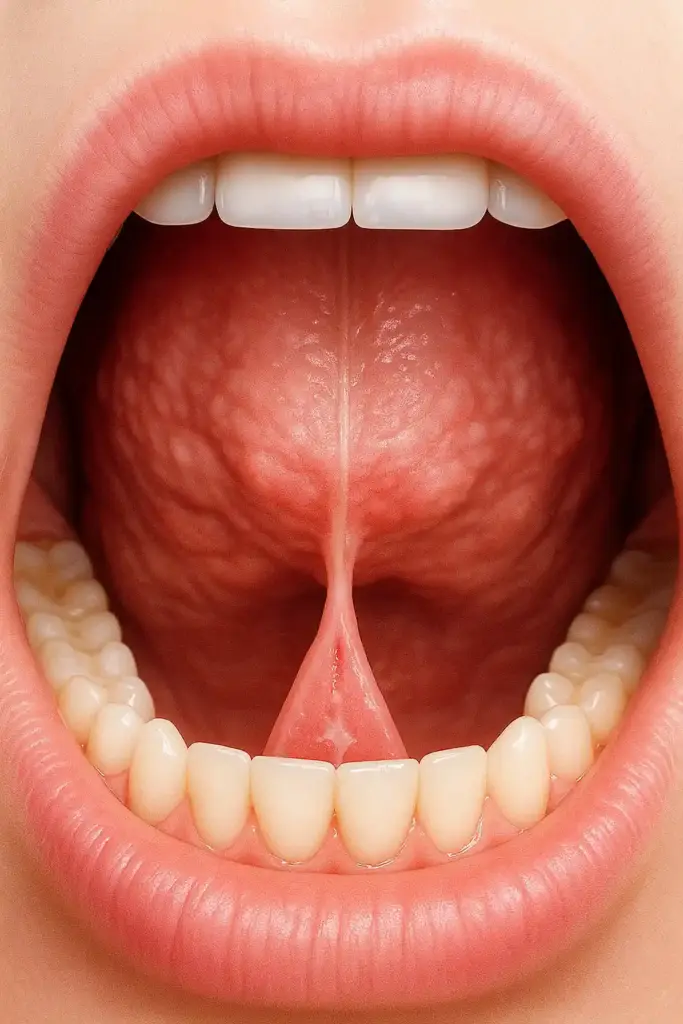
Frenectomy is a cosmetic surgery to improve your appearance; rather, it is a therapy that is usually given to a patient when the normal movement of the frenum is restricted or the frenum is a cause of oral dysfunction. Identifying the symptoms is the first step in time to stop the disease from causing long-term problems.
Signs You Might Need a Labial Frenectomy
- Gap Between Teeth (Diastema): A frenum that is very tightly connected between front teeth not only stops these teeth from coming together naturally, but a gap can also remain after orthodontic treatment.
- Gum Recession: The tissue that is stubborn, by being constantly pulled, can recede the gum, and therefore the roots of the teeth can become visible, and the sensitivity can increase at the same time.
- Difficulty Brushing or Flossing: A thick frenum may block brushing, thus leading to plaque accumulation and the gums to become inflamed.
- Prosthetic Instability: Partial or full dentures can become loose or can shift due to the movement of the frenum during talking or chewing.
- Facial Growth Issues: The over-exerted frenum in children cannot only lead to abnormal development of the jaw but also the midface.
Signs You Might Need a Lingual Frenectomy
- Feeding Problems in Infants: Difficult latch, frequent feedings, clicking sounds, or maternal nipple pain may indicate a tongue-tie.
- Speech Delays: Limited tongue movement influences the pronunciation of certain sounds (“t,” “d,” “l,” “r,” “th”).
- Oral Hygiene Issues: Limited tongue mobility reduces the tongue’s ability to clean debris, thus leading to increased cavity risk.
- Digestive and Breathing Problems: Inadequate chewing and mouth breathing may result in indigestion and a narrow airway.
If these symptoms are present, D7962 frenectomy is a simple yet effective way to regain oral function and equilibrium.
Chapter 4: How the Modern D7962 Frenectomy Is Performed
Originally, a frenectomy can now be performed in less than 10 minutes, without any significant pain, and with minimally invasive techniques, all thanks to advanced dental equipment. The entire treatment is safe and comfortable, and is followed by a predictable recovery period and good results.
Step 1: Comprehensive Evaluation
It is only decided to have the surgery done after a consultation which is very detailed. A dentist or an oral surgeon finds the frenum, figures out how much it is restricted, and assesses the functional impact of the changes in speech, feeding, or hygiene. The check in babies could be through their feeding habits, while in grown-ups, a test of mouth movement and bite might be used.
Step 2: Comfortable Anesthesia
Doing away with pain is the most important thing on the list.
- Infants: Mostly, they can be managed by the use of topical anesthetics or with the least amount of local anesthesia.
- Adults and Children: Local anesthetic injections are given after the application of a numbing gel to make the procedure a comfortable one.
Step 3: The Surgical Release – Laser vs. Scalpel
Laser Frenectomy (Preferred Technique): With the help of advanced CO2 or diode lasers, dentists can make ultra-precise incisions that result in minimal bleeding and swelling. The laser beam closes the blood vessels, sterilizes the area, and speeds up the healing process. The patients have less pain and their downtime is very short.
Conventional Scalpel Method:
This slightly more invasive method of the last century employs surgical scissors or a sterile scalpel to do the job. While it is still effective and safe, mild bleeding and the use of sutures are more frequent. The recovery period is usually a few days longer than in the case of laser treatment.
Step 4: Post-Operative Care
After the operation, proper care must be implemented for the best healing to occur.
- In the case of infants, Immediate breastfeeding is both comforting and healing. Parents are instructed on how to gently perform the stretches so as to avoid the reattachment of the tissue.
- For elderly people: A diet of soft foods, rinses with salt water, and light exercises of stretching to keep up the flexibility and cleanliness. Any slight discomfort can be taken care of with a simple painkiller available over the counter.
When everything is done correctly, a full recovery is made within one to two weeks and the speech, feeding, or comfort improvements are very often felt already within a few days.
Chapter 5: Insurance and Financial Considerations for D7962

The price of a D7962 frenectomy varies due to a number of factors, such as whether the laser or the scalpel method is employed, the provider’s skill, and the complexity of the case. Nevertheless, as the operation is a means of correcting functional issues, it is frequently referred to as a medical necessity and thus, eligible for full or partial insurance coverage.
To make sure you get the highest possible refund:
- Coordinate well with your insurance company in order to be granted pre-authorization for the surgery.
- Provide detailed medical records (e.g., notes from a lactation consultant, reports from a speech pathologist, letters from an orthodontist).
- Know your deductible and co-insurance commitments before making an appointment.
Most dental offices are equipped with administrative teams that take care of the insurance aspect, thus ensuring that the patients enjoy the maximum benefits that they are entitled to.
Chapter 6: Related Codes and Complementary Procedures
Although D7962 is the code for frenectomy, the following close-knit codes and procedures may be applicable, depending on the circumstances:
- D7960 – Frenoplasty: A code usage when the operation not only detaches but also moves or changes the frenum, usually with Z- or Y-plasty methods.
- D4341/D4342 – Scaling and Root Planing: Periodontal non-surgical treatments, which may be implemented along with frenectomy if the issue is the gum attachment.
Knowing these codes helps patients and providers map the full treatment plans needed for future oral health and stability.
Chapter 7: Long-Term Health Benefits of Frenectomy
Quite substantially, the procedure of frenectomy turns out to be a supportive one for the healthy growth, proper function, and long-term well-being that follows later.
In infants, it brings feeding without any discomfort; thus, weight gain comes naturally. In children, it facilitates speech clarity and facial growth equilibrium. In adults, it is the gum health guardian, through the betterment of hygiene and prosthetic instability prevention.
Thanks to a frenectomy, which is removing the tension that is definitely unnecessary in oral tissues, the body’s natural harmony is restored – daily comfort is enhanced and periodontal disease or airway obstruction prevention is among the positive side effects.
Chapter 8: Choosing the Right Professional
The skill and experience of the provider are the factors that will largely determine whether a frenectomy will be successful or not. Besides simply the tissue anatomy, a qualified general dentist, pediatric dentist, or oral surgeon will mentally analyze and evaluate how speech, feeding, and oral posture are influenced by the tissue.
When selecting a professional:
- Find out whether they employ laser technology for the least invasive results.
- Ask for case examples or before-and-after photos.
- Make sure your care plan includes clear post-operative support and follow-up appointments.
Conclusion: D7962 Frenectomy as a Foundation for Lifelong Oral Health
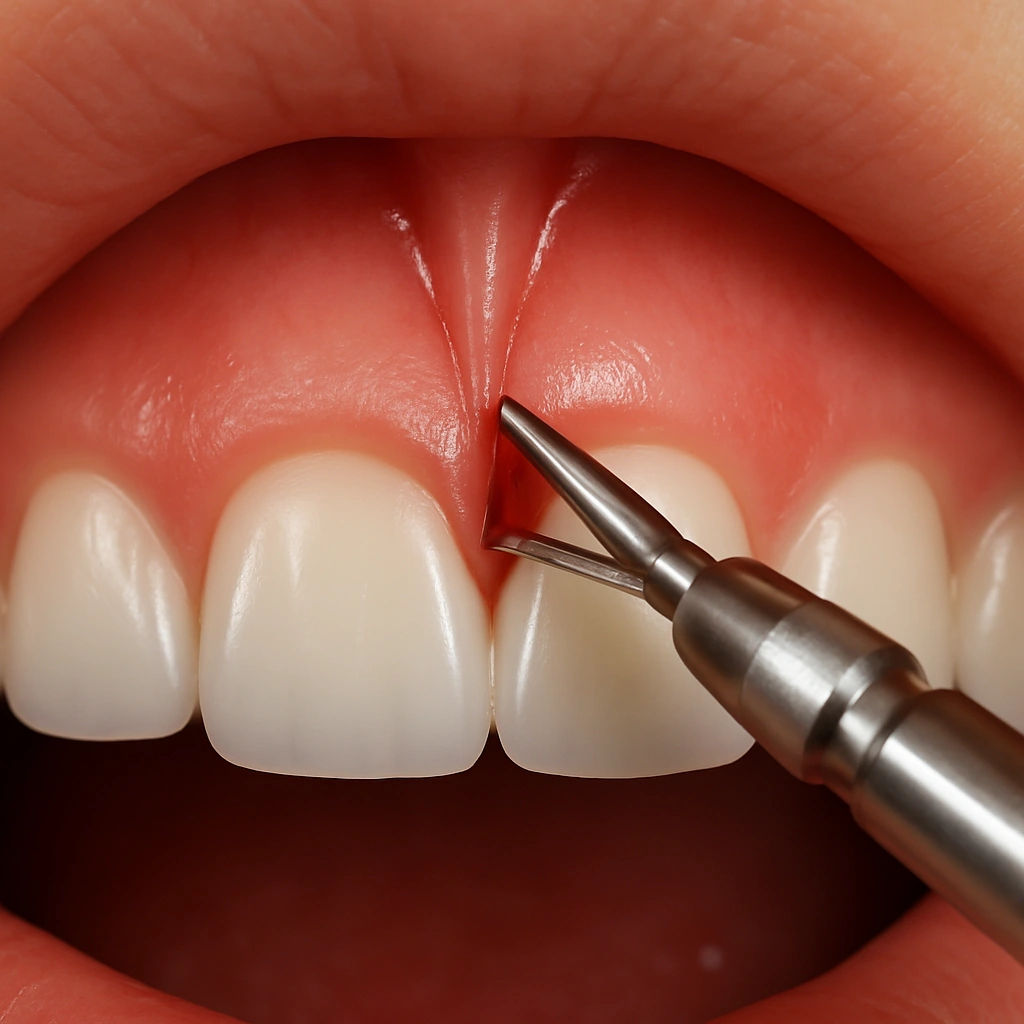
The dental code D7962 consists of a procedure that is small but very powerful in terms of its capability to fix functional problems that affect speech, feeding, breathing, and oral hygiene. The surgical intervention not only balances the nursing infant, the speaking-learning child, and the gum-healthy adult, but it also brings back the lost comfort and equilibrium.
By cutting off the frenum, this minimally invasive operation helps to achieve the right tongue posture, healthier gums, and better overall function. The whole thing can be done pretty fast and quite safely with today’s precision, in particular, laser-assisted techniques, and it also yields long-lasting advantages.
In case you or your family members have trouble because of a tight lip or tongue frenum, please see your dental care provider. Knowing the D7962 dental code gives you the power to be the boss of your oral health and to welcome the benefits of modern functional dentistry.
Sources:
- American Dental Association. (2023). Current Dental Terminology (CDT 2023). American Dental Association.
- American Academy of Pediatric Dentistry. (2023). “Management of the Maxillary Frenum in Pediatric Dentistry.” The Reference Manual of Pediatric Dentistry. Chicago, Ill.
- American Academy of Otolaryngology-Head and Neck Surgery. (2022). “Clinical Consensus Statement: Ankyloglossia in Children.” Otolaryngology-Head and Neck Surgery.
- Mayo Clinic. (2022). “Tongue-Tie (Ankyloglossia).” Mayo Foundation for Medical Education and Research.
- Kotlow, L. A. (2019). “Diagnosing and Understanding the Maxillary Lip-Tie (Superior Labial, the Maxillary Labial Frenum) in Children.” Journal of the American Dental Association.
- Suter, V. G., & Bornstein, M. M. (2009). “Ankyloglossia: Facts and Myths in Diagnosis and Treatment.” Journal of Periodontology, 80(8), 1204-1219.
- O’Shea, J. E., Foster, J. P., & O’Donnell, C. P. (2017). “Frenotomy for tongue-tie in newborn infants.” Cochrane Database of Systematic Reviews, 3.
Frequently Asked Questions About Frenectomies Dental Code (D7962)
The D7962 code identifies a frenectomy, a procedure that releases a tight frenum in the mouth. This small fold of tissue can restrict the movement of the lips or tongue. The code helps insurance providers understand exactly what surgical service was performed.
Common signs include a gap between front teeth, speech difficulties, feeding problems in infants, and gum recession. Some patients also experience pain or limited tongue mobility. A dental examination can determine whether a frenectomy is needed.
Modern frenectomies are virtually pain-free thanks to local anesthesia and laser techniques. Most patients experience minimal swelling or discomfort afterward. Healing usually occurs within one to two weeks.
Yes, many dental insurance plans cover the procedure when it’s deemed medically necessary. Providing supporting documents—such as reports from speech or lactation specialists—can increase approval chances. Always confirm coverage with your provider before scheduling.
D7962 refers to a standard frenectomy, while D7960 (frenoplasty) involves more complex tissue repositioning or reshaping. Your dentist will decide which code applies based on the anatomy and functional needs. Both procedures aim to restore normal oral movement and health.

