


Code D7250 in dental billing specifies the area of surgery where the removal of an impacted tooth is done, for instance, a molar or wisdom teeth; the operation may also include bone grafting or other supporting steps. The situation calls for the cutting out of a problematic tooth that disturbs the usual surgical intervention; execution must be meticulous, and the best materials should be applied for the patient to benefit most. In this guide, we will uncover the essential materials and products utilized during the D7250 operation with an emphasis on their part in providing a safe, effective, and comfortable experience to patients of wisdom tooth extraction and alike.
The main aim of any dental operation, in particular, one as fragile as D7250, is to bring back health and functionality while at the same time alleviating pain and lowering the risk of complications. Proper materials can speed up the process of recovery, reduce the chances of infection, and have a positive impact on the overall success of the operation. We will talk about the exact materials that make the intervention safe and effective, and how every single element contributes to the overall treatment success in this article.
Materials Used in Dental Procedure D7250
The dental procedure D7250 is the surgical extraction of an impacted tooth, which is a tooth that has not properly come out due to a lack of space or other reasons. This operation is less straightforward than a regular tooth removal and demands special materials and methods. Let’s look at the important materials that were used in this operation.
1. Local Anesthetics: Ensuring Patient Comfort
Prior to performing any operation involving incisions, a step aimed at numbing the area is taken in order to make sure that the patient won’t experience any pain. To accomplish that, local anesthetics are employed, and Lidocaine happens to be one of the most popular choices for the numbness of the area around the impacted tooth.
Lidocaine is a rapid local anesthetic that interferes with nerve impulses to the area where it is applied, thus making the area numb without the patient losing consciousness. And if a longer or more invasive surgery is done, several other anesthetics like Articaine or Bupivacaine may be given because they last longer. The reasons for the selection of the anesthetic are based on the patient’s condition, surgery complexity, and expected duration of the operation.
Local anesthetics play a major role in the patient’s experience of pain avoidance; thus, the oral doctor or an oral maxillofacial surgeon is able to carry out the removal operation in a precise manner and without causing the patient any discomfort. Besides these main anesthetics, epinephrine may also be used alongside to help constrict blood vessels and control bleeding during the procedure.
2. Surgical Instruments: Precision Tools for Safe Extraction
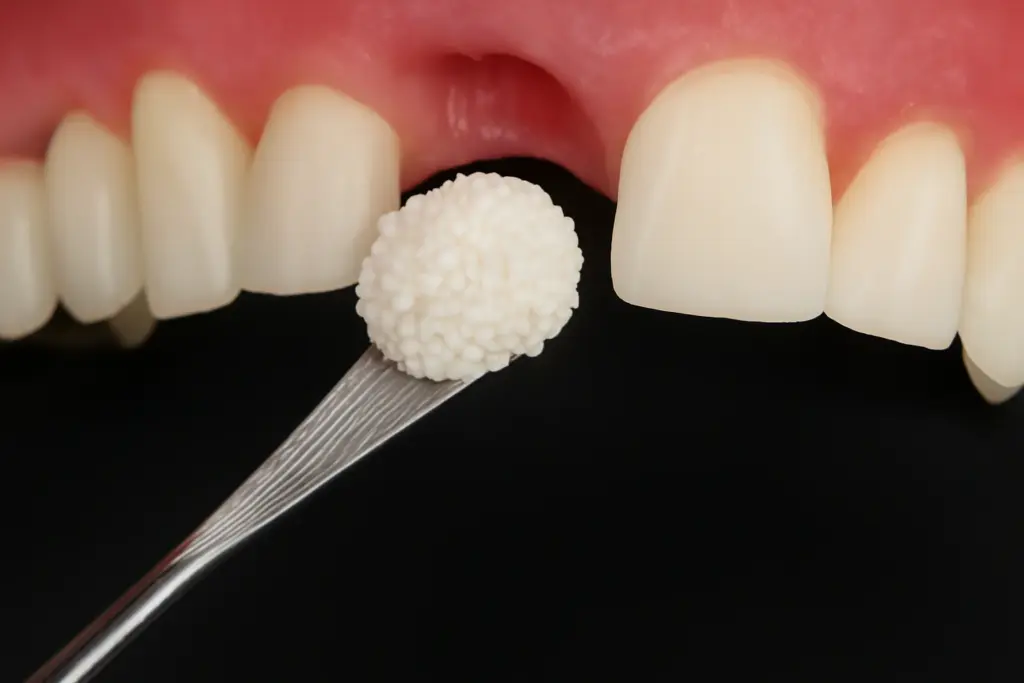
The removal of an impacted tooth is a process that requires the employment of a set of surgical instruments that are specially engineered to cause minimal harm to the surrounding tissues, bones, and nerves. These tools are meant for the safe extraction of the tooth with minimal damage and trauma to the patient. The most usual instruments may include:
- Elevators: The tools are made for the purpose of loosening the extraction of an impacted tooth by softening the bone around it and gradually lifting it. Elevators are available in different sizes, and their accurate usage guarantees that the extraction of the tooth can be done with minimal force only.
- Forceps: After the loosening of the tooth, these are the instruments for grabbing the tooth and pulling it out of its place. Forceps for use in a dental procedure differ in shape and size and are designed for different types of extractions.
- Scalpel: A very sharp surgical blade that is used to make an incision in the gum tissue to expose the tooth and the bone around it. Incisions are done very precisely so as not to harm tissue more than necessary and at the same time gain easy access to the impacted tooth.
- Bone Rongeur: A tool in the surgical armamentarium that performs the removal of bone pieces that are in the way of extracting the tooth. It makes the place for extraction not only clean but also ready for the healing process after the removal of the tooth.
- Bone Curettes: Instruments that are utilized to clean the operation site after debris, tissue, or bone pieces are removed following the extraction of a tooth.
These surgical tools are made to be accurate and are intended to bring about the smoothest and safest completion of the removal procedure. Through the cautious employment of these tools, the risk for complications is lowered and healing is accelerated.
3. Bone Grafting Materials: Enhancing Healing and Structure
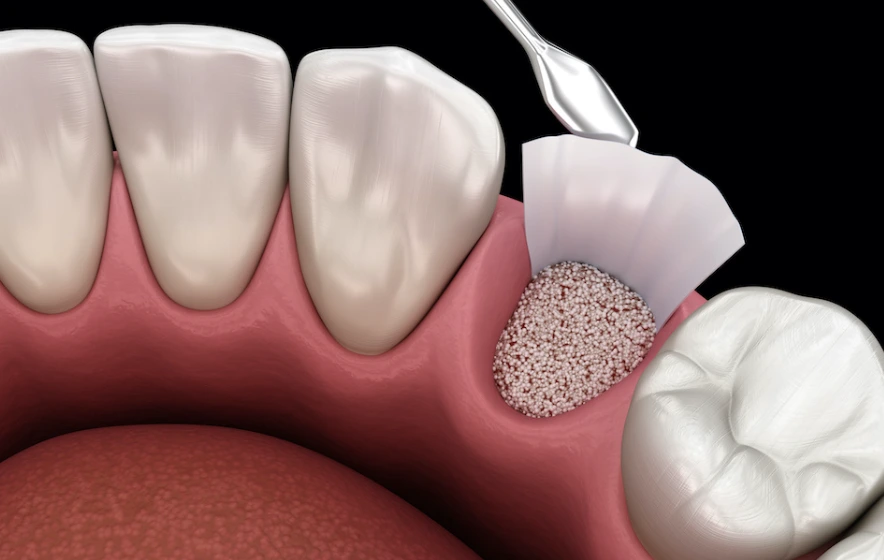
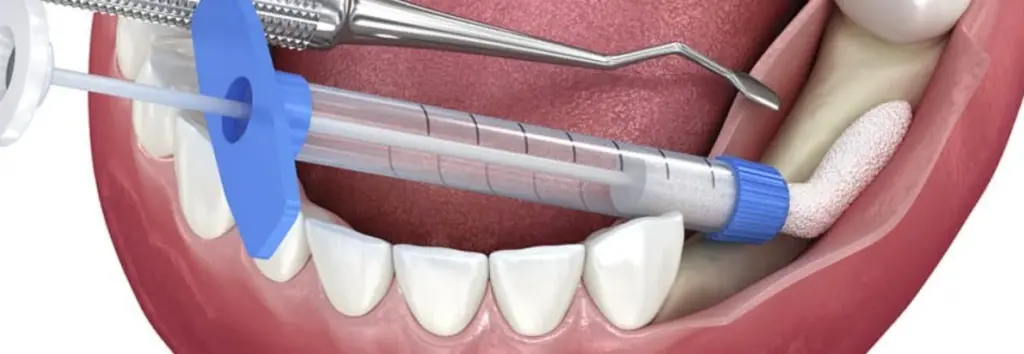
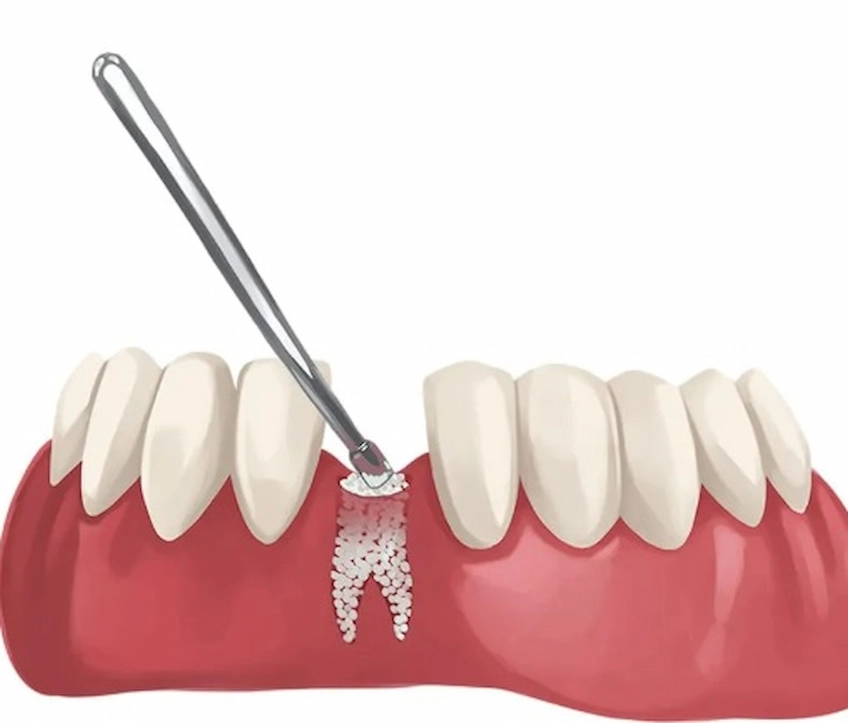
Grafting with bone is very common when a large part of the bone has been removed in the process of the extraction of the impacted tooth. Grafts in the bone are used to cover the space left behind by the extracted tooth and also to facilitate the growth of new bone tissue. Here are some materials that can be used for the bone grafting procedure:
- Autografts: These are one’s own bone grafts taken from the patient’s own body. Normally, the bone is taken from the jaw or the chin area, and since it is from the patient’s own tissue, the likelihood of rejection is very low.
- Allografts: Bone grafts that come from a donor, usually from a tissue bank. These grafts are sterilized and processed to be sure they are safe to be used in dental operations.
- Xenografts: Bone grafts taken from animals, generally from cows (bovine). Before usage, they are processed and sterilized and are most often used in cases where other grafting options are not available.
- Alloplastic Grafts: Robotically made bone material that is designed to have the same properties as human bone. These materials invite bone regeneration and make the jaw support stable.
The materials used in the bone graft serve not only to hold the jaw in its proper shape but also to make sure that the teeth around it stay firm. Grafting becomes really important if dental implants are planned later on because a healthy bone structure is a must for placing the implant.
4. Sutures: Closing the Surgical Site
Once the removal of your impacted tooth is done and you’ve been grafted with bone, the oral surgeon closes your gum incision with the help of sutures. Usually, absorbable sutures are used in dental operations since they dissolve by themselves after some time and thus, do not have to be taken out.
Some common sutures may include:
- Vicryl Sutures: These are absorbable sutures and consist of synthetic polymers. When the tissue heals, it dissolves gradually.
- Chromic Gut Sutures: These are sutures made from a natural material (catgut) and are upgraded by chromium salts, which make them more resistant to absorption. Hence, they can be there for a longer time to provide their support to the healing process.
The sutures are put in with great care so as to lessen the scar and to allow the gum to heal properly. Along with being comfortable, the sutures serve as a protective layer for the surgical site, the healing is still going on.
5. Medications: Managing Pain and Infection
After a D7250 operation, the patient will be inflicted with pain and swelling and generally will feel uncomfortable; however, these are natural occurrences in the process of healing. Several drugs, though, may be prescribed by the doctor to deal with that condition:
- Pain relievers like Ibuprofen or other prescription drugs can be used to lessen pain and inflammation.
- Antibiotics may be given to patients for the purpose of warding off infections, which are among the common risks that occur after surgical extractions. Normal medications such as Amoxicillin or Clindamycin help to battle infection by bacteria at the site of surgery.
- Steroids are being put to use on occasion to lessen swelling and speed up recovery, especially in cases where hard removals of the gum or the bone have been involved.
Dental practitioners, by applying the right medications, help their patients to be comfortable and free of trouble, such as infection or excessive swelling.
Post-Surgery Care: Essential Products for Recovery
The end of the operation marks the beginning of recovery and the correct aftercare. The materials and products utilized during the recuperation period play a significant role in the recovery process going smoothly and being accomplished on time. These are:
1. Cold Compresses: Reducing Swelling
Swelling, which is part of the healing process, can be limited by putting a cold compress on the place which is affected area. Cold compresses help to reduce swelling by constricting the vessels that carry blood and, thus, lowering the flow of fluid to the place that is hit by the compression, which restricts swelling and is of help in alleviating discomfort. It is advised to put the cold compress on for 15-20 minutes each time during the first 24-48 hours post-surgery.
2. Oral Rinses: Promoting Hygiene
Good oral hygiene after a surgical operation is a must if infections are to be prevented and the healing process hastened. Chlorhexidine gluconate mouthwash is a product highly recommended by dentists after a wisdom tooth removal. This mouthwash is equipped with antibacterial agents that make the area of the operation free of bacteria, which could bring about infection.
3. Pain Management: Continued Comfort Post-Surgery
The patients usually have a period of relief from pain after the operation, which lasts a few days. If the pain is mild, a simple drug like Ibuprofen can be used, but in the case of severe pain, the doctor may provide a prescription for stronger painkillers.
Conclusion: Ensuring Success in D7250 Procedures
Dentistry code D7250 indicates a major surgical operation that removes the impacted teeth; therefore, it is a case that needs a careful plan and the use of different and specialized materials. By means of good local anesthetics, surgical instruments, bone grafting materials, sutures, and medicines, dental professionals turn the environment safe and effective for the occurrence of the procedure. The postsurgical care, which is also the application of cold compresses and oral rinses, supports the recovery. At Lema Dental Clinic in Istanbul, your care plan step by step is designed according to your needs, and thus, the best result is obtained.
References
- American Dental Association. (2020). Oral Surgery: Impacted Teeth Removal. ADA.org.
- National Institute of Dental and Craniofacial Research. (2019). Bone Grafting Materials in Dentistry. NIDCR.nih.gov.
- Goyal, V., & Gupta, V. (2021). Modern Approaches to Impacted Teeth Extraction. Journal of Dental Research, 58(6), 789-795.
- O’Connor, D. (2023). The Role of Surgical Sutures in Dental Procedures. Oral Health Review, 29(2), 112-116.
Frequently Asked Questions About D7250 Dental Code
Dental Code D7250 refers to the surgical extraction of impacted teeth, which are teeth that are unable to fully emerge from the gums due to space constraints or other issues. This procedure may involve bone grafting to promote healing and restore bone structure.
Bone grafting is necessary when there is significant bone loss around the impacted tooth or if removing the tooth would leave a void that could cause future dental issues. Grafting materials help regenerate bone tissue, promoting better healing and stability for surrounding teeth.
A simple extraction (D7140) involves removing a fully visible and accessible tooth using only forceps and an elevator. The D7250 surgical extraction is a more complex procedure that requires incising the gum, reflecting a tissue flap, and removing bone or sectioning the tooth for safe removal.
Most dental insurance plans provide coverage for surgical extractions, but your level of coverage will depend on your specific plan. Our administrative team will help you verify your benefits and understand any out-of-pocket costs before your treatment.
The initial soft tissue healing typically takes 1-2 weeks. The underlying bone will continue to remodel and fill in over the next 3 to 6 months. Placing a bone graft at the time of extraction helps preserve the bone volume for a future dental implant.

