


D6245 Dental Code: What This Implant-Supported Ceramic Pontic Really Means?
One of the most stable and naturally aesthetic ways to replace a lost tooth for a long period of time is with a ceramic pontic placed on an implant. Dental Code D6245 is the reference to this particular prosthetic part, and understanding the code helps the patients to know the treatment that they are getting and its importance to their oral health. The guide here clarifies the operation, advantages, clinical stages, safety measures, and last expectations in an understandable and scientifically accurate manner.
When your dentist decides to fill the gap of a missing tooth with a ceramic pontic attached to an implant abutment within an implant-supported fixed prosthesis, the dental code D6245 will be applied. The code is indicative of the final restoration being made from high-strength ceramic materials and the support coming from implants rather than natural teeth. Such a construction enables accurate function, great chewing power, and a natural look that matches the neighboring teeth.
The oral treatment constitutes a major part of oral rehabilitation as it completely substitutes the structure of a lost tooth with a robust and biologically friendly one. The aim of ceramic pontics is to support normal functioning, protect the jawbone from atrophy, and keep the ideal alignment. The patients get a strong, aesthetic, and predictable solution when the dental team implements advanced digital technology, intraoral scanning, and high-precision laboratory workflows.
Understanding Dental Code D6245
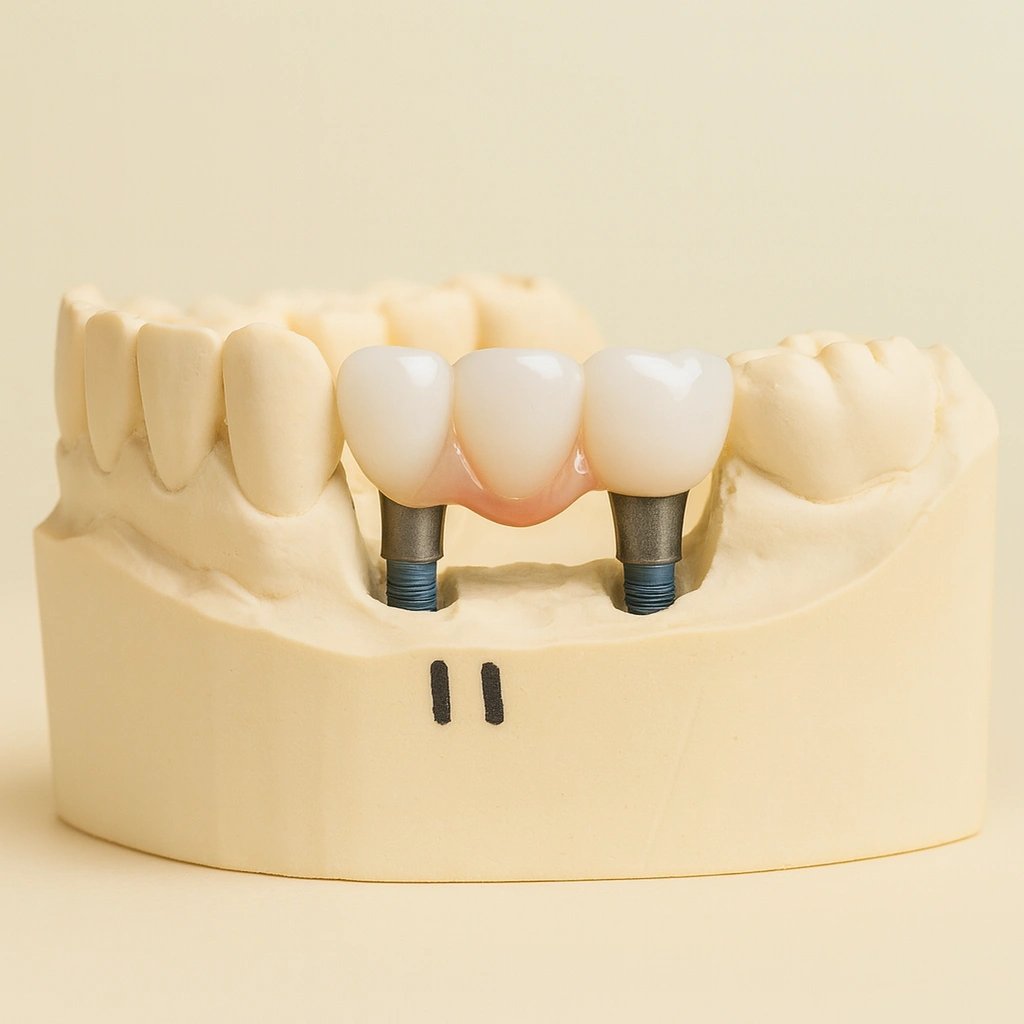
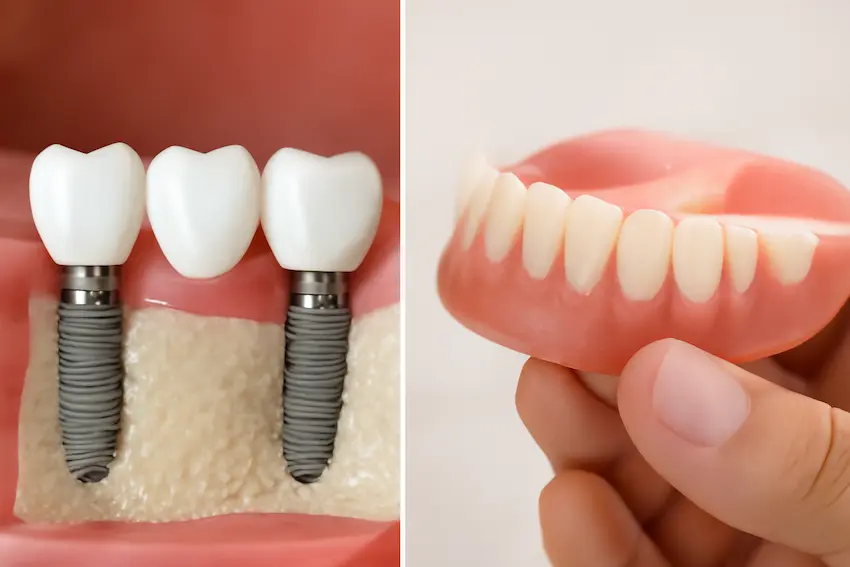
Dental Code D6245 is a description of the use of a ceramic pontic in an implant-supported bridge. A pontic is a new artificial tooth that is there to fill the place of the missing one. In such an operation, the dentist makes the pontic connect to the implant-supported retentions on both sides, thus creating a fixed and stable restoration.
Ceramic pontics have a high resistance to breaking, good translucency, and their gingival compatibility is excellent. Thanks to these characteristics, the prosthesis can merge with your smile while being very strong even after a long period. As a result, materials like zirconia and lithium disilicate become very resistant to wear and do not get discolored over time.
Dentists use this code when the implant-supported ones are the ones that provide the parts to which the pontic is attached, and not the natural teeth. This kind of support stabilizes the whole system and thus enables more efficient chewing since the prosthesis that is placed in the bone will exert force there and not on the teeth. The bone preserved in this way will ensure the face structures do not collapse but stay unchanged.
Why Dentists Use Ceramic Pontics for Implants?
Ceramic pontics are very popular as they offer a strong combination of three properties: aesthetics, durability, and biocompatibility. Their strength can support the forces of everyday chewing, whereas their natural look can be used in smile design treatments, thus contributing to both.
Almost all dental clinics can choose ceramic pontics for use in the front or any area that is visible, and the reason is that the ceramic materials resemble the enamel of a natural tooth very closely. Your dental team may decide that this option is the best when you need to have long-term cosmetic stability and very accurate functional support.
Besides that, ceramic materials are also biocompatible, which means that they can be safely used with the soft tissues in your mouth. Healthy gum adaptation is very important because it is not as likely that, in this case, there will be irritation or inflammation. Your dentist will make the shape of the pontic exactly as the ideal contour supports oral hygiene and also lessens the possibility of plaque accumulation.
Indications for Using Dental Code D6245
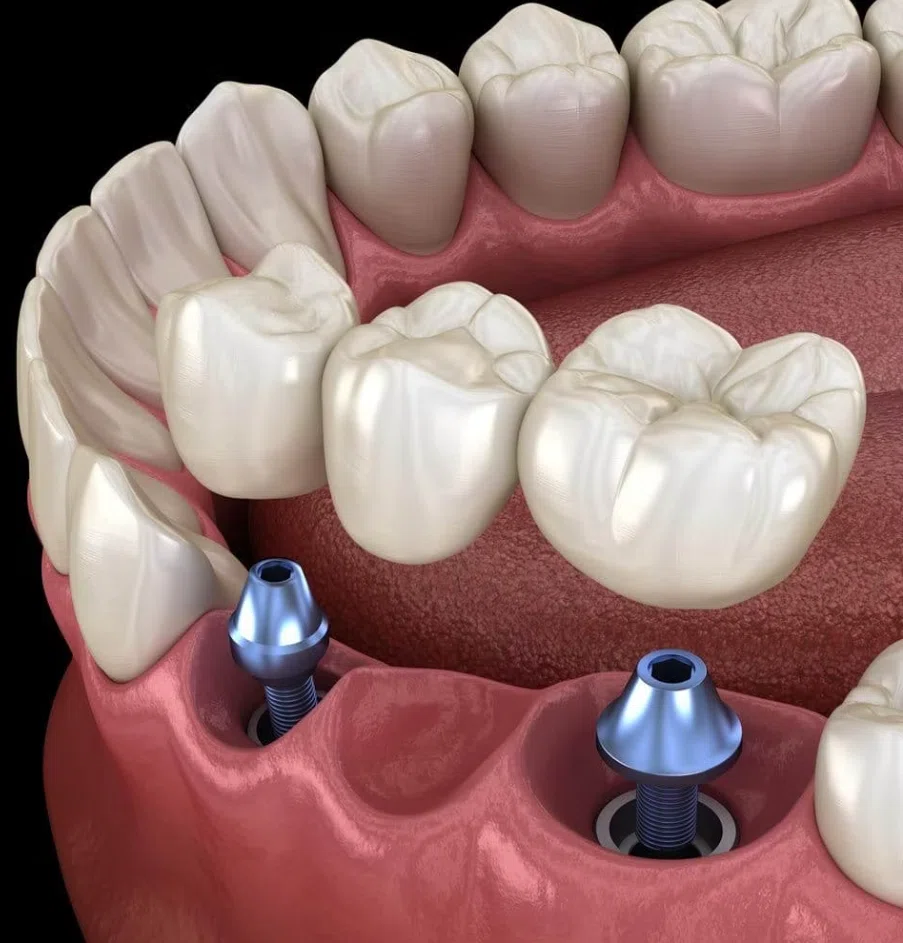
One may be given a procedure that is coded as D6245 when the need is to substitute a lost tooth with an implant-supported bridge. It is a code that is usually marked as an indication for patients who fulfill the following requirements:
A single tooth has been lost, or three or more consecutive teeth in a row.
You are aiming at a fixed restoration that is not going to move when speaking or eating.
You opt for a ceramic material to get both the cosmetic and the functional benefits.
You still have enough jawbone thickness to be able to support an implant abutment.
Your need is for a pontic that looks the same as the other teeth.
The dentists mostly use this code when they are placing implants in full-arch restorations or multi-unit bridges, which support the whole structure. The occlusion easily maintained by implant-supported bridges is one of the reasons that helps in the even distribution of the chewing forces.
Clinical Procedure for D6245 (Step-by-Step)
The treatment is carried out by your dentist in a detailed and tightly controlled order aimed at precision and safety. The steps are planned to ensure both patient comfort and the success of the operation />
1. Diagnostic Evaluation
Diagnostic imaging of the entire clinical team is the starting point for them, which must include cone-beam CT scans, too. The pictures give a view of bone density, implant placement, and the condition of soft tissues. Your dentist will assess your bite, gum contours, and teeth next to the area in order to plan the pontic accurately by himself/herself.
2. Digital Impression and Pontic Design
Your dentist takes the digital impression by means of an intraoral scanner. This modern technique results in the most precise 3D models and yet is completely painless. The dental lab gets these prints and uses them to create ceramic pontics that are perfect in every respect: shape, width, height, and contour.
3. Material Selection
The majority of dental teams are making a decision between zirconia and lithium disilicate due to the natural translucency and high-strength properties of both. Your dentist will decide on which ceramic to use after evaluating your bite, chewing forces and intended cosmetic result.
4. Fabrication in a Controlled Laboratory
The fabrication of the pontic is done by a fully qualified dental lab technician using precision CAD/CAM milling equipment. The result of this step is the perfect adaptation of the pontic to the implant abutment, smoothness of surfaces, and the strength of the surrounding margin.
5. Clinical Try-In
The pontic is tried on by your dentist and subsequently evaluated for a proper fit during that appointment. Occlusion is carefully adjusted with the help of your bite and checked for forces that are too strong on the restoration, if any.
6. Final Placement
That means a firm attachment of the pontic to the implant-supported retentions. Stability, comfort, and proper alignment with the neighboring teeth will be checked by your dentist. Moreover, they will walk you through the different cleaning methods so as to keep your soft-tissue health intact.
The Patient Journey: What to Expect During a D6245 Procedure
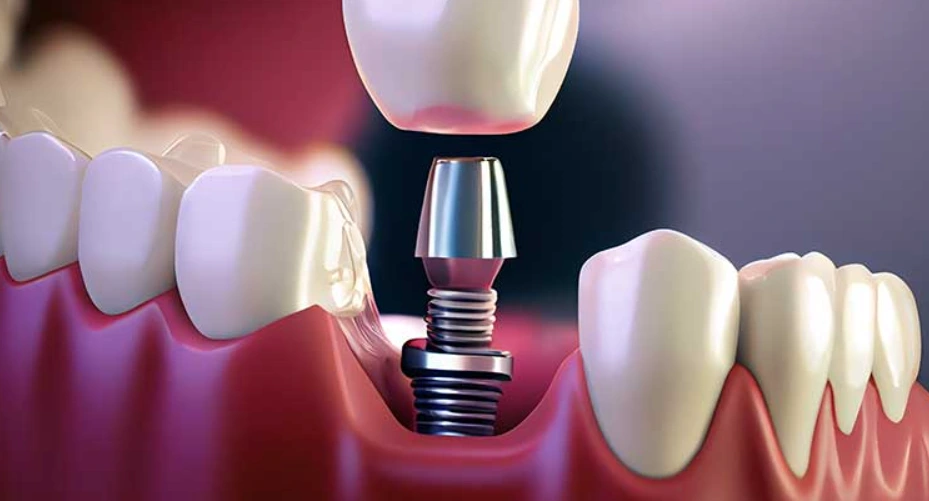
The process of having a dental bridge with a D6245 pontic usually takes two or more appointments. It is pretty straightforward, and your dental team will make sure you are comfortable throughout the entire process.
First Visit: Tooth Preparation and Impressions
- Local anesthesia will be given by your dentist to numb the area around the abutment teeth completely.
- The abutment teeth will be reshaped gently by them to create space for dental crowns that will support the pontic.
- Your dentist will take a digital scan or physical impression of your prepared teeth which is highly accurate. This model will serve as a blueprint for the dental laboratory in order to make your custom bridge.
- While the permanent, custom D6245 bridge is being made, you will be given a temporary bridge to protect your prepared teeth and gums.
Second Visit: Permanent Bridge Placement
- The temporary bridge will be removed and the place cleaned by your dentist.
- They will carefully try in your new permanent bridge to check the fit, bite, and color match.
- If both you and your dentist are satisfied with the fit and appearance, then the bridge will be permanently cemented into place by your dentist.
- Covering your new bridge care, the longevity is ensured, so your dentist provides you with specific instructions on how to do this.
Benefits of a Ceramic Implant Pontic (D6245)
The first of the benefits that the oral implant bridge dental code D6245 offers patients is the low risk of complications that the procedure has. Moreover, the restoration looks and feels real, so patients are the first to enjoy the benefits of the treatment.
Aesthetic Precision
Ceramic products are very close to natural enamel in terms of their composition. They are more light-reflective, less prone to discoloration, and are more resistant to color changes even after years of use. Stability creates a result without transitions.
High Strength and Functionality
The chewing forces are effectively transferred through the zirconia surfaces. The material is resistant to breakage, and it will provide dependable use throughout the client’s daily routine. In turn, this strength is beneficial for the client’s oral health and comfort in the long run.
Biocompatibility and Safety
The use of ceramics leads to safe interaction with the gum tissues. They eliminate the risk of irradiation in soft tissues and make stable gingival edges possible. By giving this protection, the gums will remain healthy, and the risk of inflammation will be eliminated.
Improved Bone Preservation
The support granted by the implant is provided to the implant jawbone and, hence, the maintenance of bone density. As a result, not only would this process prevent a collapse of the jaws, but it would also ensure the normal facial contours are kept unchanged.
Long-Term Reliability
With the help of ceramic pontics, wear resistance can last for a long time. Whenever their patients observe good oral hygiene, they will be able to keep their shape, stability, and even their gloss for a long time.
Cost Factors Associated with Dental Code D6245
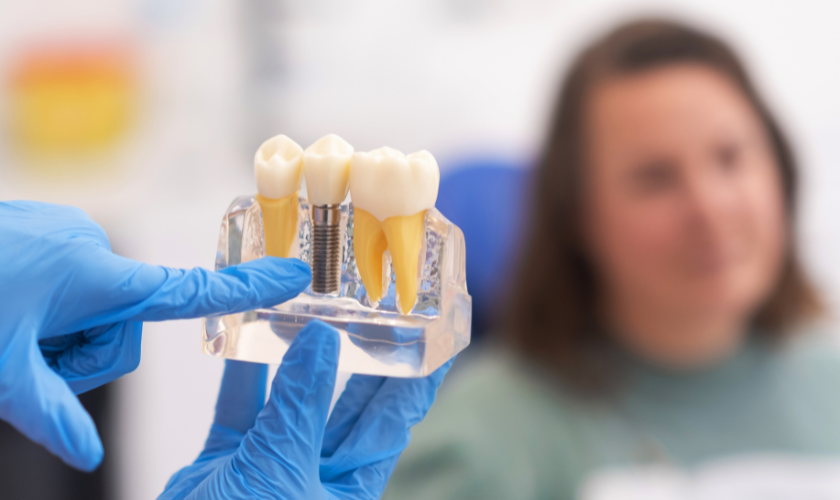
The cost of a ceramic pontic on implants can be different from one to another due to a number of clinical and laboratory factors. Some of them are:
- The required number of units. This particularly applies to multi-unit bridges.
- The type of ceramic material that is going to be used.
- The difficulty of the case, as well as the occlusal forces that will be involved.
- The technology that is going to be used in scanning, milling, and fabrication.
- The dental team’s experience and skill.
Pricing is always transparent to the patients through face-to-face or video meetings and
They are also given details on the pricing for imaging, designing, fabricating, and putting into place.
Aftercare and Maintenance for D6245 Restorations
Good aftercare is very important if you want your ceramic pontic to retain its strength
Your dentist knows how to teach good habits and is always ready to give hands-on care and support.
Twice a day, brushing should be done with a toothbrush that has soft bristles.
Interdental brushes should be used to clean the fabric area of the implant and the pontic.
A toothpaste with a low abrasive level should be used so as to safeguard the ceramic surface.
Dental check-ups should be regular, i.e., every six months.
Your dentist’s advice on the way of flossing around implants should be strictly followed.
Chewing on hard things like ice or pens should be avoided.
The steps indicated here are part of an overall preventive plan for good oral health and longevity of the restoration and the surrounding tissues.
Potential Complications and How Dentists Prevent Them?
Ceramic pontics are very safe in the long run if the dentists follow the right steps. After the initial treatment, the clinical teams will be there to monitor the restoration and make sure nothing goes wrong.
It is your dentist who will be doing the best occlusion and checking for any signs of wear or overload.
They will also be looking after the gums and making sure they fit well and that the contour remains unchanged.
Besides that, they will be checking on the proper integration of the implant in order to be able to predict long-term success.
The good hygiene practices and regular visits to the dentist that patients should adhere to are the reasons behind complications being so infrequent.
Sources:
- American Dental Association. (2023). Code on Dental Procedures and Nomenclature (CDT). ADA Catalog.
- Rosenstiel, S. F., Land, M. F., & Fujimoto, J. (2015). Contemporary Fixed Prosthodontics (5th ed.). Elsevier Health Sciences.
- Anusavice, K. J., Shen, C., & Rawls, H. R. (2012). Phillips’ Science of Dental Materials (12th ed.). Saunders.
Frequently Asked Questions About Dental Code D6245
Dental Code D6245 covers the fabrication and placement of a ceramic pontic within an implant-supported bridge. It refers specifically to a high-strength ceramic tooth replacement that attaches to implant abutments.
A ceramic pontic is an artificial tooth made from high-strength ceramic materials that replaces a missing tooth in a fixed dental prosthesis. It is designed to restore chewing function, maintain proper bite alignment, and provide a natural aesthetic appearance when supported by implants or adjacent crowns.
Yes. Ceramic materials like zirconia withstand high chewing forces and provide reliable durability for long-term use.
Your dentist selects a shade that blends naturally with your surrounding teeth. Digital shade-matching tools ensure precise color harmony.
Ceramic materials resist staining. Maintaining good hygiene and regular cleanings helps preserve their natural shine.
Most dental insurance plans provide coverage for fixed bridges, often covering 50% of the cost. The D6245, being a high-noble metal restoration, may be covered up to the plan’s allowance for a pontic, and you would be responsible for the difference if the fee exceeds that allowance.

