


The dental billing codes may seem like a maze of complications. If you find the code “D6080” on your treatment plan, it is the signal of a major, durable oral care-related investment: the implant surgical placement. In fact, after the surgery, the artificial root made of biocompatible titanium is installed in the jawbone to provide a solid and permanent support structure for the new crown. If you understand this code, you are able to make up your mind wisely about the treatment, which basically resuscitates the function, health, and beauty of your smile for a long time. The present manual is a patient-friendly, precise, and clear explanation that goes along with the D6080 dental implant code, its advantages, and the steps leading to final success.
What is the D6080 Dental Code?
The American Dental Association (ADA) designed the Current Dental Terminology (CDT) code set that contains codes describing dental procedures in a standardized way for easy billing and communication. The main idea in the code D6080 is the “implant placement” operation. The surgical phase is when your dentist or oral surgeon cuts a small part of gum tissue, makes a hole in the jawbone to fit the implant, and finally attaches the part of the implant that remains in the bone tightly.
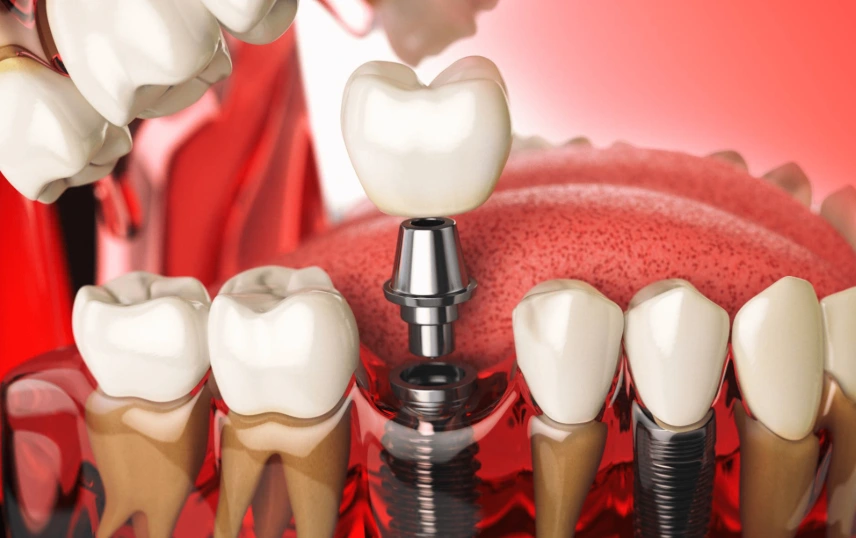
This part of the implant, which is referred to as a “fixture,” will serve as an artificial root of the missing tooth. It is very important to realize that D6080 is only for the intervention in which the surgical placement of the implant is made. The abutment (the connecting piece) and the crown (the tooth you see) are out of this surgical scope. They are separate items that have their own numbers, like D6057 for the custom abutment and D6058 for the implant crown, which you will find very helpful if you want to check your billing is transparent and itemized.
Understanding the Purpose of D6080 Implant Maintenance
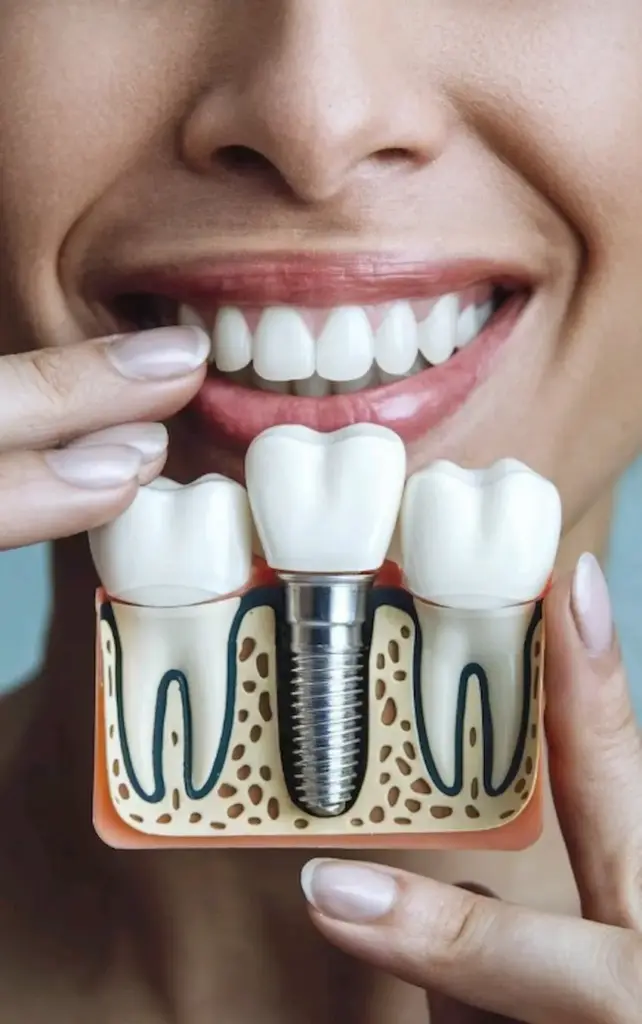
Once a dental implant is securely fused with the jawbone through a natural process called osseointegration, it is not going to be different from real teeth in its function; nevertheless, implants, on the other hand, lack periodontal ligaments, which makes them highly susceptible to inflammation and biofilm buildup. The existence of the D6080 code is aimed at making sure that any maintenance performed on the implant is done with great detail and precision, and that accurate documentation is made accordingly.
Firstly, it is a therapeutic method that tightens the implant’s soft tissue seal; second, it is a defense against losing bone level, and at the same time, it is a source of the implant’s long-term stability. In addition, routine checkups lead to well-defined results since, by this means, medical practitioners will monitor bone levels, assess tissue condition, and be assured that all parts of the prosthesis are firmly fixed.
What the D6080 Procedure Includes
| Component of Procedure | Description |
| Prosthesis Removal | Removal of the implant crown or bridge to access the abutment and implant platform. |
| Mechanical Debridement | Implant-safe cleaning to remove plaque and biofilm. |
| Antimicrobial Irrigation | Irrigation of peri-implant tissue with antimicrobial solution. |
| Component Inspection | Evaluation of screw integrity, wear, and component adaptation. |
| Re-Torquing | Tightening of implant screws to manufacturer specifications. |
| Prosthesis Reinstallation | Final placement with occlusion check. |
Why D6080 Requires a Dedicated Procedure Code
The implant requires maintenance protocols that are quite different from those of routine dental cleanings. Most patients think that implants will remain clean if they just brush; however, implants get dirtier more quickly than natural teeth because of the titanium surface and the way soft tissue attaches. The D6080 operation removes this biofilm and, thus, saves soft tissue and bone from getting inflamed.
The code facilitates the implant tracking and also provides a standard way for insurance companies to see the documentation. This comprehensive record allows clinicians to track the performance of the implants over time, making it a crucial component of oral health management in the long run.
Key Reasons Patients Need D6080 Maintenance
- Helps maintain soft tissue at a normal level
- Make sure the mucosal seal around the implant is healthy
- Decreases the risk of peri-implant mucositis
- Prevents sclerotic bone over time
- Aids in the early detection of component wear
- Assists in keeping torque levels accurate
- Make sure the functional part of your dental implant is comfortable
Biology Behind Implant Maintenance
Soft tissue around an implant makes a biological seal that protects bone and blocks bacteria from getting to the implant surface. When plaque is left on the tissue, this seal gets inflamed and can eventually progress to bone loss if not treated. The D6080 operation is aimed at the complete removal of microorganisms and will pave the way for it to support healthy tissue regeneration.
It is very important to have good bone support over the implant in order to make it last longer. Regular maintenance makes it possible for clinicians to detect early bone changes on radiographs and to provide advice on home care accordingly. Thus implant environment becomes predictable and nice for many years to come.
D6080 vs. Routine Cleaning: Understanding the Difference
Many patients take it for granted that a routine cleaning (prophylaxis) is enough to keep an implant in good condition. Nevertheless, routine cleanings cannot deliver the advanced level of access or mechanical evaluation that is necessary for implant preservation.
Comparison of D6080 vs. Routine Cleaning
| Feature | D6080 Implant Maintenance | Routine Dental Cleaning |
| Removes Prosthesis | ✔ Yes | ✘ No |
| Evaluates Mechanical Components | ✔ Yes | ✘ No |
| Irrigates Peri-Implant Tissue | ✔ Yes | Sometimes |
| Uses Implant-Safe Instruments | ✔ Yes | Not always |
| Checks Torque Levels | ✔ Yes | ✘ No |
| Designed for Implants | ✔ Yes | ✘ No |
Implants are a bit more delicate than natural teeth, and thus the cleaning indicated by D6080 dental code is a unique and proper treatment for patients sustaining implants, rather than a routine one.
Step by Step: How the D6080 Implant Maintenance Procedure Works
Clinical Examination and Diagnosis
To begin with, your dentist thoroughly examines the gum tissue around the implant. He looks for such symptoms as redness, swelling, or bleeding. Probing depths are also measured and, if radiographs are needed, they are taken to evaluate the bone level around the implant. This stage is to ascertain that the tissue is perfectly healthy, or it is an early inflammatory reaction like peri-implant mucositis.
Assessment of the Prosthesis and Bite
Your dentist assesses the position of your implant-supported crown or bridge within the whole bite. The clinician looks if there are any premature contacts, interferences, or small changes in the way your teeth come together. This evaluation is aimed at the prevention of implant overload, causing excessive forces and their components.
Removal of the Implant-Supported Prosthesis
The prosthesis (crown, bridge, or full-arch restoration) is being unfastened carefully with the help of suitable tools. Direct access to the abutment and implant platform, which can neither be cleaned nor inspected properly while the prosthesis is in place, is thus obtained in this step. The dentist ensures that all components are not only organized but also kept safe throughout the procedure.
Mechanical Cleaning of Implant Surfaces
The surface of the implant, the abutment, and the tissue around it are cleaned with instruments that are specially made for implants. To do this, the dentist employs titanium-safe or non-metallic instruments to do the mechanical removal of plaque, tartar, and biofilm without causing any scratches to the titanium. This step aims to reach total bacteria control, which are the ones that can cause inflammation and bone loss.
Antimicrobial Irrigation of the Peri-Implant Tissues
The implant area is irrigated by the dentist with an antimicrobial liquid after an abrasive cleaning is done. This works by lessening the amount of bacteria in the peri-implant sulcus, and it is a way of soft tissue healing. The dentist, in certain instances, may also administer additional topical agents to nourish the tissue and help it become less inflamed.
Inspection of Abutments, Screws, and Components
The inspection for thinning, tearing, or loosening is done to each operative part one by one. The dentist looks over the abutment, internal connection, and screws for the correct fit as well as the overall good condition. Through fatigue or micro-movement, if any component is found by the dentist, then she will decide the option fix or replace it.
Re-Tightening and Reinstallation of the Prosthesis
After cleansing and medical examination of the implant and its parts, the prosthesis is attached again to the implant. The dentist turns the screws by means of the manufacturer’s recommended torque values. The misdemeanor torque thus achieved by the dentist moving between the limits of the adjustment range helps avoid micro-movement, implant-abutment connection wear, and long-term mechanical stability verification.
Final Occlusion Check and Home-Care Instructions
Reinstallation followed by an occlusal check is performed by your dentist, who ensures the comfort and balance of the prosthesis when the jaw is closed. The prevention of overload on the implant is done by carrying out minor adjustments if needed. Upon completion of the session, you are presented with detailed and tailored instructions regarding oral hygiene, including brushing and flossing, as well as implant cleaning. The time interval between your subsequent D6080 maintenance visits is provided as well.
Aftercare Following a D6080 Visit
Most patients who have had a D6080 operation can normally return to their daily routines immediately. Nevertheless, the dentist might advise the use of some oral hygiene aids like floss for implants, interdental brushes, or antimicrobial rinses. These hygiene aids restore health to the soft tissue, and plaque formation is prevented. Besides that, you might be given instructions in brushing your teeth in a way that would protect the implant surface as well as the gum tissue around it.
Good home care is basically what will ensure the longevity of your implant. Regular brushing, cautious cleaning around the implant, and standard professional maintenance are the three things that work hand in hand to give you predictable outcomes. Those patients who abide by these directions encounter fewer problems and are able to enjoy implant function that is comfortable and stable for a long period of time.
Conclusion: A Secure Foundation for a Healthy Smile
D6080 dental code is more than just a record of billing; it portrays the initiation and the most vital step of securing a permanent tooth replacement. If you choose to go with a dental implant, you are quite simply putting your money into a method that saves your jawbone and also regains full function and a natural-looking smile, which gives you back your confidence. So, this farsighted method of tooth replacement is the source of stable advantages that promote your general oral health. We advise you to talk with your dentist about the D6080 procedure to find out whether this dependable and health-oriented treatment is the right option for you.
References
American Dental Association. (2024). CDT 2024: Dental Procedure Codes. ADA Publishing.
American Academy of Periodontology. (2020). Peri-implant disease clinical guidelines. AAP Publications.
Lang, N. P., & Berglundh, T. (2019). Peri-implant diseases: Consensus report of the sixth European workshop on periodontology. Journal of Clinical Periodontology, 46(2), 281–287.
Misch, C. (2021). Dental implant prosthetics (2nd ed.). Mosby Elsevier.
Sanz, M., et al. (2020). Maintenance care of dental implants. Clinical Oral Implants Research, 31(12), 1083–1092.
Frequently Asked Questions About the D6080 Dental Code
D6080 dental code defines implant professional maintenance, which includes removal of prosthesis, cleaning of the implant, antimicrobial irrigation, and evaluation of the component.
Soft tissue around the implant is protected by the D6080 procedure. Besides it, the procedure reduces bacterial buildup and ensures that mechanical components remain stable and healthy.
The time period between two successive D6080 treatments of patients should normally not be less than six months and not more than one year. However, the exact time is to be determined by tissue health, home hygiene habits, and individual risk factors such as smoking or diabetes.
D6080 is not the same as routine dental cleaning. Essentially, routine cleanings cannot detach the prosthesis, clean implant surfaces, or check mechanical components. Specifically, D6080 is for implants only.
Yes. Antimicrobial irrigation helps a lot in soothing the tissue around the implant from bacteria and it also supports soft tissue that is healthy and healing.

