


What Is Dental Code D4342?
This information signifies the American Dental Association (ADA) coding of the procedural method named Scaling and Root Planing as D4342. It is a deep cleaning, which is generally considered a last resort for moderate gum diseases or localized periodontal diseases. Along with the procedure, the dentist will elevate the area of most thorough cleaning by removing the plaque, tartar, and bacteria found on the roots of the teeth through a thorough cleaning of the area below the gumline. This method is used to stop the infection from spreading, to reduce the swelling, and to make the gums get tightly connected to the teeth again.
Different from a normal dental cleaning, which is performed above the gumline, a routine dental cleaning, D4342, is a treatment carried out below the gums, where plaque and tartar can cause infections. By getting rid of this buildup, D4342 is the continuation of the gums’ health and a prevention of tooth loss caused by periodontal disease.
How Does D4342 Differ from D4341?
Both D4342 and D4341 denote scaling and root planing; however, they differ in that they refer to different types of gum disease and the extent of the treatment required:
- D4341 is the code for a more comprehensive treatment that is mostly performed in cases where the disease affects all four quadrants of the oral cavity. It is a method used to treat those who suffer from severe periodontal disease.
- D4342 is for a less extensive treatment, and only one or two quadrants of the mouth are the focus. It is used for moderate gum disease or more localized cases.
In a nutshell, D4342 is a code for less extensive treatment than D4341 and, thus, it is used to treat moderate diseases in certain areas rather than the whole mouth.
What Does D4342 Mean?
D4342 dental code refers to a scaling and root planing operation, i.e., a therapy for middle-grade gingivitis. The mentioned unit of work is instrumental in the eventual prevention of the development of gum disease stages, which may cause tooth loss, bone damage, and other harmful results. It is performed in the part of the oral cavity where pocket depths are beyond the normal cleaning levels and is a sure way of removing subgingival calculus, the mineralized plaque under the gum.
Such a deep cleaning has the effect of root surfaces being free from loss as they are smoothened; thus, bacteria have less chance of sticking to the teeth, and healing is facilitated as the gums reattach. Besides that, D4342 brings down redness, swelling, and bleeding because it is also accompanied by bacteria elimination below the gumline.
The Importance of Early Intervention in Gum Disease: How D4342 Can Help
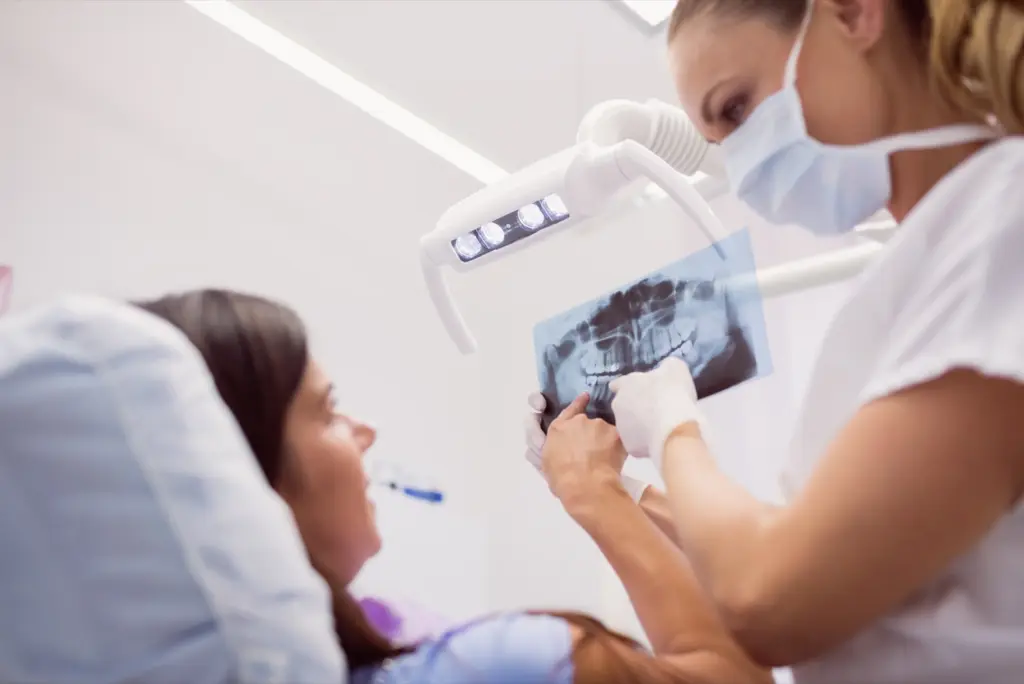
Very often, gum disease is advanced by the time the patient discovers it, especially during its early stages, and this is the major cause of periodontal problems such as bone loss and tooth mobility. D4342 is the point where the fight against this disease turns in favor of the patient, as it stops the progression of the disease by dealing with plaque and tartar buildup before it can cause more extensive damage.
Besides that, if you solve the problem with D4342 at an early stage, you will be able to keep away from more aggressive methods such as gum surgery and tooth extraction. The secret to having a nice smile and being dental issue-free in the future is intervention at the very beginning.
Scaling and Root Planing (D4342): What to Expect During the Procedure
A patient whose dentist has just recommended D4342 usually would like to know more about the details of the operation. To keep the patient at ease, local anesthesia is normally applied during the treatment. The following are some of the expectations:
- Initial Examination: First of all, the dentist will look at the condition of your gums with his/her own eyes and check the depth of the gum pockets to figure out which parts need scaling and root planing.
- Scaling: The dentist or hygienist, with the help of some instruments, will detach and remove plaque and tartar from the surfaces of the teeth, both above and below the gumline. In order to kill the harmful bacteria, this procedure is also carried out on the root surfaces.
- Root Planing: After that, the operation will be the dentist’s turn, who will employ a special instrument to smooth the roots of the tooth, thus removing bacteria even further and make the gum reattachment possible. Aside from this, the step offers the support of tissue healing and bacterial prevention.
- Post-Procedure Care: The feeling of tenderness, swelling, or bleeding may accompany you for a few hours after the treatment; however, it is not something to be worried about. Your dentist will equip you with the best after-treatment directions to ensure your recovery.
What Is the Significance of D4342?
Along with D4342 sanitation, the treatment is only the beginning. The treatment goes very far into the roots of the gum disease and, thus, it does not allow risky long-term complications to appear.
- Prevention of Periodontal Disease Progression: Periodontal scaling and root planing is the stage that is necessary to stop the infection from spreading to other parts of the mouth. Thus, by curing the disease when it is still in its early stages, D4342 can therefore preserve oral hygiene and get rid of the necessity of the most aggressive treatments, such as surgery.
- Promoting Better Oral Health: The procedure energizes the patient’s oral health since it considerably reduces the symptoms of the inflammation caused by the diseased gums, such as swelling, bleeding, and redness. Besides that, the procedure makes the patient’s mouth more comfortable since the irritation caused by plaque is removed.
- Cost-Effectiveness: The deep cleaning in question may sound as if it is more expensive than regular cleanings; however, it is still considerably less pricey than either gum surgery or tooth replacement. Besides, the early use of the D4342 method is a step forward against the expensive treatments in the future.
How Long Does Recovery Take After D4342 Scaling and Root Planing?
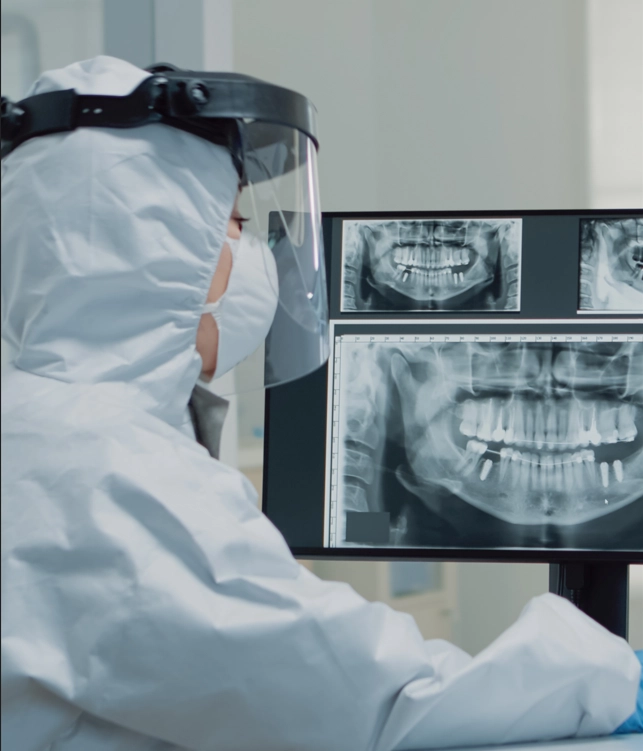
Different people may have different recovery times after D4342; still, it is generally quite fast and stable. Here is what one is likely to undergo:
- Immediate Recovery: A patient may feel some pain, and the gums may be sensitive, a few days after the operation. The patient will experience swelling and bleeding during those days; however, these symptoms will only be of a short duration.
- Post-Treatment Care: The patient’s cooperation, along with aftercare instructions, is necessary for the patient’s healing to go on at a fast pace. It is also being brushed gently, not eating hard and sticky foods, and using a saltwater rinse to ease the gums.
- Follow-Up Appointments: The dentist might also decide the next appointment with you to check your recovery. In that case, it is very important to be present at the dentist’s scheduled sessions so that your oral health can be monitored closely.
Briefly, most patients will have made good progress towards recovery within 1-2 weeks, and their discomfort and swelling will have already eased within a few days.
What Are the Risks of Gum Disease Without D4342 Treatment?
Without D4342 treatment, gum disease may become aggravated and eventually lead to a variety of problems, like:
- Periodontal Abscesses: The infection that results when bacteria attack the deep pockets of the gums.
- Tooth Loss: Gum disease is among the primary causes of tooth loss, especially when it is at the stage of late progression.
- Bone Loss: If left untreated, gum disease can even go as far as the loss of bone which is the support for the teeth.
- Systemic Health Risks: Researchers have found that if not treated, gum disease can become a source of such health problems as heart disease, diabetes, and respiratory issues.
The most severe side effects of gum disease on the body’s systems can be prevented by simply taking care of the problem early with D4342 and in this way, you will also ensure your oral health for a long period.
Is D4342 Covered by All Dental Insurance Plans?
Generally, dental insurance is going to pay for D4342, but how much they will pay can vary from one provider to another. The general guidelines that you should be aware of are the following:
- Medical Necessity: A good number of insurance companies make the decision to pay for D4342 only when it is a condition that is necessary from a health perspective. So if you want to be permitted to use the insurance, it is likely that you will have to show a certificate of having moderate periodontitis.
- Frequency Limits: A patient’s limitation on the number of treatments i.e. scaling and root planing, which is set by the insurance policy, can be possible. You need to know the particular instructions of your plan so that you can figure out if there is any restriction on how often the procedure can be done.
- Co-pays and Deductibles: If D4342 is the service covered by the insurance, the patient may still be the one who will have to pay for the co-pays or deductibles out of their pocket. Talking about the payment of the dental treatment with your dental care provider and insurance company will surely be helpful.
- Pre-Authorization: An insurance company might request for a pre-authorization before giving its approval for a procedure.
So if you want to be sure that a prepayment will not be charged to you, it is better to confirm in advance that you have been given the green light.
How to Maintain Oral Health After D4342 Scaling and Root Planing
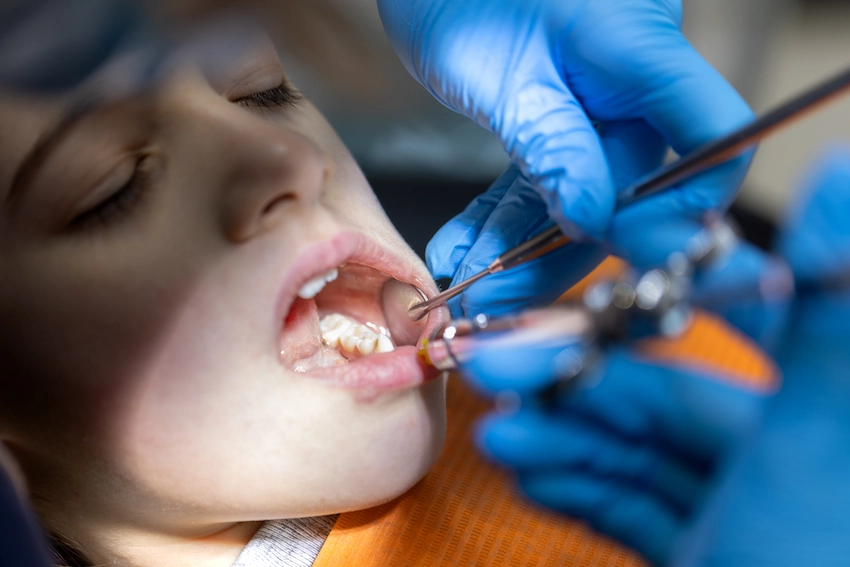
In order to ensure that the periodontitis treatment is really effective and that you stay free from the returning periodontal disease, it is good to go on with oral health practice after you have finished the D4342. Here are the recommendations that will help you keep the best oral health:
- Brush and Floss Regularly: It is definitely necessary to brush one’s teeth with a soft-bristle toothbrush at least two times a day and to use dental floss for the cleaning of the spaces between the teeth.
- Use Antibacterial Mouthwash: The mouthwash, which your dentist recommends, should be your antibacterial agent as well as your gum healing facilitator.
- Attend Regular Check-Ups: Being checked by the dentist regularly and getting a cleaning every 3-6 months after a scaling and root planing has been done is very necessary, thus, making the gums stay healthy.
- Avoid Tobacco Products: The use of smoking and chewing tobacco can certainly slow the gum healing process, and the risk of gum disease will be increased further.
If you adhere to the advice, you will, thus, be making a major positive impact on the condition of your gums, and your smile will remain beautiful and radiant for a long time
D4342 and D1110 (a regular prophylaxis or teeth cleaning) can be done on the same day, but it depends on the dentist’s decision and the condition of the patient’s oral health. D1110 is just a regular cleaning that is normally done when there is no gum disease, and D4342 is a local treatment of moderate gum disease that necessitates more elaborate care.
Nevertheless, the two procedures may be done on the same day if:
- The good condition of certain parts of the patient’s gums allows for a normal D1110 to be performed, while other diseased parts require D4342.
- The patient is in the early stage of gum disease and thus, both interventions can be carried out together to achieve a thorough cleaning.
It would be a good idea to find out more about these procedures from the dentist and whether it is safe and right to combine both.
Conclusion: Taking Charge of Your Oral Health with D4342
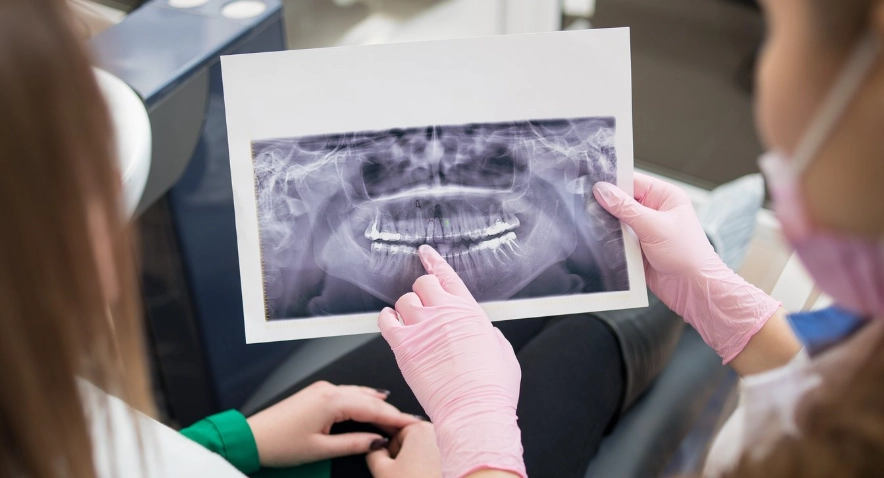
In simple terms, dental code D4342, or scaling and root planing, is the tool used to treat moderate gum disease and subsequently, stop its progression, and eventually, it saves the patient from severe periodontal disease. This is the first step to eliminate the bacteria and their plaque are the main causes of gum inflammation, tooth loss, and a rise in the risk of any further complications, and it is what this intervention can do to really bring back the gum health.
Anyway, as a preventive measure or a result of your particular condition, keep in mind that aftercare and dental health maintenance are long journeys during which you must always abide by your dentist’s recommendations.
Intervention at the very early stage is almost magical. The earlier you respond to gum disease by D4342, the lower the chance of coming across a closed-door treatment down the road. If you were ever advised to have this procedure, then seeing a dentist, talking over your situation, and getting proactive in maintaining your oral health through proper care and regular check-ups would be the right things to do.
Sources:
- American Dental Association (ADA). “Periodontal Scaling and Root Planing.” https://www.ada.org
- WebMD. “Understanding Scaling and Root Planing.” https://www.webmd.com
- Mayo Clinic. “Gum Disease Treatment.” https://www.mayoclinic.org
FAQs About Dental Code D4342
D4342 is the dental code for scaling and root planing. It is used to treat moderate gum disease by cleaning below the gumline and smoothing the tooth roots to promote gum healing.
Yes, D4342 is commonly used to treat periodontal disease in patients with localized or moderate gum issues. It is one of the most effective non-surgical treatments for preventing further gum damage.
Yes, D4342 can be combined with other procedures like routine cleaning (D1110) if necessary. Discuss your treatment plan with your dentist to ensure comprehensive care.
The procedure is generally performed under local anesthesia, so patients should not feel pain during treatment. Some discomfort or gum sensitivity may occur post-treatment, but it typically subsides in a few days.
A regular teeth cleaning (D1110) is a preventive procedure that removes plaque and tartar above the gumline. In contrast, D4342 targets the deeper layers below the gumline, addressing gum disease by removing plaque, tartar, and bacteria from the roots of the teeth.
Many dental insurance plans cover root planing (D4342) if it is deemed medically necessary to treat gum disease. However, coverage can vary depending on your plan and its specific terms. It’s important to check with your insurance provider to confirm if D4342 is covered and whether there are any deductibles, co-pays, or frequency limitations. Your dentist can also assist by submitting the necessary documentation to your insurance company for approval.

