


Understanding the D4265 Dental Code
D4265 dental code defines a particular surgical operation in a dentist’s area, which is the regrowth of soft tissue, each added adjacent tooth or edentulous tooth position in the same surgical site. This CDT code from the current dental terminology is about the process that a periodontist uses to add healthy gum tissue to areas that have receded gums. The code is the one that applies to each extra tooth after the first one in a row that gets grafting during the same surgical session. Patients’ understanding of this code assists their decision-making regarding treatment of oral health and insurance coverage.
The Clinical Purpose of D4265 Procedure
Dentists use the D4265 operation to treat dental health problems that can be identified through diagnosis and require immediate intervention. The procedure is the mainstay of oral health and beauty for those who have such dental issues.
Covering Exposed Tooth Roots
Receding gums reveal the root surfaces, which are the most sensitive and do not have an enamel covering. The D4265 operation covers these exposed roots in a very effective manner and thus creates a protective barrier that removes the sensitivity of the tooth to changes in temperature and sweet foods. The exposed root surfaces, which are called cementum, are even more porous than tooth enamel; hence, they are highly vulnerable to external factors and bacterial invasion. So by covering these places with healthy grafted tissue, patients get immediate relief from discomfort as well as long-term protection against further damage.
Halting Progressive Gum Recession
The transplanted tissue forms a thick, strong fence that stops the further movement of the gum line down the tooth roots. Thus, via this intervention, the patient is prevented from getting worse with time. Gum recession is frequently a slow one, and if there is no intervention, it may lead to very serious dental problems. The graft works as a living barrier, thus supporting the existing tissue and giving the tissue more framework to halt further tissue loss. This fixation of the gum line is very important for dental health and the prevention of more extensive later treatments.
Preventing Root Cavities
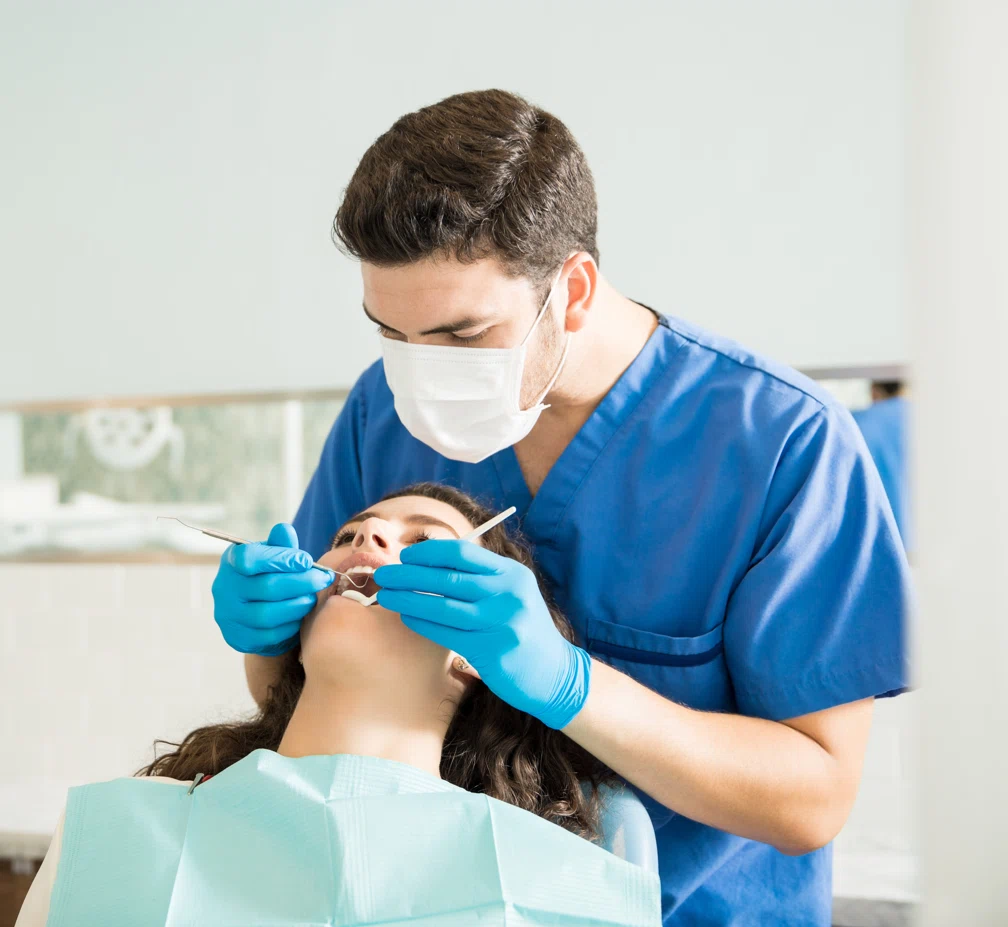
The roots that have been exposed are less hard than enamel and they are more prone to decay. The D4265 operation takes care of these vulnerable areas so that they are not exposed to the development of root cavities which, if left unchecked, can rapidly progress. Root caries (cavities) are especially tricky because they rapidly develop, and the tooth structure close to the nerve can easily weaken. Thus, the inserted tissue forms a physical shield against acid attack and bacterial intrusion; thus, the possibility of root surface decay is considerably lowered along with the risk of future restorative treatments such as fillings and root canals.
Enhancing Aesthetic Appearance
This operation results in a consistent and attractive gum line, which makes the smile more appealing. It also functions to normalise the “long teeth” effect caused by receding gums and thus, the patient is left with a more harmonious and confident smile. The aesthetic advantages do not stop at the mere look – a well-balanced gum line properly frames the teeth and this is one of the features of a youthful smile. Patients after successful soft tissue grafting procedures often report increased self-confidence as well as comfort with socialising and smiling.
Protecting Underlying Bone Structure
Normal gums are the prerequisite for good bone that supports your teeth. The D4265 operation secures the gums around the teeth; thus, the jawbone, which is the underlying layer of the teeth, remains healthy and intact. Gingival tissue is not only the surface of the alveolar bone but also the protective shield. When the gums go down, the bone in question becomes more prone to resorption and destruction. The graft here is like the reinforcement army that the bone needs to help it through the infantry battle of resorption, and thus to ensure the preservation of the bone that is the foundation of your natural teeth.
The Allograft Advantage in D4265 Procedures
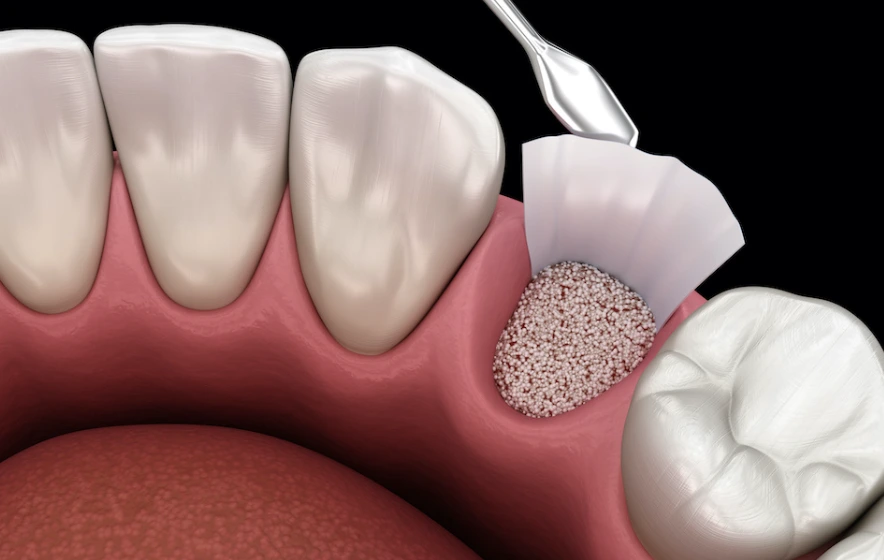
In the D4265 operation, the organ usually comes from another patient; that is, the periodontist uses tissue from human beings donated to and processed by certified tissue banks, hence the name allograft. This method grants several advantages, which in the end make the patient’s comfort and the treatment results better.
Single Surgical Site Procedure
Allografts remove the requirement of a surgical site in the patient’s palate. The most important result of this benefit is the reduction of the patient’s postoperative discomfort, and on top of that, the recovery process is also simplified while the effectiveness of the treatment remains the same. A patient experiences minimal pain at large and can get back to his/her normal activities faster. Moreover, the single-site method results not only in fewer complications but also in a shorter overall time of the procedure, thus the patient has a more comfortable time, practically from start to finish.
Abundant Tissue Supply
The periodontist is provided with enough tissue for the purpose of transplantation from the tissue bank, and thus, he/she can treat a variety of teeth effectively without being limited by the anatomy of the patient’s palate. Therefore, the full coverage of all the affected areas is guaranteed. Constant quality and availability of donor tissue mean that the periodontist can pick the best graft material for a particular case rather than be restricted to what can be taken from the patient’s mouth. Thus, this flexibility very often results in better outcomes and more predictable effects.
Predictable Clinical Outcomes
After being processed, allograft tissue is a framework that assists the body’s natural healing process. Various clinical studies provide evidence of the successful integration of allografts with native tissue, thereby ensuring the reliability and durability of root coverage and gum thickening results. The allograft material goes through different stages of testing and processing to ensure it is safe and retains its biological properties. Such consistency in graft quality corresponds to predictability in performance and successful assimilation with the patient’s existing tissue.
Comparing Treatment Options: Understanding Your Choices
Soft tissue grafting is a consideration in which an explanation of different approaches could be helpful for patients. Just one option is the D4265 procedure with allografts, although it is mostly the preferred choice when the coverage is for more than one tooth.
Autografts: Traditional Approach
Autografts mean that tissue is taken from the patient’s own palate. This method is effective, but it necessitates two surgical sites and may also cause more postoperative discomfort. The limit on the amount of available donor tissue is set by the patient’s anatomy; thus, the number of teeth that can be treated in one session may be limited.
Allografts: Modern Solution
According to D4265, allografts are obtained from donor tissue after the donors have been carefully tested and the tissues processed from tissue banks. By this method, excellent results are obtained without the need for a second surgical site. The quality of donor tissue is always very good and there is no limitation on the amount of graft material for a case of extensive recession.
Xenografts: Alternative Option
The tissue comes from other species in the case of xenografts, which are generally from bovine sources. While they can be used in some cases, they may not offer the same level of predictability as human-derived allografts in root coverage. Their healing process and integration may be different from that of human tissue grafts.
Step-by-Step Guide to D4265 Procedure
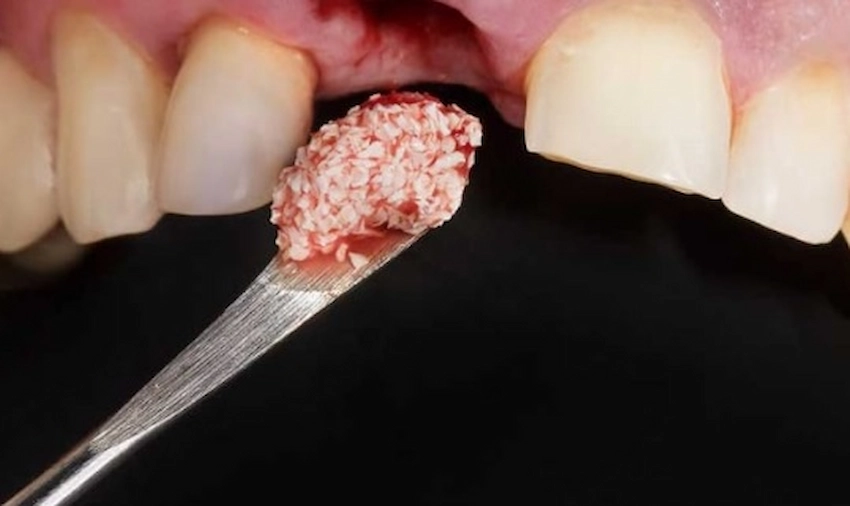
Knowing the steps of a treatment helps patients be calm and ready for the operation. D4265 uses an organised method that results in the best outcome.
Comprehensive Diagnosis and Treatment Planning
The dentist or periodontist does a very thorough examination of the patient, takes measurements of the gum recession, and evaluates the general oral health condition. They then use all this data to formulate a treatment plan tailored to the individual and decide if D4265 would be the right remedy for the patient’s dental needs. Their evaluation includes the depth measurement of the recession, the quality of the tissue, and the support of the bone under the gum. Photographs and sometimes 3D imaging also help in determining the accurate placement and the size of the graft for the best coverage.
Pre-Surgical Preparation
After the cleaning of the area for treatment by a professional, surgery is next. Anaesthesia of the concerned area makes the surgery absolutely comfortable and thus, no discomfort is felt. The periodontist identifies the exact areas to be transplanted and gets the surgical site ready for the donor tissue. This scrupulous preparation helps the graft bind to and heal with the recipient tissue under the best conditions.
Surgical Technique Execution
The periodontist makes the recipient site ready in a careful manner and modifies the sterile allograft tissue so that it fits perfectly over the roots that are exposed. They also secure the graft by precise suturing to stabilise it for optimum healing and integration. The surgical placement is very accurate in that it ensures that the graft is in full contact with the underlying tissue and that it covers all the exposed root surfaces. Special stitching methods work by holding the position of the graft during the very first healing stage, which is critical.
Post-Procedure Healing Process
Instructions from the doctor for care after the operation are given to the patients in detail. The healing is gradual, and it involves the body’s cells, which migrate to the graft. Then, step by step, they incorporate it, and new, stronger gum tissue growth is stimulated and all this takes several weeks. The very first healing stage lasts for about 1-2 weeks, the time during which the graft becomes established. Complete maturation and final aesthetic results continue to improve over several months as the tissue remodels and integrates fully with the surrounding gums.
Essential Post-Operative Care Guidelines
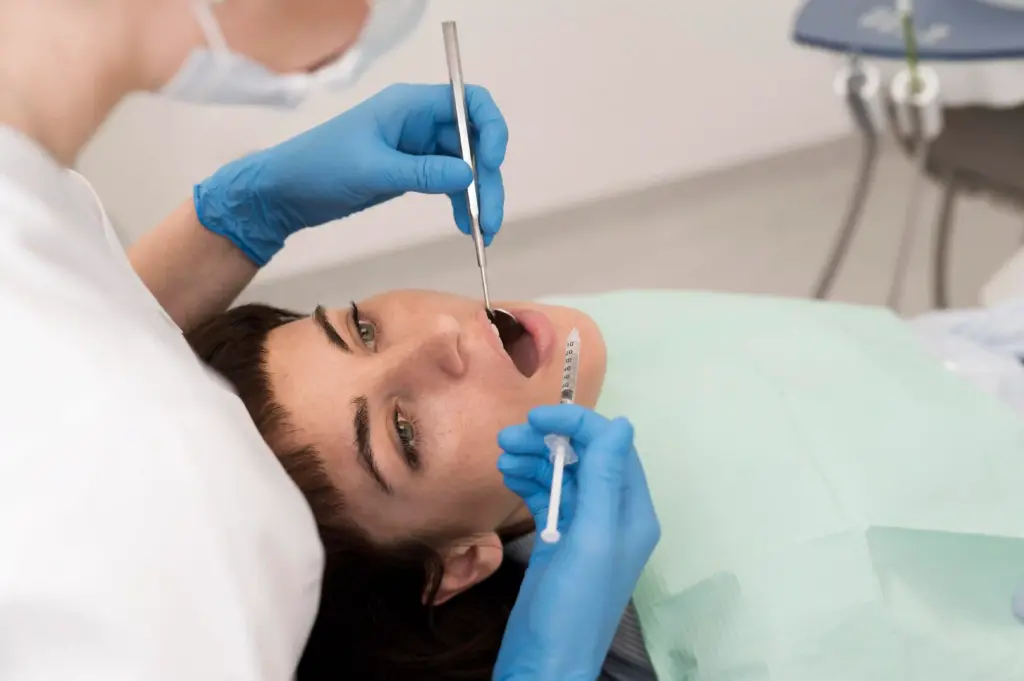
Correct performance after the operation is very necessary to get the work done successfully. Complying with these rules leads to the best healing and long-term success of the intervention.
Effective Discomfort Management
By using pain-relieving agents that do not require a prescription and are suggested by their dentist, patients can cope with the swelling and discomfort after the operation in a good manner. In order to have a usable recovery, one should follow the guidelines for medication administration. Any feeling of discomfort peaks within the first 48 hours and it gradually diminishes, were reported by the majority of patients. The use of cold compresses on the outside of the cheek close to the operated area helps to diminish swelling that occurs during the first 24-48 hours.
Surgical Site Protection
During the time of the initial healing phase, you should not brush or floss directly above the graft. To keep the area clean, use the prescribed antimicrobial mouth rinse without interfering with the healing tissue. Patients are advised not to forcibly pull on their lips in order to look at the surgical site, as this may result in disturbing the healing process. The recession can be better protected if chewing is done on the side of the mouth which is opposite to that of the graft during the first week of critical healing.
Appropriate Dietary Choices
Right after the operation, a patient should stick to a diet of food that is soft and cold food for the first few days. A good choice will be food such as yoghurt, mashed potatoes, and smoothies, whereas hot, spicy, and crunchy foods that may irritate the surgical site should be avoided. Adequate nutrition is a must for the healing process to be successful, and that is why patients are encouraged to eat nutrient-rich soft foods. Drinking enough water is just as important, although patients should refrain from drinking through a straw, as the suction may cause the graft to become loose.
Activity Modification
Rest and keep away from vigorous exercise for at least 48 hours after the procedure. By doing this, proper healing is ensured, and the risk of bleeding as well as of other complications is minimised. An increased heart rate and blood pressure that result from hard physical work may lead to an increase in swelling and greater bleeding. Patients are encouraged to plan their normal daily activities in such a manner that they will also have enough time for rest during the first period of recovery from the operation, and gradually, as they heal, get back to their usual activities.
Follow-Up Appointment Compliance
Professional follow-up through monitoring healing progress and thus attending to all scheduled appointments. They also allow for suture removal and graft integration verification. At each visit, the periodontist will evaluate the progress of the healing process and give instructions regarding the time when patients can start their usual oral hygiene practices in the treated area. Especially important are these appointments for both early detection of any potential issues and achieving the best possible outcome.
Conclusion: Investing in Long-Term Oral Health with D4265
D4265 dental code is an indication of a sophisticated and patient-centred manner of dealing with a gum recession problem. Such a state-of-the-art allograft method not only lets the patient be comfortable and shortens the time of the operation, but also delivers clinically proven and durable outcomes. Thus, by going for this operation, patients are actually buying long-term oral health with the added bonus of less sensitivity and decay, stopping gum recession, and restoring both oral health and smile aesthetics. When the D4265 procedure is only recommended as part of a comprehensive treatment plan, it is the definitive step that leads to long-term dental health and confidence.
Frequently Asked Questions (FAQ) About Dental Code D4265
The D4265 dental code is associated with a bone replacement graft that has been placed in the socket of an extracted tooth in order to preserve the alveolar ridge, which is the part of the bone that is kept for implants or restorations later on.
Ridge preservation is the safest way to keep the bone that supports the teeth after removal and thus be able to place implants, bridges, or dentures that require the alveolar ridge to have the proper dimensions.
The materials and substances used for bone grafting in the D4265 operation may be an autograft (bone taken from the patient), an allograft (donor bone), a xenograft (bone from an animal), or a synthetic one, e.g. hydroxyapatite.
The time for the bone to heal after a graft is usually between 3 and 6 months and that is dependent on the type of material used as well as the health of the patient.
Most patients experience minimal discomfort as the procedure is performed under local anaesthesia, and postoperative pain is usually manageable with prescribed medications.

