


Understanding Your Dental Treatment Plan: The D3330 Code
When presented with a treatment plan from your dentist, the codes might look like a puzzle. A dental treatment plan with procedural codes like D3330 can be quite baffling. Understanding the D3330 Code is tantamount to the ability of the co-driver in your medical care journey. The D3330 dental code is a segment of the American Dental Association’s Current Dental Terminology (CDT), and it is used to communicate a non-surgical endodontic treatment on a molar tooth.
Simply, a root canal, which is the central concept of the operation, is the final rescue of the tooth, and the goal is the relief of the pain and the removal of the infection. This ultimate guide acts as an unstinting, step-by-step manual for the D3330 operation. We will investigate the conditions leading to this operation, the state-of-the-art products used, the direct advantages for your health over the years, and the necessary post-treatment care to ensure the successful outcome of your original tooth for life.
What is a D3330 Dental Procedure?
The D3330 dental operation is a non-surgical endodontic treatment, which is essentially a root canal, that deals with a molar tooth. Molars are the big, flat teeth at the backside of your mouth. This treatment is a necessity when the pulp inside a molar tooth is inflamed or infected. Pulp is the soft tissue in the tooth that has nerves, blood vessels, and connective tissue.
A D3330 operation goes in and takes out the infected pulp, thoroughly cleans and sanitizes the area and the root canals, and then tightly seals the space. This final relief from dental pain and the saving of your natural molar are the result of this ultimate therapeutic measure.
Primary Causes for a D3330 Root Canal Treatment
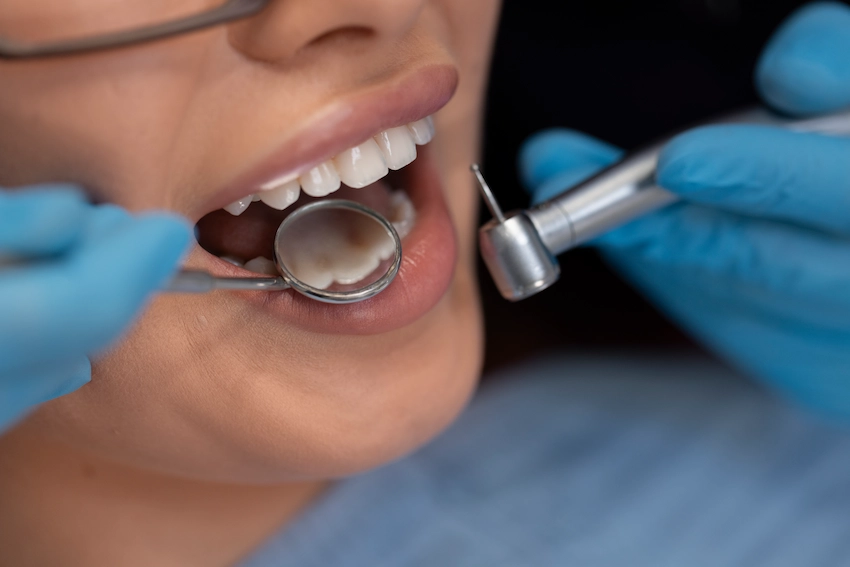
Various dental problems, in particular, can be the reasons that call for immediate performance of a D3330 root canal intervention to save the tooth.
Deep Dental Decay: The main cause of such a treatment is dental decay that is deep enough to have penetrated the enamel and dentin layers of the tooth. Therefore, bacteria are destroying the pulp tissue, which causes a painful infection called pulpitis.
Dental Trauma or Injury: A blow to your face, which is both heavy and hard, can fracture your molar, as well as the pulp tissue of the molar can be injured, even if the crack is not visible. Such a blow will cut off the nerve and blood supply of the tooth right away.
Repeated Dental Procedures: The life of a single molar may be filled with numerous restorative procedures, such as large fillings or crowns, and thus, one may overuse the pulp without knowing it. Eventually, inflammation will take place, followed by necrosis and finally, tooth death.
A Cracked or Fractured Tooth: A crack that goes from the chewing side down to the root and becomes a direct path for bacteria to get to the pulp chamber. Such contamination, in turn, quickly causes severe infection.
The Direct Benefits of Choosing a D3330 Procedure
By opting for a D3330 root canal therapy, you are opening up immediate plus future doors for your health and the pleasure of life.
The procedure provides immediate and definitive pain relief. The root canal is the perfect weapon for the relief of pain as it rids the pulp of the infection completely and therefore the treatment.
This procedure is essentially the last chance to keep your natural molar rather than having it removed. Biologically speaking, the best result is still to be able to keep your own tooth, which not only preserves the natural framework of your jawbone but also guarantees the best possible chewing function.
The treatment at hand is the preventive action from the spread of the dental infection. Localized infection in one’s tooth can easily develop into the jawbone and result in a painful dental abscess. By means of the D3330 technique, the problem area is not only taken care of but also disinfected.
The completed treatment fully restores normal biting force and chewing efficiency. After being shielded with a final crown, your root canal-treated molar will work absolutely like a natural one, thus you will be free to consume a complete and healthy diet without any kind of restraint.
The restoration of complete biting power as well as chewing ability is the outcome of a successful root canal treatment. Your tooth power under the treatment of the molar will not be compromised, so you are free to consume a balanced and varied diet.
A Comprehensive, Step-by-Step Walkthrough of the D3330 Procedure
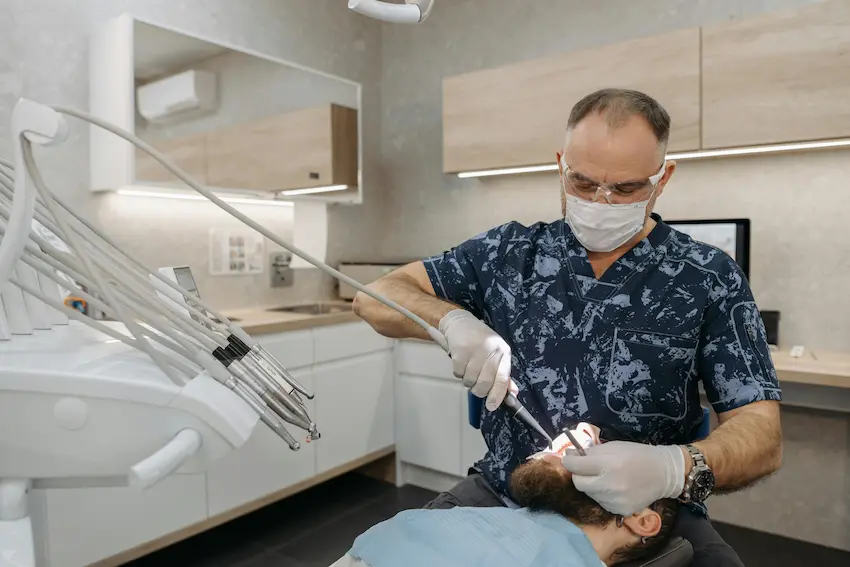
The implementation of the D3330 root canal by your dentist or endodontist is carried out in a series of steps that are accurate, controlled, and aimed at your comfort as well as the success expected of the outcome.
1. Pre-Operative Diagnosis and Advanced Imaging
In order to provide your dentist with the most comprehensive view of the situation, he will perform the clinical examination as well as different tests meant to check the vitality of the pulp. They will take a set of very thorough diagnostic X-rays and, if necessary, will even use a Cone Beam Computed Tomography (CBCT) scan with a limited field. This state-of-the-art imaging delivers a 3D picture of the root canal with details about the number, shape, and bend of the roots, amount, and even pinpointing of the infection in tiny vesicles.
2. Administration of Local Anesthesia
The dentist injects a local anesthetic agent, e.g., Lidocaine or Articaine, to numb the area radially, including the molar and the adjacent gum tissue. The performance of this phase is so smooth that the patients do not experience any discomfort, and complete painlessness is achieved during the whole time of the procedure.
3. Placement of the Dental Dam Isolation
The next step is the installation of a dental dam by the dentist, which is a thin square made of latex or non-latex material, over the problematic tooth. To hold it in place smoothly, they use a little clamp around the tooth’s crown. Besides being indispensable safety gear, this sterilized working zone not only filters out the isolated tooth from the mouth but also keeps it free from infections because of the saliva and bacteria, while at the same time it shields the airway from the smallest instruments or irrigating solutions.
4. Creating the Conservative Access Cavity
Your doctor employs high-speed, water-cooled dental drills to open the access quickly and exactly by going through the occlusal surface of the molar’s crown. This first and foremost access point comes directly and free from any obstacles to entry to the pulp chamber as well as the root canals’ entrances.
5. Removal of Diseased Pulp Tissue (Pulpectomy)
The doctor utilizes a set of very small and specialized tools, called endodontic files and reamers, to scrape, cut, and finally to completely remove the diseased pulp tissue, bacteria, and toxic breakdown products from the whole root canal system.
6. Biomechanical Preparation and Chemical Disinfection
Once the pulp has been taken out, the dentist goes on with biomechanical preparation. This is the stage where the root canals are thoroughly cleaned, widened, and smoothed with the help of special instruments in order to remove the infected dentin. At the same time, the dentist irrigates the canals with strong antibacterial solutions, the most frequently used being sodium hypochlorite (medical bleach) and EDTA, several times. This irrigation is very important for the complete removal of the organic debris and for the disinfection of the canals to a very high degree.
7. Obturation: Sealing the Root Canal System
The filling dentist fills and seals the holes made in the root canal by means of obturation after the thorough cleaning and drying of the canals. The doctor employs a core filling material known as gutta-percha, a biocompatible rubber, along with a root canal sealer cement. They apply methods like warm vertical condensation to get the gutta-percha packed to a continuous, three-dimensional seal that stops any future bacterial infiltration pathways.
8. Placement of a Secure Temporary Restoration
After the removal of the dental dam, the dentist places a sturdy temporary filling material, such as Cavit or Intermediate Restorative Material (IRM), into the access opening. The temporary restoration safeguards the sealed root canals from saliva and food particles until you receive the final, permanent restoration.
9. Planning the Essential Final Crown Restoration
Your dentist will be placing a permanent dental crown over the treated molar during a separate follow-up appointment that he will schedule, usually, a few weeks later. The crown is not optional cosmetic work; rather, it is an indispensable part of the treatment that offers the necessary strength and protection, making the tooth resistant to the heavy chewing forces in the back of your mouth for years to come.
Essential Materials and Products Used in a D3330 Procedure
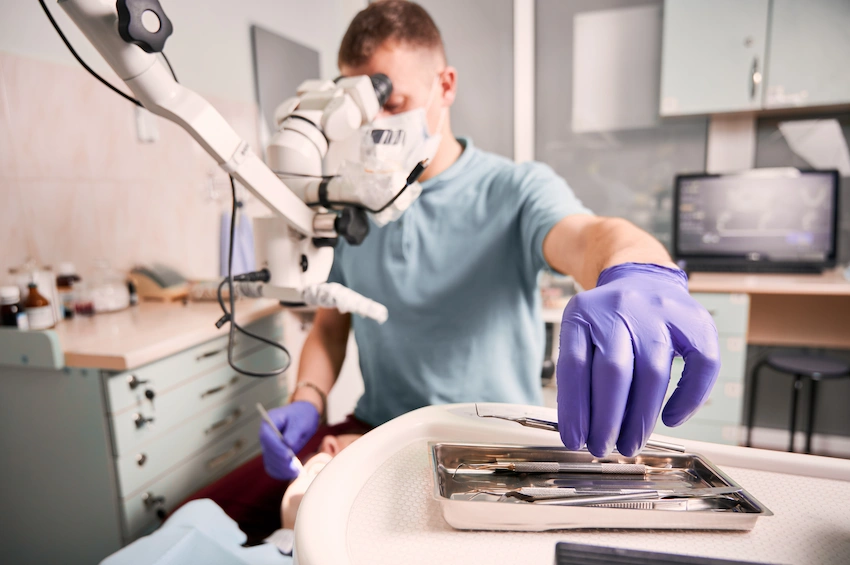
To guarantee your D3330 has a bright future and lasts for a long time, professionals in the dental field employ special, top-notch materials.
Local Anesthetics: Medications like Lidocaine or Articaine numb the part of the body to be treated with full reliability, thus a patient is spared from pain.
Dental Dam: As a physical isolation barrier, which is made of either latex or nitrile, the dental dam plays an important role in protection against bacterial contamination from saliva during the operation.
Endodontic Files and Rotary Instruments: These are very accurate metal instruments, made of either nickel-titanium or stainless steel, which a dentist will use to remove the debris and to shape the root canal that is very narrow properly and effectively.
Irrigating Solutions: Sodium hypochlorite (a kind of medical bleach) and EDTA solutions are considered the best standard methods for disinfecting root canals and dissolving the tissues that are left in the canal.
Gutta-Percha: This is the main, non-toxic rubber that a dentist uses to make a permanent filling and close the cleaned root canal space.
Root Canal Sealer Cement: A dentist applies this binding cement together with gutta-percha to achieve a complete sealing without any leakage of fluids in the root canal system.
Temporary Filling Materials: Elements like Cavit or IRM provide a close, short-term covering of the access opening until the final crown is fixed.
Ensuring a Safe and Successful Recovery
The right aftercare is what will keep your D3330 long-term success and overall well-being.
- It might happen that you will have a little bit of sensitivity for a few days, which is the healing period and thus a completely normal situation. Your dentist will recommend a few over-the-counter pain relievers to be taken in order to relieve the discomfort efficiently.
- Until your dentist has put the final crown on the treated molar, do not chew hard foods directly on that molar. Temporarily restored tooth thus takes the precaution of being spared from breaking.
- Continue with your normal oral hygiene, which should include gentle brushing and flossing of the treated tooth. Proper oral hygiene slows down the process of healing and makes it impossible for new decay to occur.
- Remember to be at your follow-up appointment for permanent crown placement. The final restoration is a required step, which, apart from giving back the structural strength, also protects your investment in the root canal treatment.
Conclusion: An Investment in Your Long-Term Health and Well-Being
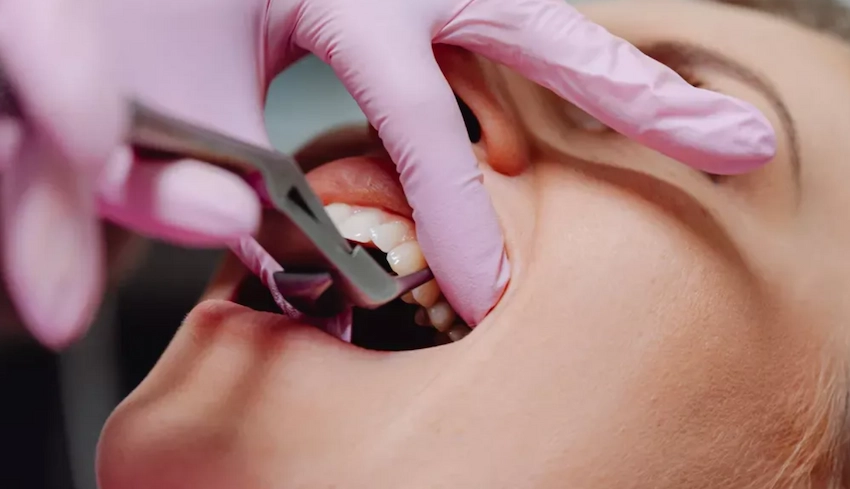
D3330 dental code stands for one of the most reliable and efficient methods in the field of dentistry. This complex endodontic operation, in a very elegant way, goes through the three stages: it makes the root an infection-free spot, it takes away the pain forever, and most importantly, it keeps the natural tooth. Therefore, by learning the D3330 process in depth – the exact clinical steps, the cutting-edge materials, and the indisputable health benefits – you become the one who has the power to take a definite and confident decision with this intervention.
In brief, a D3330 root canal is the right and smart oral health care decision, which by its nature is an investment that will make its value known in terms of function, comfort, and general well-being over time. We encourage you to speak to your dentist if you have any questions or concerns about your diagnosis and treatment plan.
Sources:
- American Dental Association. (2023). Current Dental Terminology (CDT 2024). ADA Publications.
- American Association of Endodontists. (2023). “Root Canal Treatment.” Retrieved from https://www.aae.org/patients/root-canal-treatment/.
- Hargreaves, K. M., Berman, L. H. (2020). Cohen’s Pathways of the Pulp (12th ed.). Elsevier.
- Ingle, J. I., Bakland, L. K., & Baumgartner, J. C. (2008). Ingle’s Endodontics (6th ed.). PMPH USA.
- Torabinejad, M., & Walton, R. E. (2009). Principles and Practice of Endodontics (4th ed.). Saunders Elsevier.
Frequently Asked Questions About D3330 Dental Code
Modern dentistry and local anesthesia make the D3330 root canal a comfortable procedure. Patients typically report feeling no more discomfort than during a routine dental filling.
The D3330 procedure has a higher fee because molars have multiple, complex root canals that require significantly more time, specialized skill, and advanced materials to treat properly.
The only alternative to this tooth-saving procedure is the extraction of the infected molar. Tooth removal creates a gap that can lead to shifting teeth, bite problems, and bone loss, often requiring a more expensive dental implant or bridge.
The D3330 procedure justifiably commands a higher fee because molar teeth present a greater clinical challenge. They typically have two to four roots, each with multiple, narrow, and curved canals that are difficult to access. Treating them requires significantly more clinical time, advanced equipment like microscopes, and a higher level of specialist skill to achieve a successful outcome.
With proper technique and the mandatory placement of a protective crown, a tooth that has undergone a D3330 root canal has an excellent long-term prognosis. Clinical studies demonstrate success rates exceeding 95% after 8-10 years, and many of these teeth last for the remainder of the patient’s life with appropriate care.

