


Dental codes play a vital role in the treatment process, especially when it comes to restorative procedures. One of the most common codes that you can come across when you are getting restorative dental work done is D2950. The code D2950 is the identification of a core buildup operation, an indispensable treatment, which is generally the one that a dental professional uses to show when a tooth is extremely damaged to make a crown. If you are wondering what D2950 is and why it is used, this guide will tell you its importance in the dental world and how it is the main player in the restoration of your smile.
What is the D2950 Code?
D2950 dental code is the code identifying a core buildup operation, the operation done when a tooth is in such a condition that it requires a crown but lacks sufficient healthy structure to support it. In fact, a core buildup makes the lost dental structure “whole” again and thus makes it durable enough to be able to hold the crown in place. Without such a buildup, the crown would not be able to adhere properly or function; hence, there is the chance that the tooth will be exposed to even more damage without protection.
The D2950 code is one of the codes in the Current Dental Terminology (CDT) system, which is used by dental professionals to categorize and describe procedures for the ease of billing and insurance purposes. By utilization of D2950, the dentist states that the core buildup is the means by which the tooth was prepared for a crown.
Why is Core Buildup Important?
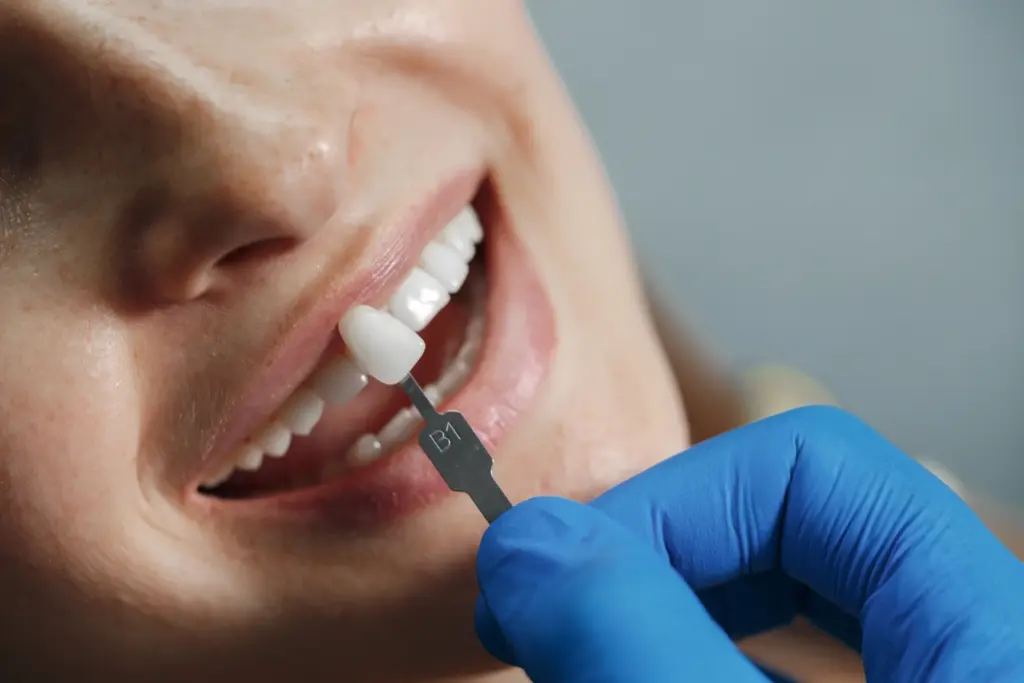
Core buildup becomes very significant when the loss of the tooth’s structure is a consequence of the decay, the fracture, or the presence of an excessive number of fillings. D2950 is a common procedure carried out to make the tooth healthy again, and then, the dentist will put a crown on it. Without this buildup, the crown would not be able to make a tight seal, which could result in issues like misalignment of the tooth or the detachment of the crown.
There are many reasons for which a core buildup can be considered as necessary. Some of them are:
- Severe Tooth Decay: In cases where a cavity decays a big portion of the tooth, a core buildup will be the one that makes the tooth strong enough to be able to take a crown.
- Cracked or Fractured Teeth: Teeth that have been cracked or fractured by some kind of traumatic event or simply by wear and tear generally require a core buildup to make sure that they are strong enough to be able to hold a crown.
- Post-Root Canal Treatment: When a root canal is done, most of the tooth structure is cut off to provide access to the pulp that is infected. D2950 is the one that is used to strengthen the leftover part before a crown is placed.
Step-by-Step Breakdown of the D2950 Procedure
When your dentist initiates a D2950 procedure, it is a move that determines the overall result of your dental restoration. Let’s find out what precisely happens during the procedure by going through the steps one by one.
1. Examination and Treatment Planning
Prior to the execution of the D2950 operation, the dentist thoroughly examines the patient. To know for sure how much damage or decay the tooth has, they might also take some X-rays. The decision to perform the core buildup, as well as the confirmation of its success, can be supported by what the doctor finds out from the check-up and the X-ray.
2. Tooth Preparation
Firstly, the dentist removes the parts of the tooth that are both decayed and damaged. This stage is important because the material for the buildup can only be attached to the part of the tooth that is clean and healthy. If there are any old fillings or other kinds of materials, they will take them out also at this point.
3. Cleaning and Disinfection
After the tooth has been prepared, the dentist goes on to clean and disinfect that area to ensure the removal of bacteria and other debris. This is necessary for the core buildup material allows for a good bond and also prevents infection initiation inside the tooth.
4. Placement of the Core Buildup Material
Once the tooth is cleaned and disinfected, the doctor will apply the core buildup material. The material choice is generally dependent on the situation but can be composites, silver alloys, or other durable dental materials. If necessary, a dentist may insert a metal or fiber post in the tooth to provide additional support for the buildup.
5. Shaping and Hardening the Buildup
The dentist adjusts the material to the shape of the tooth after the material has been placed. The material is then solidified with a special curing light or other means. After the dentist ensures that the shape is correct, the tooth is considered to be ready for a crown.
6. Crown Placement
The tooth after the D2950 core buildup is ready for the crown. The crown made specifically for the tooth will not only make the tooth look like a new one but also restore its function. The dentist will ensure that the crown fits perfectly over the core buildup and that it functions properly for chewing and speaking.
How Long Does the D2950 Procedure Take?

The D2950 core buildup is usually a 30-minute to one-hour job, depending on how serious the damage is and also if the tooth needs some other procedures, such as a post placement. The additional time for the appointment will be if you are getting a crown, also during this visit.
Is D2950 Covered by Insurance?
Most dental insurance plans would pay for the D2950 procedure if the latter is the condition for the crown placement. However, insurance coverage varies considerably from plan to plan, and thus it is very important for you to inquire with your insurer if they cover the cost of a core buildup before you go ahead with it. You may also be partially responsible for the payment if some portions of the procedure are not covered by your insurance plan.
The Benefits of Core Buildup
The D2950 procedure can be beneficial for those who want to keep their natural teeth, mainly. Some of the advantages are:
- Enables the Lost Tooth to Work: A core buildup followed by a crown is a perfect restoration and subsequently, the tooth can work as a natural one; thus, the patient will be able to eat, talk, and smile without doubt.
- Protects Against Tooth Loss: The operation is the cause that retains the diseased tooth by making it strong and putting a crown on it, thus, the removal is avoided.
- Strong and Long-Lasting: If properly executed, D2950 can be the way to keep your tooth for years; it will provide you with a firm base for the crown and thus, this will reduce the chance of further damage.
The Long-Term Prognosis: How Long Does a Core Buildup Last?
The success of a D2950 core buildup should not be seen as separate from the success of the final crown, as well as the health of the tooth’s foundation (the root and the bone around it). A good core buildup, together with a crown, both well done and properly maintained, can last 10 to 15 years or even more. The main factors that determine the lifespan are:
- The Ferrule Effect: The most important single factor of all. “Ferrule” means the crown going all around and holding onto at least 1.5-2mm of solid, healthy tooth structure above the gum line. This ring of natural tooth gives a lot of resistance to the fracture. Failure of a core buildup without a ferrule is highly probable.
- Oral Hygiene: Careful brushing and flossing around the crown are a must if you want to avoid decay at the margin where the crown meets the tooth.
- Occlusion (Bite): A well-adjusted bite will ensure that the restored tooth is not subjected to heavy forces.
- Regular Dental Check-ups: Your dentist will not be able to see the tooth root and the bone around it without X-rays. So, he will take them from time to time to monitor the health of these areas.
D2950 vs. Other Dental Codes: Understanding the Differences
The table below clarifies how a D2950 Core Buildup differs from other common restorative procedures, helping you understand its specific role in your dental treatment.
| Dental Code | Procedure Name | Primary Goal | Clinical Scenario | Key Difference from D2950 |
|---|---|---|---|---|
| D2950 | Core Buildup | To rebuild the tooth structure to serve as a foundation for a crown. | A root-canaled tooth with missing walls. | The foundational restoration. It is the intermediate step. |
| D2951 | Pin Retention | To provide additional anchorage for a restoration. | A large filling that needs extra grip. | A supplemental feature. It’s the pin itself, not the entire buildup. |
| D2940 | Sedative Filling | To soothe the tooth’s nerve (pulp). | A deep cavity causing pain, used as a temporary measure. | Temporary and therapeutic. Not a structural foundation. |
| D2390 | Composite Filling | To directly restore a cavity. The filling is the final restoration. | A small to medium cavity in a structurally sound tooth. | The final restoration itself. It is not a foundation for a crown. |
| D2710 | Crown | To encapsulate and protect the entire tooth. | To protect a weak, broken, or root-canaled tooth. | The final restoration. It is placed on top of the prepared tooth and core buildup. |
Why the D2950 Code is Essential for Tooth Restoration and Crown Success

One of the essential roles of the D2950 dental code is to help teeth get the right restorations when the situation calls for a crown. By means of the core buildup intervention, D2950 lets your dentist do the job of a structural reinforcement of the damaged tooth, thus providing the required support for the crown. Understanding the meaning of this code will let you recognize its significance as one of the keys in the whole process of restoring and saving your natural teeth. No matter whether it is a severe decay, a crack, or a root canal treatment, the D2950 procedure is the one that will make your tooth ready for a crown as well as ensure that the restoration will be durable.
References:
- American Dental Association. (2023). Code on Dental Procedures and Nomenclature.
- Journal of Prosthetic Dentistry. (2023). Long-term survival of core buildups and crowns.
- International Journal of Prosthodontics. (2023). Structural requirements for core foundation.
- Journal of Endodontics. (2023). Biomechanical properties of endodontically treated teeth.
- Journal of the American Dental Association. (2023). Indications for core buildups in carious destruction.
- Dental Traumatology. (2023). Success rates for fractured tooth restoration.
- Academy of Operative Dentistry. (2023). Isolation techniques in restorative dentistry.
Frequently Asked Questions About D2950 Dental Code
D2950 is a dental code that refers to a core buildup treatment. It generally accompanies a repair made to a decayed or damaged tooth to make a crown fit structurally possible.
D2950 is the dental terminology to describe the work of creating the missing tooth structure with a consolidated material before the crown is put on, mostly when the tooth has been seriously decayed or traumatized.
D2950 was the core cause in the investigation leading to the decision that a crown could no longer be supported by a normal structure of the tooth. This ensures the one in question is not only strengthened but also in the perfect shape for the crown to be stable and to continue functioning.
Most dental insurance plans include the core buildup D2950 in their coverage, along with a crown. However, insurance carriers might have different policies, so you’d better find out from your insurer.
The D2950 operation time is typically around 30 minutes to an hour. It mainly depends on whether the damage is severe or whether there are other stages, such as the insertion of a post.
No, the procedure is performed under local anesthesia. Post-operative sensitivity typically resolves within 48-72 hours, with studies showing that only 8% of patients report significant discomfort.
Evidence strongly supports crown coverage. Research shows uncovered core buildups have a 65% failure rate within 3 years due to fracture or debonding (Journal of Prosthetic Dentistry, 2023).
Biomechanical studies differentiate their roles: posts provide radicular retention (success rates: 85-95%), while cores provide coronal foundation (success rates: 90-95%). Their combined use is indicated when <50% coronal structure remains.

