


D2790 Dental Code Explained: What a High-Noble Metal Crown Really Is?
The D2790 dental code is the identifier for the creation and setting of a full cast high-noble metal crown, a definitive prosthetic restoration designed for long-term occlusal stability, high biocompatibility, and predictable clinical performance. This operation is still a gold standard in prosthodontics, particularly in the back regions where functional loading, parafunctional habits, and long-term mechanical fatigue require the use of materials of superior quality. High-noble alloys offer excellent corrosion resistance, marginal adaptation, and structural reliability, thus making D2790 a restorative fixed prosthodontic material most validated clinically.
This prolonged clinical manual delves into a detailed technical explanation of the operation, prosthodontic indications, biomechanical aspects, occlusal dynamics, material science, fabrication workflow, and evidence-based long-term results.
Clarifying the D2790 Dental Code: Precision and Excellence
The D2790 code is the specific identifier of a dental crown made solely from a high-noble metal alloy. As per the American Dental Association (ADA) standards, this alloy should have at least 60% of noble metals, with not less than 40% of the total content being gold. The rest of the noble metal components are usually platinum or palladium. This very composition of the three ensures the following properties: top corrosion resistance, very good biocompatibility, and the ability to be cast in a very close-fitting way with the prepared tooth. The D2790 crown stands for a single-unit all-metal restoration; thus is totally different from porcelain-fused-to-metal ones.
Definition and Classification
D2790 is the identifier of a:
“Full cast high-noble metal crown fabricated from an alloy containing at least 60% noble metal content, with a minimum of 40% gold.”
The classification of the high-noble metal crown made by D2790 is different from:
- Porcelain-fused-to-metal (D2750 series)
- Semi-precious metal full crowns (D2792)
- Base-metal full crowns (D2791)
The code refers solely to restorations of complete coverage.
Material Science and Alloy Properties
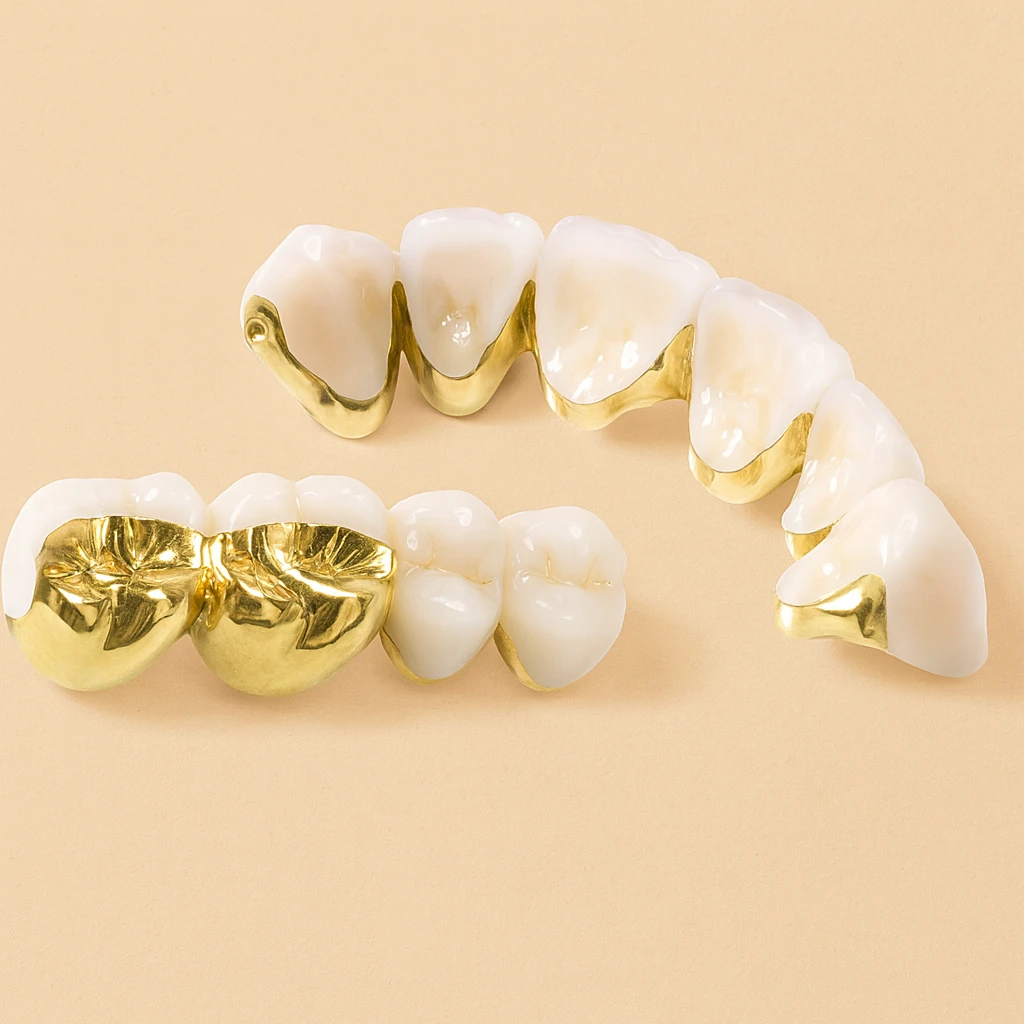
The high-noble alloys for D2790 crowns are generally composed of:
- Gold
- Palladium
- Platinum
- Minor alloying elements (silver, copper)
Key Material Advantages:
- Corrosion Resistance: Noble metals are not oxidized or degraded in the oral cavity.
- Biocompatibility: Very good gingival response with almost no tissue irritation.
- Ductility and Malleability: Makes it possible to have thin but strong restorations and high edge stability.
- Marginal Precision: High-noble alloys are cast with extreme accuracy.
- Occlusal Compatibility: Gold in the polished form causes very little wear of the opposing enamel.
Key Clinical Benefits of Choosing a D2790 Crown
Choosing a D2790 high-noble metal crown opens up a range of tried-and-tested benefits that directly lead to oral health and restoration success in the long run.
- Unrivaled Strength and Durability: High-noble alloys keep their structural strength under the great forces that occur in the region of the back of the mouth. Their uncommon mixture of strength and a small amount of ductility enables them to endure heavy chewing and parafunctional habits like bruxism without the creation of fractures. This is the reason why they are the right choice for patients who are in need of the most durable restoration available.
- Superior Marginal Fit for Long-Term Health: The high-noble metal casting procedure results in extremely accurate margins of a crown. This close contact between the crown and the tooth is very important in the prevention of microleakage; thus, it protects the tooth underneath from caries and helps the health of the surrounding gum tissue.
- Excellent Biocompatibility and Corrosion Resistance: The presence of gold and platinum in large quantities makes the alloys very stable even in the oral environment. They do not corrode, tarnish, or react with saliva, and they do not cause allergies thus, they are the perfect choice for patients with metal hypersensitivity.
- Less Tooth Preparation: Because of the high strength of high-noble alloys, dentists can do a less invasive tooth preparation. This means that less of your natural tooth structure will be removed to make space for a strong and durable crown.
- Predictable Long-Term Performance: There is extensive clinical research that supports the long-term success of high-noble metal crowns, with many of them lasting 20 to 30 years or more if taken care of properly. This achievement history gives the patients assurance for their restorative investment.
When is a D2790 Crown the Recommended Treatment?
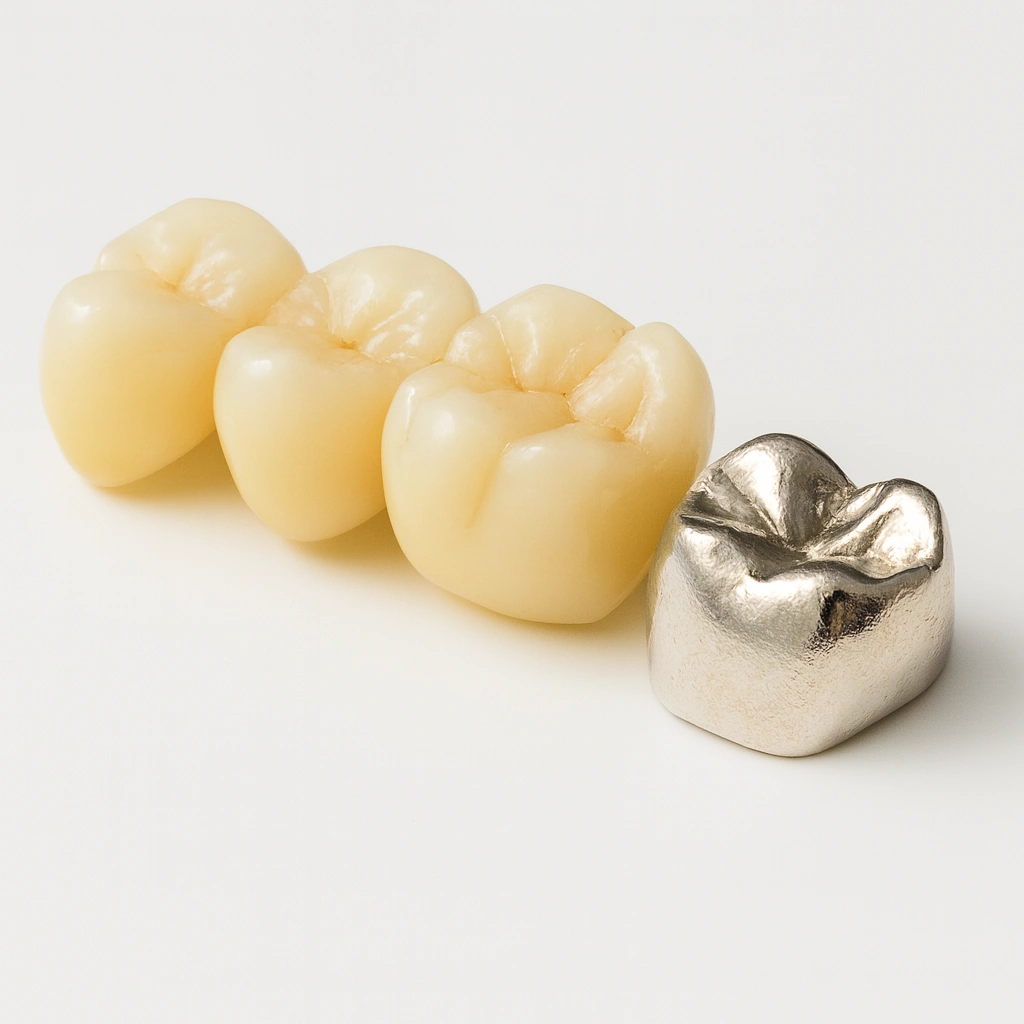
The use of a D2790 crown is suggested by dentists in such specific clinical conditions where its features provide the best option for the preservation of the tooth.
- Teeth Under Heavy Occlusal Stress: Molars and premolars that are the main chewers of the forces benefit directly from the incomparable strength of a high-noble metal crown.
- People with Bruxism or Clenching: In the case of individuals who grind or clench their teeth, the resistance to fracture and the ability to absorb the stress without breaking are reasons why the D2790 crown is the best protective choice.
- Teeth that are Severely Damaged Structurally: A tooth that has been weakened by a large fracture, serious decay, or a failing big filling needs the protection and strengthening of full coverage provided by a D2790 crown.
- Restoration of Endodontically Treated Teeth: Those teeth that have been through root canal therapy get more brittle. Usually, a D2790 crown is the restoration that is preferred to go around the tooth, thus preventing a fracture of the type that is disastrous and ensuring the root canal’s long-term success.
- Patients with Metal Allergies: High-noble alloy, as a hypoallergenic material, is the most secure metal for patients who are sensitive to nickel, chromium, or other base metals that may be found in some other types of crowns.
The Patient-Friendly D2790 Procedure: What to Expect?
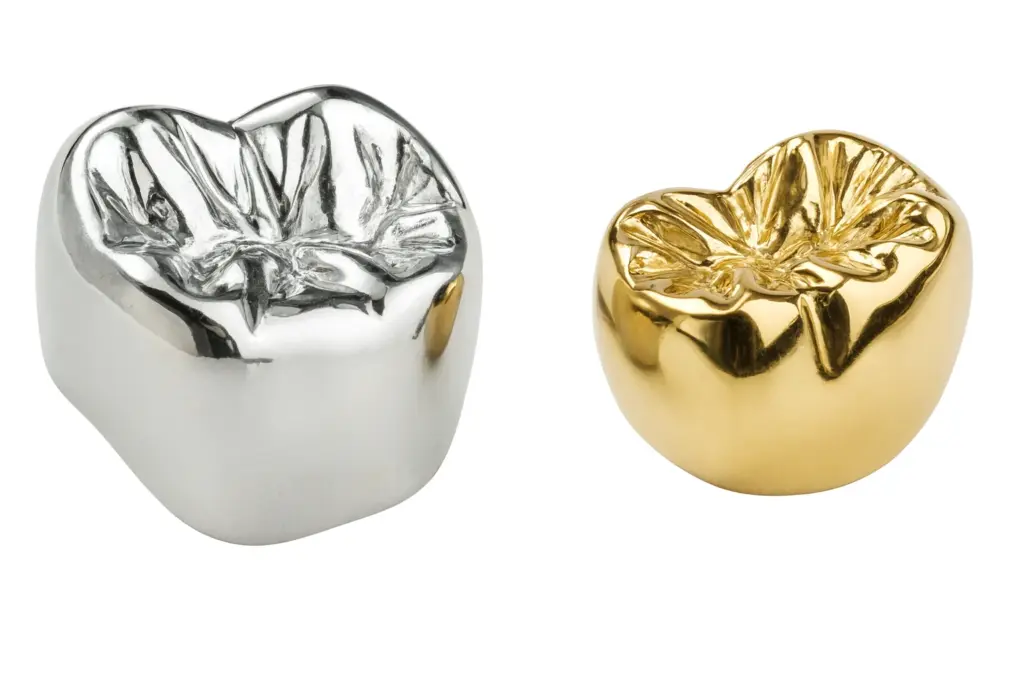
Getting a D2790 crown is a careful, predictable set of steps that usually takes two appointments to complete.
First Appointment: Tooth Preparation and Impression
- Complete Diagnosis and Anaesthesia: After looking through your X-rays and examining you clinically, your dentist will start the work. To make sure you are totally comfortable during the procedure, local anaesthesia is given.
- Accurate and Conservative Tooth Reshaping: The dentist will reshape the tooth very carefully to get the right space for the new crown. The aim is to take off the least amount of tooth structure and, at the same time, make sure that the crown will have a strong and stable fit.
- High-Precision Impression: A very precise impression of your prepared tooth is made either with a digital intraoral scanner or a traditional polyvinyl siloxane (PVS) material. This impression is the master plan for your tailor-made crown.
- Temporary Crown Placement: To protect the reshaped tooth, keep your bite, and give aesthetics, a temporary crown that fits well is placed until your permanent crown is ready.
Lab Fabrication: The dental laboratory receives your impression, where the technicians, skilled in precise casting, will use your high-noble metal alloy to fabricate your D2790 crown. After that, the crown will be polished to give it a smooth and shiny.
Second Appointment: Permanent Crown Placement
- Try-In and Evaluation: Temporarily, the crown is removed by your dentist, and the tooth is cleaned. The new D2790 crown is the closest fit, comfortable bite, and exact contact with adjacent teeth; the try-in is done carefully to confirm all these aspects by the dentist.
- Permanent Cementation: To make the union between your tooth and the crown permanent, a strong and durable dental cement is used by your dentist. Once any extra cement is taken off, your dentist will give you the final instructions for care.
How to Keep Your D2790 Crown Working for You for a Long Time
The outstanding longevity of a D2790 crown is mostly due to a collaboration between your dental team and your own diligent oral care.
- Maintain Impeccable Oral Hygiene: Use a soft-bristle toothbrush and fluoride toothpaste when brushing your teeth, and do it twice daily. Floss very well, especially around the crown area every day, and be sure you are doing it at the place where the crown meets the gumline so as to avoid plaque accumulation.
- Attend Regular Professional Check-ups: Be at your dentist’s disposal once every six months for a professional examination and cleaning. These visits give the opportunity to your doctor to keep an eye on the condition of the crown, your gums, and your bite.
- Use a Night Guard if Recommended: In the case you have the habit of clenching or grinding your teeth and your dentist’s recommendation for a night guard is strong, then get a custom-fitted night guard. To protect your natural teeth and the crown from excessive wear and force, this device is very important.
Conclusion: The D2790 Crown as a Time-Tested Solution for Lasting Oral Health
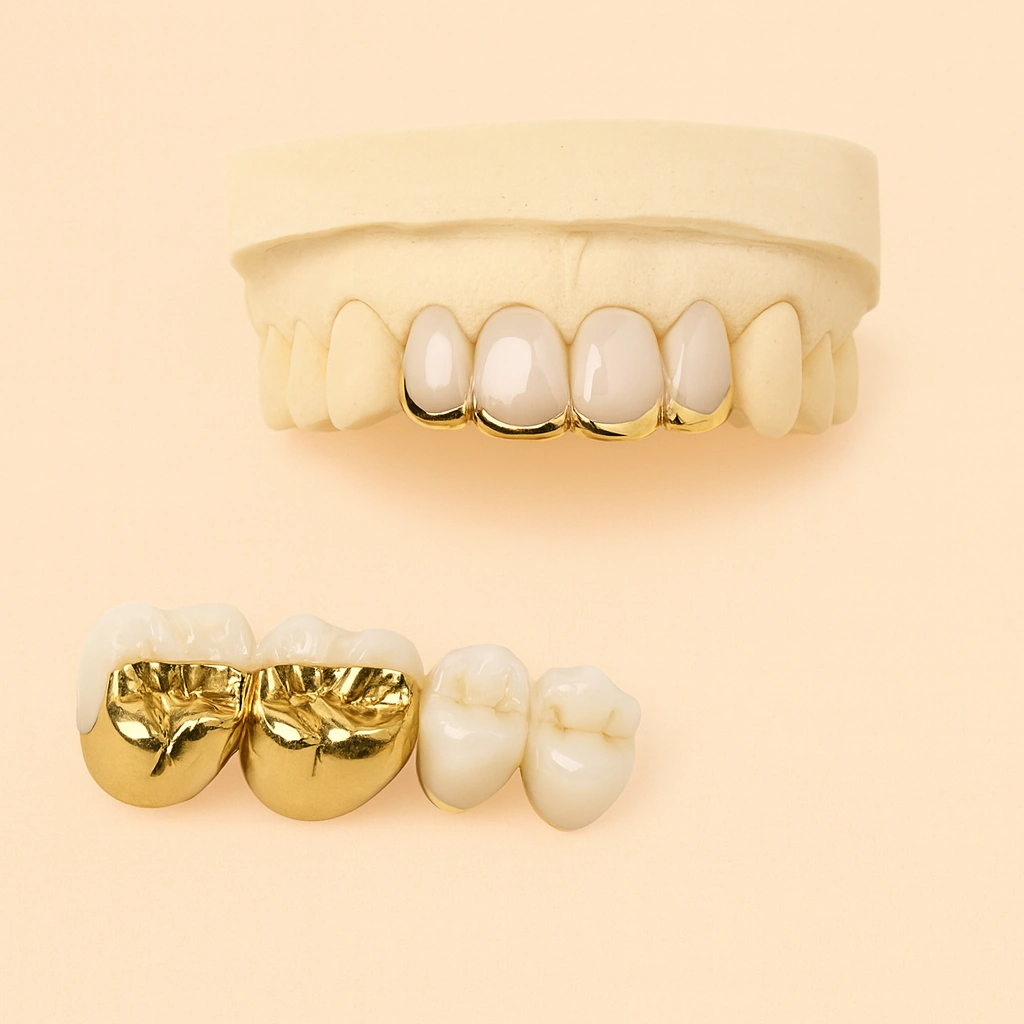
The D2790 dental code stands for a restorative option with a solid clinical success history. When opting for a high-noble metal crown, you are providing yourself with a restoration that is strong to an extent that has never been matched, accurately fitting, and exhibiting excellent biocompatibility. The intervention is very effective in preventing the vulnerable teeth from cracking, re-establishing them with their full function of mastication, and offering a foreseeable, long-term result. If your dentist has suggested using a D2790 crown, it is so as to give your tooth the most durable and reliable protection available, hence, securing your oral health for the coming decades.
Sources:
- American Dental Association (ADA). Current Dental Terminology (CDT).
- Sailer, I., Makarov, N. A., Thoma, D. S., Zwahlen, M., & Pjetursson, B. E. (2015). All-ceramic or metal-ceramic tooth-supported fixed dental prostheses (FDPs)? A systematic review of the survival and complication rates. Part I: Single crowns (SCs). Dental Materials.
- Christensen, G. J. (2001). The use of porcelain-fused-to-metal restorations in contemporary dental practice: A commentary. The Journal of the American Dental Association.
Frequently Asked Questions About Dental Code D2790
D2790 identifies a full cast high-noble metal crown fabricated entirely from an alloy containing at least 60% noble metal and a minimum of 40% gold. It is used when the restorative goal is long-term durability and optimal marginal adaptation.
Clinicians use D2790 crowns in cases of extensive coronal destruction, posterior teeth with high occlusal load, bruxism, endodontically treated teeth that require full coverage, and patients with hypersensitivity to base-metal alloys.
Polished high-noble alloys demonstrate minimal abrasiveness and are associated with significantly lower enamel wear than ceramics, making them highly suitable for patients with parafunctional habits.
While biomechanically superior, high-noble crowns are not typically selected for anterior regions due to their metallic appearance. They remain the gold standard for posterior functional units.
A D2790 crown is a single piece of solid, high-noble metal, making it exceptionally strong and durable. A PFM crown has a metal interior with a layer of tooth-colored porcelain fused over it. While PFM crowns are also strong and aesthetic, the solid metal construction of the D2790 provides superior fracture resistance in high-stress situations, such as for patients with heavy bites or bruxism.
High-noble alloys provide excellent ductility, castability, biocompatibility, and low wear against opposing enamel. Their chemical stability ensures long-term survival without corrosion or structural degradation.
A D2790 crown is typically placed on posterior teeth (molars and premolars), where it is not highly visible when you smile or speak. Its polished, gold-colored appearance is discreet and positioned for function rather than aesthetics.

