


An Extensive Guide to Posterior Composite Filling
Restorative dentistry has various procedures under its wings that are aimed at fixing damaged or decayed teeth. One of such common procedures involves the use of back teeth (posterior teeth) is denoted by the code D2392, meaning a posterior composite filling. This has become a widely used technique because of its beauty properties and long life, and it is a very efficient way of solving the problem of caries and, at the same time, maintaining a natural look.
If you have been given a recommendation for this treatment, understanding what it involves, the reasons for it, and the advantages it has for your dental health in the long run is your first priority. A complete guide like this one will help you understand everything about the dental code D2392, from the benefits to the procedure and even further.
What is the D2392 Dental Code?
D2392 dental code is the name of the dental procedure which indicates a posterior composite filling for the restorative treatment of the molars that are situated on the back of both the left and right sides, as well as the premolars with cavities. Composite resin fillings are made from a strong, tooth-colored resin, which is directly bonded to the tooth structure, thus making them the most aesthetically pleasing restoration choice for the patient. As opposed to metallic silver amalgam fillings, composite fillings adopt the natural hue of the tooth, thus making the detection of the fillings by color difference almost impossible.
The use of composite fillings to both anterior (front) and posterior (back) teeth has been widely accepted since they are still strong enough to be able to endure the pressure of chewing and biting. Hence, for patients who want a filling that will be similar to the natural color of their teeth but still be able to retain the strength, the D2392 code will be a perfect choice for posterior tooth restoration.
Why is the D2392 Procedure Necessary?

Whereas a posterior composite filling is what you need for a back tooth, a tooth decayed due to caries is such kind of a tooth, so the reason for which the filling is required is obvious. Back teeth, like molars and premolars, are the ones that are responsible for grinding food, and in the process, they experience very hard pressure. The latter teeth are also the most likely ones to develop cavities because they have more grooves and fissures, which are the places that can easily trap food particles and bacteria. Ill-treated cavities can become worse and cause pain, infection, or even tooth loss. The D2392 operation is necessary for the prevention of such problems by helping the restoration of the broken tooth with a strong and aesthetic filling.
In particular, the operation becomes very indispensable when the decay-causing hole is big enough to have an impact on the function of the tooth. D2392 represents the case of a posterior composite filling, which is the minimal intervention resulting in a tooth being able to function normally for chewing and grinding.
Who is a Good Candidate for a Posterior D2392 – Composite Filling?
A dentist may suggest a posterior composite filling to patients who have:
- Tooth Decay: Molar decay caused by plaque and bacterial buildup, leading to cavities.
- Cracked or Fractured Teeth: Teeth that are cracked and fractured due to a blow, a fall, or excessive force from grinding or chewing hard foods.
- Aesthetic Concerns: Patients who opt for a tooth-colored filling that is similar to the natural color of their teeth, mainly the front teeth, or any other area that is visible.
Your dentist will assess the damage and decide if a composite filling is the right treatment before the D2392 operation. If the decay is deep, your dentist may crown your tooth instead, as a crown can be more durable and protective in the long run.
Step-by-Step Breakdown of the D2392 Procedure

The steps for the D2392 technique for posterior composite fillings are pretty straightforward but a high level of accuracy is still required so as to make sure the filling fits well and is kept for a long time. Here is a rundown of the procedure:
1. Initial Consultation and Examination
The first phase of the D2392 operation is the careful examination of the problem tooth. To assess the extent of the cavity, X-rays might be used by the dentist and he can also check the general health of the tooth. The dental practitioner, through discussion, will indicate to you the various methods of solving the problem, and if the use of a composite filling is the right thing, they will set up the time for the operation.
2. Preparation of the Tooth
The dentist will numb the region around the problem tooth by injecting a local anesthetic when you are ready for the operation. This ensures comfort and the absence of pain throughout the treatment. Removal of the decayed part of the tooth will be done by the dentist after the region is numbed. Generally, a dental drill or laser is the instrument by which this is done. The intended aim is to get rid of all the decayed tissue and, at the same time, leave as much healthy tooth structure as possible.
3. Cleaning and Disinfection
Cleaning of the cavity is done by the dentist to get rid of bacteria and debris right after the removal of the decayed portion of the tooth. This step is very important in stopping the infection from going further and is also necessary to provide good adhesion of the composite material to the tooth. The cavity is then dried to enable the filling material to be at its best.
4. Application of the Composite Resin
The dentist will, therefore, start the work of putting the composite resin layer after another. A layer is put on the surface, and then it is hardened with the help of a special curing light. Each layer of the resin bonds with the tooth structure, and the restoration becomes strong and durable. The layering process is one of the ways the filling is made strong and the tooth function is effectively restored.
5. Shaping and Sculpting
If the composite resin is there to the last bit of the hardening stage, then the shaping is done by the dentist with reference to the natural shapes of the tooth. This is very important, among other things, in ensuring that the filling is not visually distinguishable from the rest of the tooth. The dentist will properly sculpt the filling to make sure it does not interfere with your bite or give you discomfort when chewing.
6. Polishing and Final Adjustments
After the shaping of the filling, the dentist will do the polishing to give it a smooth and natural look of the tooth. This helps the filling blend with the surrounding teeth, thus it is a smooth, aesthetic restoration. Together with that, your dentist will also check the occlusion to make sure the filling doesn’t interfere with how teeth come together. Any necessary adjustments will be made at this time if there are any.
7. Post-Procedure Care
Once the intervention is over, you are normally allowed to carry on with the usual activities. It is still a good idea to abstain from food or drink for approximately one hour to let the filling dry completely. Tips on the maintenance of your filling and dental health, among other things, will be given by the dentist as aftercare instructions.
Benefits of D2392 Posterior Composite Fillings
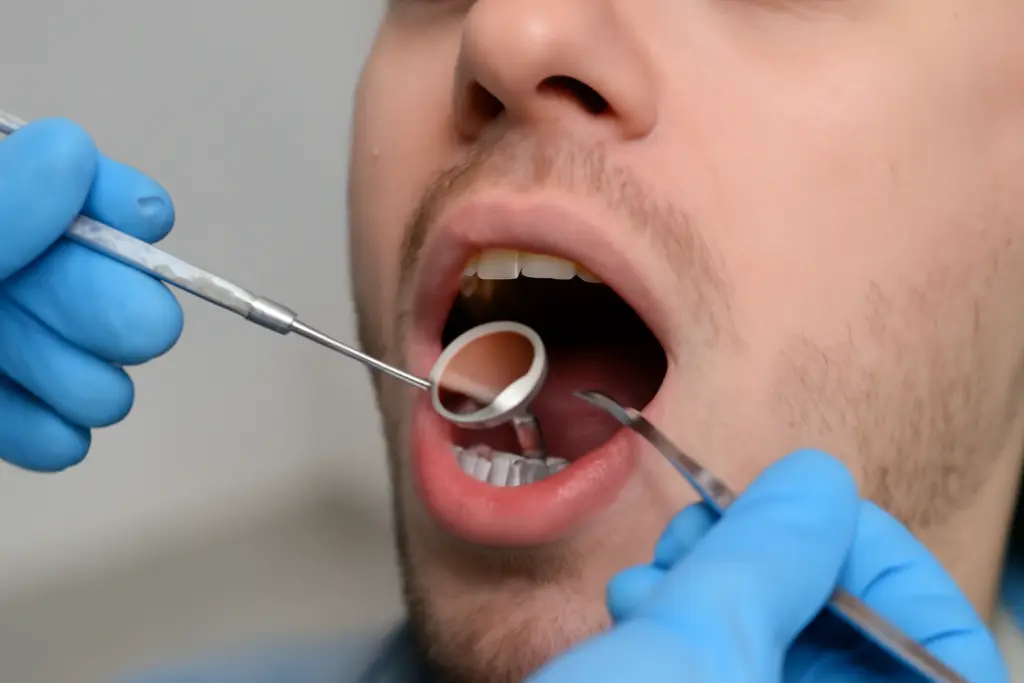
Patients who decide on D2392 posterior composite fillings are the ones to enjoy such benefits as these:
- Natural Appearance: The most outstanding benefit of composite fillings, among others, is their great value from the aesthetic point of view. Composite resin is color-matched to the natural shade of the patient’s teeth, hence the filling is almost totally invisible. This is especially helpful to those patients who worry about the look of metal fillings.
- Durability: Composite fillings, are they are strong enough to resist the acts of chewing and grinding, thus they can safely be placed on the back teeth, where mostly the pressure is. Even though they may not be as strong as metal fillings, composite fillings can have a life span of many year,s provided that they are well taken care of.
- Conservative Treatment: The D2392 operation is less aggressive than the use of traditional metal fillings. Because composite resin bonds directly with the tooth, the dentist is allowed to remove less healthy tooth material, thus more of the natural tooth is preserved.
- Less Sensitivity: Some patients, who have undergone composite fillings report less sensitivity as compared to those with amalgam fillings. This is because composite resin expands and contracts at a similar rate to natural tooth material, and the chance of suffering from discomfort is very low.
- Minimally Invasive: D2392 is a minimally invasive procedure as it only necessitates the removal of the decayed tissue, thereby the tooth structure around it remains intact. This is very significant for those patients who want to avoid extensive dental procedures.
How Long Do D2392 Composite Fillings Last?
Composites fillings are quite powerful; however the duration of such a filling is generally between 5 and 10 years. The amount of time for which the filling will last depends on factors such as the size of the cavity, the hygienic habits of the person, the location of the filling and whether the person grinds his/her teeth. In the case that your posterior composite filling is kept in good condition which means regular brushing, flossing, and dental visits, it will definitely be with you for many years.
Is D2392 Covered by Insurance?
Most dental insurance plans are willing to cover the costs of D2392 posterior composite fillings as a standard cavity treatment. Nevertheless, the coverage may vary depending on your specific plan, the extent of the damage, and the medical necessity of the treatment. To discover which costs are covered and whether you will have to pay some money from your pocket, it is always a good idea to talk to your insurance provider before you make an appointment for a procedure point.
D2392 Dental Code: Posterior Composite Filling
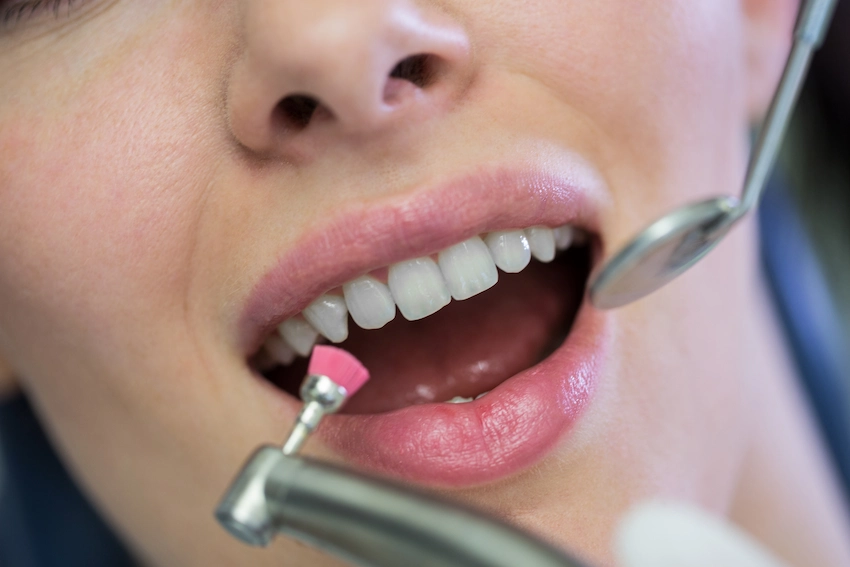
The D2392 dental code is a code that expresses the changes brought by a posterior composite filling in the patient’s record, a significant dental procedure to fill the caries in the back teeth. Aesthetically satisfying restoration or a durable solution to tooth decay, D2392 offers double functionality, which is still accompanied by a natural look. The least invasive of this kind of treatment may still give you results for quite a while if you take care of it properly; thus, it will make your smile strong and healthy throughout the years. In case of a composite filling, consultation with your dentist about the D2392 code is a good idea, and you will see how it can benefit your dental health.
Sources:
- American Dental Association (ADA). Current Dental Terminology (CDT 2024). American Dental Association, 2023. (The definitive source for code definitions and descriptors).
- Tyas, M.J., Anusavice, K.J., Frencken, J.E., & Mount, G.J. (2000). Minimal intervention dentistry—a review. *FDI Commission Project 1-97*. International Dental Journal, 50(1), 1-12.
- Van Meerbeek, B., De Munck, J., Yoshida, Y., et al. (2011). Buonocore Memorial Lecture. Adhesion to enamel and dentin: current status and future challenges. Operative Dentistry, 28(3), 215-235. (A foundational review on the principles of adhesive dentistry critical to composite success).
- Demarco, F.F., Corrêa, M.B., Cenci, M.S., Moraes, R.R., & Opdam, N.J. (2012). Longevity of posterior composite restorations: not only a matter of materials. Dental Materials, 28(1), 87-101. (A comprehensive review of factors affecting the lifespan of composite fillings, highlighting that clinical technique and patient factors are as important as the material itself).
Frequently Asked Questions About D2392 Dental Code
D2392 is the dental code for posterior composite fillings, a procedure used to restore cavities in the back teeth with a tooth-colored resin.
D2392 is needed when a cavity forms in the back teeth, and a composite filling is used to restore the tooth’s function and appearance, especially in visible areas.
With proper care, a D2392 composite filling can last between 5 to 10 years, depending on the size of the cavity and your oral habits.
Most dental insurance plans cover D2392 posterior composite fillings, but coverage may vary based on your plan and the extent of the cavity.
The D2392 procedure is typically painless as a local anesthetic is used to numb the area. Most patients experience little to no discomfort.
Maintain good oral hygiene by brushing and flossing regularly. Avoid chewing on hard objects and visit your dentist for routine check-ups to ensure the filling lasts.

