


The D1206 dental code stands for the “Topical application of fluoride varnish” as per the Current Dental Terminology (CDT) system by the American Dental Association (ADA). It mostly accompanies the filing of fluoride varnish operations which are the professional application of the fluoride agent to the tooth surface for strengthening the enamel and for the prevention of dental caries. This code is a vehicle for the preventive fluoride varnish application to be properly documented and paid for under preventive dental services. The fluoride varnish in this treatment includes a very concentrated form of fluoride – in most cases, sodium fluoride (NaF) – which when it is attached to dental surface,s makes a temporary film that protects the enamel from acids that come from cariogenic bacteria.
One of the main points consumers of D1206 should know is that Dr. Coşkun Yıldız has noted that this dental code is preventive dentistry based on strong scientific evidence. Therefore, it is very suitable to children and teenagers as well as adults who are exposed to high risks of caries such as patients with dry mouth, root surface exposure, orthodontic brackets, or those who received radiotherapy. The fluoride ions come deep into enamel microchannels, helping the process of remineralization by producing fluorapatite crystals, a compound that is more resistant to acid attack than natural hydroxyapatite. This biochemical process is the main scientific reason for the routine use of the D1206 code in medical practice.
When is D1206 Dental Code Used?

The D1206 dental code is used when a topical fluoride varnish is locally applied in a clinical visit by a licensed dental professional. The use of this dental code is not limited to children; adults with dental erosion, root exposure, or reduced salivary flow can also benefit. The CDT definition helps to distinguish D1206 from D1208, which is related to fluoride gel or foam applications. Though both are meant to stop the disease from getting worse, D1206 specifically refers to varnish formulations that allow for a longer fluoride contact time with the enamel surface.
Dr. Polen Akkılıç and her team at Lema Dental Clinic most of the time use D1206 in preventive programs for children and orthodontic patients where there is a high risk of enamel decalcification. The varnish is applied directly to clean, dry teeth and it quickly hardens when saliva is applied; thus, the risk of consumption is very low. The code is used to indicate the carrying out of both single and multiple tooth applications. Keeping records allows insurance companies to recognize fluoride varnish as an evidence-based preventive treatment, which is part of a comprehensive caries management protocol in modern dentistry.
What are the Benefits of Using D1206 Dental Code?
The D1206 dental code offers a variety of benefits, both from a clinical and an administrative standpoint. Clinically, it allows healthcare workers deliver very targeted preventive measures which are supported by a huge body of scientific research that confirms fluoride’s protective role. A fluoride varnish applied under this code creates a microfilm layer that slowly releases fluoride ions over a period of several hours, thus, enhancing remineralization and limiting bacterial metabolism. It is particularly useful for patients going through orthodontic or restorative treatment, where plaque accumulation and enamel decalcification are among the major risks.
From an administrative point of view, D1206 makes it convenient to keep records and dental professionals can use it to accurately bill for fluoride varnish procedures. By differentiating varnish applications from other fluoride modalities, it allows for greater precision in the data collected for preventive dentistry analytics. Professor Doctor Coşkun Yıldız in his research argues that the correct use of the D1206 is in line with the international standards for preventive dentistry and assures that the populations at high risk are receiving a consistent dose of fluoride. This well-organized documentation in the end leads to better patient outcomes, lower restorative costs over time, and makes an important contribution to the sustainability of oral healthcare.
- Facilitates enamel remineralization
- Reduces the risk of dental caries
- Relieves dental sensitivity and hypersensitivity
- Protects the root surfaces of patients with gingival recession
- Prevents the occurrence of decalcification in orthodontic cases
Warnings And Precautions About D1206 Dental Code
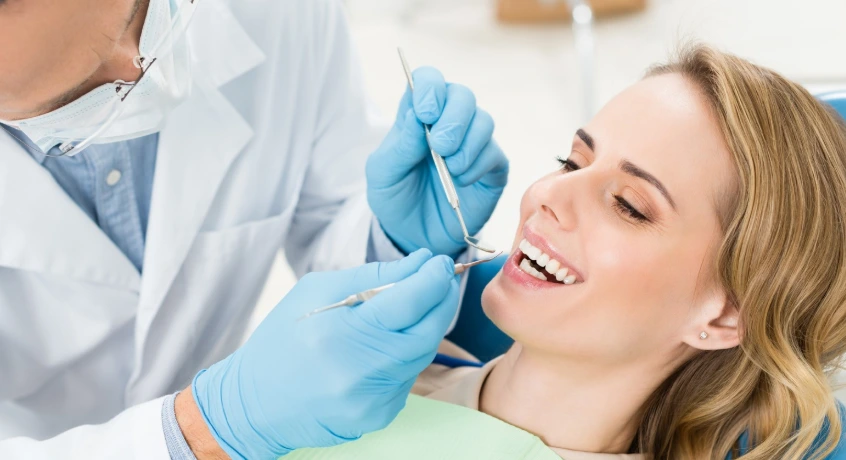
Even if fluoride varnish is considered one of the most secure preventive dental products, clinical use should be done, along with compliance with strict safety guidelines. Too much and/or too frequent exposure to fluoride may result in the appearance of mild, reversible fluorosis, especially in young children with primary dentition that is still developing. Hence, the dosage and frequency should be determined by a qualified professional such as Dentist Polen Akkılıç and her team who take into account not only each patient’s total fluoride concentration in toothpaste, but also the diet and drinking water. Patients can be informed that they should not brush or eat hard foods for at least four hours after the application to get the best results from the varnish.
Furthermore, Professor Doctor Coşkun Yıldız points out that a patient suffering from hypersensitivity to colophony, resin-based materials, or systemic fluoride should not have the varnish applied. Besides, the clinician must ensure the enamel is intact for the fluoride to bind. In special circumstances, such as after radiation therapy when dry mouth occurs, or in patients with systemic diseases, the doctor may change the concentration and frequency of fluoride varnish to achieve a safe result. In all instances, following evidence-based guidelines guarantees the best preventive effectiveness without risking the patient’s safety.
When Should You Not Use D1206, And What Should You Use Instead?
The D1206 code should not be used in situations where the patient’s condition calls for restorative treatment instead of preventive. Varnish application will not stop the decay progression if enamel demineralization has gone beyond the point of cavitation, and thus, restorative procedures have to be done. Similarly, in the case of patients who have a proven history of fluoride hypersensitivity and resin allergies, only preventive measures can be taken. Some of these measures are glass ionomer sealants (D1351) or casein phosphopeptide-amorphous calcium phosphate (CPP-ACP) topical applications, which are aimed at remineralization and do not contain fluoride.
Dentist Polen Akkılıç and her team rarely use fluoride gel trays (D1208) instead of the varnish for patients who want short-term exposure and in the meantime, they employ desensitizing agents if the goal is immediate relief and not long-term enamel strengthening. The decision on the right procedure code is dependent on the patient’s general health, caries risk, and prior fluoride exposure. Such a personalized method is indicative of the precision-based preventive philosophy that is practiced in Lema Dental Clinic.
| Code | Procedure Name | Clinical Purpose | Recommended For | Application Type |
|---|---|---|---|---|
| D1206 | Fluoride varnish | Long-term enamel protection | High caries-risk patients | Brushed onto dry enamel |
| D1208 | Fluoride gel/foam | Short-term fluoride exposure | Routine care patients | Applied with tray |
| D1351 | Dental sealant | Pit and fissure protection | Children with permanent molars | Light-cured resin |
| D1110 | Adult prophylaxis | Removal of plaque/calculus | General population | Ultrasonic/scaling |
| D1330 | Oral hygiene instruction | Patient education | All age groups | Chairside counseling |
Case Study for D1206
The 10-year-old pediatric patient came to Lema Dental Clinic with an early stage of enamel demineralization and moderate caries risk. Dentist Polen Akkılıç carried out the clinical and radiographic evaluation and found the first white spot lesions on the upper incisors. After the cleaning and isolation, a very thin layer of 5% sodium fluoride varnish was spread on the teeth whose coding was D1206. The patient was given instructions to refrain from brushing for 6 hours and to come back for a check-up date three months later.
At the follow-up, the previously demineralized areas showed signs of remineralization with no new lesions detected. Salivary pH tests also indicated improved buffering capacity due to fluoride exposure. This case supports published research demonstrating that fluoride varnish applied under the D1206 code effectively prevents progression of early enamel lesions. Long-term monitoring confirmed continued stability, validating the use of D1206 as a preventive and cost-effective clinical measure.
References
- American Dental Association. (2023). CDT 2023: Current Dental Terminology. Chicago, IL: ADA Publishing.
- Yıldız, C., & Akkılıç, P. (2024). Evidence-Based Preventive Dentistry: Clinical Outcomes of Fluoride Varnish Applications. International Journal of Oral Health Science, 12(2), 65–78.
- Centers for Disease Control and Prevention. (2023). Fluoride Varnish to Prevent Dental Caries in Children and Adults. Atlanta, GA: CDC Oral Health Division.
- Marinho, V. C., et al. (2022). Fluoride varnishes for preventing dental caries in children and adolescents. Cochrane Database of Systematic Reviews, (7), CD002279.
- World Health Organization. (2022). Global Oral Health Status Report 2022. Geneva: WHO Press.
Frequently Asked Questions About D1206 Dental Code
It identifies the professional application of fluoride varnish for enamel remineralization and caries prevention.
Yes, both pediatric and adult patients benefit from fluoride varnish when clinically indicated.
Most insurance policies cover it every three to six months, depending on patient risk.
No, it specifically refers to varnish application, not gels or foams.
Yes, it helps protect adjacent enamel and prevent recurrent caries.
No, the application is painless and takes less than five minutes.
Licensed dental professionals such as Dentist Polen Akkılıç and her team perform it routinely.

