


Trying to understand the information on dental bills and treatment plans can be very confusing, like the entries under “D0140” appearing in a mysterious language. You receive such a document and ask yourself what kind of service I have gotten and how it is necessary for my health? This manual clears up the bewilderment by giving a detailed and clear-cut explanation of the American Dental Association (ADA) Dental Code D0140.
Knowing this code enables you to be a part of solving the healthcare problem, which is you, by getting involved and informed. We first look at what an examination under D0140 actually means. Then we differentiate it from other routine check-ups, show why it is of vital importance to your well-being, and finally, list the things you can expect at this health examination.
What is the D0140 Dental Code? A Detailed Description

The American Dental Association assigns the dental code D0140 to a “limited oral evaluation – problem focused.” This category refers to a single, professional dental assessment that you are given when you have a dental question or symptom. To confirm the diagnosis of a known or even a suspected dental problem, the dentists carry out this examination; hence, it is a targeted, diagnostic visit, not a general, routine one.
Such a focused examination is different from a comprehensive new patient exam (D0150) or a periodic oral reevaluation (D0120). The D0140 evaluation is the doctor’s response to your main complaint. Probably the pain in a certain tooth, sensitivity to hot or cold, a fractured restoration, or swelling of the gums. The dentist takes a very close look at the area causing the problem and may even carry out certain diagnostic tests to figure out the exact reason for the trouble and, consequently, to recommend the right treatment. Besides solving the immediate problem, this accurate approach results in the diagnosis of the correct illness and in the patient getting an effective and efficient treatment plan.
D0140: Breaking Down the “Limited Oral Evaluation – Problem Focused”
The code’s very name gives a very clear outline of the service’s objectives. The main parts of the code give us a complete picture of the service when analyzed:
- Limited: This word denotes that the region under consideration for the examination is specified and directed. It does not signify a lack of thoroughness or professional care. It rather indicates that the dentist is concentrating his/her clinical proficiency in a certain part of the mouth which you have shown as problematic. Such a focused scope allows for a complete but efficient investigation of the issue without the collection of data from the whole mouth.
- Oral Evaluation: This lets us know that the service was a professional diagnostic assessment performed by the dentist. It was a clinical examination, not a prophylactic cleaning. The evaluation embraced the dentist’s professional judgment, visual inspection, and consideration of diagnostic data in coming up with the diagnosis for the patient.
- Problem Focused: This is the most important part of the description, which identifies the reason and the limits of the appointment. You came to the dentist with a certain problem – a symptom or a noticeable change in your oral health. The dentist’s task is to focus on that problem, find out its source, and decide the most effective and conservative ways of treating it to solve. Hence, this patient-centered approach provides the immediate concern with the care it deserves.
When Do You Need a D0140 Exam? Identifying Common Scenarios
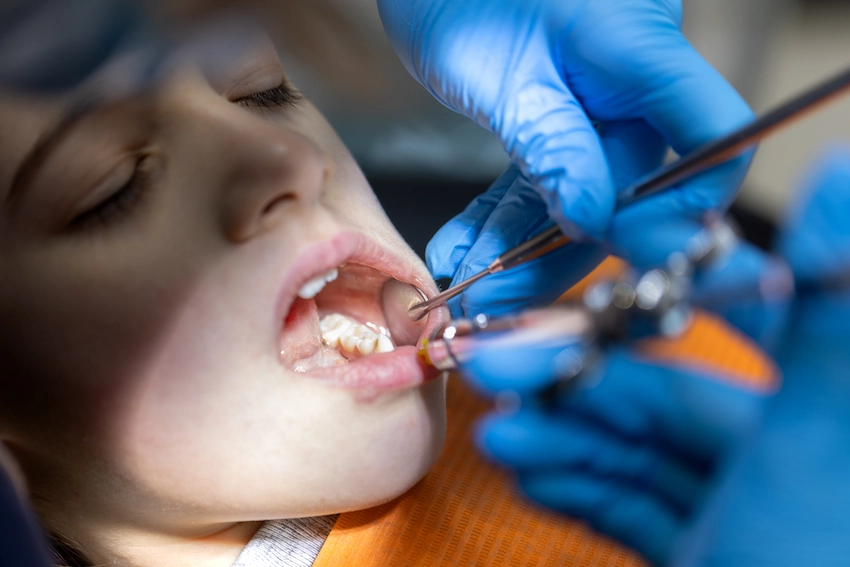
It is the dentist’s recommendation that you should have the D0140 evaluation done when you have a certain concern. If you have any of the symptoms or troubles mentioned below, calling for such an appointment is the right and necessary step:
- Toothache or Dental Pain: If a tooth is painful in any way, a professional check-up is definitely needed to find the source, which can be decay, an abscess, a crack, or pulp inflammation.
- Sensitivity: If the sensitivity to hot, cold, or sweet makes the person uncomfortable or the intensity of the sensitivity increases, it may be a sign that the dentin is exposed, that a cavity, a leaking filling, or receding gums is the source of the problem. A professional diagnosis is always necessary.
- Trauma or Injury: In case of a blow to the mouth resulting in a tooth that is chipped, cracked, or loosened tooth, a D0140 exam helps the dentist to locate the injury and determine if the tooth needs to be supported.
- Broken or Damaged Dental Work: The loss of a crown, the breaking of a filling, or a damaged bridge situation-focused examination is required to check the support of the tooth and make a decision on the correct repair or replacement.
- Swelling or Discomfort in the Gums: Swelling that comes from only one spot, a bump on the gums (an abscess), and bleeding that happens on one side are the signs of infection or periodontal issues that require a targeted diagnosis.
- Follow-Up on a Specific Treatment Area: If your dentist is going to come back to see the site that has already been treated—for instance, the extraction socket healing process or the condition of a particular periodontal pocket—then a D0140 is the right code.
The D0140 Procedure: What to Expect During Your Visit
You can expect a very targeted and quick visit designed to correctly diagnose your main complaint when you come for a D0140 appointment. Usually, the process is like this:
- Discussion of Your Concern: The dentist meets you at the first stage of the visit. The description of your symptom is done by you. You tell the place, the nature, the time, and the factors that cause your pain or concern. Giving clear and correct information is very important if the diagnosis is to be right.
- Focused Clinical Examination: Following this, the doctor performs a visual and tactile examination of the area that you have pointed out. The dentist looks at the tooth or teeth that are problematic, the gums around them, and the restorations, like fillings or crowns, if present.
- Targeted Diagnostic Tests: The dentist conducts specific tests to ascertain a diagnosis based on the first visual check. Almost all the time, these tests include a dental radiograph (X-ray) showing the parts of the tooth causing the problem, the roots, and the bone levels, thus locating the problem. Besides that, the dentist may use vitality testing (heating or cooling the nerve to check its health) and percussion testing (tapping on the tooth lightly to detect inflammation).
- Diagnosis and Treatment Plan Presentation: Having gathered all the necessary information, the dentist then discusses his diagnosis with the patient in simple terms. And after that, the treatment options are presented to you, highlighting the benefits, procedures, and costs for each way of resolving the issue. You will be allowed to ask questions and take part in choosing your care plan.
D0140 vs. Other Common Dental Exam Codes: A Clear Comparison
It is very important to know how D0140 differs from other evaluation codes in order to understand your dental bill.
| Code | Description | Primary Purpose | Typical Use Case |
|---|---|---|---|
| D0140 | Limited Oral Evaluation – Problem Focused | Diagnose a specific, existing problem | Emergency visit for a toothache, broken tooth, or lost filling. |
| D0120 | Periodic Oral Evaluation | Preventive maintenance and broad health check | Routine six-month check-up for an established patient. |
| D0150 | Comprehensive Oral Evaluation | Establish a complete baseline of oral health | First visit for a new patient to the practice. |
| D0160 | Detailed & Extensive Evaluation | Diagnose a complex, multifaceted problem | Planning for major restorative or periodontal work. |
The Importance of a D0140 Exam: Proactive Care for Lasting Health

D0140 evaluation is the very first step in a patient’s oral health care taken in a proactive manner. Such focused diagnostic service offers a number of advantages to the patient’s immediate comfort and also long-term well-being:
- Delivers a Precise Diagnosis: The patient is moved from the state of “having pain” to “knowing the cause of the pain.” An accurate diagnosis is the indispensable foundation for all dental treatments that are effective and successful.
- Prevents Condition Deterioration: Via D0140 exam, a small cavity, a cracked cusp, or a mild infection can be dealt with at an early stage, thus stopping the issue from becoming a serious, painful, and costly one, e.g., a root canal or tooth loss.
- Creates an Efficient Treatment Pathway: The dentist, by focusing on the issue, can work out a direct and efficient plan for its resolution, which, ultimately, will be time, discomfort, and money saving for the patient.
- Gives You Power of Knowledge: By getting educated on the particular condition causing the problem, being told about the available treatment options, and receiving guidance on how to take steps to prevent recurrence, you become a partner in your own care.
Understanding Insurance and Costs for D0140
A dental insurance plan normally covers D0140 evaluations; however, the extent to which the expenses are borne by the insurer changes. Most schemes identify the procedure as a diagnostic or basic service, usually accompanied by a high percentage (e.g., 80-100%) after the deductible has been met, thus they offer good coverage for D0140.
One must always keep in mind that coverage depends on the conditions of the specific plan. It is best to know the benefits by talking with the insurance company before the appointment, so that you understand any costs that you may still have to pay. Therefore, paying for a D0140 exam is financially wise as it takes care of the problem at an early stage before it needs a big and costly intervention.
Conclusion About D0140: Your Partner in Targeted Dental Health

The D0140 dental code marks the identification stage in the structured, patient-centered approach of modern dentistry. It is basically the organized method your dentist implements to locate, most likely with minimal and accurate records, your urgent oral health needs. Realizing that this “limited oral evaluation” is a focused, professional, and essential diagnostic service should give you the right to care at once dental problems when they occur.
Do not ever think twice about booking an appointment D0140 if you have a specific problem; in fact, it is the easiest way to get discomfort relieved, complicated problems stopped, and a sparkling smile preserved for a long time. Your dental provider should always be the person to consult first regarding your diagnosis and treatment.
Sources:
- American Dental Association. (2023). Current Dental Terminology (CDT). Code D0140: Limited oral evaluation – problem-focused.
- American Dental Association. (2023). Guide to Dental Procedures and Codes.
- WebDMD. (2023). Dental Procedure Code Lookup and Definitions.
Frequently Asked Questions (FAQs) About D0140 Dental Code
The D0140 dental code describes a limited oral evaluation that is problem-focused. This examination allows your dentist to diagnose a specific dental concern you have reported, such as tooth pain, sensitivity, or a broken restoration. This targeted assessment ensures you receive an accurate diagnosis and a clear treatment plan to effectively resolve your immediate issue.
Dentists can bill D9110 (palliative treatment) and D0140 together when these are separate and distinct services. Your dentist first performs the D0140 evaluation to diagnose the problem. If the treatment provided is a minor, immediate procedure to relieve your pain—such as smoothing a sharp tooth edge or placing a sedative dressing—this constitutes the D9110 service. Billing both codes correctly reflects the comprehensive care you received: the diagnosis of your concern and the immediate relief of your symptoms.
You should use the D0140 code for a dental visit that focuses specifically on diagnosing a known or suspected problem. This includes concerns like a toothache, sensitivity to temperature, a chipped or cracked tooth, swelling in your gums, or a lost crown or filling. This code is the correct choice whenever the primary purpose of your appointment is to investigate and identify the cause of a new or recurring symptom.
Dental code D0140 means you received a “limited oral evaluation – problem focused.” This signifies that your dentist conducted a professional examination concentrated on a specific dental issue you brought to their attention. The service includes a detailed assessment of the problem area, necessary diagnostic tests like a focused X-ray, and the formulation of a diagnosis, all dedicated to resolving your chief complaint.
The difference between the D0140 and D0150 codes lies in the scope and purpose of the examination. The D0140 is a limited, problem-focused evaluation to diagnose a single, specific issue like a toothache. In contrast, the D0150 is a comprehensive oral evaluation used typically for new patients to establish a complete baseline of their oral health through a full-mouth examination, extensive x-rays, and periodontal charting. One addresses an immediate concern, while the other provides a full health overview.
A dentist can bill for a D0140 procedure as often as necessary, based on your specific dental health needs. There is no set calendar limit for this code. Its use is determined by the occurrence of new, distinct dental problems that require a focused diagnosis. Each unique issue, such as a new pain in a different tooth or a separate broken filling, justifies its own D0140 evaluation to ensure each concern receives an accurate diagnosis and proper care.

