


Implants are rarely rejected.
Dental implants are a widely chosen and successful treatment for tooth replacement. They are meant to work just like natural teeth, offering durability, stability, and a pretty smile that lasts a long time. Yet, a lot of patients wonder if the body, or more precisely the mouth, can actually “reject” a dental implant. Even though implants generally get along well with the body, there can be some very rare cases when problems occur and an implant stops working properly.
We will discuss in this blog post whether it’s possible for your mouth to reject an implant, what determines the success of implants, and how you can minimize the risk of issues occurring.
Implant Rejection – What Does It Mean?
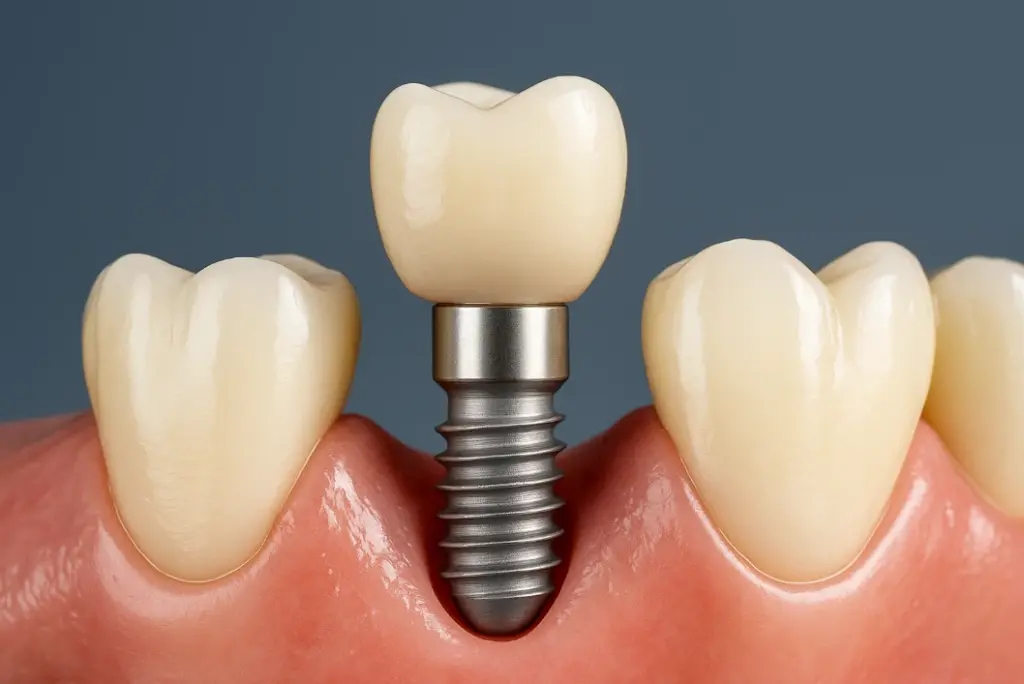
The phrases like “body rejects the implant” are often used to describe the failure of the implant when it is not able to appropriately bind with the bone of the jaw. It is not exactly true though that the body “rejects” the implant the same way as it would reject an organ transplant. Implants are typically very compatible with the human body, but there might be very remote instances when complications arise and an implant no longer functions properly.
We will go through some aspects in this blog post such as: is it possible for your mouth to reject an implant, what are the factors that determine the success of implants, and how do you reduce the risk of troubles arising. Properly fusing with the bone.
This method, known as osseointegration, is how the implant becomes stable and is able to function as a replacement for a natural tooth. If this is not done properly, it can lead to the failure of the implant, thus resulting in complications and the replacement of your implant.
Common Causes of Implant Failure
Although dental implants are successful in most cases, there are several elements which can cause failures and these are:
Infection Around the Implant
Peri-implantitis, which is an infection around the implant area, is probably the most important reason of failure. Such an infection could lead to inflammation and the destruction of the bone and thus, the healing might be hindered. A surgical site infection may sometimes be caused by bacteria and if the dentist does not treat it the implant can be lost.
Insufficient Bone Density
Dental implants need a healthy jawbone with enough volume in order to work properly. If there is not enough bone for the implant to be firmly fixed, the implant may not integrate with the bone. Hence, bone grafting surgery can be done in some cases. However, when it comes to a seriously reduced amount of bone, it is better to refrain from getting an implant.
Implant Movement or Misalignment
When the implant is not put in properly or it shifts after being placed, that may stop it from getting to the bone properly and bonding firmly. Implant failure may occur if the implants are in the wrong place and it is very likely that the patient will suffer from pain or discomfort due to this. Therefore, a dental surgeon who’s experienced and a carefully planned procedure will help assure the implant is positioned correctly.
Smoking and Negligence in Oral Hygiene
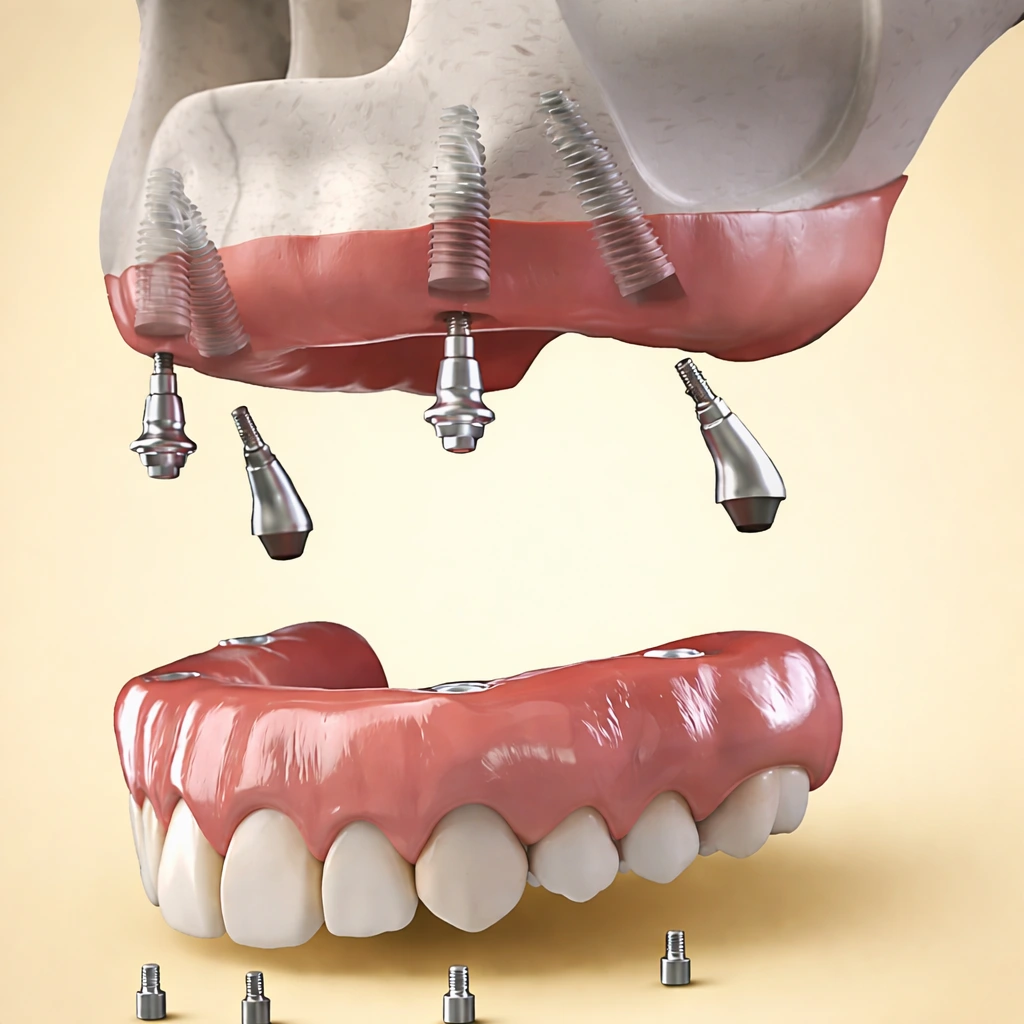
It is no secret that smoking is one of the main reasons why patients lose their dental implants. Healing will be delayed and blood flow to gums and bone will be limited because smoking causes vasoconstriction. The latter can contribute to infections and the implant being rejected. To the same extent, if oral hygiene is very poor, the risk of experiencing infections in the area surrounding the implant is heightened and this may also lead to complications.
Health Problems
Some medical conditions like uncontrolled diabetes or autoimmune diseases can hamper the body’s healing process and thus raise the risk of failure of your dental implant. Be aware of the fact that your dentist will want to be informed about your medical history and you should get any health problems that are out of control checked before going for implant surgery.
How to Tell If an Implant Is Failing
Sometimes, there are clear indications that implants don’t work well with the body. Such problems are typically accompanied with the following signs being present:
| Symptom | Possible Cause |
| Pain or discomfort | This can be a sign of infection, the healing wasn’t proper or there are some other complications. |
| Swelling or redness | It is a usual response to the healing process, however, if the swelling persist or gets worse, it should be treated. |
| Loose implants or change in the implant’s alignment | These could be signs of the implant failing or that the process of osseointegration was not sufficient. |
| Gum recession around the implant, metal post exposure | Risk of implant infection or bone loss around implant. |
You should notify your dentist immediately if any of these problems arise. Often the implant can be saved and further issues avoided if treatment is started early.
How to Prevent Implant Failure and Have Successful Dental Implants in Turkey
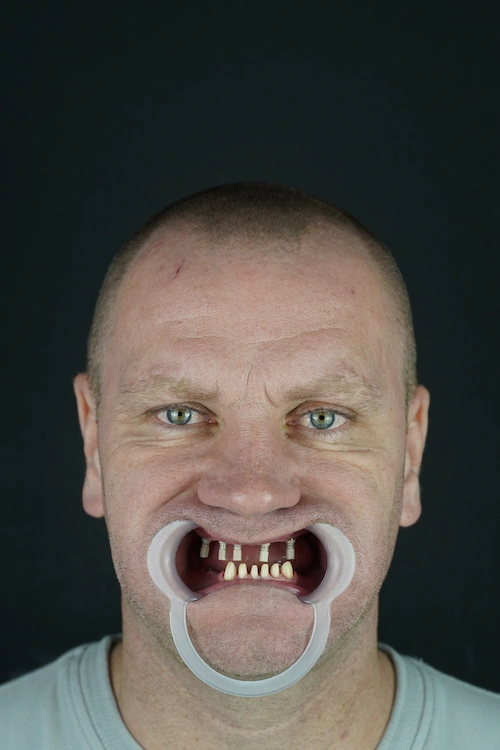

Common causes of implant failure are infection, incorrect positioning, bone-related problems, or unhealthy habits. Lema Dental Clinic is providing its patients with premium results by cutting-edge technology. This is what you get from us:
1. High-Quality Implant Materials
The implant we use is made out of titanium which is very strong and is naturally combined with the bone such that the implant stays stable for a very long time.
2. Excellent Quality Prosthetics
We manufacture our dental prostheses using materials like zirconia or porcelain which are not only extremely durable but also very natural in appearance and highly resistant to normal wear and tear.
3. Sophisticated Technology
We are using 3D imaging as well as computer-optimized surgery for implant placement so that the risks are decreased and the results are guaranteed to be optimal.
4. Individualized Treatment
A custom-made treatment plan is prepared for each patient to address their individual needs and achieve desired outcomes.
5. Continuous Aftercare
Besides providing clear post-op guidelines we also set up follow-up visits to make sure that the healing and the osseointegration of the implant are going well.
At Lema Dental Clinic, we combine the best materials, technology, and personalized care to help you achieve a lasting, healthy smile.
Frequently Asked Questions About Dental Implants
While your mouth doesn’t technically “reject” implants, they may fail due to factors like infection, bone loss, or misalignment.
Follow your dentist’s instructions, maintain good oral hygiene, avoid smoking, and ensure any health conditions are well-managed.
Pain, swelling, gum recession, and loose implants are common signs that may indicate implant failure.
Yes, dental implants are safe and have a high success rate when placed by a qualified professional.
With proper care, dental implants can last many years, often 10-15 years or more.
Esposito, M., & Grusovin, M. (2020). Immediate Loading of Dental Implants: Clinical Outcomes and Considerations. Journal of Oral Implantology, 47(1), 22-30.
Sakkas, S., & Kotsakis, G. (2019). Dental Implants and Oral Hygiene: Ensuring Longevity and Reducing Complications. Clinical Implant Dentistry and Related Research, 21(3), 348-357.
LEMA Dental Clinic (2024). What to Expect After Dental Implant Surgery. Retrieved from LEMA Clinic Website.

