


Small teeth not only affect the visual aspect of the teeth. The size of the teeth has a direct impact on the bite alignment, chewing efficiency, speech articulation, as well as the stability of oral health in the long run. Quite a lot of adults realize that their teeth look shorter, narrower, or are disproportionately small compared to their face. These changes, in most cases, become more and more evident with age.
With the help of cosmetic dentistry in Turkey, one can get evidence-based and predictable solutions that not only change the size of the teeth but also keep the natural dental structures intact. The current methods are more about achieving functional harmony, long-term oral health, and naturally looking aesthetic results rather than just making the teeth bigger.
The article talks about what small teeth are, the reasons behind small teeth in adults, the ways dentists identify the issue, and which cosmetic dentistry treatments are a safe, long-lasting, and clinically reliable solution.
What Does Having Small Teeth Mean?
Small teeth, or microdontia as it is known in medical terms, is a relative tooth size discrepancy that describes a situation where one or more teeth look smaller than suitable for a person’s jaw size, facial proportions, or age. Dentists while diagnosing this condition do not only depend on the millimeter measurements. Instead, they determine the size of the tooth compared to the neighboring teeth, gum level, lip position, smile width, and jaw dimensions.
If teeth look smaller, there is a high likelihood that the spaces between them will be visible. Such places are also those that make it easier for dental plaque to be deposited and for food to accumulate, and these are the reasons for gingival inflammation and dental caries. Moreover, when the size of a tooth is not properly proportioned to the size of the jaw, the stability of the bite may be decreased. Such an imbalance can cause, uneven tooth wear, jaw discomfort, or temporomandibular joint strain over time.
Dentists differentiate between true microdontia, in which the tooth is smaller, and relative microdontia, in which the teeth are of normal size but look small due to a larger jaw or more gingival display, by recognizing the different signs. A correct diagnosis is the foundation of the right cosmetic and functional treatment plan.
Types of Small Teeth in Adults

Dentists have divided small teeth into three major groups that are based on clinical manifestations.
Generalized microdontia, which affects the whole set of teeth, is still a very rare case. Most times this condition is attributable to genetic or developmental disorders and hence the treatment has to be planned by advisedly different medical specialists.
Localized microdontia is the condition where only one or a few teeth are affected, mostly the upper lateral incisors. These teeth seem to be peg-shaped, are very narrow, or are shortened and thus disrupting smile symmetry and tooth proportions.
Relative microdontia is a situation where teeth are normal in size but the jaw is larger than usual. This aberration of sizes causes the teeth to look small and thus the creation of space between teeth.
Knowing exactly which type of small teeth one has enables a dentist to suggest treatments that not only make the teeth look nice but also work better and the oral health will be stable in the long run.
Why Do Adults Have Small Teeth?
Several medically recognized factors account for small teeth in adults. Where a few of the factors come from the time of tooth development, others extend gradually over time.
Genetics is the predominant factor that decides the size and shape of the teeth. These are the traits that are passed along from one generation to the next. A person with close family members who have narrow or small teeth is very likely to get the same dental characteristics.
Tooth wear is one of the major causes of visible tooth length reduction. Bruxism, which is the technical term for teeth grinding, slowly but surely removes the enamel and at the same time it flattens the tooth edges. Erosion of the tooth caused by the acid in food, beverages, or gastric reflux speeds up the removal of enamel and is also responsible for short teeth.
Gum recession leads to more tooth root exposure while at the same time it decreases the visible crown height. Periodontal disease is still among the most common reasons for gum recession in adults.
Delayed or incomplete tooth eruption can also cause teeth to be partially visible, specifically in patients with altered gingival architecture.
Each underlying reason for this problem needs a different treatment method if one is to accomplish a safe rescue of the normal tooth proportions.
Why Are My Adult Teeth So Small?
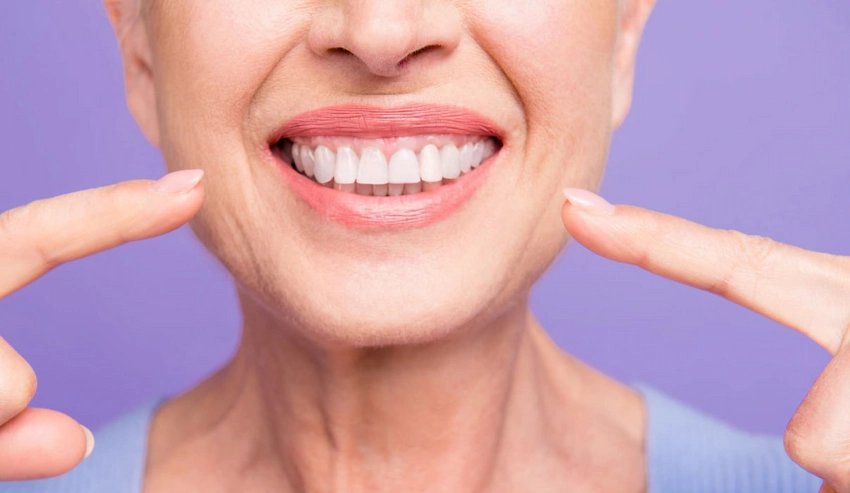
Adults are very much into comparing their smiles with others and in most cases they are able to spot differences in tooth size. Usually, this understanding has something to do with the proportions of the face rather than the presence of tooth abnormalities.
A broad jaw or prominent cheekbones can make the teeth look smaller just by contrast. A high or an uneven gum line lowers the visible part of the teeth and thus the eye is tricked into thinking the teeth are short.
Also aging has a say in the matter and it significantly affects the enamel. Over time the incisal edges of teeth get flattened and the enamel becomes thinner. This natural aging process, without any preventative measures, results in the shortening of teeth thus changing smile proportions.
Covert operations of cosmetic dentistry are directed at bringing back proportional harmony rather than merely increasing the size of teeth. To accomplish this, dentists take into account the symmetry of the face, the movement of the lips, and the alignment of the bite.
Can a Dentist Fix Small Teeth?
Through contemporary cosmetic dentistry procedures, dentists are in a position to make small teeth look normal again and in a safe and effective way. The selection of treatment depends on factors like the thickness of enamel, the structure of the tooth, the health of the gums, and the stability of the bite.
The main point of cosmetic procedures is to help the teeth regain their ideal dimensions while still keeping the natural tooth tissue. Attempts to bring the dental health to very long-term levels, dentists perpetual mind prioritizing minimally invasive approaches as much as possible, which is in line with their health philosophy perpetually observed.
Smile design with digital tools is very often involved in determining the specifics of treatment. This kind of technology offers patients a glimpse of their end results even before undergoing treatment, thus making the whole process predictable and boosting patient confidence.
By far the most important thing that should be kept true is that, if done properly, cosmetic dentistry for small teeth not only makes the smile look better, but it also enhances the chewing function and keeps the oral health in good stead.
Cosmetic Dentistry Solutions for Small Teeth
Dental Veneers for Small Teeth
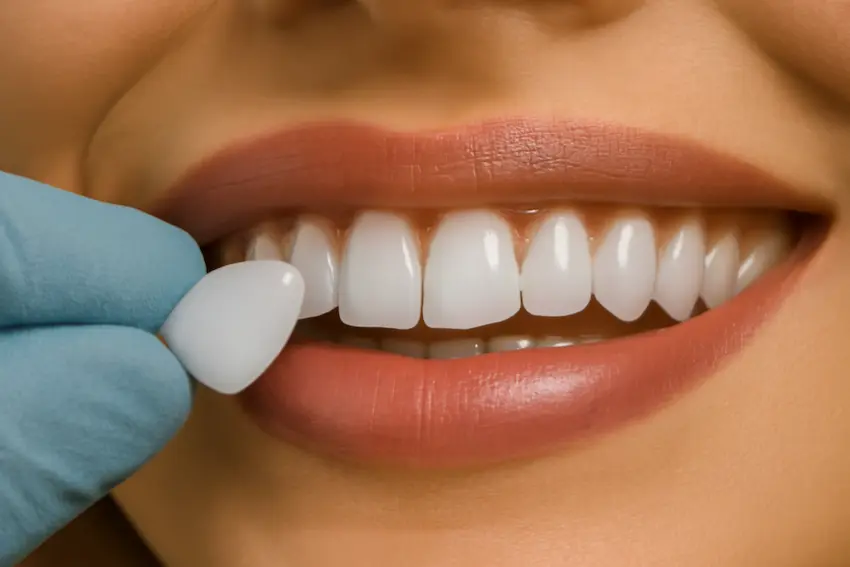
Dental veneers are one of the most effective methods in the case of small or narrow teeth. Veneers are thin ceramic layers that are attached to the front surface of the teeth to increase the length, width, and symmetry.
Like natural enamel, the porcelain veneers are very resistant to stains and are made with close to perfect translucency. Dentists make veneers to visually restore the ideal proportions of a tooth without making it look fake.
Veneers work extremely well for the case of peg-shaped lateral incisors, where the teeth have different lengths, and there is space due to small teeth. If looked after, porcelain veneers keep their function and look for a long time.
Composite Bonding for Small Teeth
Composite bonding improves the shape of the teeth by using a resin that is the same color as the tooth. The dentist applies the resin directly on the tooth surface, carves it to the desired shape, and then uses a curing light to harden it.
Bonding is a method that does not harm the enamel and is appropriate for very slight size discrepancies or small changes in the shape of the tooth. Usually, the process is done without anesthesia and can even be finished in one visit.
As composite bonding is not as durable as porcelain veneers, many patients find it a conservative and affordable solution.
Dental Crowns for Severely Worn Small Teeth

Dental crowns are the means by which the dentists bring back teeth to their original size that have been made small due to heavy wear or structurally damaged. A crown is a cap that is placed over the whole tooth, thus it helps in restoring the lost size, strength, and function.
When the loss of the tooth enamel leads to the weakening of a tooth, dentists advise the use of dental crowns. The modern ceramic crowns not only serve as a good aesthetical solution but also as a durable long-term one while they help in stabilizing the bite.
A crown guards a tooth which is fragile due to previous wear and at the same time, it stops further abrasion; hence, it is both a functional as well as a cosmetic remedy.
Orthodontic Treatment for Spacing and Proportion
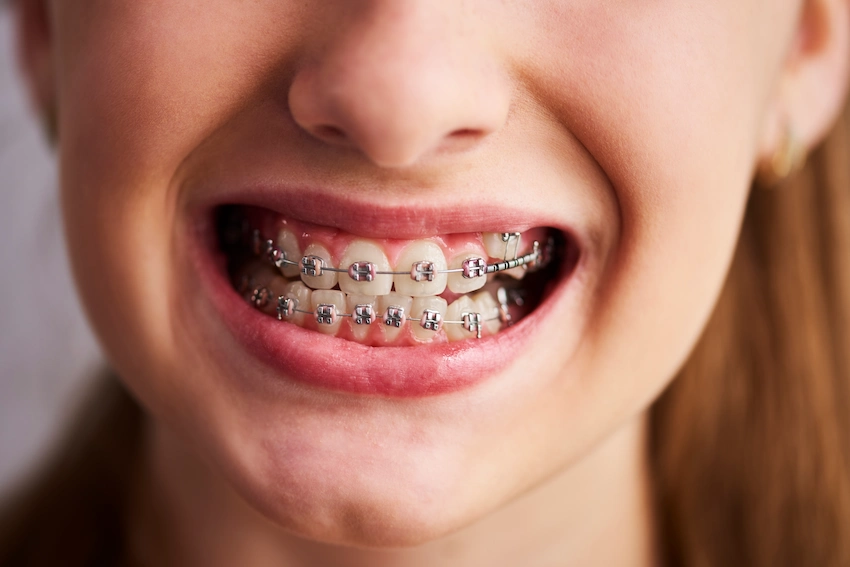
Through orthodontic treatment the size of the teeth does not get increased but the one of the spaces can be reduced as well as the alignment can be improved. Closing of the gaps which are the result of small teeth is thus the main reason behind the enhancement of the smile look without changing the structure of the teeth.
There are incidents in which the use of braces is the preliminary step before the application of veneers or bonding so as to have better spacing and alignment of the bite. The stability of this combined approach is at a higher level.
If properly arranged, both clear aligners and traditional braces can achieve the same results that are predictable.
Gum Contouring to Increase Visible Tooth Length
Gum contouring is the process of reshaping excess gingival tissue so that more of the tooth surface is revealed. If the teeth look small due to too much coverage by the gums or uneven gum levels, the dentist would typically suggest this operation.
By means of laser gum contouring, the reshaping can be carried out accurately and with minimal trauma to the tissues, and the healing is quick. The technique is a way to change the ratios of the teeth without interfering with their structure.
The right diagnosis guarantees that the gum contouring work will be in line with periodontal health.
Digital Smile Design for Small Teeth
Using digital scans and photos, the digital smile design allows dentists to assess tooth size, facial symmetry, and lip dynamics. This innovation is a great help for highly customized treatment planning.
The potential outcomes of the treatment can be visualized by the patients even before the work starts. The process is very helpful in terms of communication, it lessens the feeling of doubt and it is also very helpful in terms of having realistic expectations.
The use of digital planning is very much in line with the idea of being very accurate and it is also a very good way of always improving the patients’ satisfaction.
Are Small Teeth a Health Problem?
Small teeth are not necessarily a sign that there is a problem medically. However, they can put one’s oral health at risk if certain conditions are met.
The spacing that goes hand in hand with small teeth is a place where plaque can easily be retained and thus the risk of cavities and gum disease increases. The forces of an uneven bite may lead to the speeding up of tooth wear and as a result, the person may experience jaw discomfort.
The cosmetic procedures eliminate these problems by making the tooth contact, bite stability, and oral hygiene easier. The treatment is both very good for the smile and great for oral health in the long run.
How Long Do Cosmetic Dentistry Results Last?
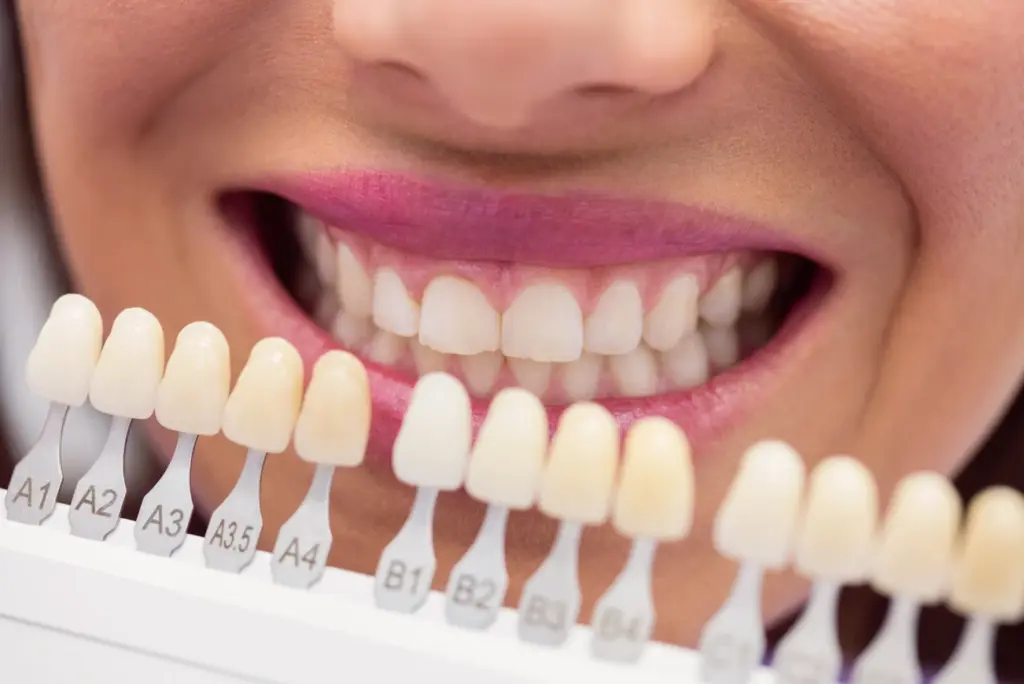
The duration of cosmetic dentistry results depends on which procedure is involved and the patient’s oral care habits.
Porcelain veneers can be viable for more than ten years in case of good care. On the other hand, composite bonding is likely to last for a few years only and during this period it requires occasional touch-up. Dental crowns can be very durable over a long period of time but only if good oral hygiene is observed.
Some of the factors that greatly extend the treatment lifespan are regular dental checkups, professional cleanings, and the use of a night guard by the patients who suffer from bruxism.
Caring for Small Teeth After Cosmetic Treatment
The patients should keep up the results of the treatment by brushing their teeth twice a day with a fluoride toothpaste and flossing regularly. Doctors advise avoiding the habit of biting hard objects and having a diet that is not rich in acidic foods.
Night guards are the means by which the teeth of the patients who have the habit of grinding are kept safe, and so are the restorations. The routine dental visits are the tool that allows the problem of wear or damage to be spotted at an early stage.
The proper way to go about it is the only way to be able to keep stable and long-lasting outcomes.
When Should You See a Dentist About Small Teeth?
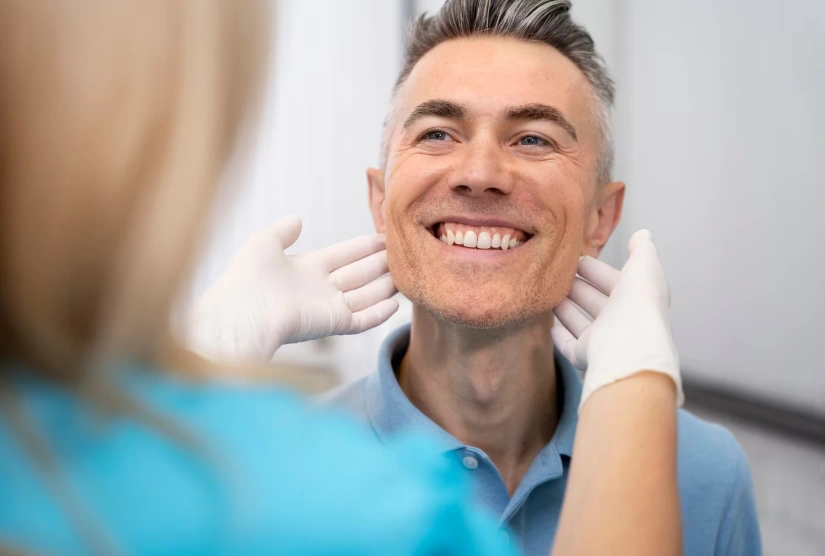
Patients need to consult a dentist if they observe an increase in the size of the gaps between the teeth, uneven tooth wear, or changes in the appearance of their smile. Getting an evaluation at an early stage opens the door to conservative treatment and keeps the complications away.
Planning of cosmetic dentistry is done on a personalized basis and is supported by evidence. Dentists make patients aware of safe and predictable solutions that are in line with their functional and aesthetic goals.
Frequently Asked Questions About Cosmetic Dentistry for Small Teeth
It could be that your teeth appear small because of the proportions of your face, the width of your jaw, the position of your gums, or even the wear of your enamel, rather than the actual size of your teeth being smaller. A thorough dental examination by a dentist will determine whether the cause is related to the body, the gums, or the alignment of the bite.
Small teeth are not necessarily a health problem. Nevertheless, the gaps and bite imbalance that may be present with small teeth can lead to an increased risk of cavities, gum disease, and tooth wear.
Indeed, cosmetic dentistry offers long-term options like veneers, crowns, or orthodontic treatment. How long the treatment will last depends on the care taken and the procedure chosen.
Composite bonding is a viable solution when the size and shape of the dental units are slightly different. This method is conservative, reversible, and can be chosen by patients who want a minimally invasive treatment.
The lifespan of dental veneers and crowns made of porcelain can be more than ten years if the patient takes good care of them. On the other hand, composite bonding generally needs to be touched up after several years.
- American Dental Association (ADA). (n.d.). Veneers. MouthHealthy.org. https://www.mouthhealthy.org/en/az-topics/v/veneers
- American Academy of Cosmetic Dentistry (AACD). (n.d.). Porcelain Veneers.
- Spear, F. M. (2006). Facially Generated Treatment Planning. Journal of Esthetic and Restorative Dentistry, 18(2), 103-107. (This foundational article discusses the principles of smile design and tooth proportion.)
- Jivraj, S., & Chee, W. (2006). Treatment Planning of Implants in the Aesthetic Zone. British Dental Journal, 201(2), 77-89. (Discusses crown lengthening and biologic width management, relevant to treating gummy smiles.)

