


Clove oil for teeth is the number one natural remedy that is used for dental care all over the world. Its effectiveness is due to its natural compounds, mainly eugenol, which is strong in analgesic and antiseptic properties. Clove oil for teeth has been relied on for years to relieve toothaches, lower the inflammation of the gums, and fight bacteria. A lot of these uses find their support in modern science, and thus the clove oil is both traditional and scientifically validated.
In most cases, the use of clove oil is the first remedy that comes to the mind of the patients for immediate relief, as it performs the local treatment. In a case of a sudden toothache or continuous gum inflammation, clove oil for teeth can give you the release you need while you schedule a visit to a dentist.
Why Clove Oil for Teeth Works?
Eugenol, which is a part of clove oil, is the main reason for its analgesic as well as antibacterial properties. The mechanism of eugenol is by temporarily numbing the nerves of the tooth, hence decreasing the inflammation and at the same time bacteria cannot reproduce. Moreover, clove oil for teeth can be used to reduce the swelling of the gums, to calm the sensitivity of the teeth, and to stop infection going on further.
Several scientific studies show that clove oil is effective in giving relief in dental pains. For instance, eugenol delivers pain-relieving effects by interacting with the nervous system thus reducing the pain signals conveyed.
Moreover, clove oil for teeth may be the source that makes the mouth less prone to bacteria as a result of which the teeth become less vulnerable to the development of cavities and periodontal diseases.Therefore, clove oil for teeth is an optimal home remedy for alleviating minor dental issues while awaiting professional intervention.
History of Clove Oil in Dentistry
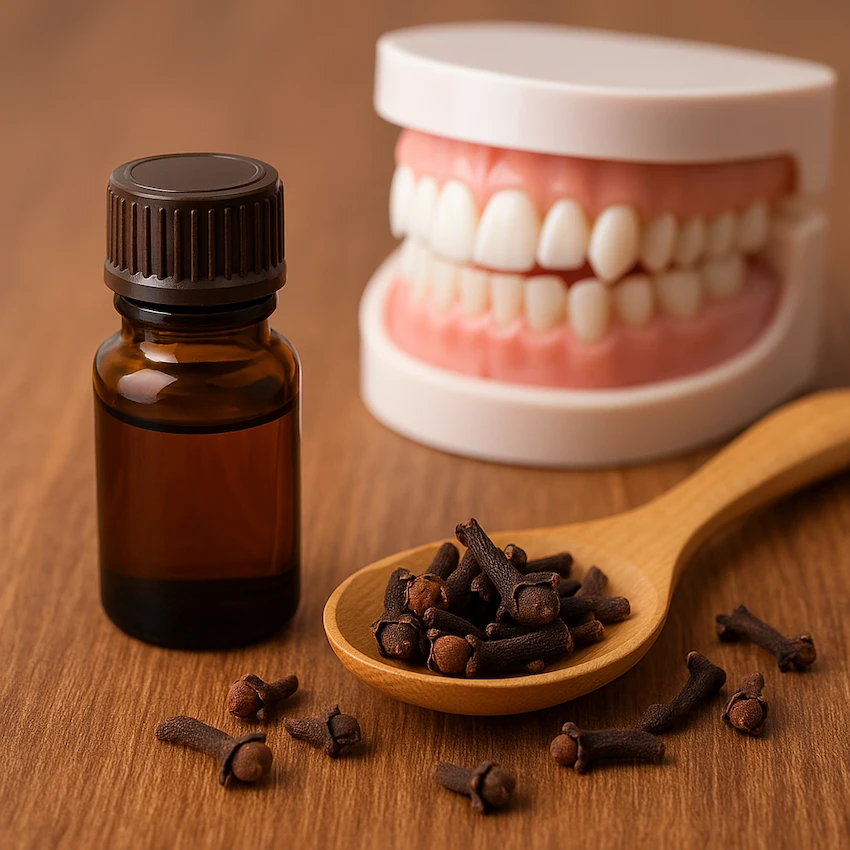
Clove oil for teeth was a part of the numerous traditional treatments of nature, which were used for centuries. The Chinese, Indian, and Middle Eastern cultures of the past applied clove oil to the teeth that were causing pain or to the gums that were inflamed. The oil was taken out from the clove buds and was directly applied to the affected tooth or gum area. Still, many natural and holistic dentists use clove oil for teeth as a natural substitute for OTC analgesics.
Clove oil from the past is still being researched for its antimicrobial and analgesic properties in the modern era. Scientists have unearthed that clove oil can remove the bacteria from the mouth that are responsible for dental caries such as Streptococcus mutans. Its old use along with the scientific confirmation gives more weight to the idea of clove oil for teeth as a remedy that is both safe and effective.
How to Use Clove Oil for Teeth
Other than main methods you can try using clove oil for teeth in a successful and safe way:
- Direct Application: Just soak a small cotton ball in clove oil and gently rub your tooth or gum that is giving you pain. Direct clove oil use for teeth is the most effective if performed in the area of discomfort.
- By Carrier Oil: Mix 3-5 drops of clove oil for the tooth with coconut or olive oil and pour the mixture on the mouth to dilute the oil. Swish in the mouth for 1–2 minutes before spitting out the solution.
- Topical Gel Formulation: Some natural remedies utilize the pain safety of pulp-exposure clove oil for teeth combined with soothing ingredients such as aloe vera for the gums.
In any case, one should be very cautious not to swallow the oil since it is very volatile and can cause an upset stomach. The greatest safety and more benefits result from the use of it in moderation and as directed.
Benefits of Clove Oil for Teeth

- Pain Relief: It is possible to alleviate toothaches, sensitivity, and minor gum pain by employing clove oil for teeth as a mediator.
- Antimicrobial action: This will give bacteria less space as they are the main fungi that lead to cavities, bad breath, and gum infections.
- Anti-Inflammatory Properties: Clove oil usage may lower the inflammation of the gum and the redness of the gum area.
- Natural and Accessible: Clove oil is the most common solution for the majority of families, which is thus one of the most comfortable remedies.
- Complement to dental care: The application of Clove oil for teeth in addition to brushing, flossing, and professional check-ups is the most efficient way for achieving the results.
Simply incorporating clove oil in your oral hygiene routine is not only a secret to your healthy gums and teeth but also a way to relieve the dental pain that you experience from time to time.
Precautions When Using Clove Oil for Teeth
Still, clove oil for teeth is the most effective when it is used in a moderate amount and hence, it is always better to mix it with a carrier oil before applying it to the gums so as to avoid the irrational feeling. Do not swallow a large amount of it.
Frequently Asked Questions About Clove Oil for Teeth
No, clove oil for teeth can reduce bacteria but cannot repair damaged teeth.
It typically provides relief within minutes when applied directly to the affected area.
Yes, diluted clove oil can soothe minor inflammation without harm.
It helps reduce bacteria, but brushing and flossing remain essential.
Once or twice a day is safe; overuse may irritate gums.

